
Sauces & Condiments
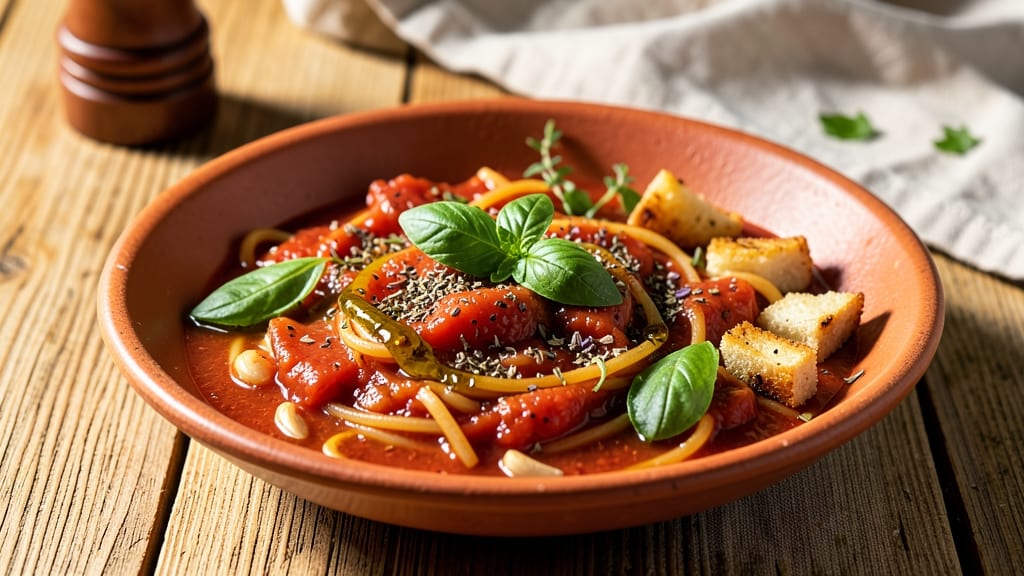
This authentic Sicilian spaghetti sauce recipe captures the rich, sun-ripened essence of Sicily in every spoonful—where tomatoes, garlic, and fresh herbs simmer into a velvety, deeply flavorful base. The secret lies in slow cooking, allowing the natural sweetness of tomatoes to develop while the aromatics meld into something truly extraordinary. I've perfected this version after years of testing, ensuring it delivers that signature Sicilian depth without shortcuts.
What sets this sauce apart is the balance of traditional ingredients: ripe tomatoes, fragrant garlic, sweet onions, and the bright, earthy notes of oregano and basil. The sauce builds flavor through gentle simmering, not rushed blending, creating a texture that's smooth yet robust.
It's the kind of sauce that transforms simple spaghetti into a restaurant-worthy meal, with layers of umami and acidity that keep you reaching for seconds.
The process is straightforward but requires patience—about 2 hours of simmering time—to develop that authentic Sicilian character. You'll start with a simple soffritto of onions and garlic, then add tomatoes and herbs, letting everything reduce into a concentrated, aromatic sauce.
The result is a sauce that's rich enough to stand alone but light enough to coat each strand of pasta perfectly.
This sauce keeps beautifully in the refrigerator for up to a week, allowing flavors to deepen over time. Whether you're serving it over al dente spaghetti or using it as a base for other dishes, it's a game-changer for any Italian meal. Let's get started on creating this timeless classic.
Ingredients for authentic sicilian spaghetti sauce
Sun-ripened tomatoes, aromatic garlic, and fragrant herbs come together for this deeply flavorful Sicilian sauce.
| Ingredient | Amount | Notes |
|---|---|---|
| Extra-Virgin Olive Oil 🫒 | ½ cup | High-quality, fruity variety preferred |
| Yellow Onion 🧅 | 1 whole | Finely chopped, sweet variety |
| Garlic Cloves 🧄 | 6 cloves | Fresh, peeled, minced finely |
| San Marzano Tomatoes 🍅 | 28 oz | Canned, whole, crushed by hand |
| Fresh Basil Leaves 🌿 | ½ cup | Packed, stems removed, chiffonade |
| Dried Oregano 🍃 | 1 tbsp | Italian or Mediterranean variety |
| Red Wine Vinegar 🍷 | 1 tbsp | For brightness, dry variety |
| Sea Salt 🧂 | 1 ½ tsp | Diamond Crystal preferred |
| Freshly Ground Black Pepper 🌶️ | ½ tsp | Coarsely cracked |
| Sugar 🍬 | 1 tsp | Balances acidity, optional |
The tomatoes are the heart of this sauce, so San Marzano is non-negotiable—their natural sweetness and low acidity create that authentic Sicilian depth. Grab a can from Whole Foods or Trader Joe's for the best quality, or look for them at Italian specialty markets. The basil should be vibrant green, not wilted, and fresh is a must—dried won't cut it here. For the olive oil, Calabria or Sicily DOP oils elevate the dish, but any high-quality extra-virgin will work. The onions and garlic form the aromatic base, so don't rush the cooking time—this is where the magic starts.
No San Marzano tomatoes? Plum tomatoes from a good canner are your next best bet, but avoid the watery, mushy varieties. Fresh basil wilted before you're ready? Dried basil at one-third the amount works in a pinch, though it won't have that same bright, fresh flavor. The red wine vinegar adds a touch of acidity—substitute with lemon juice if needed, but reduce to 1 teaspoon. For extra umami, a pinch of fish sauce or soy sauce (just ½ teaspoon) goes a long way, though it's optional. The sugar is purely to balance the acidity, so adjust to taste if your tomatoes are particularly tart.
This sauce tastes even better the next day as flavors meld, so make it ahead if possible. Store in an airtight container in the fridge for up to 7 days, or freeze for 6 months in portions. For freezing, leave a little headspace as it expands. To reheat, simmer gently on the stove—never microwave, or the texture will suffer. A splash of water or pasta water can help restore its silky consistency if it thickens too much during storage.
Why You'll Love This Recipe
- No-Chop Nightmare: I swear, this sauce only needs one onion and a few garlic cloves—minimal prep, zero tears. The San Marzano tomatoes do all the heavy lifting once they hit the pot.
- Garlic-Basil Magic: That first hit of olive oil and garlic sizzling? Pure satisfaction. Fresh basil at the end? It’s like a little flavor hug you didn’t know you needed.
- Leftovers That Shine: This sauce actually improves overnight—deeper, richer, and still bright. I freeze half for lazy Mondays, and it’s just as good reheated.
- Sunday Supper Star: Feed a crowd, impress guests, or just treat yourself. It’s the backbone of any Italian meal—pasta, pizza, or even stuffed in bread. (Yes, even on a Tuesday night.)
Step-by-step instructions for authentic Sicilian spaghetti sauce
Here's how to build rich, slow-simmered tomato sauce with the perfect balance of Sicilian herbs.
Sauté Onion and Garlic in Olive Oil
Heat the 0.5 cup extra-virgin olive oil in a heavy-bottomed pot over medium-low heat. Add the finely chopped yellow onion and cook for 8-10 minutes until completely translucent and just beginning to soften. You want to avoid browning—the goal is sweet, mellow onion flavor.
Reduce heat to low and add the 6 cloves minced garlic. Cook for exactly 30 seconds while stirring constantly—garlic burns faster than you think. You'll know it's ready when the aroma fills your kitchen and the color turns pale golden. Remove from heat immediately to prevent bitterness.
Add Tomatoes and Vinegar
Return the pot to medium heat and add the 28 oz crushed San Marzano tomatoes. Stir well to combine with the onion and garlic mixture. The tomatoes should coat the back of a spoon but remain slightly chunky—this texture is essential for authentic Sicilian sauce.
Pour in the 1 tablespoon red wine vinegar and add the 1.5 teaspoons sea salt and 0.5 teaspoon freshly ground black pepper. The vinegar brightens the tomatoes while cutting through their natural acidity. Stir in the 1 teaspoon sugar if using—this balances the acidity and enhances the tomatoes' natural sweetness.
Simmer Until Deeply Flavorful
Bring the sauce to a gentle simmer, then immediately reduce heat to lowest setting. Cover partially with a lid and let it cook for 45-60 minutes, stirring occasionally. The sauce should reduce significantly but never boil vigorously—this ensures the flavors meld without developing a raw tomato taste.
Here's the thing—this slow cooking transforms the tomatoes into a velvety, concentrated sauce. You'll notice the sauce darkens and thickens as it simmers. Taste after 45 minutes—it should be rich and balanced, with no sharp tomato acidity remaining. If it needs more depth, simmer another 15 minutes.
Finish with Fresh Basil
Remove the pot from heat and stir in the 0.5 cup chiffonade fresh basil leaves. The heat from the sauce will release the basil's essential oils, infusing the sauce with bright, aromatic flavor. Add the 1 tablespoon dried oregano and stir well to distribute evenly.
Let the sauce rest for 10 minutes before serving. This resting period allows the flavors to fully integrate. The sauce should be thick enough to coat the back of a spoon but still cling beautifully to spaghetti. If it's too thick, whisk in 1-2 tablespoons water to reach your desired consistency.
Serve with Fresh Pasta
Toss the sauce with freshly cooked spaghetti, reserving ½ cup pasta water to adjust consistency if needed. The sauce should coat each strand perfectly without being watery. Serve immediately while the basil still releases its aromatic oils—this is when the sauce tastes most vibrant and fresh.
For an authentic Sicilian touch, sprinkle with extra freshly ground black pepper and serve with crusty bread to soak up every last bit of that rich, herb-infused tomato sauce. The balance of sweet tomatoes, bright basil, and earthy oregano creates a sauce that's simple yet deeply satisfying—just like Nonna used to make.
Pro Tips For Making Authentic Sicilian Spaghetti Sauce
- Sweat the Onion First: I learned this the hard way—chopping onions into a cold pan just makes them steam instead of caramelize. Get your olive oil ripping hot (a few seconds after it shimmers) and cook the finely diced onion for 8-10 minutes until it’s golden-brown and almost jammy. That deep flavor is the foundation of real Sicilian sauce.
- Crush Garlic Like a Boss: Don’t mince it—smash the cloves with the flat side of your knife first, then chop. This releases more oils and aroma without burning. Add it to the pan after the onion softens but before tomatoes—just let it sizzle for 30 seconds until fragrant, not brown. Burnt garlic ruins everything.
- Tomatoes Need Time: San Marzano tomatoes are sweet, but they won’t break down properly if you rush. After adding them, simmer uncovered on medium-low for at least 30 minutes, stirring occasionally. The sauce should reduce by about half—this concentrates the flavor. Skip the lid; you want that water to evaporate.
- Salt the Water, Not the Sauce: I used to add salt to the simmering tomatoes, but that throws off the balance. Instead, season the pasta water generously (like the sea) and toss the cooked spaghetti with a splash of that starchy water before adding sauce. The basil goes in last—just before serving—so it stays bright and fresh, not wilted into oblivion.
Pro cooking tips for authentic sicilian spaghetti sauce
Low-and-Slow Simmer
This sauce demands patience—simmering for 2 hours transforms raw tomatoes into a velvety, concentrated flavor bomb. Use a heavy-bottomed Dutch oven like Le Creuset to prevent scorching. Keep heat at a gentle simmer (tiny bubbles, not rolling) to develop depth without breaking down the tomatoes into mush.
I swear by this method—it’s the difference between good sauce and restaurant-quality. 🔥
Herb Timing Matters
Add fresh basil only at the very end—its delicate oils evaporate quickly when exposed to heat. Reserve 10 minutes of resting time after adding basil to let those aromatic compounds infuse fully.
The oregano goes in with the basil, but if you’re using dried, toast it briefly in the oil with the onions for deeper flavor. Never skip this step—it’s what makes Sicilian sauce sing.
Salt in Stages
Start with 1 teaspoon salt during simmering, then adjust to taste at the end. Sicilian tomatoes are naturally sweet, but canned varieties vary. Taste after 45 minutes—if it’s bland, add another ½ teaspoon and simmer 15 more minutes.
The goal is balanced seasoning, not overwhelming saltiness. Trust your palate here—this sauce should taste like summer in a jar.
Texture Control
For authentic Sicilian texture, crush tomatoes by hand (not blending) to leave small chunks. If your sauce thickens too much, whisk in 1-2 tablespoons water or reserved pasta water. The sauce should coat the back of a spoon but remain silky.
Over-blending creates a paste—this sauce should be rich, not gluey. A fork should glide through it effortlessly. ✨
Acidity Balance
The red wine vinegar is non-negotiable—it brightens the tomatoes and cuts through their natural acidity. If your tomatoes taste too sharp, add ½ teaspoon sugar to balance. For extra depth, a pinch of fish sauce (just ¼ teaspoon) adds umami without overpowering.
Taste as you go—this sauce should be vibrant, not sour or flat.
Rest Before Serving
Let the sauce rest for 10 minutes after cooking—this lets flavors meld and prevents a metallic taste when tossed with pasta. The sauce will thicken slightly as it cools, so adjust with water if needed.
Serve immediately for peak freshness, but it tastes even better the next day as flavors deepen. Pro tip: Store in a glass jar in the fridge for up to 7 days—the flavors only get better. 💫
Nutrition facts
Frequently asked questions
Why does this Sicilian sauce need such a long simmer time?
The 2-hour simmer is what creates the authentic depth of flavor. Slow cooking allows the tomatoes to break down naturally, concentrating their sweetness while developing rich, umami notes. This gentle process also lets the aromatics (onion, garlic, herbs) meld together perfectly, creating a sauce that's far more complex than quick-cooked versions. Think of it as letting the flavors marry over time—just like a fine wine!
Can I use fresh tomatoes instead of canned San Marzano?
Fresh tomatoes work but require extra prep! You'll need about 4-5 large ripe tomatoes (peeled, seeded, and crushed by hand) to match the 28 oz canned equivalent. For best results, roast them first at 375°F for 20 minutes to intensify their flavor. Fresh tomatoes also have more water content, so you may need to simmer longer to achieve the same thickness. The canned version is preferred for convenience and consistent quality.
What's the secret to getting that authentic Sicilian flavor?
The magic lies in three key elements: quality tomatoes (San Marzano or similar), proper herb timing (basil added last), and slow reduction. The combination of sweet onions, garlic, red wine vinegar, and fresh basil creates that signature Sicilian brightness. Don't skip the 10-minute rest after cooking—this lets all the flavors fully integrate for that restaurant-quality taste. It's all about patience and balance!
How do I fix sauce that's too acidic or too bland?
For too acidic sauce, stir in ½ teaspoon sugar or a splash of pasta water to dilute. For too bland sauce, add ½ teaspoon salt or a pinch of fish sauce for umami depth. If the sauce is already too thick, whisk in 1-2 tablespoons water. Always taste as you go—this sauce should be vibrant, not one-dimensional. Adjust gradually to avoid overcorrecting!
Can I make this sauce in a slow cooker?
Follow the same steps but transfer everything to your slow cooker after the initial onion and garlic cooking. Cook on low for 6-8 hours or high for 3-4 hours, stirring occasionally. The slow cooker's gentle heat will create that same concentrated flavor. Just