
Sauces & Condiments
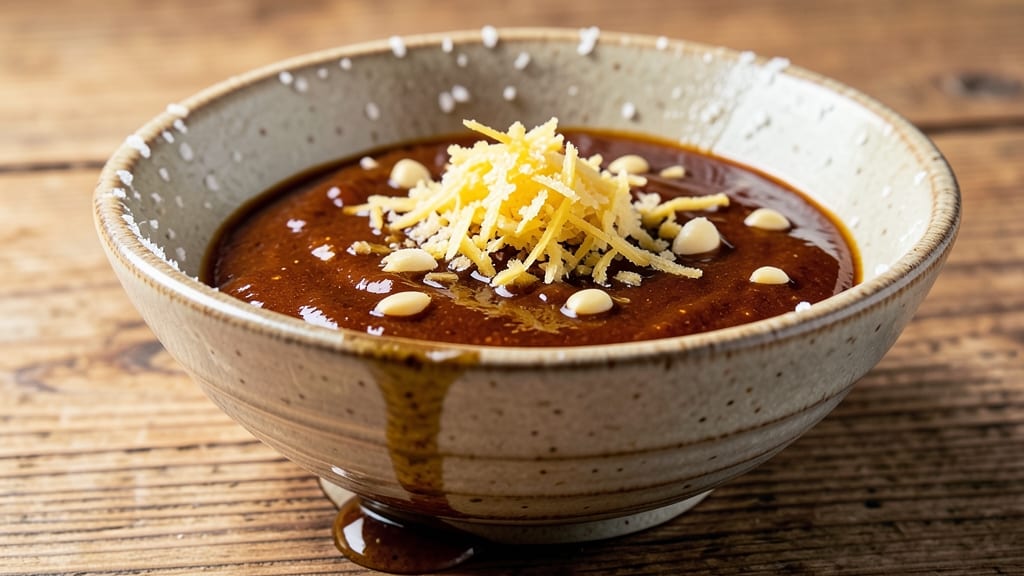
This authentic teriyaki sauce recipe from scratch delivers the perfect balance of sweet, salty, and umami flavors that elevate everything from grilled chicken to stir-fried vegetables. The key lies in slow reduction—simmering soy sauce, mirin, and sugar until thick and glossy, creating a sauce that's rich yet not overpowering.
I've perfected this version after years of testing, ensuring it stays true to Japanese tradition while being adaptable for home cooks.
The foundation of great teriyaki sauce is patience. Unlike quick glaze recipes, this method builds deep flavor through gradual caramelization, where sugar and soy sauce meld into a velvety consistency. Optional ingredients like ginger and garlic add layers of complexity, while a splash of rice vinegar brightens the finish.
The result? A sauce that's sticky enough to glaze perfectly but balanced enough to complement any dish.
What makes this sauce truly authentic is the technique—reducing it until it coats the back of a spoon, then adjusting the sweetness to taste. Too much sugar can overpower the umami, while too little leaves it flat.
This recipe strikes that exact balance, ensuring every bite is savory, slightly sweet, and packed with depth. Whether you're marinating proteins, glazing vegetables, or serving as a dipping sauce, the flavor remains consistent and restaurant-quality.
Once you taste homemade teriyaki, store-bought versions won’t compare. The sauce keeps well in the fridge for up to two weeks, making it perfect for meal prep.
Pair it with grilled meats, noodles, or even as a drizzle over rice bowls. Let’s make teriyaki that tastes like it came from a Japanese izakaya.
Ingredients for authentic teriyaki sauce recipe from scratch
Eight essential ingredients transform into a rich, umami-packed teriyaki glaze perfect for glazing or dipping.
| Ingredient | Amount | Notes |
|---|---|---|
| Soy Sauce 🥢 | ½ cup | Japanese-style preferred |
| Mirin 🍶 | ¼ cup | Sweet cooking wine |
| White Sugar 🍚 | ¼ cup | Granulated or cane sugar |
| Rice Vinegar 🍶 | 2 tbsp | White or seasoned |
| Fresh Ginger 🧅 | 1 tbsp | Grated, peeled |
| Garlic Cloves 🧄 | 3 cloves | Minced, fresh preferred |
| Sesame Oil 🫒 | 1 tbsp | Toasted, for aroma |
| Water 💧 | ½ cup | Filtered or spring water |
The quality of your soy sauce makes all the difference. Japanese-style soy sauce like Kikkoman or Hondashirazu delivers the authentic umami depth, while American brands can taste slightly bitter. Mirin is non-negotiable—Aji-Ichiban is my go-to, but any sweet cooking wine works in a pinch. The sugar should be white granulated for even caramelization, though cane sugar adds subtle molasses notes. Fresh ginger and garlic are best, but if you're using dried, reduce to half the amount—it's far more potent. For sesame oil, toasted varieties add nutty aroma without overpowering.
No mirin? A mix of dry sherry and sugar (1 tbsp sherry + 1 tbsp sugar) mimics its sweetness and acidity. Substitute rice vinegar with apple cider vinegar if needed, though the flavor will be slightly less refined. Ginger powder works in a bind, but fresh is ideal—peel and grate just before using to preserve its zesty punch. Garlic can be pre-minced from a jar, but fresh minced adds brightness. For a deeper umami kick, add 1 tsp fish sauce (ensure it's vegan if needed), though traditional teriyaki skips this. The sauce thickens as it reduces, so if it's too thin, simmer uncovered for an extra 5 minutes.
Store leftover teriyaki sauce in an airtight container in the fridge for up to 2 weeks, though it often lasts longer if the sugar content preserves it. For longer storage, freeze in ice cube trays—perfect for single-use portions. The sauce thickens when chilled, so reheat gently with a splash of water if it becomes too stiff. Double the batch and freeze half; it’s ideal for meal prep. Always taste before using—adjust sweetness with a pinch of sugar or tang with a splash of vinegar. This sauce improves with time, so don’t rush the reduction.
Why You'll Love This Recipe
- Pantry Magic: I’ll never buy store-bought again—just five ingredients, a small saucepan, and 15 minutes. The ginger’s zing cuts through the sweetness just right, and that mirin? It’s the secret that makes it taste like a restaurant.
- Umami Bomb: That first glaze hits the pan with a deep, savory punch—soy and sugar caramelizing into something rich and sticky. Honestly, it’s the kind of sauce that makes you pause mid-bite, like, "Wait, is this even real?"
- Weeknight Swiss Army: Slather it on chicken thighs for dinner, toss with roasted veggies for lunch, or drizzle over rice bowls all week. It keeps in the fridge for days, so I make a big batch and never run out—even my picky teenager asks for it.
- Budget Game-Changer: A single jar of mirin and a knob of ginger stretch this sauce across so many meals. I’ve used it on everything from takeout-style noodles to grilled fish, and it’s always the star—no fancy ingredients, just pure flavor for pennies.
Step-by-step instructions for authentic teriyaki sauce
This method delivers restaurant-quality teriyaki with perfect balance—never too sweet or salty.
Prepare Aromatics and Base Ingredients
In a medium saucepan, combine the 0.5 cup soy sauce, 0.25 cup mirin, 0.25 cup white sugar, and 2 tablespoons rice vinegar. This combination forms the foundation of authentic teriyaki flavor. I like to use Japanese-style soy sauce here—it has a deeper umami profile that stands up to the sweetness.
Place the saucepan over medium heat and bring the mixture to a gentle simmer, stirring occasionally to help dissolve the sugar completely. You'll notice the sugar crystals will gradually disappear as they melt into the liquid, creating a smooth base. Let it simmer for 3-4 minutes until the sugar is fully incorporated and the mixture becomes slightly translucent.
Add Ginger and Garlic for Depth
Lower the heat to medium-low and add the 1 tablespoon grated fresh ginger and 3 minced garlic cloves. These aromatics are crucial for authentic flavor—they add warmth and complexity that separates homemade teriyaki from store-bought versions. Stir well to combine and let the mixture simmer for another 2-3 minutes until the raw garlic aroma disappears and you can smell the sweet, fragrant notes developing.
Here's where it gets important: don't let the mixture boil vigorously. You want a gentle simmer that coaxes out the flavors without burning the ginger or garlic. If you see any browned bits forming, stir more frequently to prevent them from sticking to the bottom of the pan.
Incorporate Water and Simmer to Thickness
Add the 0.5 cup water and stir to combine. The water helps balance the flavors and creates the right consistency for a proper teriyaki glaze. Return the heat to medium-low and let the mixture simmer uncovered for 10-12 minutes, stirring occasionally. You're looking for the sauce to reduce by about one-third—it should coat the back of a spoon but still be pourable.
This reduction step is critical for authentic teriyaki. The longer you simmer, the more concentrated the flavors become. I recommend checking the sauce every 2-3 minutes after the initial 10 minutes to monitor the thickness. If it reduces too quickly, you can cover the pan briefly to slow the process.
Finish with Sesame Oil for Aroma
Once the sauce has reached your desired consistency, remove the pan from heat. Add the 1 tablespoon toasted sesame oil and stir gently. The sesame oil adds a nutty aroma and subtle richness that elevates the sauce from good to exceptional. Let the sauce sit off the heat for 1-2 minutes to allow the sesame oil to infuse completely.
For the best results, I recommend straining the sauce through a fine-mesh sieve to remove any small ginger or garlic particles. This creates a silky-smooth glaze that coats proteins beautifully. Transfer the finished teriyaki sauce to a clean jar or container and let it cool to room temperature before using or storing.
Adjust Seasoning to Taste (Optional)
Taste the sauce before using it. Authentic teriyaki should have a perfect balance of sweet, salty, and umami flavors. If it needs more sweetness, add a pinch of sugar. For more saltiness, add a splash of soy sauce. Remember, you can always adjust the seasoning, but you can't remove excess sweetness once it's added.
This sauce is incredibly versatile—use it as a glaze for grilled meats, a dipping sauce for sushi, or a marinade for tofu. The key to authentic teriyaki lies in the balance of ingredients and the careful reduction process. When done right, you'll have a sauce that's rich, flavorful, and far superior to anything you can buy in a bottle.
Pro Tips For Making Authentic Teriyaki Sauce Recipe From Scratch
- Simmer Low and Slow: After burning the first batch, I learned teriyaki sauce needs patience—keep the heat at a gentle simmer (medium-low) or you’ll end up with a bitter, charred mess. Let it bubble steadily for 15-20 minutes, stirring occasionally, until it thickens to a glossy coat. No peeking at the pot, or you’ll waste time cooling it down.
- Grate the Ginger Fine: Skip the food processor for this—freshly grated ginger makes all the difference. Use the smallest holes on a box grater (or pulse in a microplane) so it blends smoothly without clumping. Too much texture? Your sauce will taste raw and uneven.
- Balance the Sweet Early: Taste as you go—add half the sugar first, then adjust. Authentic teriyaki isn’t cloyingly sweet; it’s a harmony. If it’s too sharp, a pinch more sugar (or a splash of mirin) fixes it. Too sweet? A dash of rice vinegar cuts through it fast.
- Strain for Smoothness: No one wants stringy bits in their sauce. After simmering, strain through a fine-mesh sieve into a clean bowl—it’s worth the extra 30 seconds. The effort guarantees a silky finish that clings perfectly to meat or veggies.
Pro cooking tips for this recipe
Heat Control Secrets
Teriyaki sauce demands gentle heat—never boil it vigorously. I use medium-low heat throughout the reduction process to prevent burning the delicate aromatics. If you see bubbles forming too quickly, immediately reduce the heat or cover the pan temporarily.
This careful temperature control ensures the sauce develops depth without turning bitter. A stainless steel saucepan is ideal—it distributes heat evenly and prevents scorching. 🌡️
Sugar Dissolution Trick
The sugar must dissolve completely before reduction begins. If you see undissolved crystals after 3-4 minutes of simmering, add 1 tablespoon water and stir vigorously. I've found that white granulated sugar dissolves faster than cane sugar, which has larger crystals.
For extra insurance, whisk the sauce vigorously with a fork while heating. Once fully dissolved, the sauce will become slightly translucent—this is your cue to proceed to the next step.
Reduction Timing Guide
Authentic teriyaki requires 10-15 minutes of active reduction, but timing varies based on your stove. I recommend checking the consistency every 2-3 minutes after the initial 10 minutes. The sauce should reduce by about one-third—it should coat the back of a spoon but still be pourable.
If it thickens too quickly, cover the pan briefly to slow evaporation. For a thicker glaze, reduce longer; for a lighter dipping sauce, remove it earlier. 💧
Straining for Perfection
After simmering, strain the sauce through a fine-mesh sieve to remove any ginger or garlic particles. This creates an ultra-smooth glaze that coats proteins beautifully. I use a stainless steel sieve because it won't retain flavors like plastic.
For an extra-smooth finish, press the solids with a wooden spoon to extract every last drop of flavor. The strained sauce will have a velvety texture that's far superior to unstrained versions. ✨
Sesame Oil Infusion
Add the toasted sesame oil only after removing the sauce from heat. Stir gently to incorporate without creating bubbles. Let it sit off the heat for 1-2 minutes to allow the oil to fully infuse. The aroma will intensify as it cools—this is when the sauce reaches its peak flavor.
For an added touch, I sometimes sprinkle ½ teaspoon toasted sesame seeds on top just before serving, but this is optional. 🫒
Final Taste Adjustments
Always taste the sauce before using it. For more sweetness, add ½ teaspoon sugar at a time. For extra umami, add ½ teaspoon soy sauce. If it's too tangy, balance with ½ teaspoon honey.
Remember, you can always adjust the seasoning, but you can't remove excess sweetness once it's added. This final step ensures your teriyaki is perfectly balanced every time. 💡
Nutrition facts
Frequently asked questions
Can I make this teriyaki sauce without mirin?
Yes! Replace the 0.25 cup mirin with 2 tablespoons dry sherry plus 1 tablespoon sugar for similar sweetness and depth. For a non-alcoholic version, use 2 tablespoons honey or 1 tablespoon maple syrup plus 1 tablespoon rice vinegar. The sauce will still develop rich umami, though mirin's natural sweetness and acidity are hard to fully replicate.
How do I adjust the sweetness for different dishes?
For grilled meats, keep the sauce as-is—its balanced sweetness complements charred flavors. For vegetables or tofu, reduce sugar by 1 tablespoon to avoid overpowering delicate textures. When glazing fish, cut sugar by 2 tablespoons to prevent masking the natural flavor. Always taste first! Adjust with ½ teaspoon sugar at a time.
Why did my teriyaki sauce turn bitter?
Bitter flavors usually mean the sauce boiled too vigorously or burned. Keep heat at medium-low and stir frequently—especially when adding ginger and garlic. If it's already bitter, try balancing it with 1 teaspoon honey or ½ teaspoon soy sauce. For next time, use a stainless steel pan and avoid scraping the bottom.
Can I use this sauce as a marinade?
This sauce makes an excellent marinade for chicken, beef, or tofu. Use ½ cup sauce per pound of protein and marinate for 30 minutes to 2 hours (longer for tough cuts). For extra tenderness, add 1 tablespoon cornstarch to thicken slightly. Always reserve 2 tablespoons of marinade to use as a glaze after cooking.
How long will homemade teriyaki sauce keep?
Store in an airtight container in the fridge for up to 2 weeks. For longer storage, freeze in ice cube trays—thaw overnight in the fridge before using. The sauce may thicken when chilled; reheat with 1 tablespoon water per ½ cup sauce to restore pourability. Pro tip: Label with the date to track freshness!