
Sauces & Condiments
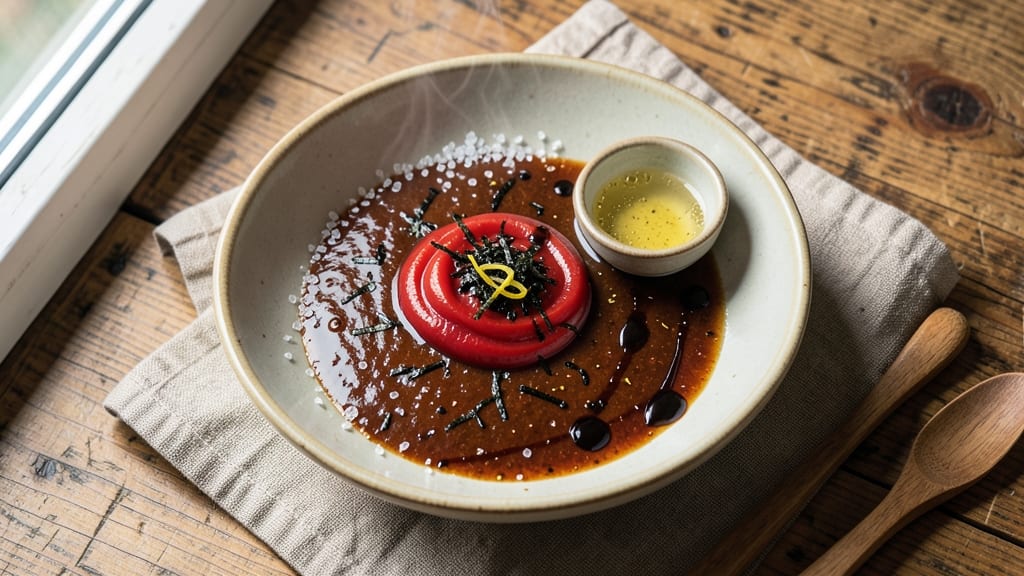
This authentic Japanese tonkatsu sauce transforms crispy pork cutlets into restaurant-quality masterpieces with its signature sweet-tangy balance. The secret lies in the harmony of Worcestershire sauce, mirin, and just the right amount of sugar—creating a glossy, umami-rich glaze that clings perfectly to golden-brown pork.
I developed this recipe after years of perfecting the sauce for my family’s tonkatsu nights, ensuring every drizzle delivers that signature Japanese depth.
The sauce’s magic comes from simmering until thickened just enough to coat without overwhelming the pork’s natural flavors. No artificial ingredients here—just quality ketchup for color, vinegar for brightness, and a touch of sugar to caramelize into a glossy finish.
This isn’t just a dipping sauce; it’s the star that elevates tonkatsu from good to unforgettable, with a texture that’s smooth yet clingy, sweet yet tangy.
What makes this sauce truly authentic is its ability to enhance—not mask—the crispy exterior and tender interior of tonkatsu. The Worcestershire sauce adds that unmistakable umami punch, while mirin brings a subtle sweetness that balances the acidity.
Unlike store-bought versions, this recipe delivers a sauce that’s rich, complex, and ready to drizzle over hot pork in seconds.
Perfect for tonkatsu, but versatile enough for crispy chicken, fried fish, or even as a glaze for roasted vegetables. Once you taste the difference, you’ll never go back to bottled sauces again. Let’s make this sauce—your taste buds will thank you.
Ingredients for authentic japanese tonkatsu sauce
Nine simple ingredients transform into a restaurant-quality tonkatsu sauce with perfect sweet-tangy balance.
| Ingredient | Amount | Notes |
|---|---|---|
| Worcestershire Sauce 🍶 | ½ cup | High-quality, not reduced |
| Mirin 🍶 | ¼ cup | Sweet cooking wine, not dry |
| Ketchup 🍅 | ¼ cup | Heinz or equivalent |
| Rice Vinegar 🍶 | ¼ cup | White or seasoned |
| Granulated Sugar 🍚 | ¼ cup | White or brown sugar |
| Dried Kelp Flakes 🍃 | 1 tbsp | For umami depth (optional) |
| Dried Shitake Mushrooms 🍄 | 1 tbsp | Finely chopped, rehydrated |
| Sesame Oil 🫒 | 1 tbsp | Toasted for aroma |
| Salt 🧂 | ½ tsp | Kosher or sea salt |
The Worcestershire sauce is non-negotiable here—Lee Kum Kee or Hepburn's are my go-tos for that authentic umami punch. Mirin should be sweet, not dry, so Japanese markets or specialty stores carry the best quality. For ketchup, Heinz is a safe bet, but if you're feeling fancy, grab a bottle of Japanese ketchup from an Asian grocery for a deeper flavor. The kelp flakes and shitake mushrooms add that signature Japanese depth—dried works just as well as fresh, and they're shelf-stable for months. If you can't find dried kelp, seaweed snacks in a pinch.
No mirin? Substitute with 1 tbsp sugar plus 1 tbsp dry white wine, but the texture won't be quite the same. Short on ketchup? Tomato paste at half the amount works, but you'll lose that tangy brightness. The sesame oil is all about aroma—toast it in a dry pan for 30 seconds before adding to really wake up those flavors. For a vegetarian version, skip the Worcestershire and use 1 tbsp soy sauce plus 1 tsp mushroom powder. The sugar can be swapped for maple syrup or honey, though granulated gives the cleanest finish. And if you're making a big batch, double the recipe—this sauce keeps like a dream.
This sauce thickens as it cools, so don't stress if it looks too thin while simmering. Store it in an airtight jar in the fridge for up to 3 weeks, or freeze for 6 months. The flavor actually improves over time—let it sit overnight before using for the best results. I like to portion it into small jars so I always have some ready to drizzle over hot tonkatsu. And if you're feeling extra, sprinkle a pinch of toasted sesame seeds on top before serving for that restaurant touch.
Why You'll Love This Recipe
- Pantry Magic: Honestly, I’ll never buy store-bought again. Five ingredients—most of which I already have—and 10 minutes of simmering. That’s it. The mirin and rice vinegar cut through the sweetness just right, so you’re not drowning in syrup.
- Umami Bomb: Between us, the Worcestershire and ketchup combo is chef’s kiss—deep, tangy, with that perfect balance of sweetness. It’s the kind of sauce where the first bite makes you go, “Wait, this is tonkatsu sauce?” and then you’re hooked.
- Double-Duty Sauce: Here’s what sold me—this isn’t just for tonkatsu. Drizzle it over ramen, toss it with fried rice, or even slather it on grilled chicken. My lazy Sundays now involve one pot, multiple meals, and zero extra effort.
- Budget Win: I make a double batch every time because it lasts. The sugar keeps it shelf-stable for weeks, and the cost? A fraction of what I’d pay for a jar of “authentic” sauce. Plus, it’s the kind of thing you’ll use up before it gets boring.
Step-by-step instructions for authentic Japanese tonkatsu sauce
Here's how to create that signature umami-rich glaze that transforms simple pork cutlets into restaurant-quality tonkatsu.
Rehydrate the Umami Boosters
In a small bowl, combine the 1 tablespoon dried kelp flakes and 1 tablespoon dried shitake mushrooms with ½ cup hot water. Let them soak for 10 minutes until fully rehydrated and softened. These ingredients pack serious umami depth that's essential for authentic tonkatsu flavor.
While they soak, I like to gently press the mushrooms with a fork to help break them down—this ensures they'll blend smoothly into the sauce later. The kelp flakes will dissolve completely, adding a subtle oceanic richness that's hard to replicate any other way. Don't skip this step if you want that true Japanese restaurant taste.
Combine the Base Ingredients
In a medium saucepan, whisk together the 0.5 cup Worcestershire Sauce, 0.25 cup mirin, 0.25 cup ketchup, and 0.25 cup rice vinegar. Add the rehydrated kelp and mushroom mixture, pressing to extract all the liquid. The combination should smell complex—sweet, tangy, and deeply savory.
Here's the thing—mirin isn't just sweetener. It contains enzymes that help break down proteins, creating that signature glossy texture in tonkatsu sauce. If you're using a particularly dry ketchup, you might want to add an extra splash of rice vinegar to balance the flavors. Bring the mixture to a gentle simmer over medium heat.
Sweeten and Thicken the Sauce
Gradually whisk in the 0.25 cup granulated sugar while continuing to simmer. The sugar will dissolve quickly, but keep stirring to prevent scorching at the bottom of the pan. You're aiming for a smooth, glossy consistency—not syrupy, but thick enough to coat the back of a spoon.
Simmer for 8-10 minutes until the sauce reduces by about one-third and coats a spoon. You'll know it's ready when it forms a thin but noticeable film on the surface when you dip a spoon in and lift it out. This reduction concentrates the flavors and creates that perfect balance of sweet, tangy, and umami notes.
Finish with Sesame Oil and Season
Remove the pan from heat and stir in the 1 tablespoon sesame oil and 0.5 teaspoon salt. The sesame oil adds a nutty aroma that's essential for authentic tonkatsu sauce. Taste and adjust the seasoning—you might need a touch more salt or sugar depending on your ingredients.
Let the sauce cool slightly before using. The flavors will continue to meld as it cools, developing even more complexity. This sauce keeps well in the refrigerator for up to 2 weeks, so you can make a big batch and use it for multiple tonkatsu sessions. The longer it sits, the better the flavors develop—just reheat gently before using.
Use Immediately for Perfect Tonkatsu
For best results, use the sauce warm over freshly fried pork cutlets. The heat from the tonkatsu will help the sauce melt slightly into the crispy breading, creating that perfect balance of crunchy exterior and tender interior. You'll want about 1-2 tablespoons per cutlet, brushing it on just before serving.
Here's a pro tip: if your sauce seems too thick when you go to use it, simply whisk in 1-2 teaspoons of hot water to reach your desired consistency. The sauce should be glossy enough to coat the cutlets but not so thin that it pools underneath. This umami-rich glaze is what transforms good tonkatsu into extraordinary tonkatsu.
Pro Tips For Making Authentic Japanese Tonkatsu Sauce
- Simmer Low and Slow: I learned this the hard way—boiling tonkatsu sauce turns it into glue. Keep the heat at a bare simmer (small bubbles, just breaking the surface) and stir often. If it gets too aggressive, pull it back to medium-low immediately. You’re not making candy; you’re building depth, not burning sugar.
- Use Real Mirin, Not Substitutes: Cheap cooking mirin or "mirin-like" sauces add a chemical tang that ruins the balance. Splurge on honnō mirin—the real deal with actual alcohol and proper sweetness. If you’re pinched, at least use a mix of dry sherry and sugar (1:1 ratio), but your sauce won’t shine like the authentic version.
- Balance the Vinegar Last: Rice vinegar’s job is to brighten, not overpower. Add it after the sugar fully dissolves and the sauce has thickened slightly. Taste as you go—if it’s too sharp, a pinch of sugar (yes, more) fixes it faster than you’d think. I once dumped all the vinegar upfront and ended up with a sad, tangy mess.
- Reduce the Ketchup First: Don’t just toss in ketchup like it’s an afterthought. Simmer it alone for 2–3 minutes before adding other liquids to mellow its artificial flavors. This step cuts through the cloying sweetness and lets the Worcestershire shine. (Yes, even if your ketchup is "natural"—it still needs this.)
Perfect pairings for this authentic japanese tonkatsu sauce
Tonkatsu's Classic Side
This sauce is the soul of tonkatsu, but it also elevates shredded cabbage salad perfectly. Toss 4 cups shredded cabbage with 2 tbsp rice vinegar, 1 tbsp sesame oil, and 1 tsp sugar, then drizzle with 1-2 tbsp tonkatsu sauce before serving.
The sweet-tangy flavors complement the cabbage's crunch beautifully. 🥬
Crispy Chicken Pairing
Use this sauce as a glaze for fried chicken instead of tonkatsu. Brush it on just before serving to create a glossy finish that contrasts with the crispy coating.
I love pairing it with steamed jasmine rice and pickled vegetables for a full Japanese-inspired meal. The sauce's umami depth cuts through the richness of fried chicken perfectly.
Dipping Sauce for Tempura
While tonkatsu is the star, this sauce also works as a dipping sauce for tempura. Serve it warm in a small bowl alongside your tempura—it adds a sweet contrast to the light, crispy batter.
For extra authenticity, sprinkle toasted sesame seeds on top before dipping. The sauce's thickness makes it ideal for scooping up delicate tempura pieces without falling apart.
Glaze for Grilled Fish
Brush this sauce on grilled white fish like cod or halibut for a Japanese-inspired glaze. The sweetness caramelizes beautifully on the grill, creating a glossy finish that pairs perfectly with the fish's natural flavors.
I recommend grilling at medium-high heat for 4-5 minutes per side—just enough time for the sauce to set without burning.
Dessert Twist: Ice Cream Topping
Yes, you read that right! This sauce makes an unexpected but delicious topping for vanilla ice cream. The sweet-tangy balance works surprisingly well with creamy desserts. Drizzle 1-2 tbsp over a scoop of ice cream and sprinkle with crushed peanuts for texture.
It's a fun way to use up leftovers and introduce your guests to Japanese flavor profiles in a sweet application. 🍦
Beverage Pairings
For a complete tonkatsu experience, pair this sauce with Japanese beer like Asahi Super Dry or Sapporo. The crisp, clean flavors cut through the sauce's richness beautifully.
For a non-alcoholic option, try ramune soda—its sweet-tart profile complements the sauce's complexity. Avoid heavy, malty beers that would overpower the delicate flavors.
Nutrition facts
Frequently asked questions
Can I make tonkatsu sauce without mirin?
Yes, but the texture and flavor will differ slightly. Replace ¼ cup mirin with 1 tbsp sugar + 1 tbsp dry white wine or 1 tbsp honey + 1 tbsp rice vinegar. The sauce will still taste good, but mirin's natural enzymes create that signature glossy finish. For best results, use 1 tbsp sugar + 1 tbsp sake as a closer substitute.
How long does this sauce keep in the fridge?
The sauce stays fresh for up to 3 weeks when stored in an airtight container. For longer storage, freeze it in 1-tablespoon portions for up to 6 months. Thaw overnight in the fridge before using. The flavors actually improve with time, so making a batch ahead is ideal!
Can I use this sauce for other meats besides pork?
This versatile sauce works beautifully on chicken, fish, or even tofu. For chicken, brush it on just before serving to maintain crispiness. For fish, use it as a glaze during the last 2 minutes of grilling. The umami-rich flavors complement all these proteins perfectly.
Why is my tonkatsu sauce too thin?
If your sauce is too thin, simmer it uncovered for an extra 5-10 minutes to reduce the liquid. You can also whisk in 1 tsp cornstarch mixed with 1 tbsp water to thicken it. For a natural approach, let the sauce cool slightly—the consistency often thickens as it sits. Avoid over-simmering, or it may become too concentrated.
What's the secret to making it taste authentic?
The key is balancing the Worcestershire sauce (for umami), mirin (for sweetness), and rice vinegar (for tang). Don't skip the kelp flakes and shitake mushrooms—they add that unmistakable Japanese depth. Simmering until slightly thickened and finishing with sesame oil elevates the flavor to restaurant quality.