
Sauces & Condiments
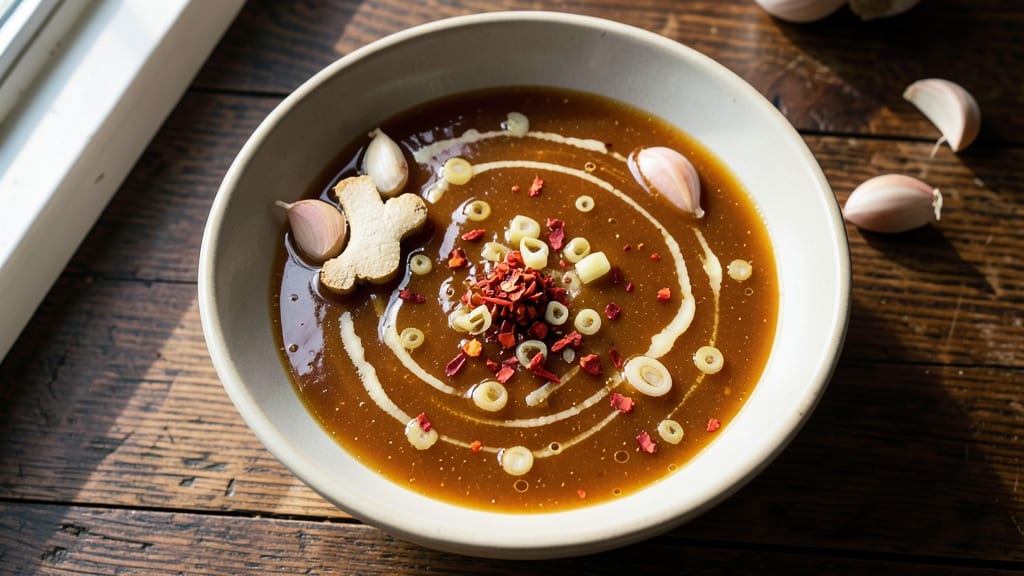
This authentic sweet chili sauce recipe delivers the perfect balance of fermented depth, tangy brightness, and subtle heat that elevates everything from spring rolls to grilled meats.
The secret lies in simmering aromatic shallots and garlic until golden, then blending them with a carefully measured mix of sugar, vinegar, and chili flakes for a sauce that's both complex and foolproof.
Unlike store-bought versions, this recipe builds flavor through slow reduction and natural fermentation, creating a sauce that develops richer notes over time. The process is straightforward—just combine ingredients, simmer until thickened, and blend until silky smooth—but the result is restaurant-quality depth that transforms ordinary dishes into something extraordinary.
What sets this sauce apart is its authentic tangy-sweet profile, where the heat from chili flakes is perfectly balanced by the acidity of rice vinegar and the caramelized sweetness of brown sugar. The sauce thickens beautifully when chilled, making it ideal for dipping, marinating, or drizzling over stir-fries and noodles.
Store it in the refrigerator for up to two weeks, where its flavors will continue to meld and deepen.
Whether you're serving it with fresh spring rolls, grilled pork, or as a glaze for roasted vegetables, this sauce will become your go-to condiment for adding authentic Asian-inspired flavor with minimal effort.
Ingredients for authentic sweet chili sauce
Ten essential ingredients transform into a restaurant-quality sweet chili sauce with authentic depth.
| Ingredient | Amount | Notes |
|---|---|---|
| Shallots 🧅 | ½ cup | Finely minced for aromatic base |
| Garlic Cloves 🧄 | 4 cloves | Peeled and smashed for depth |
| Fresh Ginger 🌿 | ¼ cup | Grated, skin removed |
| Brown Sugar 🍯 | ½ cup | Packed, for caramelized sweetness |
| Rice Vinegar 🍶 | ½ cup | White or seasoned variety |
| Red Chili Flakes 🌶️ | 2 tbsp | Adjust for desired heat level |
| Fish Sauce 🐟 | 1 tbsp | Red Boat brand preferred |
| Extra-Virgin Olive Oil 🫒 | 2 tbsp | For smooth texture and richness |
| Water 💧 | ½ cup | For thinning consistency |
| Salt 🧂 | ½ tsp | Diamond Crystal preferred |
The shallots and garlic form the aromatic foundation—slowly caramelizing them until golden-brown unlocks their full potential. Whole Foods or Asian markets carry the best quality, with shallots often sold in mesh bags for freshness. Fresh ginger should smell vibrant and sharp; avoid any with soft spots or dull color. For the fish sauce, Red Boat is the gold standard—its umami punch elevates the sauce beyond basic versions. The brown sugar isn't just sweetness; it caramelizes during simmering, creating that signature tangy-sweet balance that defines authentic sweet chili sauce.
No rice vinegar? Apple cider vinegar works in a pinch, though it lacks the delicate floral notes. Substitute chili flakes with gochugaru (Korean red pepper flakes) at half the amount for a smoother heat. If you're avoiding fish sauce, soy sauce or coconut aminos provide umami, though the flavor profile shifts slightly. For the olive oil, avocado oil works similarly, but avoid refined versions that lack flavor. The water measurement can be adjusted—add more for a thinner sauce or reduce for a thicker consistency when blending.
This sauce thickens beautifully when chilled, making it ideal for batch prep. Store in an airtight glass jar in the refrigerator for up to two weeks, where its flavors continue to meld. For longer storage, portion into ice cube trays and freeze for up to three months. The sauce's texture improves after 24 hours, so plan ahead—it's worth the wait for that authentic restaurant-quality depth that transforms ordinary dishes into extraordinary ones.
Why You'll Love This Recipe
- Pantry Magic: I swear by this recipe—no specialty ingredients, just shallots, ginger, and a splash of vinegar from my cabinet. The kind of sauce that makes me feel like I’ve actually cooked something impressive, even when I haven’t.
- Sweet Heat Balance: That perfect harmony of brown sugar’s caramel depth and ginger’s bite? It’s the kind of flavor that lingers without overpowering. Honestly, I’ve tried store-bought versions, but this one actually tastes like it belongs in a restaurant—not a jar.
- Dip, Glaze, Repeat: Slather it on spring rolls, drizzle it over grilled chicken, or just eat it with chopsticks. My kids fight over the last spoonful, and my partner keeps “accidentally” leaving the bottle open. (Yes, even on a Tuesday night.)
- Lasts All Week: A single batch stretches across three meals—dinner, lunch, and that one time I forget to pack a snack. Between us, it’s the only condiment I buy less of now. The rice vinegar keeps it fresh, and the sugar prevents mold. Practical? Absolutely.
Step-by-step instructions for authentic sweet chili sauce
This method delivers the complex balance of fermented depth and tangy-sweetness found in traditional Southeast Asian versions.
Build the Aromatic Base
Heat the 2 tablespoons extra-virgin olive oil in a medium saucepan over medium heat until shimmering. Add the 0.5 cup finely minced shallots and cook for 3-4 minutes until completely softened and translucent. The shallots should release their natural sweetness without browning.
Add the 4 smashed garlic cloves and 0.25 cup grated fresh ginger, stirring constantly for 1 minute until fragrant. You'll notice the aroma intensify—this is your signal to proceed. The garlic should be golden around the edges but not burned, as this would impart bitterness to the sauce.
Develop the Sweet-Savory Foundation
Sprinkle the 0.5 cup packed brown sugar over the aromatics and stir to combine. Increase heat to medium-high and cook for 3-4 minutes, stirring frequently, until the sugar begins to caramelize and the mixture turns a deep amber color. This step is crucial for building the sauce's signature sweet depth.
Pour in the 0.5 cup rice vinegar and 1 tablespoon fish sauce, stirring vigorously to deglaze the pan. The mixture will bubble vigorously—let it simmer for 2 minutes until the vinegar's sharpness mellows and the fish sauce's umami integrates completely. You should smell a complex balance of sweet, tangy, and savory notes.
Incorporate Heat and Balance
Reduce heat to medium-low and stir in the 2 tablespoons red chili flakes and 0.5 teaspoon salt. The chili flakes should disperse evenly throughout the mixture, creating a subtle heat that will develop further as the sauce cooks. Taste at this stage—the sauce should be intensely sweet and tangy with a developing heat profile.
Add the 0.5 cup water and bring the mixture to a gentle simmer. Let it cook uncovered for 10-12 minutes, stirring occasionally, until the sauce thickens to a glossy consistency that coats the back of a spoon. The sauce should reduce by about one-third, intensifying all the flavors through concentration.
Refine and Finish
Remove the sauce from heat and let it cool slightly for 5 minutes. The flavors will continue to meld during this resting period, allowing the heat from the chili to develop while the sweetness and acidity balance each other. Taste again and adjust seasoning if needed—add more fish sauce for saltiness, vinegar for tang, or sugar for sweetness.
For a smoother texture, transfer the sauce to a blender or food processor and pulse until completely smooth. Strain through a fine-mesh sieve if you prefer an ultra-refined consistency. The finished sauce should have a glossy sheen and a complex flavor profile that combines sweet, tangy, spicy, and umami elements harmoniously.
Pro Tips For Making Authentic Sweet Chili Sauce
- STIR CONSTANTLY AT FIRST: The first 3 minutes of cooking your shallots and garlic are where flavor or burn happens fastest. Keep your spoon moving—if you walk away even for 30 seconds, you’ll taste bitter char before the sweetness develops. (I learned this after one very burnt batch that smelled like a campfire.)
- PEEL GINGER LIKE A BOSS: Skip the messy peeler—use a chef’s knife. Smash the ginger root with the flat of your knife, then slice off the skin in one long strip. The knife stays sharp, and you waste zero ginger. (Yes, it looks weird, but your sauce will thank you.)
- DON’T DUMP THE VINEGAR ALL AT ONCE: Adding rice vinegar at the end kills the caramelization you just built. Mix half into the simmering sauce first, let it bloom for 30 seconds, then add the rest. The balance of tang and sweetness will actually layer instead of fight.
- GRIND YOUR BROWN SUGAR: Lumpy sugar = uneven texture in your sauce. Pulse it in a food processor for 10 seconds until it’s fine but not powdery. (I used to skip this, and my sauce always felt off—like someone forgot to stir.)
Troubleshooting great authentic sweet chili sauce
Sauce Too Thin?
If your sauce ends up too thin after simmering, simply return it to low heat and cook uncovered for an additional 5-8 minutes, stirring occasionally. The moisture will evaporate, thickening the sauce naturally.
For an instant fix, mix 1 tablespoon cornstarch with 2 tablespoons cold water, stir into the sauce, and simmer for 2 minutes—this works like a slurry thickener. 🌡️
Not Tangy Enough?
The balance of sweet and tang is key—if your sauce lacks acidity, add 1-2 teaspoons more rice vinegar (or apple cider vinegar) and simmer for 1-2 minutes to let the flavors meld.
For a deeper tang, let the sauce sit at room temperature for 30 minutes before blending, as this allows the vinegar's acidity to develop further. Avoid overcorrecting, as too much vinegar can overwhelm the sweetness.
Heat Too Strong?
If the chili heat feels overwhelming, reduce it by blending in 1 teaspoon honey or brown sugar to balance the spice. For a smoother heat profile, strain the sauce through a fine-mesh sieve to remove some of the chili flakes.
If you prefer milder heat, next time use 1 tablespoon chili flakes instead of 2 tablespoons—this subtle adjustment makes a big difference without sacrificing depth. 🌶️
Sauce Too Sweet?
To balance excessive sweetness, add 1-2 teaspoons more rice vinegar and simmer for 1-2 minutes to let the acidity cut through. For a more complex flavor, stir in ½ teaspoon fish sauce to add umami depth, which naturally counteracts sweetness.
If the sauce is already blended, taste and adjust gradually—adding too much vinegar at once can make the sauce taste harsh.
Fermentation Issues?
If your sauce develops an off smell (like sour milk or ammonia), it’s a sign of bacterial fermentation gone wrong. This usually happens if the sauce sits at room temperature too long before refrigeration. To prevent this, always refrigerate the sauce within 2 hours of cooking.
For a safer approach, store it in an airtight glass jar in the fridge, where it will continue fermenting gently and safely for up to 2 weeks.
Grainy Texture?
A grainy texture often means the shallots or garlic weren’t cooked long enough to soften. Next time, cook the shallots for an extra 1-2 minutes until fully translucent before adding garlic. For a smoother sauce, blend it for 30-60 seconds after adding water, ensuring all ingredients are fully emulsified.
If blending doesn’t help, strain the sauce through a fine-mesh sieve** for a silky finish. 💫
Nutrition facts
Frequently asked questions
Can I make this sauce without fish sauce?
Yes, but the flavor will shift slightly. Replace the 1 tablespoon fish sauce with 1 tablespoon soy sauce or coconut aminos for umami depth. For a more authentic alternative, use ½ teaspoon soy sauce + ½ teaspoon oyster sauce—this combo mimics fish sauce's complexity while keeping the sauce vegetarian-friendly. The sauce will still taste delicious, just with a different savory profile.
How spicy should the finished sauce be?
The recipe balances heat with sweetness and tang, resulting in a mild-to-medium heat that's noticeable but not overwhelming. For reference, the 2 tablespoons chili flakes provide a subtle kick—think of it as the heat you'd expect in a good Asian takeout sweet chili sauce. If you prefer milder heat, reduce to 1 tablespoon chili flakes next time. For extra heat, add ½ teaspoon cayenne pepper when blending.
Can I use this sauce as a marinade?
This sauce makes an excellent marinade for grilled meats, shrimp, or tofu. Use it undiluted for 15-30 minutes of marinating time (longer for tougher cuts like pork shoulder). For extra tenderness, add 1 teaspoon cornstarch to thicken it slightly before applying. The sweetness caramelizes beautifully on the grill, creating a sticky, flavorful crust. Just avoid marinating acidic ingredients like citrus for more than 30 minutes to prevent texture breakdown.
Why does my sauce separate when refrigerated?
This happens when the oil and water components aren't fully emulsified. To fix it, gently reheat the sauce over low heat while whisking continuously until smooth. For prevention, blend the sauce again after chilling or add ½ teaspoon xanthan gum when making it to improve stability. The sauce should thicken naturally when cold—if it's watery, simmer it uncovered for 5-8 minutes to reduce moisture.
What's the best way to store leftover sauce?
Transfer to an airtight glass jar and refrigerate for up to 2 weeks, where flavors deepen over time. For longer storage, portion into ice cube trays and freeze for up to 3 months. Thaw overnight in the fridge—never at room temperature. The sauce's texture improves after 24 hours of resting, so plan ahead for the best flavor. Pro tip: Label with the date to track freshness!