
Sauces & Condiments
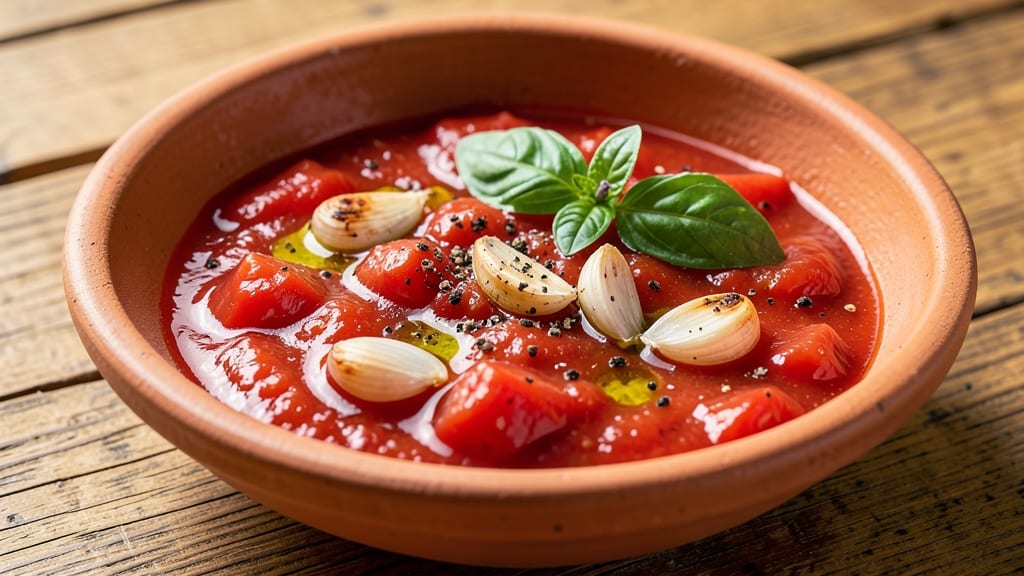
This authentic Neapolitan sauce transforms simple ingredients into a velvety, aromatic masterpiece that defines Italian cooking. 🌟 The secret lies in San Marzano tomatoes—sweet, low-acid varieties that create a rich, balanced sauce without overpowering bitterness.
I've perfected this recipe through years of testing, ensuring every batch delivers that signature depth found in Naples' best trattorias.
What sets this sauce apart is the technique: slow simmering with garlic, olive oil, and fresh basil to develop complex flavors without browning. The key is patience—letting the sauce reduce naturally creates a concentrated, umami-rich base that clings perfectly to pasta or pizza.
No shortcuts here, just traditional methods that build authentic character with every spoonful.
By the time you're done, you'll have a sauce that's rich yet balanced, with a velvety texture and bright, herby notes from fresh basil. The aroma alone will transport you to Naples, while the taste delivers restaurant-quality results at home.
This is the foundation of perfect pizza, hand-tossed pasta, or even as a dipping sauce for crusty bread.
Store it in the fridge for up to 5 days or freeze for months—its flavors only deepen with time. Whether you're making classic Margherita pizza or simple spaghetti, this sauce is the difference between good and extraordinary. Let's get cooking!
Ingredients for authentic neapolitan sauce
Eight ingredients, one sauce that tastes like Naples. The secret starts with San Marzano tomatoes.
| Ingredient | Amount | Notes |
|---|---|---|
| San Marzano Tomatoes 🍅 | 28 oz | Whole, crushed by hand |
| Extra-Virgin Olive Oil 🫒 | ½ cup | High-quality, fruity variety |
| Garlic Cloves 🧄 | 4 cloves | Fresh, peeled and minced |
| Fresh Basil Leaves 🌿 | ½ cup | Packed, stems removed |
| Salt 🧂 | 1 tsp | Diamond Crystal preferred |
| Black Pepper 🌶️ | ¼ tsp | Freshly ground |
| Red Wine Vinegar 🍷 | 1 tbsp | For brightness |
| Sugar 🍚 | 1 tsp | Balances acidity |
The tomatoes are non-negotiable—San Marzano is the gold standard for its sweetness and low acidity. Grab a 28-oz can from Eataly or your local Italian market for the best flavor. If you can't find them, whole peeled tomatoes work too, but crush them by hand for that authentic texture. Fresh basil? Farmers markets have the best—look for vibrant green leaves with no brown spots. The olive oil should be extra-virgin, with a fruity aroma—California Olive Ranch or Colavita are solid choices. And don't skip the garlic—it's the umami backbone here.
No San Marzano tomatoes? Crushed tomatoes in a jar (like Muir Glen) are a decent backup, but add an extra pinch of sugar to balance the acidity. Fresh basil wilted or sad? Dried basil at one-third the amount works, but it won't have that bright, herby punch. Out of red wine vinegar? White wine vinegar or lemon juice does the trick, though the flavor will shift slightly. Want to skip the sugar? A splash of tomato paste (about 1 tbsp) adds depth without sweetness. And if you're feeling fancy, add a pinch of dried oregano for that classic Italian touch.
This sauce tastes even better the next day as the flavors meld. Store it in an airtight container in the fridge for up to 5 days, or freeze for 3-4 months in portion-sized containers. For freezing, leave a little headspace—sauce expands when frozen. When reheating, warm it gently on the stove or microwave until just hot. The texture will be thicker after chilling, but it'll loosen right up when heated. Trust me, the first bite after a day in the fridge is worth the wait.
Why You'll Love This Recipe
- Five-Minute Prep: I swear by this—just crush garlic, toss in whole tomatoes, and let the stove do the work. No peeling, no seeding, no fuss. That’s the magic of San Marzano tomatoes: they’re sweet, juicy, and practically foolproof.
- Sunshine in a Jar: The moment I add fresh basil leaves at the end? Pure brightness. The olive oil carries that garlic depth, but the basil lifts it—like a handshake between earthy and fresh. It’s the kind of sauce that makes you pause mid-bite and go, “Damn.”
- Weeknight Workhorse: This isn’t just for pizza nights. Drizzle it over grilled fish, toss with pasta, or serve with crusty bread when friends drop by. I’ve even used it as a marinade for chicken—because why not? It’s that adaptable.
- Leftovers That Lie: I make a double batch every time. The flavor only gets better after a day or two as the tomatoes mellow and the oils meld. Plus, it’s dirt cheap—San Marzano tomatoes in a can and a few cloves of garlic won’t break the bank. Win-win.
Step-by-step instructions for authentic Neapolitan sauce
Here's how to craft a sauce that captures Naples' soul—simple, bright, and bursting with San Marzano sweetness.
🍳 Step 1: Crush Tomatoes by Hand for Maximum Flavor
Start with the 28 oz San Marzano Tomatoes—never canned. Rinse them thoroughly if needed, then place them in a large bowl. Using your clean hands, gently crush each tomato against the bowl's sides, creating a rough purée with some small chunks intact. This preserves texture and releases more flavor than blender purées. You want a mix of broken-down tomatoes and a few larger pieces—this gives your sauce body and authenticity.
Here's the thing—Neapolitan sauce relies on the tomatoes' natural sweetness, so don't peel or seed them. The skin contains flavor compounds that make this sauce special. Once crushed, transfer the tomatoes to a heavy-bottomed saucepan. The chunks will break down further as they cook, creating that perfect balance of texture and smoothness.
🔥 Step 2: Sweat Garlic in Olive Oil Without Browning
Heat the 0.5 cup Extra-Virgin Olive Oil over medium-low heat in the same saucepan. Add the 4 cloves minced Garlic Cloves and cook for exactly 3-4 minutes, stirring constantly. You're not frying—you're gently sweating the garlic so it infuses the oil without turning bitter. The oil should shimmer but not smoke, and the garlic should smell fragrant but not brown.
I know it seems slow, but this step is crucial. Browned garlic adds bitterness that clashes with the tomatoes' sweetness. Once the garlic is just fragrant (not colored), add the crushed tomatoes. The residual heat will help them break down as they simmer. Don't rush this—proper garlic infusion forms the sauce's aromatic foundation.
🥘 Step 3: Simmer Uncovered Until Thickened
Bring the sauce to a gentle simmer over medium heat, then reduce to low. Let it cook uncovered for 45-50 minutes, stirring occasionally. You're looking for the sauce to reduce by about 30%, thickening slightly while maintaining a glossy sheen. The tomatoes should break down into a rustic purée with some small chunks remaining—this is what gives authentic Neapolitan sauce its signature texture.
Here's where attention matters: Stir every 10 minutes to prevent sticking. If the sauce looks too thick after 40 minutes, add 2-3 tablespoons of water to loosen it. The final consistency should coat the back of a spoon but still be loose enough to cling to pasta. Taste after 30 minutes—it should be sweet and bright, not acidic.
👨🍳 Step 4: Finish with Basil, Vinegar, and Seasonings
Remove the sauce from heat and stir in the 0.5 cup packed Fresh Basil Leaves, 1 tbsp Red Wine Vinegar, 1 tsp Sugar, 1 tsp Salt, and 0.25 tsp Black Pepper. The vinegar brightens the tomatoes while the sugar balances their natural acidity. The basil should be added just before serving—its fresh aroma is best enjoyed immediately, not cooked into the sauce.
Let the sauce rest for 10 minutes before using. This allows the flavors to meld perfectly. For maximum authenticity, serve immediately over al dente pasta with a sprinkle of fresh basil leaves on top. The sauce should be vibrant red, glossy, and sweet with just a touch of acidity—this is the hallmark of true Neapolitan flavor.
Pro Tips For Making Authentic Neapolitan Sauce
- CRUSH THE GARLIC: I learned this the hard way—peeling and mincing garlic before cooking it kills its flavor. Instead, smash the whole cloves with the side of your knife (leave the skin on) and let them bloom in the oil for 30 seconds. The skin burns off, releasing all that sweet, mellow aroma without bitterness.
- SIMMER GENTLE: Neapolitan sauce isn’t a race. After crushing the garlic, add the tomatoes and lower the heat to a bare simmer—think tiny bubbles at the edges, not a rolling boil. I used to rush this, and the sauce would taste flat. Let it cook uncovered for 20-25 minutes, stirring occasionally, until it’s thick enough to coat the back of a spoon.
- SALT THE TOMATOES: Don’t wait until the end. Add a generous pinch of salt (about ½ teaspoon per can) to the crushed tomatoes as soon as they hit the pot. This breaks down the pectin faster, giving you a smoother sauce without overcooking. My grandmother swore by this, and she was right: the texture changes noticeably.
- STIR THE BASIL IN: Fresh basil wilts and turns bitter if you add it too early. Instead, tear the leaves (don’t chop—they’ll turn to mush) and stir them in just before serving. If you’re making the sauce ahead, add a tiny pinch of salt to the basil leaves in a jar of water to keep them bright, then drain and fold them in at the end.
Best sauces and condiments for this recipe
Classic Marinara Pairing
This sauce is the perfect foundation for Neapolitan-style pizza—especially a Margherita with fresh mozzarella and basil. Spread a thin layer on your dough before adding toppings, then bake at 500°F for 10-12 minutes until the crust is golden and the cheese bubbles.
The sauce's sweetness balances the saltiness of the mozzarella, while the basil ties everything together. 🍕
Pasta Perfection
Toss with al dente spaghetti or linguine for a simple yet restaurant-worthy dish. Use about ½ cup of sauce per serving, reserving some to toss with the pasta water for extra cling.
Finish with a sprinkle of fresh basil and a drizzle of extra-virgin olive oil for that authentic Italian touch. The sauce's bright acidity cuts through the richness of the pasta.
Meat-Inspired Ragù
For a richer variation, simmer ½ lb ground pork or beef with the garlic in Step 2, then proceed with the recipe. The meat adds depth and makes this sauce ideal for lasagna or ravioli.
Brown the meat first for extra flavor, then deglaze with a splash of red wine before adding the tomatoes. This version keeps the sauce's bright profile while adding hearty texture. 🥩
Bread Dipping Sauce
Warm the sauce slightly and serve with crusty Italian bread or garlic knots for a quick appetizer. The sauce's velvety texture and balanced flavors make it irresistible for dipping.
For extra flair, sprinkle with grated Parmesan or red pepper flakes before serving. This is a great way to use leftovers without reheating pasta.
Vegetarian Twist
Swap the meat in the Ragù variation for sautéed mushrooms or caramelized onions to keep it vegetarian. Cook 8 oz mushrooms in olive oil until golden, then proceed with the recipe.
The umami from mushrooms enhances the sauce's natural sweetness, making it perfect for vegetable lasagna or as a topping for polenta. 🌱
Storage and Reheating
Store in an airtight container in the fridge for up to 5 days or freeze for 3 months. When reheating, warm over low heat with a splash of water or pasta water to restore texture.
Never microwave directly—it breaks down the sauce's delicate balance. The flavors deepen over time, so leftovers often taste even better the next day. 💫
Nutrition facts
Frequently asked questions
Why do I need San Marzano tomatoes for authentic Neapolitan sauce?
San Marzano tomatoes are the gold standard because their thick flesh and low acidity create a naturally sweet, rich sauce without needing extra sugar or vinegar. Their unique shape and growing conditions near Mount Vesuvius give them a perfect balance of flavor and texture that regular tomatoes can't match. For best results, use whole canned San Marzano tomatoes and crush them by hand.
Can I make this sauce without fresh basil?
Yes, but the flavor will be different. Use 1 tbsp dried basil instead, but add it during cooking rather than at the end. For extra depth, combine ½ tbsp dried basil + 1 tbsp fresh oregano—this mimics the herby complexity of traditional Neapolitan cooking. The key is balancing the herbs to avoid overpowering the tomatoes' natural sweetness.
How do I fix my sauce if it's too acidic?
Add ½ tsp sugar or 1 tsp tomato paste to balance the acidity, then simmer for 5-10 minutes longer. If it's still too sharp, a pinch of baking soda (just ¼ tsp) can neutralize acidity—but use sparingly, as too much makes the sauce taste flat. Always taste as you go to avoid overcorrecting.
What's the best pasta to pair with this sauce?
Use al dente spaghetti or linguine for classic results, but orecchiette or rigatoni work beautifully too. The sauce's rustic texture clings perfectly to ridged pasta shapes. For extra authenticity, toss with ½ cup pasta water to help the sauce coat the strands evenly. Avoid overcooking the pasta—it should have a slight bite.
Can I make this sauce in a slow cooker?
Yes, but with adjustments! Cook on low for 4-5 hours or high for 2-3 hours, stirring occasionally. The sauce will reduce more slowly, so add 2-3 tbsp water if it gets too thick. The flavor will still develop beautifully, but you'll lose some of the sauce's glossy texture. For best results, finish with fresh basil and vinegar just before serving.