
Sauces & Condiments
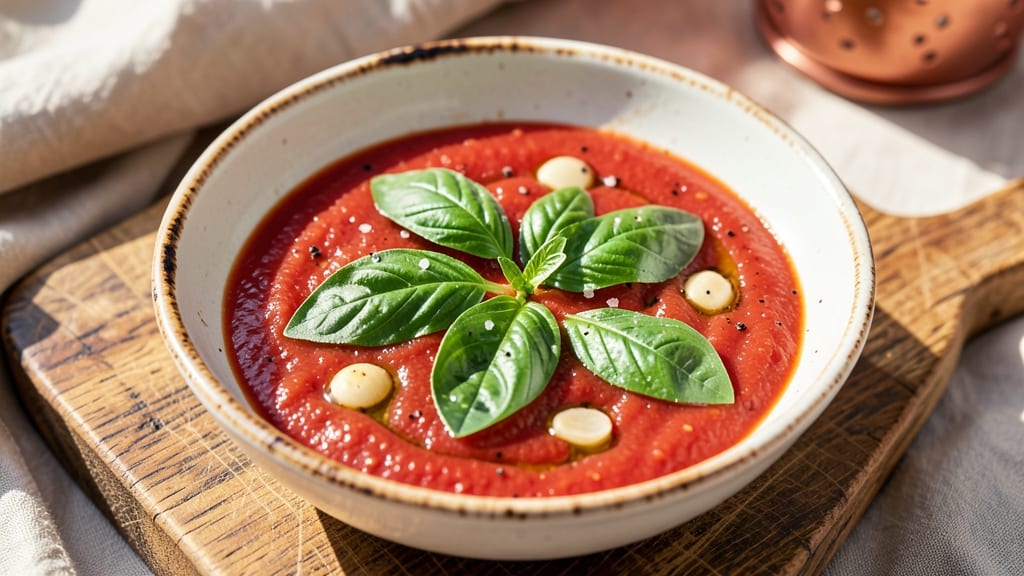
This authentic Margherita pizza sauce recipe captures the essence of Neapolitan tradition in every spoonful—where sweet San Marzano tomatoes, fresh basil, and quality olive oil create a balanced sauce that lets the simple ingredients shine. The key lies in reducing the sauce just enough to concentrate the natural sweetness while preserving vibrant acidity, ensuring it complements—rather than overpowers—the fresh mozzarella and basil on your pizza.
What sets this sauce apart is its simplicity and precision. No sugar or additives are needed when using ripe, high-quality tomatoes; the natural sweetness emerges through gentle simmering. The garlic infuses subtle depth without bitterness, while fresh basil added at the end preserves its bright, aromatic qualities.
This is the sauce that makes Margherita pizza taste like it came straight from Naples.
By the time you're done, you'll have a smooth, velvety sauce with just the right balance of sweetness and acidity—perfect for spreading on pizza dough before adding mozzarella and basil.
The texture is ideal: thick enough to stay put during baking but still spreadable, ensuring every bite of your pizza delivers that authentic Neapolitan flavor profile.
Use this sauce as the foundation for your homemade Margherita pizza, or store it in the fridge for up to 5 days. The flavors only deepen over time, making it a versatile addition to any Italian meal. Let's create this classic sauce together.
Ingredients for authentic margherita pizza sauce
Eight essential ingredients transform into Neapolitan perfection—just tomatoes, basil, and olive oil do the heavy lifting.
| Ingredient | Amount | Notes |
|---|---|---|
| San Marzano Tomatoes 🍅 | 28 oz | Canned, whole or crushed, no salt added |
| Extra-Virgin Olive Oil 🫒 | ¼ cup | High quality, fruity, not bitter |
| Fresh Basil Leaves 🌿 | ½ cup | Packed, stems removed, vibrant green |
| Garlic Cloves 🧄 | 3 cloves | Fresh, peeled, minced fine |
| Sea Salt 🧂 | ½ tsp | Diamond Crystal preferred |
| Black Pepper 🌶️ | ¼ tsp | Freshly ground, coarse |
| Balsamic Vinegar 🍷 | 1 tbsp | Aged, for brightness |
| Sugar 🍯 | ½ tsp | Optional, only if tomatoes lack sweetness |
San Marzano tomatoes are non-negotiable here—their natural sweetness and low acidity make all the difference. Look for high-quality canned tomatoes from Italian markets or specialty stores like Eataly or Whole Foods. The San Marzano DOP label guarantees quality. Fresh basil should be bright green and fragrant—avoid wilted leaves. For olive oil, Californian or Italian extra-virgin brands like Colavita or Bertolli work beautifully. The garlic should be fresh, not dried, and minced finely to avoid bitterness. If you can't find San Marzano, San Marzano-style tomatoes are a decent backup, but avoid regular canned tomatoes—they're often watery and bland.
No San Marzano tomatoes? High-quality crushed tomatoes work in a pinch, but add 1/4 tsp sugar to balance acidity. Fresh basil is ideal, but dried basil at 1/4 the amount gets you close—though it won't have the same bright flavor. For garlic, garlic powder at half the amount is a substitute, but fresh is worth it. The balsamic vinegar adds depth—substitute with lemon juice if you're out, but it won't be the same. If your tomatoes are particularly tart, reduce the balsamic to 1 tsp and add a pinch more sugar. The olive oil can be swapped for avocado oil, but extra-virgin is best for that authentic flavor.
This sauce keeps beautifully—5-7 days in the fridge or 6 months in the freezer. For freezing, portion into ice cube trays and store in a sealed bag. The flavors actually deepen over time, so it's perfect for batch cooking. If you're making pizza, bring the sauce to room temperature before using—it spreads better and won't cool your dough. Leftovers can be reheated gently on the stove or in the microwave, but never boil—it'll break the delicate balance of flavors.
Why You'll Love This Recipe
- No-Cook Shortcut: I crush a few San Marzano tomatoes by hand—no blender, no fuss—then let them sit while I chop garlic. Honestly, the hardest part is waiting for the basil to ripen.
- Garlic-Basil Magic: That first bite of warm, salty tomato with fresh basil and just a whisper of garlic? It’s the kind of flavor that makes you pause mid-slice. No heavy cream, no weird spices—just pure, bright Italian goodness.
- Pantry-to-Party Ready: Make a big batch on Sunday, store it in jars, and you’ve got sauce for pizza nights, bruschetta, or even a quick pasta. My college roommate and I lived on this stuff—it’s that reliable.
- Dollar Stretcher: San Marzano tomatoes cost more upfront, but one jar lasts me weeks. A single clove of garlic and a handful of basil turn this into a budget-friendly staple that still tastes like a trattoria. (Yes, even on a Tuesday night.)
Step-by-step instructions for authentic Margherita pizza sauce
Here's the method that delivers restaurant-quality Neapolitan flavor every time.
Prepare and Simmer the Tomatoes
Open the 28 oz San Marzano Tomatoes and transfer them to a medium saucepan. I like to crush them lightly with my hands first—this helps break down the skins while preserving their natural sweetness. Add the 0.25 cup Extra-Virgin Olive Oil and bring to a gentle simmer over medium heat.
Let the tomatoes cook uncovered for about 15 minutes, stirring occasionally. You're looking for them to reduce slightly and develop a rich, concentrated tomato flavor. The sauce should be thick enough to coat the back of a spoon but still maintain a velvety texture. This slow reduction is what creates that authentic Neapolitan depth without overpowering the other ingredients.
Add Aromatics and Seasonings
While the tomatoes simmer, add the 3 cloves Garlic Cloves and let them cook for 1 minute until fragrant—don't let them brown or they'll turn bitter. Stir in the 0.5 tsp Sea Salt and 0.25 tsp Black Pepper, then add the 1 tbsp Balsamic Vinegar. The vinegar brightens the tomato flavor and adds a subtle tang that's essential in authentic Margherita sauce.
If you're using the 0.5 tsp Sugar, add it now. This is optional but recommended if your tomatoes taste particularly tart. The sugar helps balance the acidity and enhances the natural sweetness of the San Marzano variety. Let the sauce simmer together for another 5 minutes, allowing all the flavors to meld.
Incorporate Fresh Basil
Remove the sauce from heat and let it cool for 2-3 minutes. Then, using a slotted spoon, add the 0.5 cup Fresh Basil Leaves, gently stirring them into the sauce. I like to tear the basil leaves by hand rather than chopping them—they retain more flavor and aroma this way. The basil should wilt slightly but still be visible throughout the sauce.
This is where the magic happens—the basil's fresh, bright flavor transforms the sauce from good to extraordinary. Don't skip this step or use dried basil—it won't deliver that authentic Neapolitan taste. Let the sauce sit off heat for 5 minutes to allow the basil to infuse completely. The sauce should have a vibrant red color with visible basil specks and a balanced flavor profile that's sweet, tangy, and herbaceous.
Adjust Consistency and Finish
Taste the sauce and adjust seasoning if needed. You might need a touch more salt or a splash of water to reach your desired consistency. For pizza sauce, it should be thick enough to cling to the dough but still spread easily. If it's too thick, add water 1 tablespoon at a time until you reach the perfect consistency.
Transfer the sauce to a clean jar or container and let it cool completely before using. This sauce keeps well in the refrigerator for up to 5 days, allowing you to build up a supply for future pizza nights. The flavors will deepen as it sits, making it even more delicious when you're ready to use it.
Pro Tips For Making Authentic Margherita Pizza Sauce
- Crank Heat High First: I learned this the hard way—starting on medium heat with San Marzano tomatoes turns your sauce into a sad, watery mess. Get that pan screaming hot for 30 seconds before adding the crushed tomatoes, then immediately drop to low. The initial burst drives off excess moisture fast, so you’re left with concentrated flavor, not a soup.
- Crush Garlic Like You Mean It: Whole cloves burn and leave bitter bits; minced garlic cooks too fast and disappears. Use a flat side of your knife to smash 2-3 cloves into a paste right in the pan—this releases their oils without turning them to ash. Let it sizzle for 20 seconds until fragrant but not golden, then add the tomatoes. (Yes, even if you’re impatient like me.)
- Strain the Tomato Juice: After simmering, pour the sauce through a fine-mesh sieve to remove skins and seeds. It’s not the prettiest method, but it works—your sauce will be silky smooth instead of speckled with pulp. No strainer? Line a colander with cheesecloth and press gently. (Your future self will thank you.)
- Salt in Stages: Dumping all the salt at once makes the sauce taste flat. Instead, add half the sea salt with the tomatoes, then taste and adjust after 10 minutes of simmering. The acidity mellows, and you’ll catch any dullness before it’s too late. (Pro move: Use flaky salt like Maldon for that final sprinkle on pizza.)
Common mistakes when making this dish
Overcooking the Tomatoes
I’ve seen so many cooks let this sauce boil vigorously, thinking it’ll make it thicker faster. But boiling burns off the delicate tomato flavors and turns the sauce bitter. Keep your heat at a gentle simmer—you should see small bubbles forming, but not a rolling boil.
The sauce should reduce slowly over 15-20 minutes, not in 5 minutes with aggressive heat. 🔥
Skipping the Basil Infusion
Adding fresh basil at the end is non-negotiable for authentic flavor. If you toss it in while the sauce is still hot, it’ll turn to mush and lose its bright aroma. Let the sauce cool slightly first, then stir in the basil leaves.
For even better results, tear the leaves by hand instead of chopping—this preserves their essential oils and keeps them visible in the sauce.
Using Low-Quality Tomatoes
This is where most homemade sauces fail. San Marzano tomatoes are the gold standard because of their natural sweetness and low acidity. If you substitute with regular canned tomatoes, your sauce will taste flat and watery.
Look for the DOP (Protected Designation of Origin) label on the can—it guarantees quality. No shortcuts here!
Over-Salting Early
It’s tempting to salt the sauce right away, but tomatoes release water as they cook, which dilutes the salt. Instead, add just ½ tsp salt at the beginning and taste as you go.
You can always add more later, but you can’t take it out. I’ve ruined a sauce or two by over-salting too soon—trust me, patience pays off. 🧂
Ignoring the Sugar Balance
If your tomatoes taste tart, a tiny pinch of sugar (½ tsp) helps balance the acidity without making the sauce sweet. But here’s the mistake: some cooks add too much sugar, turning the sauce cloying.
Start with just a pinch, taste, and adjust. The goal is to enhance the natural sweetness, not mask it.
Not Letting It Rest
After adding basil, let the sauce sit off the heat for 5 minutes before using. This lets the flavors meld completely. Skipping this step means your pizza will taste like separate ingredients rather than a cohesive sauce. Patience here makes all the difference—it’s worth the wait! ⏳
Nutrition facts
Frequently asked questions
Can I make this sauce without San Marzano tomatoes?
You can try, but the flavor won't be authentic. For a substitute, use high-quality crushed tomatoes and add ¼ tsp sugar to balance acidity. The sauce will still work, but it won't have that signature Neapolitan sweetness. If you're committed to authenticity, seek out San Marzano DOP cans—they're worth the investment!
How do I know when the sauce is reduced enough?
Your sauce is ready when it coats the back of a spoon smoothly but still spreads easily. It should take about 15-20 minutes of gentle simmering. If it's too thick, add water 1 tablespoon at a time. The key is patience—don't rush the reduction or you'll lose flavor!
Can I make this sauce ahead of time?
This sauce actually tastes better after resting. Store it in the fridge for up to 5 days or freeze it in ice cube trays for 6 months. Let it come to room temperature before using—it spreads better on pizza dough when warm. The flavors deepen over time, so making a batch ahead is a great idea!
Why does my sauce taste bitter?
Overcooking or using low-quality tomatoes are the most common causes. Keep heat at a gentle simmer and use only San Marzano tomatoes. If you accidentally overcook it, stir in ½ tsp sugar and 1 tsp balsamic vinegar to balance the bitterness. Prevention is key—watch your heat carefully!
Can I use dried basil instead of fresh?
Fresh basil is essential for that authentic Neapolitan flavor. If you must use dried, use ¼ cup (about ¼ the amount) and add it while the sauce simmers. However, dried basil lacks the bright aroma and vibrant color that fresh basil provides. For the best results, always use fresh!