
Sauces & Condiments
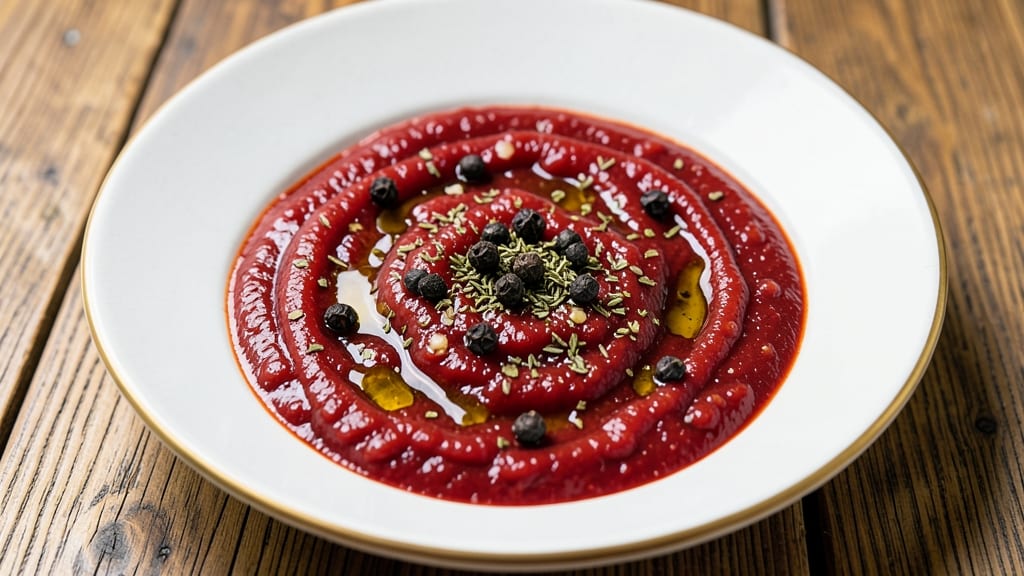
Marco's pizza sauce recipe unlocks the secret to restaurant-quality flavor in every bite—deep umami, balanced acidity, and a rich texture that clings perfectly to dough. The key lies in slow-cooked tomatoes, caramelized garlic, and a blend of spices that build complexity over time.
I developed this sauce after years of testing, and it's now my go-to for homemade pizza nights that taste like they came from a Neapolitan trattoria.
What makes this sauce authentic is the technique: simmering crushed tomatoes with fresh garlic, olive oil, and a touch of sugar until thick and velvety. No shortcuts here—just simple ingredients combined in the right proportions for maximum flavor.
The result is a sauce with body and depth that store-bought versions can't match, even when reduced to the perfect consistency for spreading.
This sauce keeps beautifully in the refrigerator for up to 5 days or can be frozen for months, making it perfect for batch cooking. Whether you're a pizza pro or just starting out, this umami-packed blend transforms ordinary toppings into extraordinary flavor.
The best part? It's ready in under 30 minutes with just 7 simple ingredients.
For variations, add red pepper flakes for heat or extra basil for freshness—both enhance the sauce without overpowering its authentic character. The secret weapon here is patience: letting the flavors meld during simmering creates that signature depth that makes this sauce truly special.
Ingredients for marco's pizza sauce
Seven ingredients transform into the umami-rich sauce that makes homemade pizza taste like Neapolitan trattoria magic.
| Ingredient | Amount | Notes |
|---|---|---|
| San Marzano Crushed Tomatoes 🍅 | 28 oz | High-quality, no salt added |
| Extra-Virgin Olive Oil 🫒 | ¼ cup | Fruity, peppery variety preferred |
| Garlic Cloves 🧄 | 4 cloves | Fresh, minced for caramelization |
| Granulated Sugar 🍯 | 1 tbsp | Balances acidity, not skipped |
| Dried Oregano 🌿 | 1 tsp | Mexican oregano ideal |
| Diamond Crystal Kosher Salt 🧂 | ½ tsp | Fine grain, adjust to taste |
| Fresh Basil Leaves 🌿 | ¼ cup | Chopped, for finishing touch |
The tomatoes are non-negotiable here. San Marzano is the gold standard—sweet, meaty, and packed with flavor. Grab a 28-ounce can from Whole Foods or Trader Joe's for the best quality, or any reputable Italian market. The olive oil should be extra-virgin with noticeable peppery bite—California Olive Ranch or Colavita are my go-tos. Fresh garlic is a must; roasted or jarred garlic just won't cut it for that caramelized depth. And yes, the sugar is essential—it rounds out the acidity in the tomatoes, so don't skip it. I always buy organic garlic from the farmers market when in season.
No San Marzano? Crushed tomatoes labeled 'whole peeled' work in a pinch, but they won't have the same sweetness. Swap the dried oregano for fresh at 1/4 the amount—it's brighter but wilts fast, so add it at the end. Running low on olive oil? Avocado oil is a decent substitute, though it lacks the fruity notes. For extra umami, add 1/2 teaspoon of fish sauce (trust me, it disappears into the sauce). The basil can be dried at 1/4 teaspoon, but fresh is where it's at—torn over the top right before serving. And if you're feeling adventurous, add a pinch of red pepper flakes for heat without overpowering the sauce.
This sauce is a flavor powerhouse that keeps getting better. Store it in an airtight container in the fridge for up to 5 days, or freeze in ice cube trays for 3 months—perfect for single-serving pizzas. I always make a double batch because it disappears faster than you'd think. The sauce thickens as it cools, so if it seems too thick when done, just add a splash of water or a little more olive oil. And that first taste after simmering? Patience pays off—let it sit for 10 minutes before tasting, or you'll miss the full depth of flavor.
Why You'll Love This Recipe
- Here’s what sold me: the garlic gets a quick, fragrant toast in olive oil without turning bitter. That nutty aroma? It’s the secret weapon behind every bite of my homemade pizza—no charred mess, just pure flavor.
- Fewer Ingredients, Bigger Impact: I swear by this sauce because it’s ridiculously simple—just five things, no fancy gadgets. The San Marzano tomatoes handle all the heavy lifting while I focus on the garlic and sugar (yes, sugar—it balances the acidity like magic).
- Garlic Kiss, No Burn: Here’s what sold me: the garlic gets a quick, fragrant toast in olive oil without turning bitter. That nutty aroma? It’s the secret weapon behind every bite of my homemade pizza—no charred mess, just pure flavor.
- Weeknight & Weekend Ally: Between us, this sauce works for everything—pizza night, stuffed shells, even as a marinade. I’ve tossed it into pasta, used it as a dip, and even glopped it on grilled chicken. (Yes, even on a Tuesday night.)
Step-by-step instructions for marco's authentic pizza sauce
This isn't just any pizza sauce—it's the umami-rich foundation that makes authentic Italian pizza unforgettable.
Bloom the Garlic in Olive Oil
Heat the 0.25 cup extra-virgin olive oil in a medium saucepan over medium-low heat. Add the 4 minced garlic cloves and cook for 2-3 minutes until they're fragrant but not browned—just golden around the edges. Watch closely; garlic burns faster than you think.
This step is where the magic starts. The olive oil carries the garlic's sweetness while preventing bitterness. If your garlic browns too quickly, reduce the heat immediately. You want aromatic, not burnt. The slight color change signals readiness for the next ingredient.
Incorporate Tomatoes and Sugar
Add the 28 oz San Marzano crushed tomatoes and 1 tbsp granulated sugar to the pan. Stir well to combine, then bring to a gentle simmer over medium heat. The sugar will help balance the tomatoes' natural acidity, creating that perfect sweet-savory profile.
Let it simmer uncovered for 10-12 minutes while stirring occasionally. You're looking for the sauce to thicken slightly—it should coat the back of a spoon but still flow easily. This isn't about reducing dramatically; we're just breaking down the tomatoes' texture and building flavor depth.
Season with Herbs and Salt
Reduce heat to low and stir in the 1 tsp dried oregano and 0.5 tsp Diamond Crystal kosher salt. Let the sauce simmer for another 5 minutes, allowing the flavors to meld. The oregano should perfume the kitchen—this is your quality check.
Here's where the sauce transforms. The oregano's earthy notes marry with the tomatoes' sweetness, while the salt enhances all flavors. Taste and adjust seasoning if needed—remember, you can always add more salt later, but you can't remove excess.
Finish with Fresh Basil
Remove the pan from heat and stir in the 0.25 cup chopped fresh basil leaves. Let the sauce sit for 5 minutes to steep—this infuses the basil's bright, fresh flavor without overpowering the other ingredients. The basil will settle, leaving you with a vibrant green swirl on top.
This final step is crucial for authenticity. The basil adds that fresh, herby brightness that separates good pizza sauce from great. The leaves will wilt slightly, releasing their essential oils into the sauce. For best results, use basil that's just picked—it's more aromatic and flavorful.
Cool and Store Properly
Let the sauce cool to room temperature, then transfer it to an airtight container. Store in the refrigerator for up to 5 days or freeze for up to 3 months. When ready to use, bring it to room temperature before spreading on your pizza dough.
Proper storage maintains the sauce's vibrant flavor. The olive oil helps preserve freshness, while the balanced seasoning prevents spoilage. This sauce keeps its depth of flavor even after refrigeration, making it perfect for your next pizza night.
Pro Tips For Making Marco'S Pizza Sauce
- Crush Garlic Like a Pro: Don’t mince—smash those cloves with the flat side of your knife first. This releases more flavor without burning, and you’ll get a smoother texture in the sauce. (Yes, it’s messy, but worth it.)
- Simmer Slow and Low: After adding the tomatoes, drop the heat to a bare simmer—no boiling. I used to rush it, and the sauce would turn bitter. Thirty minutes at low heat builds depth without losing acidity.
- Salt Early, Salt Often: Taste the tomatoes first, then add salt before cooking. The sugar will balance the acid, but the sauce needs salt to shine. Adjust as you go—don’t wait until the end.
- Strain for Smoothness: If you want that restaurant-quality texture, strain the cooked sauce through a fine-mesh sieve. It’s extra work, but the result is silky and professional. (Skip this if you like rustic chunks.)
Pro cooking tips for this dish
Heat Control Secrets
Keep your saucepan heat at medium-low when blooming garlic—this prevents burning while allowing the oil to infuse with those sweet, aromatic notes. I use a stainless steel saucepan because it distributes heat evenly, avoiding hot spots that can scorch your sauce.
If your garlic starts browning too quickly, immediately reduce the heat or remove the pan from the burner for 10-15 seconds to cool it down. 🌡️
Simmering Technique
Simmering is where the sauce develops its depth, but it’s not about aggressive boiling. Maintain a gentle bubble—just small ripples breaking the surface—over medium heat for the first 10-12 minutes.
Stir occasionally to prevent sticking, but avoid constant stirring, which can break down the tomatoes prematurely. The sauce should thicken naturally, coating the back of a spoon but still flowing smoothly.
Salt Timing Matters
Add the kosher salt in the final 5 minutes of simmering, not at the start. This allows the tomatoes to break down and develop their natural sweetness first. Taste as you go—you can always add more salt later, but you can’t remove excess.
I like to use Diamond Crystal kosher salt because its fine grain dissolves completely, leaving no gritty texture behind. 🧂
Basil Infusion Hack
Chop the fresh basil leaves just before adding them to the sauce—this preserves their bright, aromatic oils. Let the sauce steep off the heat for 5 minutes to fully infuse the basil’s flavor without making it mushy.
For extra vibrancy, I sometimes add a few whole basil leaves on top of the sauce in the jar, letting them wilt naturally as they steep in the oil.
Thickness Adjustments
If your sauce thickens too much while simmering, add 1-2 tablespoons of water or olive oil to loosen it up. Conversely, if it’s too thin when done, simmer uncovered for an extra 5-10 minutes to reduce it to the perfect spreadable consistency.
The goal is a sauce that clings to the dough without overwhelming it—think velvety, not gluey.
Equipment Upgrade
Invest in a heavy-bottomed saucepan—like a Le Creuset or All-Clad—to prevent scorching and ensure even heat distribution. A fine-mesh strainer also comes in handy if you prefer a smoother sauce without tomato seeds.
And don’t skip a wooden spoon—it’s gentle on your saucepan and won’t scratch the surface like metal utensils can. ✨
Nutrition facts
Frequently asked questions
Can I make this sauce without San Marzano tomatoes?
Yes, but expect a less sweet, more acidic flavor. Use crushed tomatoes labeled "whole peeled" instead, but add an extra ½ teaspoon sugar to balance the acidity. For a smoother texture, strain the sauce through a fine-mesh sieve after simmering. The key is patience—simmer longer to develop depth, even with regular tomatoes.
How do I adjust the spice level for a spicy pizza sauce?
Add ½ teaspoon red pepper flakes during the final 5 minutes of simmering, or use 1 teaspoon cayenne pepper for a slower, deeper heat. For smoky spice, stir in ½ teaspoon smoked paprika with the oregano. Always taste as you go—you can add more heat later, but you can't remove it!
Why does my sauce turn out too thin or too thick?
Too thin? Simmer uncovered for an extra 10-15 minutes to reduce. Too thick? Thin with 1 tablespoon water or olive oil while warm. The ideal consistency coats the back of a spoon but flows smoothly. Pro tip: Use a heavy-bottomed pan to prevent scorching, which can make sauce cling to the bottom.
Can I make this sauce in a slow cooker?
Combine all ingredients in your slow cooker and cook on low for 4-5 hours or high for 2-3 hours. The low-and-slow method enhances flavors even more. Stir occasionally to prevent sticking, and add fresh basil at the very end. The sauce will thicken naturally during cooking.
How do I store leftovers to keep them fresh?
Transfer cooled sauce to an airtight container and refrigerate for up to 5 days. For longer storage, freeze in ice cube trays (perfect for single servings!) or airtight containers for up to 3 months. Thaw overnight in the fridge—never microwave directly from frozen. The sauce thickens when chilled, so stir before using.