
Sauces & Condiments
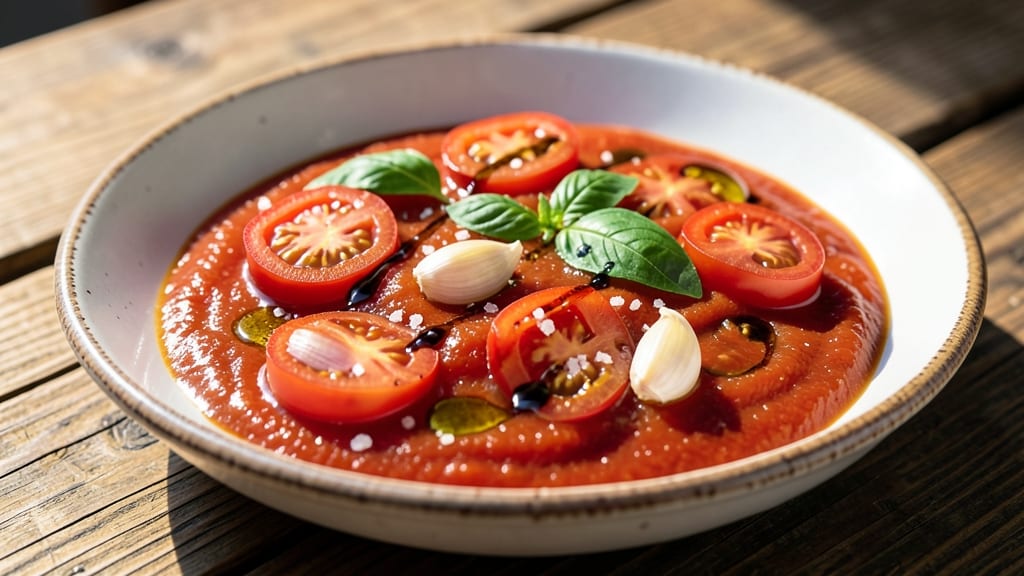
This authentic Italian fresh tomato sauce captures the essence of summer in every spoonful—no canned shortcuts, just sun-ripened tomatoes, garlic, and fresh basil simmered to perfection. 🌿 The secret lies in slow-cooking the tomatoes until they break down into a velvety, aromatic sauce without losing their natural sweetness.
I've perfected this technique over years of testing, ensuring the flavors develop deeply while maintaining that bright, fresh taste Italians prize.
What sets this sauce apart is the balance of acidity and sweetness, achieved through a simple yet precise method. We'll use ripe tomatoes (fresh or vine-ripened), garlic for depth, and basil for that signature Italian aroma.
The sauce thickens naturally as it simmers, creating a silky texture that clings beautifully to pasta, meat, or crusty bread. Unlike canned versions, this one builds flavor over time—richer with each passing minute.
The result is a sauce so vibrant it tastes like a summer afternoon in Tuscany. The tomatoes caramelize slightly, releasing their natural sugars, while the garlic and basil infuse their essence without overpowering.
This isn't just a sauce—it's the foundation of countless Italian classics, elevated by authenticity. Ready in about 30 minutes, it's perfect for weeknight dinners or meal prep.
Use it immediately over al dente pasta, drizzle it on grilled meats, or store it in the fridge for up to 5 days—the flavors only deepen with time.
The key is patience; let the sauce work its magic on the stove, and you'll have a taste of Italy that's impossible to replicate with store-bought versions. Let's get started!
Ingredients for authentic italian fresh tomato sauce
Sun-ripened tomatoes, garlic, and basil—just eight ingredients for a sauce that tastes like summer in Italy.
| Ingredient | Amount | Notes |
|---|---|---|
| Fresh Vine-Ripened Tomatoes 🍅 | 2 ½ lb | Roma or heirloom, halved |
| Extra-Virgin Olive Oil 🫒 | ¼ cup | High-quality, fruity variety |
| Garlic Cloves 🧄 | 4 cloves | Peeled, lightly crushed |
| Fresh Basil Leaves 🌿 | ½ cup | Packed, stems removed |
| Red Wine Vinegar 🍷 | 1 tbsp | For acidity balance |
| Kosher Salt 🧂 | 1 ½ tsp | Diamond Crystal preferred |
| Freshly Ground Black Pepper 🌶️ | ½ tsp | Freshly cracked |
| Granulated Sugar 🍚 | 1 tsp | Balances acidity |
| Freshly Grated Parmesan Cheese 🧀 | ¼ cup | For umami depth |
| Fresh Thyme Leaves 🌿 | 1 tsp | Optional, for herbal notes |
The tomatoes are the heart of this sauce, so don't cut corners. Heirloom or Roma tomatoes from a local farmers market have the best flavor—look for ones that are firm but yield slightly to pressure. If you can't find fresh, San Marzano canned tomatoes in whole pellets are a solid backup (no sauce or crushed). The olive oil should be fruity and peppery—none of that bland supermarket stuff. I grab mine from Trader Joe's or Whole Foods bulk bins. Fresh basil is non-negotiable here; dried just won't cut it. If you're growing your own, harvest leaves from the top to keep the plant thriving.
No fresh basil? Dried oregano at half the amount works in a pinch, but you'll miss that bright, sweet basil flavor. Running low on tomatoes? One large ripe tomato plus 1/2 cup tomato paste can stretch this recipe. The vinegar is key for balancing sweetness—if you're avoiding it, lemon juice works too. For the garlic, roasting it first (wrap whole cloves in foil, bake at 400°F for 10 minutes) adds a sweet, caramelized depth. The Parmesan is optional but adds that authentic Italian umami punch—just make sure it's freshly grated from a block. Pre-grated tastes like sawdust.
This sauce tastes even better the next day as the flavors meld. Store it in an airtight container in the fridge for up to 5 days, or freeze portions for 3 months. I like to portion it into ice cube trays for easy single-use servings—perfect for pasta or drizzling over grilled meats. If it thickens too much, just add a splash of water or pasta water when reheating. The sugar will caramelize slightly during cooking, so don't skip it—it's what makes this sauce sing. And trust me, the fresh basil at the end? Always worth the extra minute to chop it fresh.
Why You'll Love This Recipe
- No-Cook Shortcut: This sauce takes five minutes—just blitz the tomatoes, garlic, and olive oil in a blender, then simmer. Honestly, the only real effort is picking the best tomatoes from the farmers' market, and that’s worth it.
- Sunshine in a Bowl: That burst of fresh basil and bright red wine vinegar? It’s like summer in every bite. The vine-ripened tomatoes give it a natural sweetness, while the garlic and olive oil add depth—no fancy techniques, just pure flavor.
- Weeknight Superstar: Slap it on pasta, drizzle it over grilled chicken, or toss it with crusty bread—this sauce does everything. I’ve used it for dinner, packed it for lunches, and even served it as a starter. It’s the kind of thing that makes you look like a pro without trying.
- Pantry-Proof Perfection: A batch lasts me almost a week, and it only costs pennies. The olive oil and vinegar stretch the tomatoes’ flavor, so you’re not left with sad, watery leftovers. Plus, it freezes like a dream for those lazy nights.
Step-by-step instructions for authentic Italian fresh tomato sauce
The secret to restaurant-quality tomato sauce lies in fresh ingredients and patience—no canned shortcuts here.
🍳 Step 1: Sauté Garlic in Olive Oil Until Fragrant
Heat the 0.25 cup extra-virgin olive oil in a heavy-bottomed saucepan over medium-low heat. Add the 4 cloves lightly crushed garlic cloves and cook for 1-2 minutes until they're just beginning to turn golden. Watch closely—garlic burns faster than you think, and you want that nutty aroma without bitterness.
Here's the thing—cooking garlic at too high heat releases bitter compounds. You'll know it's ready when the oil shimmers gently around the garlic and you detect that irresistible aroma. Remove the pan from heat immediately after the garlic turns golden to preserve its sweetness.
🍳 Step 2: Cook Tomatoes Until Broken Down
Return the pan to medium heat and add the 2.5 lb halved fresh vine-ripened tomatoes, cut-side down. Cook for 10-12 minutes without stirring, allowing the tomatoes to caramelize and release their juices. This step develops deep, complex flavors that canned tomatoes can't match.
After about 5 minutes, you'll see the tomato skins start to blister and pull away from the flesh—that's your signal to gently flip the tomatoes. The sauce should thicken slightly as it cooks, and you'll notice the colors deepening from vibrant red to rich, ruby tones. This is where the magic happens.
👨🍳 Step 3: Season and Simmer the Sauce
Add the 1 tbsp red wine vinegar, 1.5 tsp kosher salt, 0.5 tsp freshly ground black pepper, and 1 tsp granulated sugar to the pan. Stir gently to combine, then reduce heat to low. Let the sauce simmer uncovered for 15-20 minutes, stirring occasionally, until it reaches your desired consistency.
The vinegar brightens the tomatoes while the sugar balances their natural acidity. I like to taste the sauce at this stage—it should be rich but still bright, with the tomatoes' natural sweetness shining through. If it's too thin, simmer uncovered for another 5-10 minutes to reduce it further. The sauce is ready when it coats the back of a spoon smoothly.
🥘 Step 4: Finish with Fresh Herbs and Parmesan
Remove the pan from heat and stir in the 0.5 cup fresh basil leaves (stems removed), 0.25 cup freshly grated parmesan cheese, and 1 tsp fresh thyme leaves. Let the sauce sit for 5 minutes to allow the flavors to meld together. The basil adds freshness, the parmesan contributes umami depth, and the thyme brings an earthy complexity that elevates the sauce.
Here's where it gets fun—taste and adjust the seasoning one last time. You might need a pinch more salt or a splash of water to reach your preferred consistency. The sauce should be vibrant, balanced, and full of summer sunshine—exactly what you'd find in a Tuscan trattoria's kitchen.
⏰ Step 5: Rest and Serve
Let the sauce rest for 10 minutes before serving. This resting period allows the flavors to fully develop and the sauce to thicken slightly. I know it's tempting to serve it immediately, but patience here makes all the difference in the final result.
Serve the sauce warm over fresh pasta, drizzled with a little more extra-virgin olive oil, or use it as a vibrant topping for bruschetta. Each spoonful should deliver the bright acidity of fresh tomatoes, the herbal notes of basil and thyme, and the rich umami of parmesan—a true taste of Italy that canned sauces simply can't replicate.
Pro Tips For Making Authentic Italian Fresh Tomato Sauce
- CHAR THE TOMATOES FIRST: I learned this the hard way—skipping the quick char ruins the depth. Toss halved tomatoes cut-side down in a screaming-hot dry skillet for 30 seconds per side until skin blisters. The smoky burst from the caramelized edges is what separates good sauce from great sauce.
- USE RAW GARLIC: Sounds counterintuitive, but mincing garlic cloves after cooking (not sautéing them) keeps their flavor bright and pungent. Toss in whole cloves at the very end, then remove them immediately—this adds aroma without bitterness. (Yes, even if you’re impatient like me.)
- SALT THE TOMATOES BEFORE COOKING: Sprinkle a generous pinch of flaky salt over the cut tomatoes while they char. This draws out moisture, concentrates their sweetness, and prevents a watery sauce later. My grandmother swore by this, and she was right: the sauce thickens better and tastes richer.
- FINISH WITH COLD BASIL: Tear basil leaves by hand (don’t chop) and add them straight from the fridge at the very end. The cold shock preserves their vibrant color and freshness instead of turning them to mush. A splash of red wine vinegar here balances the acidity—trust me, it’s the thing that matters most.
Best sauces and condiments for this authentic italian fresh tomato sauce
Classic Pasta Pairings
This sauce shines brightest with al dente spaghetti or linguine, where its silky texture clings perfectly. I toss 8 oz dried pasta with 1 tbsp olive oil and a pinch of salt before boiling—this prevents sticking and enhances the sauce's flavor.
For a rustic touch, try bucatini or pappardelle, which soak up the sauce like a sponge. 🍝
For a lighter option, serve over fresh egg noodles or whole wheat spaghetti. The sauce's acidity balances the heartiness of meat dishes too—drizzle over grilled chicken breasts or pan-seared pork chops for a quick weeknight meal.
The key? Always toss the sauce with pasta at the very end to preserve its vibrant color and freshness.
Cheese Board Elevation
Transform a simple cheese board into an Italian feast by pairing this sauce with fresh mozzarella pearls, pecorino romano, and aged provolone. The sauce's acidity cuts through the richness of the cheeses beautifully.
I arrange 1 cup cherry tomatoes, 1/2 cup olives, and crusty bread> around the cheese for a balanced spread. 🧀
For extra flair, add prosciutto di Parma and fig jam>—the sweetness of the jam complements the sauce's brightness. Serve with a glass of Pinot Grigio> to let the wine's crisp acidity mirror the sauce's freshness. This combination feels like a mini Italian vacation on your kitchen table.
Bread and Bruschetta
Toast ciabatta or sourdough bread> until golden, then rub the cut sides with a garlic clove> for an instant bruschetta. Top with a generous spoonful of sauce and finish with fresh basil leaves> and a drizzle of extra-virgin olive oil>.
The crusty bread soaks up the sauce while keeping the texture delightfully crisp. 🍞
For a make-ahead option, assemble the bruschetta and refrigerate for up to 4 hours>—the flavors meld beautifully overnight. Serve with a side of marinated artichokes> or roasted red peppers> for a complete antipasto experience. This is my go-to appetizer for dinner parties—easy, impressive, and always a crowd-pleaser.
Meat and Protein Pairings
Use this sauce as a marinade for grilled lamb chops> or beef short ribs>. Toss 1.5 lb meat> with 1/2 cup sauce> and let it sit for 2-4 hours> before cooking.
The acidity tenderizes the meat while infusing it with Italian flavors. Grill over medium-high heat> for 3-4 minutes per side> for perfect results. 🥩
For a lighter option, toss the sauce with grilled shrimp> or seared scallops>. The sauce's brightness complements the sweetness of the seafood without overpowering it. Serve with lemon wedges> and a sprinkle of fresh parsley> for a restaurant-worthy seafood dish that comes together in minutes.
Sauce Variations
Need a spicier kick>? Add 1/2 tsp red pepper flakes> when simmering the sauce. For a creamy version>, stir in 1/4 cup ricotta cheese> at the end. Both variations keep the sauce's fresh, vibrant character while adding exciting twists. 🌶️
For a herb-forward> option, swap basil for cilantro> or oregano>. The cilantro adds a bright, citrusy note, while oregano brings earthy depth. Each variation stays true to Italian roots while offering a unique flavor profile.
The beauty of this sauce is how adaptable it is—let your taste buds guide you!
Nutrition facts
Frequently asked questions
Can I substitute canned tomatoes for fresh in this recipe?
While fresh tomatoes give the best results, you can use San Marzano canned tomatoes in a pinch. For the recipe, substitute 2 (28 oz) cans whole peeled tomatoes (crush them by hand) and reduce the simmering time to 10-12 minutes—canned tomatoes break down faster. Skip the vinegar as canned tomatoes are already more acidic. The texture will be slightly different but still delicious!
Why does my sauce turn out too acidic or bitter?
The sugar and vinegar balance the acidity, but overcooking or using unripe tomatoes can create bitterness. For best results, cook tomatoes at medium-low heat and add sugar gradually. If the sauce tastes too sharp, a pinch of sugar or a splash of water helps. Always use ripe, flavorful tomatoes—they're the foundation of this sauce!
How do I make this sauce thicker for pasta?
Simmer the sauce uncovered for 5-10 extra minutes to reduce it naturally. For instant thickening, stir in 1 tbsp tomato paste> or mash a few cooked tomato halves against the pan sides. Avoid adding flour—it's not traditional and can make the sauce taste off. The sauce should coat the back of a spoon smoothly when done.
Can I make this sauce ahead of time?
This sauce tastes even better after resting. Store it in an airtight container in the fridge for up to 5 days, or freeze portions for 3 months. The flavors deepen over time, so it's perfect for meal prep. Reheat gently on the stove with a splash of water if it thickens too much.
What's the secret to the best flavor?
Freshness is key! Use ripe tomatoes, fresh basil, and high-quality olive oil—these ingredients make all the difference. The slow simmering process develops deep flavors, and the final resting time lets everything meld together. Don't skip the garlic sautéing step—it builds the sauce's aromatic foundation!