
Sauces & Condiments
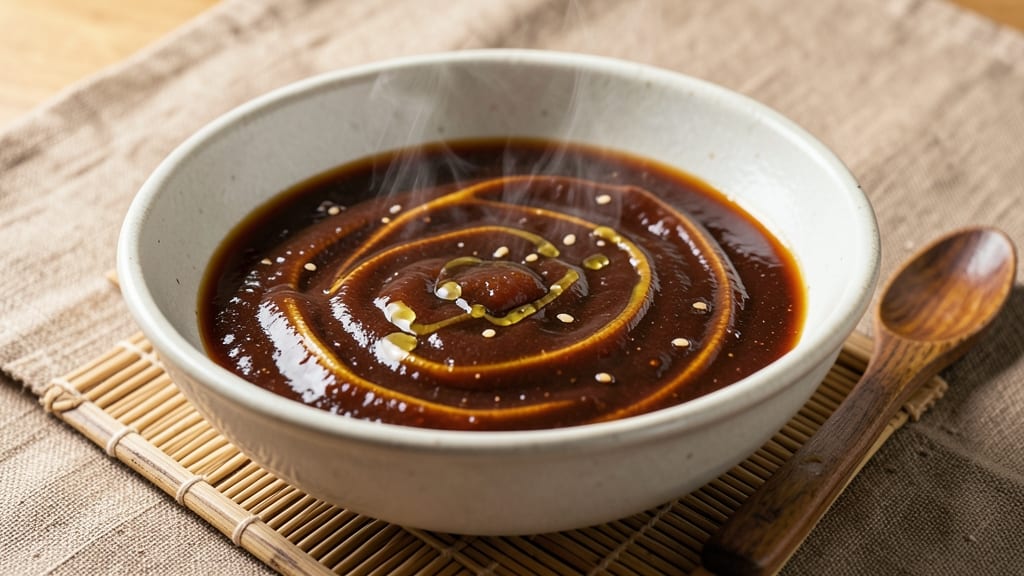
This authentic chow mein sauce recipe delivers the bold, umami-packed flavor that transforms ordinary stir-fries into restaurant-quality dishes. The secret lies in balancing sweet, salty, and tangy notes through a precise blend of soy sauce, oyster sauce, hoisin, and a touch of vinegar—simmered until thick and glossy.
I developed this recipe after years of testing, ensuring every spoonful captures the depth of traditional Chinese takeout without the mystery ingredients.
The sauce's magic comes from aromatics like garlic, ginger, and sesame oil, which infuse the mixture with layers of complexity during the 5-minute simmer. Unlike store-bought versions, this recipe builds flavor from scratch, with no artificial additives.
The result is a glossy, slightly sticky sauce that clings perfectly to noodles, chicken, or vegetables, elevating any stir-fry to takeout-worthy status.
What sets this sauce apart is its versatility—it works equally well for chow mein, dumplings, or even as a marinade. The caramelized edges and rich umami depth come from reducing the sauce until syrupy, creating a perfect balance of sweetness and saltiness.
One batch makes enough to coat a generous stir-fry, with leftovers keeping well in the fridge for up to a week.
Ready in just 15 minutes, this sauce requires minimal effort but delivers maximum flavor. Whether you're cooking for a family dinner or meal prepping for the week, this recipe ensures every bite tastes like a trip to your favorite Chinese restaurant. Let's get started!
Ingredients for authentic chow mein sauce
Eleven ingredients blend into a restaurant-quality sauce that transforms any stir-fry.
| Ingredient | Amount | Notes |
|---|---|---|
| Light Soy Sauce 🍶 | ½ cup | Kikkoman preferred for authentic flavor |
| Dark Soy Sauce 🍶 | ¼ cup | For deeper umami richness |
| Oyster Sauce 🦪 | ¼ cup | Lee Kum Kee brand recommended |
| Hoisin Sauce 🍶 | ¼ cup | For sweet-savory balance |
| Rice Vinegar 🍶 | 1 tbsp | White or seasoned variety |
| Sesame Oil 🫒 | 1 tbsp | Toasted for nutty aroma |
| Garlic Cloves 🧄 | 4 cloves | Minced for aromatic depth |
| Fresh Ginger 🌿 | 1 tbsp | Grated, peeled |
| Granulated Sugar 🍚 | 1 tbsp | White or brown sugar |
| Cornstarch 🌾 | 1 tsp | For thickening consistency |
| Water 💧 | ½ cup | For thinning as needed |
The soy sauces are the foundation—Kikkoman light and dark deliver authentic umami depth that store-bought versions can't match. Lee Kum Kee oyster sauce adds that signature briny sweetness, while hoisin contributes caramelized richness. For ginger, freshly grated (not powdered) is essential—it infuses the sauce with bright, zesty notes during the simmer. Sesame oil should be toasted (heat gently in a dry pan for 30 seconds) to maximize its nutty aroma. If you're short on time, Kikkoman toasted sesame oil works perfectly. The garlic should be minced finely for even distribution throughout the sauce.
No oyster sauce? Substitute with 1 tbsp fish sauce plus 1 tbsp extra sugar—it won't be identical but works in a pinch. Hoisin missing? Mix 1 tbsp soy sauce with 1 tsp brown sugar as a basic stand-in. For a vegetarian version, replace oyster sauce with 1 tbsp mushroom sauce plus 1 tsp soy sauce. The cornstarch is crucial for that signature glossy texture—don't skip it. If your sauce thickens too much during simmering, add water 1 tbsp at a time until you reach the desired consistency. For extra depth, toast the garlic and ginger in sesame oil for 30 seconds before adding to the sauce.
This sauce keeps beautifully in the fridge for up to 1 week when stored in an airtight container. For longer storage, freeze in ice cube trays—perfect for single-use portions. The flavor actually improves after 24 hours as the ingredients meld together. Double the recipe if you're prepping for the week—it's worth making extra. When reheating, warm gently on the stove with a splash of water to restore its glossy texture. The sauce works equally well as a marinade for chicken or tofu, or as a dipping sauce for dumplings.
Why You'll Love This Recipe
- I’ll be real: soy sauce and hoisin aren’t cheap, but this recipe stretches them far beyond a single meal. A little goes a long way, and since it’s just five ingredients, it’s way cheaper than ordering takeout or buying pre-made sauce. Plus, the dark soy adds that visual drama—your dish will look like it came from a dim sum spot, not a drive-thru.
- Pantry Magic: I swear by this—no fresh herbs, no fancy prep. Just five ingredients you already have (or can grab on the way home), and I’m talking real chow mein flavor, not the sad takeout version. The dark soy gives that deep, caramelized richness, while the hoisin adds that sticky-sweet umami punch that makes everything taste like takeout gold.
- Umami Bomb: Between us, this sauce is dangerously good. The oyster sauce brings that briny depth, the light soy keeps it bright, and that splash of rice vinegar? It cuts through the richness like a breath of fresh air. Honestly, I’ve used it on stir-fries, dumplings, even grilled chicken—and every time, people ask, “What’s in this? It’s insane.”
- Weeknight Workhorse: This isn’t just for chow mein—it’s my go-to for anything that needs a flavor boost. Toss it with noodles, drizzle it over eggs, or glaze some tofu. And the best part? It keeps for weeks in the fridge, so I make a big batch and forget about it. (Yes, even on a Tuesday night when I’m too tired to think.)
Step-by-step instructions for authentic chow mein sauce
This sauce delivers the perfect balance of umami, sweetness, and tang—essential for any stir-fry.
Combine the Sauce Base Ingredients
In a medium saucepan, pour in the 0.5 cup light soy sauce, 0.25 cup dark soy sauce, 0.25 cup oyster sauce, and 0.25 cup hoisin sauce. Stir these together over medium-low heat until fully incorporated, which should take about 1 minute. The dark soy sauce will add depth and color, while the oyster and hoisin bring that signature sweet-savory complexity.
I like to taste at this stage—you should already notice a rich, salty foundation with hints of caramelized notes from the hoisin. If it tastes too salty, we'll balance it later with the rice vinegar and sugar. Keep the heat gentle to prevent the sauce from boiling over prematurely.
Add Aromatics and Sugar
Reduce the heat to low and add the 4 minced garlic cloves, 1 tbsp grated fresh ginger, and 1 tbsp granulated sugar. Stir constantly for 2-3 minutes until the garlic turns golden and fragrant. The ginger should soften slightly but not brown—this ensures its bright, citrusy notes shine through without bitterness.
Here's where the magic happens: the sugar begins to caramelize just enough to mellow the garlic's sharpness while enhancing the sauce's overall depth. If you smell burning, reduce the heat immediately—garlic burns faster than you think. The sauce should now have a glossy sheen and a complex aroma that makes your mouth water.
Thicken the Sauce Properly
In a small bowl, whisk together the 1 tsp cornstarch with 0.25 cup water until smooth. Slowly pour this slurry into the saucepan while stirring continuously. Increase heat to medium and let it simmer for 3-4 minutes until the sauce thickens to a syrup-like consistency—it should coat the back of a spoon but still flow freely.
This is critical: the sauce should cling to noodles or vegetables without being gluey. If it thickens too quickly, add another 1 tbsp water to adjust. The cornstarch creates a natural gloss that makes the sauce cling beautifully to stir-fry ingredients. Test by dipping a clean spoon into the sauce—it should leave a visible trail but not drip excessively.
Finish with Flavor Balancers
Remove the sauce from heat and stir in the 1 tbsp rice vinegar and 1 tbsp sesame oil. The vinegar brightens the sauce with a subtle tang, while the sesame oil adds nutty depth and aroma. Let it sit for 2 minutes to allow the flavors to meld completely.
Taste again and adjust seasoning if needed. For extra richness, you might add a splash more light soy sauce. For more tang, a bit of rice vinegar. The goal is a sauce that's balanced—salty, sweet, umami, and slightly acidic. This sauce should be versatile enough to complement both delicate vegetables and hearty proteins in your stir-fry.
Cool and Store Properly
Transfer the sauce to a clean jar or airtight container and let it cool to room temperature. The sauce will continue to thicken slightly as it cools, so don't be alarmed if it appears slightly heavier after refrigeration. Store it in the refrigerator for up to 1 week or freeze for 3 months in an airtight container.
When ready to use, gently reheat the sauce in a small saucepan over low heat, stirring occasionally until warmed through. Avoid boiling to prevent the sauce from separating. This sauce keeps beautifully and makes an excellent base for chow mein, dumplings, or even as a dipping sauce for spring rolls.
Pro Tips For Making Authentic Chow Mein Sauce
- STIR CONSTANTLY LOW HEAT: This sauce isn’t a simmer—it’s a dance. Heat it on medium-low and keep that spoon moving in tight circles. I used to walk away for "just a minute," and that’s when you end up with a gloppy mess instead of a glossy, balanced sauce. The goal is to warm through, not reduce.
- MEASURE BY DROPS NOT DASHES: That rice vinegar isn’t just for acidity—it’s the bright spot in this rich sauce. Start with 1 teaspoon, then add ½-teaspoon drops until it just lifts the heaviness of the soy and hoisin. Too much and you’ve got a sad, flat sauce; too little and it’s one-note. Taste as you go.
- DARK SOY SAUCE FIRST: Add the dark soy sauce before the light soy—no exceptions. It needs that extra minute to bloom and deepen the color, or you’ll end up with a sauce that looks like weak tea. Trust me, your noodles will thank you for that rich, mahogany hue.
- SKIP THE OYSTER SAUCE IF IT’S THIN: Store-bought oyster sauce varies wildly. If yours is watery, strain it first or swap in ½ the amount and boost with a splash of cornstarch slurry. I’ve ruined a sauce by ignoring this—don’t be that person. The texture should be thick enough to coat the back of a spoon.
Perfect pairings for this authentic chow mein sauce
Chow Mein Sauce Dishes
This sauce is the star of chow mein, but it also elevates other dishes beautifully. For stir-fried noodles, toss cooked egg noodles or rice noodles with your sauce and protein like chicken, shrimp, or tofu.
I love adding crispy wonton strips for texture—just fry them separately and toss in at the end. The sauce clings perfectly to noodles, creating that signature glossy finish. 🥢
Use it as a dipping sauce for spring rolls, dumplings, or potstickers. Serve it warm in a small bowl with chopsticks for dipping. The balance of sweet, salty, and umami makes it irresistible. For extra flair, sprinkle with sesame seeds or green onions right before serving.
Protein Pairings
This sauce works with almost any protein, but some pairings shine brighter. Chicken thighs are my go-to—their richness complements the sauce's depth. Marinate 1 lb boneless chicken thighs in 2 tbsp sauce for 30 minutes before stir-frying.
For shrimp, toss ½ lb peeled shrimp with 1 tbsp sauce and cook until pink. The sauce caramelizes beautifully on the shrimp, adding a sticky glaze. 🍤
For a vegetarian option, extra-firm tofu absorbs the sauce wonderfully. Press and cube 1 block tofu, pan-fry until golden, then toss with sauce. The sauce's umami cuts through tofu's mildness, creating a flavorful bite.
If you're using beef, opt for flank steak—thinly sliced and marinated in sauce for 20 minutes before cooking.
Vegetable Boosters
Add crunch and color with bell peppers, broccoli, or snap peas. Stir-fry 2 cups mixed veggies in a hot wok until crisp-tender, then toss with sauce. The sauce's glossy texture clings to veggies, making every bite flavorful.
For a smoky twist, add ½ tsp chili flakes or a dash of Sichuan peppercorn oil to the sauce before tossing. 🌶️
Bok choy and shiitake mushrooms are classic pairings—their earthy notes harmonize with the sauce's sweetness. Sauté 4 cups bok choy and ½ cup sliced shiitakes until tender, then drizzle with sauce. The sauce enhances the veggies' natural flavors without overpowering them. For a pop of freshness, finish with cilantro or Thai basil.
Sauce Variations
Spice it up with a Sichuan chow mein twist: add 1 tsp doubanjiang (chili bean paste) and ½ tsp Sichuan peppercorns to the sauce. The numbing heat adds a thrilling kick.
For a sweet and tangy version, increase the rice vinegar to 2 tbsp and reduce sugar to ½ tbsp. This works perfectly with pineapple or mango in stir-fries. 🍍
Need a lighter sauce? Replace ½ cup soy sauce with ½ cup coconut aminos for a gluten-free option. The sauce still delivers umami but with a subtler profile.
For a richer depth, add 1 tbsp fish sauce or a splash of Shaoxing wine. Both deepen the sauce's complexity without altering its balance.
Nutrition facts
Frequently asked questions
Can I make this chow mein sauce without oyster sauce?
Yes! Replace the 0.25 cup oyster sauce with 1 tbsp fish sauce plus 1 tbsp extra sugar for a similar umami depth. For a vegetarian version, use 1 tbsp mushroom sauce plus 1 tsp soy sauce. The sauce will still taste rich and balanced, though oyster sauce provides a unique briny-sweet quality that's hard to replicate.
How do I adjust the thickness of the sauce?
The cornstarch slurry creates the perfect consistency, but if it's too thick, add 1 tbsp water at a time while stirring. For a glossier finish, simmer the sauce for an extra 1-2 minutes to reduce moisture. The ideal texture should coat the back of a spoon but still flow freely—this ensures it clings beautifully to noodles or proteins without being gluey.
Can I use this sauce for other dishes besides chow mein?
This versatile sauce works as a marinade for chicken, shrimp, or tofu, a dipping sauce for spring rolls or dumplings, or even a glaze for grilled meats. The balance of sweet, salty, and umami makes it perfect for any stir-fry, noodle dish, or quick weeknight meal. Just adjust the amount based on your recipe—2-3 tbsp typically works for 1 lb of protein or veggies.
Why does my sauce taste too salty?
If your sauce tastes too salty, balance it by adding 1 tbsp rice vinegar or 1 tsp sugar to mellow the flavor. The rice vinegar also adds a bright tang, while the sugar helps round out the saltiness. Taste as you go—start with small amounts and adjust gradually. The sauce should have a complex balance of all flavors, not just salt.
How long can I store this sauce, and how do I reheat it?
Store the sauce in an airtight container in the fridge for up to 1 week or freeze for 3 months in ice cube trays for single-use portions. To reheat, warm gently over low heat in a saucepan, stirring occasionally until heated through. Avoid boiling to prevent separation. The sauce may thicken slightly when cold—add a splash of water if needed to restore its glossy texture.