
Sauces & Condiments
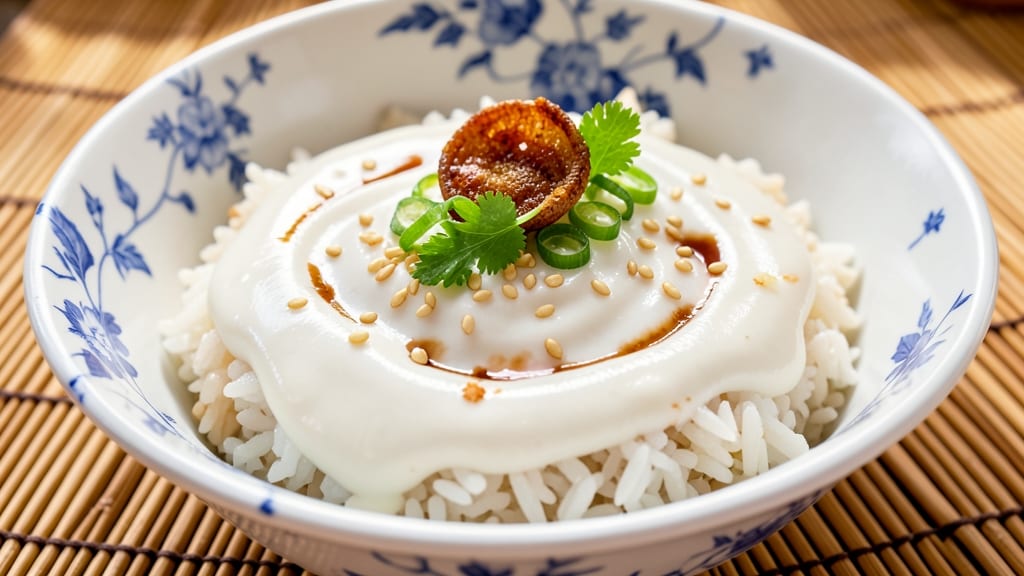
This authentic Chinese white sauce transforms ordinary dishes into restaurant-quality masterpieces with its velvety coconut cream base and aromatic ginger-zest depth. 🌟 The secret lies in balancing sweet, salty, and umami flavors through precise ingredient ratios and a perfect cornstarch slurry technique that creates that signature silky texture without clumping.
What makes this sauce truly authentic is the combination of traditional Chinese pantry staples—rice wine for brightness, light soy sauce for umami, and sesame oil for nutty warmth—all harmonized with fresh ginger and coconut milk.
Unlike many versions that rely on heavy cream, this recipe delivers that signature white sauce consistency using only pantry ingredients and proper thickening methods.
The result is a sauce that's rich yet light, with just enough body to coat proteins and vegetables without overwhelming them. Its fragrant aroma alone makes every dish feel special, whether you're drizzling it over stir-fried noodles, steamed fish, or even as a dipping sauce for dumplings.
The best part? It comes together in just 20 minutes with no special equipment.
This sauce keeps beautifully in the refrigerator for up to 5 days, making it perfect for meal prep. The key to success is patience during the thickening process—letting the sauce simmer gently until it reaches that perfect silky consistency without breaking.
Let's create this flavorful foundation for your next Chinese-inspired meal.
Ingredients for authentic chinese white sauce
Velvety coconut cream meets fragrant ginger-zest harmony—these 10 essential ingredients create restaurant-quality Chinese white sauce.
| Ingredient | Amount | Notes |
|---|---|---|
| Coconut Milk 🥥 | 1 ½ cups | Full-fat canned for creaminess |
| Light Soy Sauce 🍶 | 2 tbsp | Kikkoman preferred for balance |
| Rice Wine 🍷 | 1 tbsp | Dry sherry substitute works |
| Fresh Ginger 🧄 | 1 tbsp | Finely grated, aromatic |
| Sesame Oil 🥜 | 1 tsp | Toasted for nutty aroma |
| Cornstarch 🌾 | 1 tbsp | Slurry with 2 tbsp water |
| Sugar 🍬 | 1 tbsp | White or brown preferred |
| Garlic Cloves 🧄 | 2 cloves | Minced for aromatic depth |
| Water 💧 | ½ cup | Room temperature preferred |
| Salt 🧂 | ½ tsp | Diamond Crystal preferred |
The coconut milk is non-negotiable—full-fat canned delivers that signature velvety texture. Thai Kitchen or Goya brands work perfectly. Fresh ginger needs to be aromatic, not woody, so grab the youngest piece from the produce section. Light soy sauce should be Kikkoman or Lee Kum Kee—anything lighter won't carry the umami depth. For the cornstarch slurry, whisk it with cold water first to prevent clumping. That's the secret to that signature silky finish without breaking.
No rice wine? Dry sherry or mirin works in a pinch, though rice wine adds that authentic brightness. Fresh ginger too spicy? Powdered ginger at half the amount tempers the heat. Sesame oil out of reach? A pinch of toasted sesame seeds adds subtle nutty notes. The sugar can be swapped for honey or maple syrup, but white sugar dissolves cleanly. Garlic can be pre-minced from a jar if you're in a rush—just drain it well. For the water, room temperature prevents shocking the sauce during thickening.
This sauce thickens beautifully when reheated—just add 1-2 tbsp water if it gets too stiff. Keeps 5 days in the fridge sealed tightly, or 3 months frozen in ice cube trays for perfect portions. The cornstarch slurry trick? Worth the extra minute—prevents that grainy texture so many homemade versions suffer from. Double batch if you can—I always do, because this sauce disappears faster than you'd think.
Why You'll Love This Recipe
- Five-Ingredient Magic: I swear, this sauce comes together with just a handful of pantry staples—no fancy prep, no stress. The coconut milk thickens effortlessly while simmering, and the ginger’s zing cuts right through the creaminess. Honestly, I’ve made it while waiting for takeout to arrive.
- Umami Bomb: That first spoonful? Chef’s kiss. The light soy sauce and rice wine dance together—salty, bright, with just enough depth to make your taste buds sit up. The sesame oil finish? Pure flavor payoff in a single drop.
- Sauce for Days: Between us, I’ve used this on everything from stir-fries to dumplings, and it’s always the star. Make a double batch—it keeps in the fridge for a week, and reheats like it was just made. (Yes, even on a Tuesday night.)
- Budget Bright Spot: Coconut milk and ginger are my go-to affordable luxuries—this sauce costs pennies per serving but tastes like a splurge. I’ll be real: my grocery bill stays sane, but my dinner table doesn’t.
Step-by-step instructions for authentic Chinese white sauce
Here's how to craft this velvety, aromatic sauce that balances sweet, salty, and umami perfectly.
🍳 Step 1: Bloom the Aromatics in Toasted Sesame Oil
Heat a small saucepan over medium-low heat and add the 1 teaspoon sesame oil. Let it warm for 30 seconds until fragrant—you'll smell that nutty aroma that's the soul of this sauce. Add the 2 cloves minced garlic and 1 tablespoon finely grated fresh ginger, stirring constantly for 1 minute until the garlic turns pale golden and the ginger releases its bright, citrusy notes.
Here's the thing—don't let the garlic burn. I've seen this happen when people walk away, and it turns bitter. Keep your eye on the pan and stir frequently. The aromatics should be fragrant but not colored—just a pale golden hue. This step builds the aromatic foundation that makes the sauce truly authentic.
🥘 Step 2: Build the Flavor Base with Rice Wine and Soy Sauce
Pour in the 1 tablespoon rice wine and 2 tablespoons light soy sauce, stirring to combine. Let the mixture simmer gently for 1-2 minutes until the alcohol aroma dissipates completely—you'll know it's gone when you no longer smell that sharp wine scent. Add the 1 tablespoon sugar and 0.5 teaspoon salt, stirring until fully dissolved and the sugar crystals disappear.
This is where the balance happens. The rice wine adds brightness, the soy sauce provides umami depth, and the sugar rounds out the flavors. Taste the mixture now—it should be sweet, salty, and slightly tangy. If it's too strong, add 1 tablespoon water to mellow it out. If it's too mild, add a pinch more soy sauce. This is your flavor calibration point.
🥘 Step 3: Create the Cornstarch Slurry and Incorporate
In a small bowl, whisk together the 1 tablespoon cornstarch with 2 tablespoons water until completely smooth—no lumps should remain. This slurry is your thickening agent, and getting it lump-free is critical. Pour the slurry into the saucepan with the aromatics and stir constantly over medium heat for 1-2 minutes until the mixture begins to thicken slightly.
I like to watch for that moment when the sauce starts to coat the back of a spoon. It's subtle but noticeable—almost like when you stir cornstarch into milk and see it transform from liquid to pudding. Keep stirring vigorously to prevent scorching at the bottom of the pan. This step ensures your sauce will have that signature silky texture without being gluey.
🍳 Step 4: Add Coconut Milk and Simmer to Perfection
Pour in the 1.5 cups full-fat coconut milk and bring the mixture to a gentle simmer. Stir constantly for 5-7 minutes until the sauce thickens to a luxurious, creamy consistency that coats the back of a spoon. You're aiming for that perfect balance between velvety and pourable—think of it like heavy cream that still flows gracefully.
Here's where authenticity shines: the coconut milk should be full-fat canned, not the light version. The fat content creates that rich mouthfeel that's characteristic of traditional Chinese white sauces. If the sauce thickens too much before reaching the perfect consistency, whisk in 1-2 tablespoons water to adjust. The final texture should be smooth, glossy, and just thick enough to cling beautifully to proteins or vegetables.
⏰ Step 5: Finish and Rest for Optimal Flavor
Remove the sauce from heat and let it rest for 5 minutes—this allows the flavors to meld completely and the sauce to reach its ideal consistency. Give it a final taste and adjust the seasoning if needed. The sauce should be harmoniously balanced with sweet, salty, and umami notes, with bright ginger and garlic undertones.
This sauce is incredibly versatile—it's perfect for glazing proteins, drizzling over stir-fries, or even serving as a dipping sauce. When ready to use, gently reheat the sauce over low heat if needed, stirring constantly to prevent scorching. The beauty of this recipe is that it delivers that authentic Chinese restaurant taste at home, with none of the mystery ingredients.
Pro Tips For Making Authentic Chinese White Sauce
- Thin the Coconut Milk: Don’t just dump canned coconut milk straight into the pot—it’ll curdle like a bad smoothie. First, simmer the milk with ginger and rice wine for 3-4 minutes until it’s just starting to bubble, then stir in your soy sauce. This gentle warm-up keeps the sauce silky instead of breaking into greasy lumps.
- Toast the Ginger: Fresh ginger needs to sing, not just sit there. Mince it thinly (like matchsticks) and dry-toast in a hot pan for 30 seconds until fragrant—this pulls out the oil and deepens the flavor. Skip this, and your sauce will taste like raw medicine.
- Balance the Soy Sauce: Light soy sauce is salty, but not all brands play nice. Taste as you go: if the sauce tastes flat, add a splash of rice wine (it brightens). If it’s too sharp, dilute with a teaspoon of warm water. The goal? A smooth, umami punch—not a salty slap.
- Finish with Cold Sesame Oil: Heat destroys sesame oil’s nutty magic, so save it for the end. After removing the pan from heat, let the sauce cool for 30 seconds, then drizzle in the oil while stirring. This adds aroma without turning your sauce bitter—yes, even if it feels counterintuitive.
Troubleshooting this recipe
Lumpy Texture Fix
If your sauce develops lumps during thickening, it's almost always from improper cornstarch slurry preparation. The fix is simple: whisk 1 teaspoon cornstarch with 1 tablespoon cold water until completely smooth, then add it to the sauce while stirring vigorously over low heat.
For existing lumps, immediately remove the pan from heat and use an immersion blender to smooth it out. If that's not available, strain the sauce through a fine-mesh sieve. 💫
Sauce Too Thin
When your sauce isn't thickening enough, it's usually because the heat wasn't low enough during simmering. Return the sauce to low heat and whisk in another ½ teaspoon cornstarch mixed with 1 teaspoon water. Simmer for an additional 2-3 minutes while stirring constantly. If it still doesn't thicken, try adding 1 teaspoon arrowroot powder instead—it's more effective for high-fat sauces like this one.
Overpowering Ginger Flavor
Too much fresh ginger can make your sauce taste harsh. To balance it, add ½ teaspoon sugar or 1 teaspoon honey to sweeten the heat. For a more immediate fix, stir in 1 teaspoon rice wine vinegar—it cuts through the sharpness while adding brightness. If you're making a double batch, reduce the ginger to ½ tablespoon next time. The key is balance: you want the ginger aroma, not the bite.
Sauce Separates When Reheated
This happens when the sauce cools too quickly or sits too long in the fridge. To fix it, gently reheat the sauce over low heat while whisking constantly. If separation persists, stir in 1 teaspoon cornstarch mixed with 1 tablespoon water and simmer for 1-2 minutes.
For prevention, store the sauce in an airtight container and refrigerate it within 2 hours of making. When reheating, never bring it to a full boil—just warm through to 160°F.
Soy Sauce Dominates
If your sauce tastes too salty or soy-forward, the rice wine and sugar need to step up. Add ½ teaspoon sugar and ½ teaspoon rice wine vinegar to brighten the flavors. For a more dramatic fix, whisk in 1 teaspoon honey and let it simmer for 1 minute to blend.
Next time, reduce the soy sauce to 1.5 tablespoons and increase the rice wine to 1.5 tablespoons—this creates better balance from the start.
Burnt Aromatics
Burnt garlic or ginger ruins the delicate flavor profile. If this happens, immediately remove the pan from heat and stir in 1 teaspoon fresh coconut milk to mellow the burnt taste. For prevention, keep the heat at medium-low and stir constantly—never walk away from the pan during this step.
If you're using pre-minced garlic, drain it thoroughly and pat it dry before adding to prevent excess moisture that can cause splattering and burning.
Nutrition facts
Frequently asked questions
Can I make this white sauce without coconut milk? Yes! For a dairy-based version, substitute 1.5 cups heavy cream or 1 cup whole milk + ½ cup heavy cream. For a vegan option, use 1.5 cups cashew cream (blend soaked cashews with water). The texture will be slightly lighter but still delicious. Just
How do I use this sauce in Chinese dishes?
This versatile sauce works beautifully as a glaze for steamed fish, a dipping sauce for dumplings or spring rolls, or a finishing drizzle over stir-fried noodles. For extra richness, toss it with 1 tablespoon toasted sesame seeds before serving. It also pairs perfectly with pork tenderloin or chicken thighs when baked or pan-seared.
Why does my sauce get grainy when thickening?
Graininess usually happens when cornstarch lumps form or the sauce boils too vigorously. Always whisk the cornstarch with cold water first, then add it to the sauce while stirring constantly over low heat. If it happens, immediately remove from heat, add 1 teaspoon coconut milk, and whisk vigorously. For prevention, keep heat at medium-low and stir frequently.
Can I make this sauce ahead of time?
This sauce actually tastes better after resting. Store it in an airtight container in the fridge for up to 5 days. When reheating, warm over low heat while stirring constantly—never boil. For longer storage, freeze in ice cube trays (thaw in fridge overnight) or small containers (up to 3 months). The flavors meld beautifully during storage!
What's the secret to balancing the flavors?
The magic happens in the rice wine to soy sauce ratio—start with 1:2 ratio (1 tbsp rice wine to 2 tbsp soy sauce) and adjust to taste. The ginger and garlic should be aromatic, not overpowering. Taste as you go: the sauce should be slightly sweet, salty, and tangy with bright ginger notes. If it's too strong, add a splash of water; if too mild, add more soy sauce or sugar.