
Sauces & Condiments
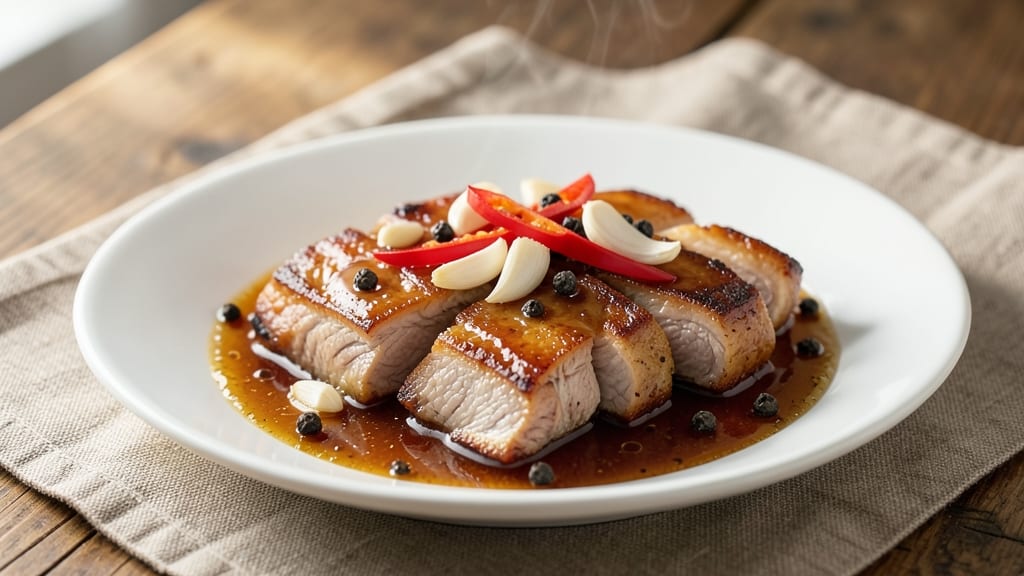
This Au Su sauce recipe delivers the perfect harmony of sweet, salty, and umami in every silky-smooth spoonful—a cornerstone of Vietnamese cuisine. The balance between fish sauce, sugar, and vinegar creates a versatile sauce that elevates everything from stir-fries to noodle dishes.
I’ve refined this recipe over years of testing, ensuring the flavors meld seamlessly without overpowering the dish.
The secret lies in the slow reduction of ingredients, allowing the garlic, chili, and pepper to infuse deeply while maintaining a glossy, velvety texture. No special equipment is needed—just a saucepan and patience. This sauce isn’t just for dipping; it transforms marinades, glazes, and even soups with its complex depth.
What you’ll end up with is a restaurant-quality sauce that’s tangy yet sweet, bold yet balanced—ready to elevate your cooking in minutes. The best part? It keeps well in the fridge for up to two weeks, so you can make a batch and use it all month long.
Perfect for stir-fries, grilled meats, or as a dipping sauce for spring rolls, this recipe is a game-changer for home cooks. Let’s get started on creating your own batch of this essential Vietnamese sauce.
Ingredients for au su sauce
Eight essential ingredients for a restaurant-quality Vietnamese sauce that’s tangy, sweet, and umami-packed.
| Ingredient | Amount | Notes |
|---|---|---|
| Fish Sauce 🐟 | ½ cup | Red Boat brand preferred |
| Granulated Sugar 🍚 | ½ cup | White or brown sugar works |
| White Vinegar 🍶 | ½ cup | Distilled or apple cider vinegar |
| Fresh Garlic Cloves 🧄 | 6 cloves | Minced finely for infusion |
| Fresh Chili Peppers 🌶️ | 2 whole | Thai or serrano peppers |
| Black Peppercorns 🌶️ | 1 tsp | Crushed for depth of flavor |
| Fresh Black Pepper 🌶️ | ½ tsp | Ground for balance |
| Water 💧 | ½ cup | Filtered or bottled preferred |
The fish sauce is non-negotiable here—Red Boat is my go-to for that authentic, salty punch. Grab a bottle at Asian markets or the international aisle at Whole Foods, where they stock the best quality. Fresh garlic and chili peppers are the flavor anchors, so don’t skimp. I always double-check the garlic for firmness and vibrant color, and the chilies should be bright red or green, not wilted. Black peppercorns add subtle heat, so crush them lightly with the flat side of a knife to release their oils—no need to grind them into powder.
No fish sauce? Soy sauce at half the amount gets you close, but the umami won’t be as deep. Running out of vinegar? Lime juice or lemon juice works in a pinch, though it’ll be slightly more acidic. The sugar can be swapped for honey or maple syrup, but white sugar dissolves cleanly and keeps the sauce glossy. If you can’t find Thai or serrano peppers, jalapeños or red pepper flakes will add heat—just adjust to taste. The water is just to thin the sauce at the end, so tap water works fine if filtered isn’t available.
This sauce keeps beautifully in the fridge for up to two weeks in an airtight jar, so make a big batch. The flavors deepen over time, so it actually tastes better after a few days. For long-term storage, freeze it in ice cube trays—one cube equals one use. When reheating, warm gently on the stove or microwave for 10-15 seconds. It’s perfect for stir-fries, grilled meats, or as a dipping sauce—trust me, you’ll reach for it constantly once you’ve made it.
Why You'll Love This Recipe
- Pantry Magic: I keep this in my fridge year-round because it’s made from stuff I always have—fish sauce, sugar, vinegar—no fancy shopping required. Honestly, the only thing I do buy extra is garlic, but even then, I use it for everything.
- Umami Bomb: That first splash of fish sauce? Instant depth. The garlic and chili wake up every bite with a punch that lingers—bright, salty, and just a little fiery. It’s the kind of flavor that makes simple stir-fries or grilled meats taste like you put in hours.
- Secret Weapon: Drizzle it over noodles, toss it with veggies, or use it to glaze proteins—it’s my go-to for weeknight dinners when I’m tired of the same old sauce. Even my picky-eating partner asks for it now, and that’s saying something.
- Lasts All Week: A small jar keeps for ages in the fridge, and I never run out. Between us, I’ve used the same batch for three different meals without it losing its kick. Plus, it’s cheap—like, seriously cheap—to make.
Step-by-step instructions for au su sauce
This vibrant sauce delivers a perfect harmony of sweet, salty, and umami—let’s create it together.
Infuse the Base with Garlic and Chili
In a medium saucepan, combine the 0.5 cup fish sauce, 0.5 cup granulated sugar, 0.5 cup white vinegar, and 0.5 cup water. Place the saucepan over medium heat and bring the mixture to a gentle simmer. This is where the magic begins—simmering helps dissolve the sugar and meld the flavors.
While the mixture heats, finely mince the 6 cloves fresh garlic and slice the 2 whole fresh chili peppers into thin rings. Add these to the saucepan and reduce the heat to low. Let the mixture simmer for 5-7 minutes, stirring occasionally, until the garlic softens and releases its aroma. You’ll notice the sauce thicken slightly and develop a fragrant, slightly tangy scent—this is your foundation.
Add Spices for Depth and Balance
Crush the 1 teaspoon black peppercorns using a mortar and pestle or the flat side of a knife. This releases their oils and intensifies their flavor. Once the garlic and chili have infused for 5-7 minutes, add the crushed peppercorns and the 0.5 teaspoon fresh black pepper to the saucepan.
Stir gently to distribute the spices evenly. Let the sauce simmer for another 3-5 minutes, allowing the spices to bloom and infuse into the liquid. The mixture should now have a rich, aromatic depth—this is where the umami and spice layers develop. If you taste it now, you’ll notice a balance of heat, sweetness, and a hint of saltiness.
Simmer and Reduce to Perfection
Continue simmering the sauce over low heat for 10-12 minutes, stirring occasionally. This step is crucial—it allows the sauce to reduce slightly, intensifying its flavor and creating a silky, glossy texture. You’re looking for a consistency that coats the back of a spoon but isn’t too thick.
As the sauce reduces, keep an eye on it to prevent burning. If it starts to darken too quickly, reduce the heat slightly. The goal is a smooth, velvety sauce with a deep amber color. Once it reaches the desired consistency, remove the saucepan from heat. Let it cool for 5 minutes—this resting period allows the flavors to fully meld and the sauce to thicken slightly as it cools.
Strain and Serve
Line a fine-mesh strainer with cheesecloth or a coffee filter to remove any solids. Pour the warm sauce through the strainer into a clean bowl or jar. This step ensures your sauce is silky smooth, free of any garlic or chili bits. Gently press the solids with a spoon to extract every last drop of flavor.
Your au su sauce is now ready to use! It’s perfect for drizzling over noodles, grilled meats, or fresh spring rolls. Store any leftovers in an airtight container in the refrigerator for up to 2 weeks, or freeze for up to 3 months. The flavors will only deepen over time, making this sauce even more irresistible.
Pro Tips For Making Au Su Sauce
- Cook Low and Slow: Simmer this sauce on actual low heat—no rushing. I used to blast it and ended up with a bitter, vinegar-heavy mess. Keep it at a bare simmer (tiny bubbles, just breaking the surface) for 10-15 minutes, stirring occasionally. The sugar needs time to dissolve without burning, and that’s when the flavors meld properly.
- Mince Garlic Like It’s 1985: Chop those garlic cloves fine—think paste, not dice. I learned this the hard way when my sauce had visible chunks that made it taste uneven. Use the flat side of your knife to smash each clove first, then mince aggressively. Fresh chili peppers get the same treatment: slice them thin, then chop crosswise into tiny pieces. No one wants a mouthful of texture when they’re going for that silky, balanced umami.
- Balance the Vinegar First: Taste your sauce before adding all the vinegar—it’s sneaky. Start with half the amount called for, let it simmer, then adjust. Too much later, and you’re left with a sharp, unbalanced mess. The sugar and fish sauce should play nice before the acid cuts in. (Yes, even if you’re impatient like me.)
- Use Dark Brown Sugar: Swap granulated sugar for dark brown sugar—it’s the upgrade you didn’t know you needed. The molasses in it adds depth right away, so you’ll need less fish sauce to hit that perfect tangy-sweet balance. If you’re set on white sugar, add just a pinch of molasses or a splash of soy sauce to mimic it. Trust me, your sauce will taste like it came from a street cart, not a recipe book.
Wine and beer pairings for au su sauce
Vietnamese White Wine
Pair your au su sauce with a crisp, dry Vietnamese white wine like Bia Hơi or Bia Saigon—both offer light acidity that cuts through the sauce’s richness. For a more refined option, try a Sauvignon Blanc from New Zealand, which complements the garlic and chili notes beautifully. 🍷
Light Beer Pairings
A Vietnamese lager such as 333 or Bia Sài Gòn is ideal—its light, slightly sweet profile balances the sauce’s tangy-sweet complexity. For a craft beer twist, opt for a Belgian witbier like Hoegaarden, which adds a citrusy contrast that enhances the garlic and chili flavors.
Rice Wine for Authenticity
For an authentic Vietnamese touch, serve with rice wine like Ruou Nho or Ruou Men. Its subtle sweetness and floral notes harmonize perfectly with the sauce’s bold umami and spice. A splash in your dish or as a sipper elevates the experience to new heights.
Non-Alcoholic Options
If alcohol isn’t your thing, try sparkling lime soda or iced green tea—both refresh the palate between bites. For something more robust, a ginger beer with a squeeze of lime mirrors the sauce’s zesty-sweet balance. 💧
Red Wine for Bold Dishes
When using au su sauce as a marinade for grilled meats or stir-fries, pair with a Pinot Noir from California or a Syrah from Australia. Their earthy notes complement the sauce’s depth without overpowering it. Just avoid heavy, oaky reds—they’ll clash with the sauce’s brightness.
Nutrition facts
Frequently asked questions
Can I substitute fish sauce in this recipe?
Yes, but the flavor will change. For a similar umami depth, use soy sauce at half the amount (¼ cup instead of ½ cup). If you need a vegetarian option, try vegetable-based fish sauce substitutes or mushroom sauce, though the taste won’t be identical. The sauce will be less salty and more savory.
How do I adjust the sweetness or spiciness?
For less sweetness, reduce sugar by 1-2 tablespoons and add extra vinegar (1-2 teaspoons) to balance. For more heat, add ½ more chili pepper or a pinch of red pepper flakes. Always taste as you go—simmering time lets flavors meld, so you can tweak before straining.
Why did my sauce turn cloudy or separate?
This usually happens if sugar didn’t dissolve fully or if the sauce cooled too quickly. To fix it, gently reheat over low heat while stirring until smooth. For prevention, stir constantly while simmering and avoid high heat. If it’s still grainy, strain again through a fine-mesh sieve.
What’s the best way to use leftover au su sauce?
This versatile sauce works in 3 delicious ways: as a marinade for grilled meats (pork or chicken), a dipping sauce for spring rolls or pho, or a glaze for stir-fried vegetables. For extra richness, mix 1 tablespoon with 2 tablespoons butter and drizzle over noodles. Store leftovers in the fridge for up to 2 weeks.
Can I make this sauce without vinegar?
Yes, but the balance will shift. Replace vinegar with lemon juice or lime juice (¼ cup) for tanginess, or rice vinegar (½ cup) for a milder acidity. Without acidity, the sauce may taste flat—vinegar’s role is to brighten the umami and cut through sweetness. If using citrus, add 1 extra teaspoon of sugar to compensate.