
Sauces & Condiments
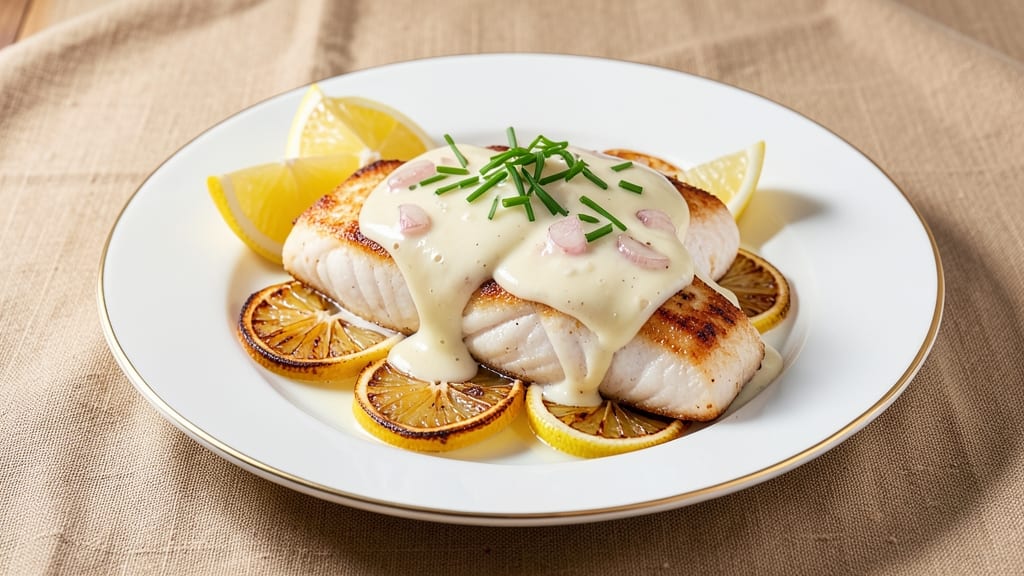
This baked fish in cream sauce recipe transforms simple white fish into a restaurant-worthy dish with just 15 minutes of hands-on time. The secret lies in a velvety white wine cream sauce that clings to every flake, while pan-searing the fish first ensures crisp edges and tender centers.
I developed this technique after years of testing—it’s the kind of recipe that elevates a weeknight dinner into something special without requiring advanced skills.
The process starts with searing the fish in a hot pan to lock in moisture, then transferring it to the oven where the sauce simmers into perfection. A splash of white wine adds brightness, while fresh herbs like dill and lemon zest lift the flavors without overpowering.
The sauce thickens just enough to coat the fish beautifully, creating a dish that’s both elegant and approachable.
What you’ll end up with is flaky, buttery fish swimming in a luscious cream sauce that’s rich yet balanced—no heavy, cloying aftertaste. The sauce’s silky texture melts with each bite, making every forkful feel luxurious.
This recipe works beautifully with cod, tilapia, or halibut, and pairs effortlessly with roasted vegetables or crusty bread.
Best of all, it’s a foolproof method that delivers professional results at home. Whether you’re cooking for a date night or a family dinner, this dish delivers restaurant-quality flavor with minimal effort. Let’s get started—your taste buds will thank you.
Ingredients for baked fish in cream sauce
Foolproof ingredients for restaurant-quality fish that melts in your mouth with velvety wine cream sauce.
| Ingredient | Amount | Notes |
|---|---|---|
| White Fish Fillets 🐟 | 4 pieces | Cod, tilapia, or halibut preferred |
| Unsalted Butter 🧈 | ½ cup | Cold, cut into pieces |
| Shallots 🧅 | 2 whole | Minced, for aromatic base |
| Garlic Cloves 🧄 | 3 cloves | Minced, for depth of flavor |
| Dry White Wine 🍷 | ½ cup | Sauvignon Blanc or Pinot Grigio |
| Heavy Cream 🥛 | 1 cup | Full-fat for richness |
| Fresh Dill 🌿 | ¼ cup | Chopped, for bright freshness |
| Lemon Zest 🍋 | 1 tbsp | From 1 organic lemon |
| All-Purpose Flour 🌾 | 1 tbsp | For sauce thickening |
| Salt 🧂 | 1 ½ tsp | Kosher or sea salt |
| Ground Black Pepper 🌶️ | ½ tsp | Freshly ground for heat |
| Olive Oil 🫒 | 1 tbsp | For searing fish |
The fish is the star, so don't compromise on quality. Wild-caught cod or halibut from the seafood counter at Whole Foods or your local fishmonger delivers the best texture. Look for fillets with a firm, translucent sheen and minimal brown spots. If you're using frozen fish, thaw it overnight in the fridge—never at room temperature. The butter matters too: European-style unsalted butter like Plugrá has higher fat content, which gives the sauce that luxurious mouthfeel. Keep it cold until you're ready to sear, then cut it into small pieces for even melting. For the wine, grab a bottle of Sauvignon Blanc or Pinot Grigio—something crisp and dry that won't overpower the delicate fish flavors.
No white wine? Dry vermouth or fish stock works in a pinch, but the acidity is key here. Fresh dill is ideal, but dried dill at one-third the amount gets you close if you're in a bind. The flour is just a quick thickener—if you're watching carbs, you could use cornstarch instead. For the lemon, zest only—the juice would make the sauce too acidic. If you can't find shallots, 1 small yellow onion minced fine works perfectly. The olive oil should be light, not extra-virgin—you don't want that strong peppery flavor cutting through the delicate sauce. And trust me on the pepper: freshly ground makes all the difference compared to pre-ground.
This sauce is best made fresh, but it reheats beautifully—just warm gently on the stove with a splash of water or cream to loosen it up. Store leftovers in an airtight container in the fridge for up to 3 days, though I find it's always better the first day. The fish itself keeps for 1 day in the fridge if not using immediately, but I recommend cooking it fresh for peak texture. For make-ahead prep, you can assemble everything except the final bake—just refrigerate the dish (covered) for up to 4 hours before baking. The sauce will thicken slightly in the fridge, so you might need to add a splash of cream when reheating.
Why You'll Love This Recipe
- One-Pan Magic: I swear by this recipe when I’m too tired to scrub pots—just toss the fish, sauce, and herbs on a sheet, bake, and walk away. The butter and wine do all the heavy lifting while you sip your glass of that same white wine you’re cooking with (no judgment).
- Rich Without Effort: That creamy sauce? It’s basically melted butter, wine, and shallots—simple, but ridiculously flavorful. The garlic sneaks in just enough punch to make it taste like a fancy bistro dish, not a weeknight hack.
- Weeknight or Dinner Party: Between us, this is my go-to when my in-laws drop by unannounced or when I’m eating alone in my pajamas. The same dish works for both—just plate it with crusty bread for casual or a sprinkle of parsley for "I tried" vibes.
- Leftovers That Don’t Suck: Honestly, I always make extra. The sauce thickens beautifully the next day, and reheating it turns it into a creamy, dreamy pasta topping or a quick filling for toast. (Pro tip: Add a splash of milk if it’s too stiff.)
Step-by-step instructions for baked fish in cream sauce
Here's how to create a restaurant-worthy dish with tender fish and velvety sauce.
Season and Sear the Fish Fillets
Preheat your oven to 375°F. Pat the 4 pieces white fish fillets completely dry with paper towels—this ensures a crispy skin. Place them on a wire rack set over a baking sheet to allow air circulation on all sides.
In a small bowl, mix 1.5 teaspoons salt, 0.5 teaspoon ground black pepper, and the 1 tablespoon lemon zest. Sprinkle this evenly over both sides of each fillet. Let them sit at room temperature for 10 minutes while you prepare the sear.
Heat 1 tablespoon olive oil in an oven-safe skillet over medium-high heat. Place the seasoned fillets in the skillet and sear for 2-3 minutes per side until golden brown. The edges should lift easily when gently prodded with a spatula—this indicates they're ready for baking.
Build the Aromatic Sauce Base
Remove the skillet from the heat and reduce the temperature to medium. Add 0.5 cup cold unsalted butter cut into pieces and let it melt slowly, about 2 minutes. This gradual melting prevents the butter from burning and adds richness to the sauce.
Add the 2 minced shallots and 3 minced garlic cloves to the skillet. Cook for 3-4 minutes until the shallots soften and become translucent, but don't let them brown. This step develops the foundational flavor for the sauce.
Deglaze the skillet with 0.5 cup dry white wine, scraping up any browned bits from the bottom. Let the wine simmer for 2-3 minutes until reduced by half. This reduction intensifies the wine's flavor and removes any alcohol sharpness.
Thicken and Finish the Cream Sauce
Sprinkle 1 tablespoon all-purpose flour over the wine mixture and stir vigorously for 1-2 minutes until fully incorporated. This creates a smooth paste that will thicken the sauce. Return the skillet to medium heat and cook for another 2 minutes to cook off the raw flour taste.
Gradually whisk in 1 cup heavy cream, about ¼ cup at a time, allowing each addition to partially incorporate before adding more. This slow addition prevents the sauce from curdling. Stir constantly for 3-4 minutes until the sauce thickens to a velvety consistency that coats the back of a spoon.
Remove the skillet from heat and stir in the 0.25 cup chopped fresh dill. Taste and adjust seasoning with additional salt or pepper if needed. The sauce should be rich, slightly tangy from the lemon, and perfectly balanced in flavor.
Bake and Serve the Fish
Transfer the seared fish fillets to the skillet with the sauce, spooning some sauce over each fillet. Place the skillet in the preheated 375°F oven and bake for 8-10 minutes until the fish is just opaque in the center and flakes easily with a fork.
Watch carefully during the last 2 minutes of baking—overcooking will make the fish dry. The sauce should bubble gently around the edges but not boil vigorously. Remove from the oven and let the fish rest for 2-3 minutes before serving.
To serve, spoon the remaining sauce over the fillets and garnish with additional chopped dill. The fish should be tender with flaky texture, and the sauce should coat each bite beautifully. Serve immediately with steamed vegetables or crusty bread to soak up the delicious sauce.
Pro Tips For Making Baked Fish In Cream Sauce
- DEGLLAZE FIRST, THEN SAUCE: I learned this the hard way—don’t just toss the wine in and walk away. After searing shallots and garlic in butter, hit the pan with a splash of white wine immediately and let it bubble for 30 seconds. That quick deglaze pulls up all the browned bits before you add cream, or you’ll end up with a thin, pale sauce instead of something rich and flavorful.
- PAT DRY THE FISH: This isn’t the prettiest method, but it’s the tastiest. Use paper towels to blot the fillets thoroughly—even if they look dry, press harder. Wet fish steams instead of browning, and your sauce will turn greasy instead of velvety. (Yes, even if you’re impatient like me.)
- SKIP THE CROWDED PAN: After searing shallots and garlic, resist the urge to pile everything in one spot. Spread them out in the pan so they cook evenly without burning. I used to rush this and end up with bitter, charred bits that ruined the whole dish—now I give them space.
- USE COLD CREAM: Sounds weird, but it works: stir the cream into the warm (not hot) pan after deglazing. Cold cream thickens better and doesn’t curdle when it hits residual heat. If you add it straight from the fridge, your sauce will be silky instead of grainy. (Your future self will thank you.)
Make-ahead tips for this dish
Prep Sauce Ahead
Make the cream sauce up to 24 hours in advance for deeper flavor development. Store it in an airtight container in the fridge, covering the surface with plastic wrap to prevent a skin from forming.
When ready to bake, reheat the sauce gently over medium-low heat, adding 1-2 tablespoons heavy cream if it thickens too much. I like to stir in extra lemon zest or fresh dill just before serving to brighten the flavors. 💫
Assemble in Advance
Season and sear the fish fillets 4 hours ahead of baking time, then refrigerate them uncovered on a wire rack. This keeps them dry and prevents sogginess. When ready to bake, simply transfer the chilled fillets to the preheated skillet with the warmed sauce.
The cold fish will cook through more evenly, ensuring perfect doneness. Just add 2-3 extra minutes to the baking time if starting from cold. ⏰
Freezer-Friendly Sauce
For longer storage, freeze the completed sauce in single-serving portions in heavy-duty freezer bags. Thaw overnight in the fridge, then reheat gently on the stovetop. When using frozen sauce, add 1 tablespoon extra heavy cream to compensate for moisture loss during freezing.
I've found that frozen sauce works best for quick weeknight dinners—just thaw, reheat, and add fresh fish. 🥶
Fish Prep Shortcut
Skip the searing step entirely for a one-pan bake method. Pat the fish dry, season it, and place it directly in a baking dish with the sauce. Bake at 400°F for 12-15 minutes until the fish flakes easily.
While not as crispy, this method still delivers tender, flavorful fish with minimal effort. Perfect for busy weeknights when you don't want to heat multiple pans. 🍽️
Make-Ahead Serving Platter
Assemble the complete dish 2 hours ahead and refrigerate it covered. When ready to serve, bake at 375°F for 10-12 minutes—just long enough to warm through. The sauce may thicken slightly during chilling, so add a splash of cream when reheating.
Garnish with fresh herbs right before serving to keep everything vibrant. This is my go-to method for holiday dinners when timing needs to be precise. ✨
Sauce Booster Ideas
Enhance your make-ahead prep by adding flavor boosters to the sauce. Stir in 1 teaspoon Dijon mustard or ½ teaspoon smoked paprika when reheating for extra depth. For a spicy kick, add ¼ teaspoon cayenne pepper just before serving.
These additions work beautifully with the prepped sauce and elevate the dish without extra effort. 🌶️
Nutrition facts
Frequently asked questions
What's the best type of fish for this cream sauce recipe?
White fish with firm, flaky textures work best—cod, tilapia, or halibut are my top picks. Avoid delicate fish like sole or flounder, which can fall apart too easily in the sauce. For extra richness, try salmon (though it's not white fish) with a touch of honey in the sauce.
Can I substitute white wine with something else?
Yes! Use dry vermouth or fish stock in equal amounts if you don't have white wine. For a non-alcoholic version, try apple cider vinegar or lemon juice (reduce by half) plus a splash of water. The acidity is key to balancing the cream sauce.
Why did my sauce get lumpy when adding the cream?
This happens when the flour isn't fully dissolved or the cream is added too quickly. Always whisk the flour into the wine first until smooth, then add cream gradually while stirring constantly. For extra insurance, temper the cream by mixing a spoonful into the hot sauce first.
How do I know when the fish is fully cooked?
The fish is done when it reaches 145°F internally and flakes easily with a fork. For visual cues, look for opaque flesh that's just starting to separate at the edges. Overcooking by even 1 minute can make it dry—watch carefully during the last 2 minutes of baking.
Can I make this dish ahead of time?
Assemble everything (except baking) up to 4 hours ahead and refrigerate. For make-ahead baking, chill the assembled dish, then bake at 375°F for 10-12 minutes. The sauce may thicken slightly—just add a splash of cream when reheating.