
Sauces & Condiments
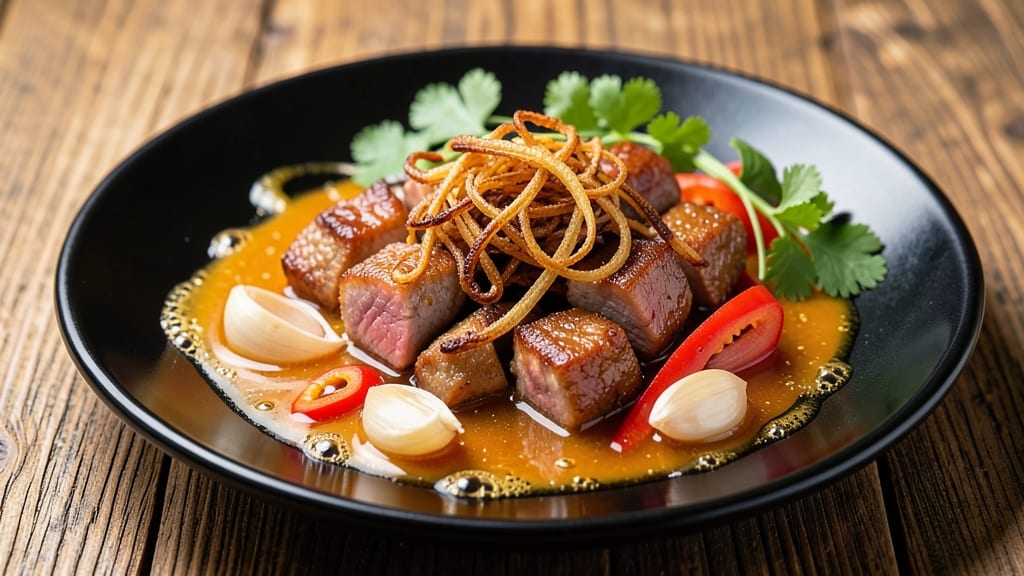
This authentic Chinese sweet and sour sauce transforms any dish with its perfect balance of tangy vinegar and sweet ketchup. The secret lies in crispy fried onions that add irresistible texture, while traditional seasonings like garlic, ginger, and chili create depth.
Unlike store-bought versions, this recipe delivers restaurant-quality flavor with simple pantry staples and just 20 minutes of active time.
The sauce begins with a base of ketchup and vinegar, where the acidity is carefully balanced by sugar for that signature sweet-tangy profile. Fresh garlic and ginger are sautéed to release their aromatic oils, forming the flavor foundation.
A splash of soy sauce and a pinch of red pepper flakes add umami and subtle heat, while cornstarch creates a silky, clingy consistency perfect for dipping or glazing.
What sets this sauce apart is the crispy fried onions—lightly browned in oil until golden and crunchy, then folded into the warm sauce at the very end. These onions provide a textural contrast that makes every bite exciting.
The sauce thickens beautifully when reheated, making it ideal for meal prep or serving alongside your favorite takeout dishes.
Store it in an airtight container for up to two weeks, or freeze for longer shelf life. Whether drizzled over crispy fried chicken, tossed with stir-fried vegetables, or served as a dipping sauce for spring rolls, this authentic Chinese sweet and sour sauce will elevate your cooking with minimal effort.
Ingredients for authentic chinese sweet and sour sauce
Nine simple ingredients deliver restaurant-quality sweet and sour sauce with crispy onion crunch.
| Ingredient | Amount | Notes |
|---|---|---|
| Ketchup 🍅 | ½ cup | High-quality for authentic flavor |
| White Vinegar 💧 | ½ cup | Distilled white preferred |
| Granulated Sugar 🍚 | ½ cup | White or brown sugar works |
| Soy Sauce 🥢 | 2 tbsp | Light or dark variety |
| Cornstarch 🌾 | 1 tbsp | For silky consistency |
| Fresh Garlic Cloves 🧄 | 3 cloves | Minced for aromatic base |
| Fresh Ginger 🌿 | 1 tbsp | Grated, for zesty kick |
| Red Pepper Flakes 🌶️ | ½ tsp | Adjust for heat preference |
| Yellow Onions 🧅 | 1 whole | Thinly sliced for frying |
| Vegetable Oil 🫒 | ½ cup | For frying onions |
| Salt 🧂 | ½ tsp | Kosher or sea salt |
The onions are the star—yellow onions cut into thin strips fry up perfectly crispy. Trader Joe's has the best prices for bulk onions, or grab a bag from the store's produce section. If you're short on time, frozen diced onions work in a pinch (just pat them dry first). The garlic and ginger are non-negotiable though—fresh is essential for that authentic flavor. I always grab extra ginger because it keeps for weeks in the freezer once peeled and chopped.
No ketchup? Plum sauce or hoisin sauce can substitute at half the amount. Short on vinegar? Rice vinegar works too, though it's slightly milder. The red pepper flakes can be swapped for Sichuan peppercorns if you want a different kind of heat. For the cornstarch, make sure it's pure—arrowroot powder works too if you prefer. The soy sauce matters here: Kikkoman is reliable, but Lee Kum Kee adds extra depth if you're feeling fancy.
This sauce keeps beautifully—2 weeks in the fridge or 3 months in the freezer. I like to portion it into small jars for easy dipping. The crispy onions stay crunchy for about 3 days in the fridge, so add them fresh when serving. For extra crispiness, fry the onions in peanut oil—it adds a nutty flavor that pairs perfectly with the sweet-tangy sauce.
Why You'll Love This Recipe
- Pantry Magic Ready: I swear, I’ve made this sauce with exactly what’s in my cabinet—no fancy shopping required. The ketchup and vinegar cut through the sugar’s sweetness while the soy sauce adds that deep umami punch, all without a single specialty ingredient.
- Tangy-Sweet Balance: That first bite? It’s like a party in your mouth—bright from the vinegar, rich from the sugar, and just a hint of salty from the soy. The cornstarch slurry thickens it just right, so it clings to everything (chicken, veggies, even fries) without being gloppy.
- Leftovers That Last: Honestly, I usually double the batch because this sauce keeps for weeks in the fridge. Toss it on takeout noodles, stir into fried rice, or drizzle over eggs—it’s my lazy Sunday go-to when I’m not in the mood to cook.
- Budget-Friendly Flex: Between us, this is one of those recipes where you’re paying for flavor, not ingredients. A splash of vinegar, a spoonful of sugar—it’s the kind of sauce that costs pennies but makes everything taste like a restaurant dish. (Yes, even on a Tuesday night.)
Step-by-step instructions for authentic Chinese sweet and sour sauce
Let's create a sauce that balances tangy, sweet, and savory flavors with that signature crispy onion crunch.
Fry the Onions Until Crispy
Slice the 1 whole yellow onion into thin strips about ⅛-inch thick. Heat the 0.5 cup vegetable oil in a large skillet over medium heat until shimmering but not smoking. Add the onions in a single layer and fry for 8-10 minutes, stirring occasionally, until they turn golden brown and crispy.
Here's the thing—don't rush this step. The onions need to crisp up completely for that authentic crunch. If they start to brown too quickly, reduce the heat slightly. Once they're perfectly crisp, remove them with a slotted spoon and drain on paper towels. Set aside—they'll add texture to your finished sauce.
Build the Sauce Base
In the same skillet (no need to clean it—the browned bits add flavor), add the 3 cloves fresh garlic cloves that you've minced and the 1 tbsp fresh ginger that you've grated. Cook over medium heat for 1 minute until fragrant but not browned. Add the 0.5 cup ketchup, 0.5 cup white vinegar, and 0.5 cup granulated sugar, stirring to combine.
Bring the mixture to a gentle simmer and let it cook for 5 minutes until the sugar dissolves and the flavors meld. This is where the sweet-tangy balance begins to develop. You'll know it's ready when the sauce thickens slightly and the raw vinegar smell mellows into something more complex.
Thicken the Sauce
In a small bowl, whisk together the 2 tbsp soy sauce and 1 tbsp cornstarch until smooth. Slowly pour this mixture into the simmering sauce while stirring constantly. The sauce will thicken immediately—this is the moment that matters. Keep stirring for another 2-3 minutes until it reaches a glossy, syrupy consistency.
Real talk: If the sauce looks too thick, add 1-2 tablespoons of water to loosen it. You want it to coat the back of a spoon but still flow freely. Season with the 0.5 tsp salt and 0.5 tsp red pepper flakes, adjusting to taste. The sauce should be sweet, tangy, and slightly spicy—just like the one you'd find in a Chinese restaurant.
Combine and Finish
Return the crispy onions to the skillet and toss them gently in the sauce until they're evenly coated. Let the sauce simmer for another 1-2 minutes so the onions absorb some of the flavor. Taste and adjust the seasoning if needed—you might want a touch more sweetness or tang, depending on your preference.
Remove the sauce from heat and let it cool slightly before serving. This sauce is best used immediately, whether you're tossing it with chicken, pork, or vegetables. The crispy onions add a delightful textural contrast that makes this sauce truly authentic and irresistible.
Pro Tips For Making Authentic Chinese Sweet And Sour Sauce
- Simmer Low and Slow: I learned this the hard way—boiling sweet and sour sauce too hard turns it into glue. Keep the heat at a gentle simmer (just bubbles occasionally) while stirring constantly. This lets the sugar caramelize properly without burning, giving you that glossy, balanced sauce instead of a sticky mess.
- Balance Vinegar Last: Taste as you go, but add white vinegar after sugar and ketchup have melded. Too much early? The acid will fight the sweetness and make your sauce taste harsh. Add it drop by drop once the sauce is thickened—you can always add more, but you can’t take it out.
- Skip the Pre-Mixed Ketchup: Store-bought ketchup has weird additives that dull the sauce’s depth. Use tomato paste instead—just 1 tablespoon—mixed with a splash of water to thin it. It gives you real tomato flavor without the filler, and your sauce will taste fresher, not processed.
- Thicken in Two Stages: Mix cornstarch with cold water first (1:1 ratio), then add it twice: once when the sauce starts to thicken, and again if it’s still too runny. Stirring vigorously after each addition prevents lumps and ensures a silky finish—no one likes gummy sauce, especially when you’re aiming for authentic.
Regional styles of this recipe
Cantonese Style
The Cantonese version of sweet and sour sauce leans lighter on sugar and more on vinegar, creating a sharper tang that's perfect for dipping crispy fried chicken or shrimp.
Use 0.4 cup sugar instead of 0.5 cup and increase the white vinegar to 0.6 cup for that classic Hong Kong-style balance. Add 1 tbsp rice wine vinegar for extra depth—it brightens the flavors without overpowering them. 💛
Sichuan Spicy Twist
For a Sichuan-inspired version, swap the red pepper flakes for 1 tsp Sichuan peppercorns (toasted and ground) and add 1 tbsp chili bean paste for a numbing, spicy kick. The heat level is intense, so start with ½ tsp and adjust to taste.
This version pairs perfectly with mapo tofu or dry-fried noodles—the sweetness balances the fiery Sichuan flavors beautifully.
Fujian Light Version
Fujian cuisine favors a lighter, more delicate sweet and sour sauce. Reduce the ketchup to 0.3 cup and replace it with 2 tbsp plum sauce for a subtler sweetness. Add 1 tsp grated lemon zest and 1 tsp sesame oil at the end for a citrusy, nutty finish.
This version works wonderfully with steamed fish or stir-fried bok choy.
Modern Fusion Adaptation
For a contemporary twist, blend 2 tbsp hoisin sauce into the base for extra umami depth. Add 1 tsp fish sauce (like Red Boat) and 1 tsp honey to replace half the sugar.
This fusion version is perfect for glazing grilled pork skewers or drizzling over crispy tofu. The honey adds a floral note that elevates the sauce to restaurant-quality sophistication. ✨
Northern Chinese Simplicity
Northern Chinese regions often simplify the sauce by omitting the crispy onions and focusing on a smoother, more savory-sweet profile. Use 0.3 cup ketchup, 0.4 cup white vinegar, and 0.6 cup sugar for a thicker, syrupy consistency.
Add 1 tbsp fermented black bean paste for a deep, earthy flavor. This version is ideal for braised dishes like red-braised pork or eggplant in garlic sauce.
Nutrition facts
Frequently asked questions
Can I make this sauce without ketchup?
For an authentic Chinese version, replace the ketchup with 2 tbsp plum sauce or 1 tbsp hoisin sauce plus 1 tbsp tomato paste. The plum sauce adds natural sweetness while keeping the sauce's traditional depth. For a vegetarian option, use 2 tbsp tamari plus 1 tbsp date syrup to mimic the sweet-tangy balance.
Why do my onions turn soggy instead of crispy?
This happens when the oil isn't hot enough or the onions overlap in the pan. Use medium-high heat and fry in a single layer for 8-10 minutes, stirring occasionally. Pat the onions completely dry before frying—even a little moisture will prevent crispiness. If they start to soften, remove them early and finish in the oven at 400°F for 5 minutes.
How can I adjust the sweetness or tanginess?
For more sweetness, add 1 tbsp extra sugar at the end. For extra tang, increase the vinegar by 1 tbsp or add ½ tsp lemon juice. The key is balance—taste as you go! Start with small adjustments, as the sauce thickens and flavors concentrate when reheated. Store-bought versions often use more sugar, so this recipe's tangier profile might surprise you.
Can I make this sauce in a slow cooker?
Yes, but with adjustments! Fry the onions separately first. In the slow cooker, combine all ingredients except the crispy onions and cook on High for 1.5 hours, stirring occasionally. The sauce will thicken more, so add 1-2 tbsp water if needed. Stir in the onions at the very end to maintain their crispiness. The slow cooker method works well for meal prep—just reheat gently before serving.
What's the best way to store leftovers?
Transfer the sauce to an airtight container and refrigerate for up to 2 weeks. The crispy onions stay crunchy for about 3 days, so add fresh ones when reheating. For longer storage, freeze the sauce (without onions) for up to 3 months. Thaw overnight in the fridge—never microwave directly from frozen. The texture may thicken further when reheated, so add a splash of water if needed.