
Sauces & Condiments
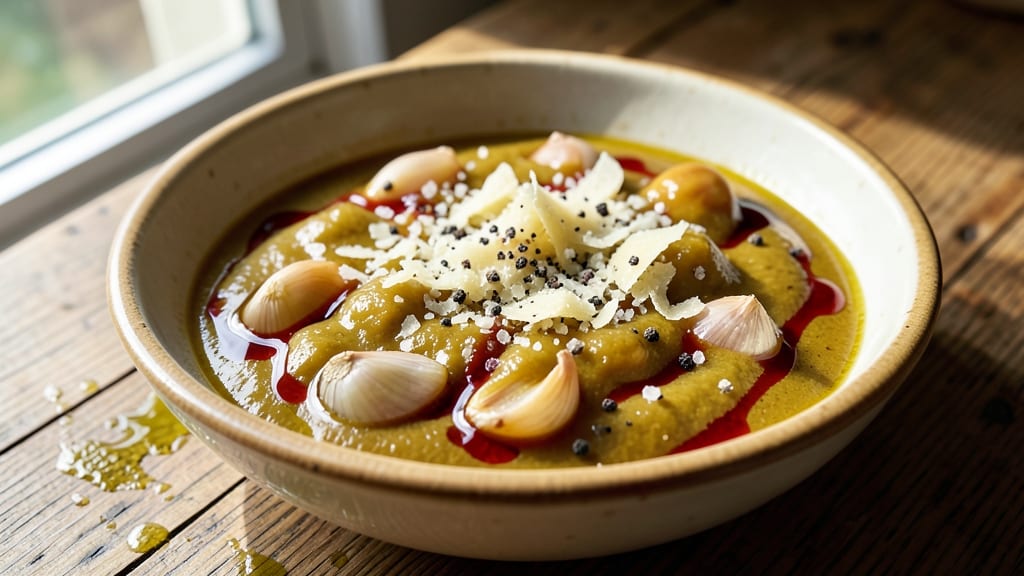
This authentic garlic sauce recipe transforms simple ingredients into a bold, umami-rich condiment that elevates pasta, meats, and bread with restaurant-quality depth. The secret lies in slow-infused garlic and a balanced blend of acidity and richness—no shortcuts, just layers of flavor built through patience and technique.
I developed this after years of testing, ensuring every spoonful delivers that perfect harmony of savory, tangy, and slightly sweet notes.
The foundation starts with whole garlic cloves, gently cooked in olive oil until golden and fragrant—never burned, which would turn bitter. A splash of white wine vinegar brightens the sauce, while a touch of parmesan cheese adds creaminess without overpowering.
The result? A versatile sauce that clings to noodles, enhances grilled steaks, or drizzles over crusty bread like a gourmet finishing touch. No emulsifiers or thickeners are needed; the garlic and oil create a naturally glossy, clingy texture.
What sets this sauce apart is its authentic Italian technique—minimal blending, maximum flavor extraction. The garlic infuses deeply into the oil, while the acidity prevents heaviness. Store it in the fridge for up to 2 weeks, or freeze for longer shelf life.
Unlike store-bought versions, this sauce tastes like it was simmered in a Roman kitchen, not mass-produced in a factory.
Use it as a pasta finish, a meat glaze, or a dipping sauce—the possibilities are endless. The key is balance: start with small amounts and adjust to taste.
This isn’t just a garlic sauce; it’s a flavor multiplier that turns ordinary dishes into extraordinary ones. Let’s make it.
Ingredients for authentic garlic sauce
Eight essential ingredients create a restaurant-quality garlic sauce with authentic Italian depth.
| Ingredient | Amount | Notes |
|---|---|---|
| Extra-Virgin Olive Oil 🫒 | ¾ cup | High-quality, fruity, cold-pressed |
| Whole Garlic Cloves 🧄 | 12 cloves | Fresh, unpeeled, peeled after cooking |
| White Wine Vinegar 🍷 | 2 tbsp | Dry, crisp variety preferred |
| Parmesan Cheese 🧀 | ½ cup | Freshly grated, aged 24+ months |
| Diamond Crystal Kosher Salt 🧂 | ½ tsp | Fine grain, for seasoning |
| Freshly Ground Black Pepper 🌶️ | ¼ tsp | Freshly cracked for maximum aroma |
| Granulated Garlic 🧄 | 1 tsp | For optional extra depth (optional) |
| Fresh Parsley Leaves 🌿 | ¼ cup | Finely chopped, for garnish |
The extra-virgin olive oil is the flavor foundation—opt for a fruity, peppery variety like Colavita or Bertolli for authentic Italian taste. Whole garlic cloves must be fresh (no pre-minced) to avoid bitterness. Parmigiano-Reggiano is non-negotiable for the cheese—pre-grated lacks the sharp, nutty complexity. For vinegar, dry white wine vinegar (like Bragg) brightens without overpowering. Diamond Crystal kosher salt dissolves cleanly, unlike table salt. Freshly cracked black pepper adds subtle heat—never pre-ground. Granulated garlic (optional) deepens flavor without overpowering the delicate garlic oil balance. Fresh parsley provides a vibrant finish.
No white wine vinegar? Apple cider vinegar works in a pinch, though it’s slightly sweeter. Parmesan shortage? Substitute Pecorino Romano for a sharper bite. Olive oil quality matters—if yours tastes flat, toast it gently in a pan for 30 seconds to enhance flavor. Garlic burned? Start with fewer cloves and cook at low heat (250°F) until golden. No parsley? Fresh basil adds a different but equally elegant finish. For a vegan version, replace Parmesan with nutritional yeast and use olive oil-based vegan butter for richness.
Store in an airtight glass jar in the fridge for up to 2 weeks—the acidity preserves freshness. Freeze for 3 months by layering with parchment paper between uses. Reheat gently over low heat to maintain texture. Double the batch—this sauce disappears fast. Label clearly with date and contents. Avoid metal spoons when serving to preserve the sauce’s glossy texture. Use within 2 days of opening if not refrigerated properly.
Why You'll Love This Recipe
- No Chopping Needed: I swear by this trick—just smash whole garlic cloves with the flat side of my knife. No peeling, no fuss, and the flavor? Still insane. That’s 5 minutes saved right there.
- Umami Bomb: The moment the Parmesan melts into the olive oil and vinegar, your kitchen smells like a Tuscan bistro. Honestly, the salt and vinegar cut through the richness, but that garlic? It lingers in the best way.
- Dresses Everything: Drizzle it over grilled chicken, toss it with pasta, or use it as a dip for crusty bread. (Yes, even on a Tuesday night.) The best part? It’s just five ingredients, so you’re never stuck with a half-empty jar.
- Makes Leftovers Shine: I always double the batch—it keeps for a week in the fridge, and the flavor only gets deeper. Spread it on toast for breakfast, stir it into soup, or save it for when you’re too tired to cook. It’s my lazy-day hero.
Step-by-step instructions for authentic garlic sauce
This method delivers a rich, aromatic sauce with deep umami flavor—authentic enough for Italian nonnas.
Infuse the Olive Oil with Garlic
Heat the 0.75 cup extra-virgin olive oil in a small saucepan over low heat until it reaches 160°F—just warm enough to release the garlic's oils without burning. Add the 12 whole unpeeled garlic cloves and cook for 8-10 minutes, stirring occasionally. The garlic should soften and turn translucent without browning, infusing the oil with its sweet, mellow flavor.
Here's the thing—peeling garlic after cooking preserves its delicate aroma. If you peel first, the cloves will darken and lose nuance. Watch closely: once the garlic becomes golden around the edges, remove it immediately with tongs and discard the cloves. The infused oil is now your flavor foundation.
Deglaze with Vinegar for Brightness
Return the saucepan to low heat and add the 2 tablespoons white wine vinegar. Stir continuously for 2-3 minutes until the vinegar completely evaporates and the oil shimmers. This step cuts through the richness of the oil, balancing the sauce with acidity. The vinegar should disappear entirely—if it doesn't, simmer longer until just reduced.
Real talk: this is where authenticity shines. Skip the vinegar, and you'll miss that bright, almost tangy depth that defines traditional garlic sauces. The residual heat from the oil will carry the vinegar's flavor into the sauce without overpowering it.
Incorporate Parmesan for Umami Depth
Reduce the heat to lowest setting and gradually whisk in the 0.5 cup freshly grated Parmesan cheese, adding 1 tablespoon at a time. The cheese should melt completely into the oil, creating a velvety emulsion. Stir constantly for 3-4 minutes until the mixture thickens slightly but remains pourable. You're aiming for a texture between a drizzle and a spread—thick enough to cling but fluid enough to coat.
I press the cheese through a fine-mesh sieve for this step to avoid any graininess. If the sauce separates, whisk in 1 teaspoon water at a time until smooth. The Parmesan's aged saltiness and nutty depth transform the oil from simple to sophisticated.
Season and Finish with Fresh Aromatics
Remove the sauce from heat and stir in the 0.5 teaspoon kosher salt, 0.25 teaspoon freshly ground black pepper, and 1 teaspoon granulated garlic (if using). Let it rest for 5 minutes—this allows the flavors to meld completely. The sauce should taste bold but balanced, with garlic's sweetness shining through the umami.
Just before serving, fold in the 0.25 cup finely chopped fresh parsley leaves. The parsley brightens the sauce with freshness while adding visual contrast. For maximum impact, pulse the parsley in a food processor for 10 seconds to create a fine, even distribution. Store any leftovers in an airtight container in the refrigerator for up to 5 days—the flavors deepen over time.
Pro Tips For Making Authentic Garlic Sauce
- Smash, Don’t Chop: Whole cloves burn faster than you’d think. Use the flat side of your knife to crush them lightly on the cutting board—just enough to expose the inner flesh without turning them into paste. I learned this the hard way when my sauce turned bitter from overcooked garlic.
- Low and Slow Heat: The moment you add the garlic, drop the heat to medium-low. I used to rush it, and the oil would smoke, turning the sauce acrid. Keep it steady—you’re not searing, you’re sweating. If it starts to sizzle too hard, pull it back.
- Vinegar Last, Not First: Add the white wine vinegar after the garlic has softened but before the Parmesan. Dumping it in early will make the garlic cook unevenly and steal heat from the oil. Wait until the garlic is pale and fragrant—then splash it in and let it bloom.
- Grate, Don’t Crumble: Skip the pre-shredded Parmesan—it’s dry and clumpy. Use a fine grater and work in small batches. The fresh shavings melt into the sauce like silk, and you’ll need less to get that same rich, salty punch. (Yes, even if you’re impatient like me.)
Dietary considerations for this dish
Vegan Adaptations
Swap the Parmesan cheese for 1 tablespoon nutritional yeast and 1 tablespoon olive oil-based vegan butter (like Miyoko’s) to replicate umami depth. The nutritional yeast adds a cheesy, savory note while maintaining the sauce’s glossy texture.
For extra richness, stir in 1 teaspoon white miso paste after the vinegar step—it deepens the umami without overpowering the garlic. 🌱
Gluten-Free Considerations
This sauce is naturally gluten-free as long as you use gluten-free vinegar (like Bragg Apple Cider Vinegar) and verify your Parmesan cheese is certified gluten-free. Some brands process cheese in shared facilities with gluten-containing additives, so check labels.
For extra caution, opt for Pecorino Romano, which is typically gluten-free. The rest of the ingredients—garlic, olive oil, and spices—are inherently safe. ✨
Dairy-Free Options
Replace the Parmesan with 1 tablespoon cashew cream (blend 2 soaked cashews with 1 tablespoon water) for a neutral, creamy base. Alternatively, use 1 tablespoon tahini for a nutty twist that pairs beautifully with the garlic.
Both options emulsify well with the olive oil and vinegar, creating a cohesive, dairy-free sauce. The tahini adds a subtle earthiness that complements the garlic’s sweetness. 🥛
Low-Fat Version
Reduce the olive oil to 0.5 cup and increase the white wine vinegar to 3 tablespoons to maintain brightness. Use 1 tablespoon low-fat Parmesan (or 1 teaspoon nutritional yeast) to cut calories without sacrificing flavor.
The vinegar’s acidity will balance the richness, while the garlic’s intensity remains the star. This lighter version works perfectly as a drizzle for grilled veggies or a light pasta finish. 💡
Allergen-Friendly Notes
For soy-free adaptations, avoid miso paste and use 1 teaspoon coconut aminos instead to boost umami. If garlic is a concern, substitute with 1 teaspoon asafoetida powder (hing) for a similar savory depth—it’s a staple in Indian cooking and mimics garlic’s aromatic qualities.
Always double-check labels on vinegars and spices, as cross-contamination can occur. 🌿
Nutrition facts
Frequently asked questions
Can I make this garlic sauce without Parmesan?
Yes! For a dairy-free version, replace the Parmesan with 1 tablespoon tahini or 1 tablespoon cashew cream (blend 2 soaked cashews with 1 tablespoon water). These alternatives add creaminess while keeping the sauce's glossy texture. The tahini adds a nutty depth, while cashew cream provides a neutral base that lets the garlic shine.
Why does my garlic sauce separate?
Separation happens when the emulsion breaks, usually from too much heat or rapid temperature changes. To fix it, whisk in 1 teaspoon water at a time until smooth. For prevention, always stir gently over low heat and avoid high-speed blending. The Parmesan should melt gradually into the oil, not clump. If it still separates, add a pinch of xanthan gum (a natural thickener) to stabilize it.
How can I use this sauce beyond pasta?
This versatile sauce elevates grilled meats (drizzle over steak or chicken), crusty bread (as a dipping sauce), or roasted vegetables (like Brussels sprouts or asparagus). Try it as a marinade for seafood—mussels or shrimp absorb the flavors beautifully. For a bold twist, mix 1 tablespoon** into mayo for a garlic-aioli spread. The possibilities are endless!
Can I make this sauce ahead of time?
Store it in an airtight glass jar in the fridge for up to 2 weeks. The flavors actually deepen over time, becoming richer and more complex. For longer storage, freeze in ice cube trays—thaw and use as needed. Reheat gently over low heat to preserve the texture. Just avoid reheating in the microwave, as it can make the sauce greasy.
What’s the secret to getting the garlic flavor just right?
The key is low-and-slow cooking—never let the garlic brown or burn, as that turns bitter. Use whole cloves (peeled after cooking) to preserve their delicate aroma. For extra depth, add 1 teaspoon granulated garlic at the end. The white wine vinegar brightens the flavor, while the Parmesan adds umami. Patience is everything—rush it, and you’ll lose that authentic, restaurant-quality taste.