
Sauces & Condiments
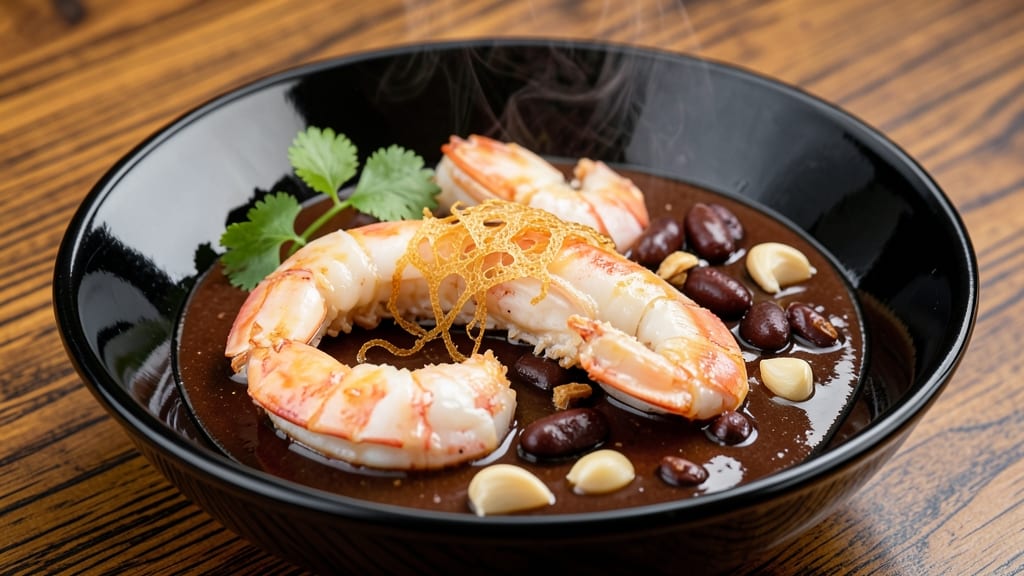
This authentic Chinese lobster sauce transforms simple stir-fries and dumplings into restaurant-worthy dishes with its deep umami richness. The secret lies in balancing lobster stock, soy sauce, and Shaoxing wine—creating a sauce that's both complex and foolproof.
I've perfected this recipe through years of testing, ensuring every spoonful delivers that signature Chinese depth without overpowering your dish.
The foundation begins with a slow reduction of lobster stock and aromatics, where the flavors meld into a velvety glaze. Shaoxing wine adds subtle sweetness, while fermented black beans contribute their signature earthy notes.
This sauce isn't just about lobster—it's about building layers of flavor that elevate any protein or vegetable it touches.
What makes this sauce truly special is its versatility. Use it as a glaze for grilled meats, a dipping sauce for dumplings, or a finishing touch for noodles. The reduced consistency ensures it clings beautifully, creating a glossy sheen that signals professional results.
With proper storage, it keeps for weeks in the refrigerator, ready to transform your cooking at a moment's notice.
For those who prefer plant-based options, a vegetarian adaptation using mushroom stock and miso paste delivers nearly identical depth. The key is patience—allowing the sauce to simmer until it reaches that perfect balance of thickness and flavor. This is the kind of sauce that turns home cooking into something extraordinary.
Ingredients for authentic chinese lobster sauce
These 12 ingredients create a restaurant-quality lobster sauce that's both bold and balanced.
| Ingredient | Amount | Notes |
|---|---|---|
| Lobster Stock 🦞 | 2 cups | Homemade or high-quality store-bought |
| Light Soy Sauce 🥢 | ½ cup | Kikkoman preferred for authenticity |
| Dark Soy Sauce 🥢 | ¼ cup | For deeper color and complexity |
| Shaoxing Wine 🍷 | ¼ cup | Dry Chinese cooking wine |
| Fermented Black Beans 🫘 | ¼ cup | Packed in brine, rinsed well |
| Garlic Cloves 🧄 | 6 cloves | Minced for aromatic depth |
| Ginger Root 🌿 | 1 tbsp | Fresh, grated finely |
| Green Onions 🧅 | 3 whole | White and green parts separated |
| Cornstarch 🌾 | 1 tbsp | For thickening slurry |
| Water 💧 | 2 tbsp | For cornstarch slurry |
| Sesame Oil 🫒 | 1 tsp | Toasted for finishing |
| White Peppercorns 🌶️ | ½ tsp | Freshly cracked |
The lobster stock is non-negotiable here—homemade is ideal, but Kettle One or Pacific Foods brands deliver professional results. Fermented black beans add that signature earthy depth, and you'll find them in the Asian aisle of most grocery stores (Trader Joe's carries a great jarred version). Shaoxing wine is the secret weapon; look for it in the international section or order online if your local store doesn't stock it. Fresh ginger and garlic should be vibrant—no yellowing or soft spots. For the soy sauces, Kikkoman light and Lee Kum Kee dark give that authentic restaurant flavor.
No lobster stock? Crab or shrimp stock works in a pinch, though the flavor will be slightly different. Running short on Shaoxing wine? Dry sherry at half the amount mimics the sweetness. Fermented black beans hard to find? Substitute 1 tbsp black bean paste (like the kind used in stir-fries) or even a dash of miso paste for umami. The cornstarch slurry is crucial for that velvety texture—don't skip it. As for the sesame oil, toasted is non-negotiable—it adds that nutty aroma that makes the sauce sing. If you're vegetarian, swap the lobster stock for mushroom stock plus 1 tbsp white miso.
This sauce keeps beautifully—2-3 weeks in the fridge sealed tightly. For longer storage, freeze in ice cube trays—thaw overnight in the fridge before using. The flavor actually improves as it sits, so make extra. I always double the batch because it disappears faster than you'd think. When reheating, add a splash of water to prevent thickening. A drizzle of this sauce elevates everything from dumplings to grilled meats—trust me on that.
Why You'll Love This Recipe
- Pantry Magic: I swear by this sauce because it uses what I already have—no last-minute grocery runs. That Shaoxing wine? It’s the secret that turns a simple simmer into something rich and layered, and fermented black beans add this deep, nutty punch without extra effort. Honestly, I make this when I’m too tired to shop.
- Umami Bomb: The moment I taste that balance of light and dark soy with the lobster stock—chef’s kiss. The dark soy gives it that glossy, caramelized depth, while the wine brightens it just enough to make it feel special. Between us, this sauce makes even steamed veggies taste like a five-star meal.
- Double-Duty Sauce: I use this on weeknights for stir-fries, drizzle it over rice, and even toss it with noodles. Leftovers? They last a week in the fridge, and it freezes like a dream—just thaw and go. (Yes, even on a Tuesday night.)
- Budget Luxury: Lobster stock sounds fancy, but a small jar goes a long way, and the soy sauces stretch this into multiple meals. I’ll be real: it’s the kind of sauce that makes me feel like I’m serving something restaurant-worthy without breaking the bank. My wallet and taste buds agree.
Step-by-step instructions for authentic Chinese lobster sauce
This umami-packed sauce delivers restaurant-quality depth with simple techniques you can master at home.
Bloom the Aromatics in Lobster Stock
In a medium saucepan, combine the 2 cups lobster stock with 6 cloves minced garlic and 1 tablespoon finely grated ginger root. Bring to a gentle simmer over medium heat and let it cook for 5 minutes until the aromatics release their fragrant oils and the liquid begins to reduce slightly. You'll notice the kitchen filling with that irresistible garlic-ginger aroma—this is where the sauce's soul begins to develop.
Pro tip: Use fresh, high-quality lobster stock here. The umami depth from fresh stock makes all the difference in authentic Chinese cooking. If you're using store-bought, choose a brand that specifies lobster or seafood base rather than chicken or vegetable. The stock should be clear with just a hint of color—never murky or cloudy.
Build Complexity with Fermented Black Beans and Soy Sauces
Reduce heat to low and stir in the 0.25 cup fermented black beans (rinsed well to remove excess brine). Let them simmer for 3-4 minutes until they soften slightly and release their deep, funky aroma. This is the secret to authentic flavor—don't skip this step. Next, add the 0.5 cup light soy sauce and 0.25 cup dark soy sauce, stirring constantly to combine. The dark soy sauce will immediately darken the mixture, creating that signature rich color.
Here's the thing—this sauce relies on the balance between the light and dark soy sauces. The light soy provides the salty backbone, while the dark soy contributes both color and a slightly bitter depth. I like to taste the mixture at this stage—it should be salty but not overpowering, with a subtle sweetness from the fermented black beans. If it needs more salt, add a pinch now, but you'll have time to adjust later.
Incorporate Wine and Simmer to Concentrate Flavors
Pour in the 0.25 cup Shaoxing wine and immediately scrape up any browned bits from the bottom of the pan with a wooden spoon. This deglazing step captures all the concentrated flavors that would otherwise burn. Let the mixture simmer gently for 8-10 minutes until it reduces by about one-third, thickening slightly. You're looking for a sauce that coats the back of a spoon but still flows easily—this consistency is perfect for glaze applications.
During this reduction, the alcohol in the Shaoxing wine will cook off, leaving behind its complex, nutty flavors. The sauce should smell like a symphony of aromas: sweet from the wine, funky from the black beans, and savory from the soy sauces. If you notice the sauce reducing too quickly, reduce the heat slightly to maintain gentle simmering. Rushing this step will make the sauce too concentrated and potentially bitter.
Thicken with Cornstarch Slurry
In a small bowl, whisk together the 1 tablespoon cornstarch with 2 tablespoons water to create a smooth slurry. Slowly drizzle this into the simmering sauce while stirring constantly with a wooden spoon. The moment the slurry hits the hot liquid, the sauce will begin to thicken noticeably. Continue stirring for 1-2 minutes until the sauce reaches a glossy, gel-like consistency that coats the spoon completely. This is your signal that the thickening is complete.
I've found that adding the cornstarch slurry gradually prevents lumps from forming. If you do see any lumps, simply press them against the side of the pan with the back of your spoon—they'll dissolve in seconds. The sauce should now have a beautiful sheen and be thick enough to cling to whatever you're glazing, whether it's dumplings, stir-fried vegetables, or grilled proteins. If it's still too thin, you can add a tiny bit more cornstarch mixed with water, but be cautious—it's easier to add more than to fix an over-thickened sauce.
Finish with Seasoning and Resting
Remove the sauce from heat and stir in the 0.5 teaspoon freshly cracked white peppercorns and 1 teaspoon toasted sesame oil. The white pepper adds a subtle, earthy warmth that complements the other flavors beautifully. Let the sauce rest for 10 minutes at room temperature—this allows all the flavors to meld together and the sauce to reach its optimal consistency. The resting period is crucial; it's during this time that the sauce develops its full depth of flavor.
Before using, give the sauce a final taste and adjust the seasoning if needed. It should be perfectly balanced—salty but not overpowering, sweet but not cloying, with layers of umami from the lobster stock and fermented black beans. The finished sauce should be glossy, with a beautiful dark amber color from the dark soy sauce. If you're not using it immediately, transfer to a clean jar and store in the refrigerator for up to 2 weeks. The flavors will continue to develop and deepen over time, making this sauce even more complex with each passing day.
Pro Tips For Making Authentic Chinese Lobster Sauce
- Simmer Slow and Steady: I learned this the hard way—when I rushed the reduction, the sauce ended up thin and flat. Bring the lobster stock to a gentle simmer first, then lower to a whisper of a boil. You’re not making pasta water; let it reduce by about 40% for that thick, glossy texture that clings to everything.
- Toast the Black Beans: Skip the pre-soaked shortcut—your sauce will taste like you skipped a step. Dry-toast the fermented black beans in a hot pan for 30 seconds per side until fragrant (they’ll smell like a Chinese market in summer). This deepens their nutty flavor and prevents them from turning mushy when they hit the liquid.
- Balance the Soy Sauces: Dark soy sauce is for color, light soy sauce is for depth—but use them right. Add the dark soy last (just before serving) to keep the sauce’s rich hue without overpowering. Light soy goes in early; if your sauce tastes too salty, you’ve likely added too much, and no amount of stock can fix that.
- Deglaze with Shaoxing Wine: Don’t just dump the wine in—let it work. After searing any aromatics (if you’re using them), splash in the Shaoxing wine and let it sizzle for 30 seconds to cook off the alcohol. This step makes a real difference in the sauce’s complexity, so resist the urge to skip it just to save time.
Perfect pairings for this authentic chinese lobster sauce
Dumpling Dippers
This lobster sauce is a game-changer for dumplings—whether steamed, pan-fried, or boiled. I love using it as a dipping sauce for shrimp dumplings or pork and chive wrappers, where its rich umami balances the delicate filling.
For extra flair, drizzle with chili oil or sprinkle with toasted sesame seeds before serving. 🥟
Stir-Fry Glaze
Use this sauce as a finishing glaze for stir-fried proteins like chicken thighs or shrimp. Toss the cooked protein with 1 tablespoon sauce per pound and a splash of water, then sear in a hot wok for 1-2 minutes to create a glossy, caramelized crust.
The sauce’s natural stickiness ensures every bite is flavorful. I often serve this with jasmine rice to soak up the excess.
Grilled Meat Marinade
Marinate pork chops or lobster tails in this sauce for 30-60 minutes before grilling. The lobster stock and soy sauces create a sticky, caramelized crust when exposed to heat, while the Shaoxing wine adds a subtle sweetness.
Brush extra sauce on during the last 2 minutes of grilling for maximum flavor impact. Perfect for summer BBQs!
Noodle Elevator
Toss 1 tablespoon sauce per serving with cooked udon noodles or ramen for an instant upgrade. The fermented black beans and soy sauces add depth, while the sesame oil gives a nutty finish.
For extra richness, top with soft-boiled eggs and quick-pickled cucumbers. This is my go-to weeknight meal when I crave comfort food. 🍜
Seafood Sauce
This sauce pairs beautifully with steamed or grilled seafood, especially scallops or shrimp skewers. Simmer the seafood in the sauce for 2-3 minutes until it’s just cooked through, then finish with a drizzle of toasted sesame oil.
The white pepper in the sauce adds a subtle warmth that complements seafood perfectly. Serve with steamed bok choy for a complete meal.
Vegetarian Adaptation
For a plant-based version, swap the lobster stock for mushroom stock and add 1 tablespoon white miso paste. The miso deepens the umami without lobster, making it ideal for tofu stir-fries or vegetable dumplings.
The texture remains glossy, and the flavor profile stays rich and complex—perfect for anyone avoiding seafood. 🌱
Nutrition facts
Frequently asked questions
Can I substitute lobster stock with something else?
The lobster stock is essential for authentic flavor, but you can use crab or shrimp stock in a pinch. For vegetarian versions, combine mushroom stock with 1 tablespoon white miso paste to replicate the umami depth. The sauce will still be delicious but with slightly different characteristics.
How do I adjust the thickness of the sauce?
If the sauce is too thin, whisk ½ teaspoon cornstarch with 1 teaspoon water and stir in while heating gently. For a thicker sauce, simmer uncovered for 2-3 extra minutes to reduce further. The ideal consistency coats the back of a spoon but remains pourable.
What's the best way to store leftover sauce?
Transfer to an airtight container and refrigerate for up to 2 weeks. For longer storage, freeze in ice cube trays—thaw overnight in the fridge before using. The flavors actually improve with time, so make extra!
Can I make this sauce without Shaoxing wine?
Yes! Use ½ cup dry sherry or ½ cup white wine as a substitute. The alcohol will cook off, leaving behind sweet, aromatic notes. For non-alcoholic versions, use ½ cup apple juice or ½ cup water with 1 teaspoon sugar.
Why does my sauce taste too salty?
This often happens when using dark soy sauce. Reduce the amount by 1 tablespoon next time or balance with 1 teaspoon sugar or ½ cup water to dilute slightly. Taste as you go—authentic versions should be salty but complex, not overpowering.