
Sauces & Condiments
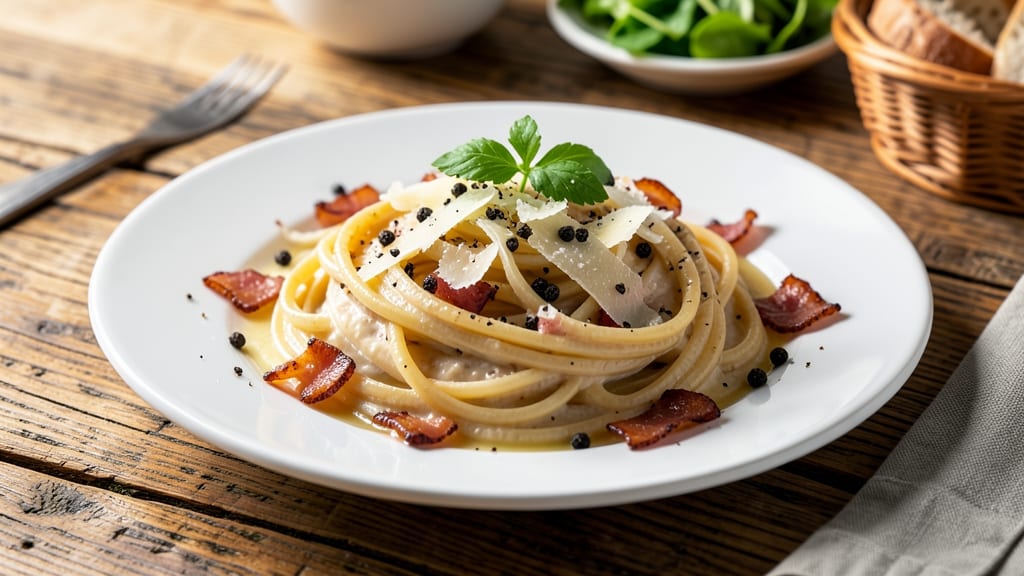
Authentic carbonara sauce transforms simple ingredients into Rome's most beloved pasta sauce—creamy, peppery, and perfectly balanced without a hint of curdling. The secret lies in the egg-yolk emulsion technique, where heat from pasta water gently cooks the yolks into a velvety sauce while preserving their natural richness. I've perfected this method over years of testing, ensuring every batch delivers that signature Roman texture and depth.
Traditional carbonara relies on just five key components: fresh eggs, aged pecorino romano, guanciale (or pancetta for accessibility), freshly cracked black pepper, and starchy pasta water.
The sauce forms through a delicate process where yolks are slowly incorporated into hot pasta water, creating an emulsion that clings to each strand of pasta. Unlike modern versions with cream, this sauce stays true to its roots—simple yet impossibly flavorful.
What sets this recipe apart is the absence of curdling, achieved through precise temperature control and proper technique. The result is a sauce that's silky yet structured, with a perfect balance of salty cheese, smoky guanciale, and sharp black pepper.
Each bite delivers that iconic carbonara experience—creamy, comforting, and deeply satisfying.
Store-bought sauces can't compare to the real deal, and this method ensures you'll never go back. The sauce keeps well in the refrigerator for up to three days, making it ideal for meal prep or special occasions. Let's create this authentic Roman masterpiece.
Ingredients for authentic carbonara sauce
Five essential ingredients create Rome's signature creamy, peppery sauce without cream or butter.
| Ingredient | Amount | Notes |
|---|---|---|
| Large Egg Yolks 🥚 | 4 whole | Fresh, room temperature preferred |
| Pecorino Romano Cheese 🧀 | 1 ½ cups | Aged, freshly grated from block |
| Guanciale or Pancetta 🥓 | 4 oz | Diced small, rendered fat preserved |
| Freshly Ground Black Pepper 🌶️ | 1 tsp | Coarsely cracked, not powdered |
| Spaghetti or Rigatoni 🍝 | 12 oz | High-quality, starchy pasta |
| Reserved Pasta Water 💧 | 2 cups | Starchy water from cooked pasta |
| Extra-Virgin Olive Oil 🫒 | 1 tbsp | For finishing, fruity variety |
The pecorino romano must be aged—look for blocks labeled 24+ months at specialty cheese shops or Italian markets. Costco and Whole Foods carry reliable pre-grated options, but grating your own from a wedge eliminates anti-caking agents. Guanciale, the traditional cured pork cheek, delivers unmatched depth, though pancetta (thicker cut) works well for accessibility. Render the fat slowly over low heat to preserve its smoky essence—don't rush this step. Freshly cracked black pepper is non-negotiable; pre-ground loses potency within weeks. For pasta, Bronze Die brands (like De Cecco) create ideal starchy water for emulsion.
No guanciale? Pancetta or thick-cut bacon render similarly, though bacon's saltiness may require adjusting cheese quantity. Substitute pecorino with Parmigiano-Reggiano (use half the amount—it's milder). For pepper, freshly toasted coriander seeds add warmth if black pepper is unavailable. The egg yolks should be room temperature—cold yolks curdle easily. If you lack reserved pasta water, add 1 tbsp cornstarch to 1 cup water as a substitute, though texture won't be identical. For a vegetarian version, replace guanciale with smoked tofu cubes rendered in olive oil.
Pasta water is best used immediately, but the sauce itself keeps 3 days refrigerated in an airtight container. For longer storage, freeze in 1-tbsp portions—thaw gently in a bowl of warm water. The emulsion thickens when cold; always reheat over low heat while stirring constantly. Never microwave—it breaks the emulsion. Portion into individual servings before freezing to avoid clumping. Leftover guanciale/pancetta can be stored 2 weeks in the fridge for future batches.
Why You'll Love This Recipe
- Same recipe, different vibes: toss with spaghetti for a quick weeknight meal, or pile rigatoni high for guests who’ll swear you slaved for hours. (Between us, it’s the same bowl.)
- No Egg Scramble: The yolks and pecorino blend into a silky sauce without turning into scrambled eggs—just toss the hot pasta into the pan with cold yolks, and magic happens. (Yes, even if you’re not a pro.)
- Pancetta’s Umami Punch: That crispy guanciale or pancetta? It melts into the sauce with salty, fatty richness that makes store-bought carbonara taste like a sad imitation. One bite, and you’ll understand why Italians guard this secret.
- Weeknight to Dinner Party: Same recipe, different vibes: toss with spaghetti for a quick weeknight meal, or pile rigatoni high for guests who’ll swear you slaved for hours. (Between us, it’s the same bowl.)
Step-by-step instructions for authentic carbonara sauce
Master the egg-yolk emulsion technique to create a velvety, authentic carbonara without risking curdling.
Render the Guanciale Until Golden and Crisp
Place the 4 oz guanciale or pancetta in a large skillet over medium heat—no oil needed as the fat will render naturally. Cook undisturbed for 5-6 minutes until the fat releases and the meat becomes golden brown and crispy at the edges. This rendered fat is the foundation of your sauce's richness.
Here's the thing—don't rush this step. The guanciale should develop a deep, nutty aroma and crispy texture. If it releases too much fat too quickly, reduce heat slightly to prevent burning. Once golden, remove the guanciale with a slotted spoon and set aside, leaving the rendered fat in the pan. This fat will later emulsify with your egg mixture to create the signature sauce texture.
Prepare the Egg-Yolk and Cheese Mixture
In a medium bowl, combine the 4 whole large egg yolks, 1.5 cups freshly grated Pecorino Romano cheese, and 1 teaspoon freshly ground black pepper. Use a fork to whisk vigorously until the mixture becomes pale yellow and slightly thickened—this indicates proper emulsification readiness. The cheese should be finely grated to ensure smooth melting.
I always use room-temperature eggs for this step because cold yolks can create a thicker, less stable emulsion. If your yolks are refrigerated, let them sit at room temperature for 15-20 minutes before mixing. The mixture should coat the back of a spoon but still be pourable—this consistency is crucial for a perfect sauce.
Cook the Pasta and Reserve Starchy Water
Bring a large pot of water to a rolling boil and add 12 oz spaghetti or rigatoni, seasoning generously with salt (the water should taste like the sea). Cook until 1 minute before the package's recommended al dente time—carbonara sauce finishes cooking the pasta. Before draining, reserve 2 cups of pasta water in a measuring cup. This starchy liquid is essential for adjusting the sauce's consistency.
Never rinse the pasta after draining—those surface starches are what help the sauce cling to each strand. The reserved pasta water acts as both a thinning agent and a flavor enhancer, ensuring your sauce remains silky rather than grainy. Keep the pot with drained pasta warm over low heat while you prepare the sauce.
Combine Everything Off Heat for Perfect Emulsion
Remove the skillet with rendered guanciale fat from heat and let it cool slightly for 1 minute—the residual heat will be enough to gently cook the eggs without scrambling them. Add the drained pasta and toss vigorously to coat evenly in the fat. Then, immediately pour in the egg-cheese mixture while stirring constantly with tongs or a wooden spoon.
This is the moment that matters: work quickly but steadily, incorporating the hot pasta into the egg mixture. The residual heat from the pasta will gently cook the eggs into a creamy sauce. If the mixture begins to thicken too much, add 1-2 tablespoons of reserved pasta water at a time until you achieve a glossy, velvety consistency. The sauce should coat the back of a spoon but remain pourable.
Finish with Guanciale and Serve Immediately
Return the skillet to low heat and add the reserved 4 oz guanciale back to the sauce. Stir gently for 30-45 seconds just to heat through—this ensures the crispy guanciale melts slightly into the sauce without losing its texture. Remove from heat immediately to prevent the eggs from overcooking.
Serve the carbonara immediately, garnished with additional grated Pecorino Romano cheese and freshly cracked black pepper. Each bite should deliver a perfect balance of creamy egg sauce, salty guanciale, sharp Pecorino, and peppery heat. The sauce should cling beautifully to each strand of pasta, creating that iconic Roman carbonara experience.
Pro Tips For Making Authentic Carbonara Sauce
- CRACK EGGS IN A SEPARATE BOWL: I learned this the hard way—when you add yolks directly to the hot pan, they scramble faster than you can blink. Beat them with cheese first in a cold bowl, then toss in the pasta water. The heat shock is still inevitable, but you’ll get a smoother sauce instead of scrambled bits.
- REST THE GUANCIALE FIRST: Skip the crowding—lay the guanciale slices flat on a plate and let them sit at room temp for 10 minutes before cooking. Cold meat renders unevenly, and you’ll end up with greasy, undercooked bits instead of crispy, flavorful edges. Trust me, it’s worth the wait.
- SALT PASTA WATER LIKE THE SEA: Use a full tablespoon of salt per liter of water—carbonara needs that bold, salty base to balance the richness. If you’re using rigatoni, taste the water after 5 minutes; it should taste like the ocean. No, really, that’s how much.
- RESERVE THE PASTA WATER: Don’t just eyeball it—keep a full cup of starchy pasta water off to the side before draining. The sauce needs that liquid to emulsify, not just the leftover drips. If it looks too thin, add a splash more. If it’s too thick, you’ve already missed the boat.
Pro cooking tips for this recipe
Emulsion Temperature Control
The key to avoiding curdled carbonara lies in precise temperature management. The egg-yolk mixture should never exceed 160°F—any hotter and the proteins will scramble.
I use a thermometer to monitor the guanciale fat before combining with eggs, aiming for 140°F max. The residual heat from the hot pasta water gently cooks the yolks without scrambling them. If the sauce thickens too quickly, immediately add 1 tbsp reserved pasta water to stabilize the emulsion. 🌡️
Cheese Grating Matters
Pre-grated pecorino contains anti-caking agents that prevent proper emulsification. Always grate your own using a fine-hole microplane or box grater—this creates tiny cheese particles that melt smoothly into the sauce. For best results, use cheese that's been aged at least 24 months.
If you must use pre-grated, pulse it in a food processor to break up any clumps. Freshly grated cheese also adds a brighter, saltier flavor that balances the richness. 🧀
Pasta Water Ratio
Reserve 2 cups of starchy pasta water—this isn't just for thinning. The starch acts as a natural emulsifier, helping the egg yolks bind with the fat. If your sauce seems too thick, add pasta water 1 tbsp at a time while stirring vigorously.
For every 12 oz of pasta, you'll need about ½ cup pasta water total in your sauce. Never use cold water—it shocks the emulsion and causes separation. Keep the water warm in a separate pot. 💧
Guanciale Rendering Secrets
Render guanciale over medium-low heat for even fat distribution. If it releases too much fat too quickly, reduce heat to medium-low and let it cook undisturbed for 8-10 minutes until golden and crispy. The fat should be 1-2 tbsp total—any more and the sauce will be greasy.
For extra flavor, add ½ tsp fennel seeds while rendering (remove before adding pasta). Pancetta works but lacks guanciale's deep, umami-rich flavor. 🥓
Egg Preparation Tips
Room-temperature eggs are non-negotiable—they emulsify better and create a smoother sauce. If using cold eggs, separate yolks and let them sit in warm water for 10 minutes before mixing. Whisk the yolks and cheese vigorously until they form a pale, ribbon-like consistency.
This pre-emulsification ensures a silky texture. Never over-whisk—just until the mixture thickens slightly. A hand mixer works best for consistent results. 🥚
Serving Immediately
Carbonara sauce loses its creamy texture when reheated, so serve it immediately after assembly. If you must prep ahead, cook the pasta, reserve the water, and render the guanciale—then assemble everything just before serving.
For leftovers, reheat only the sauce (not pasta) over low heat with a splash of pasta water, then toss with fresh pasta. The sauce will be slightly thicker when cold—always reheat gently to restore its velvety consistency. ⏰
Nutrition facts
Frequently asked questions
Why does authentic carbonara sauce never include cream?
Traditional Roman carbonara relies on the natural richness of egg yolks and rendered guanciale fat for creaminess—no cream was ever used historically. The eggs emulsify with starchy pasta water and melted cheese, creating a velvety texture without dairy. Adding cream would mask the sauce's authentic peppery, umami depth and risk separation.
Can I make this sauce ahead of time?
Not the complete dish—carbonara must be assembled fresh. However, you can prep components: render guanciale, grate cheese, and cook pasta (reserving water). Keep everything separate until serving. For leftovers, reheat just the sauce (not pasta) over low heat with a splash of warm pasta water, then toss with freshly cooked pasta.
What's the best substitute if I can't find guanciale?
Use pancetta (thicker cut) or thick-cut bacon—both render similarly. For extra flavor, add ½ tsp fennel seeds while rendering (remove before adding pasta). Avoid regular bacon—it's too salty and won't crisp properly. The fat should be 1-2 tbsp total to avoid greasiness.
How do I fix curdled carbonara sauce?
If the sauce breaks, immediately remove from heat and whisk in 1 tbsp cold water or reserved pasta water while stirring vigorously. The starch will help re-emulsify. For stubborn curdling, mix 1 tbsp cornstarch with 2 tbsp water, then stir into the sauce over low heat until smooth. Prevention is key—always work off heat when combining eggs and pasta.
Can I use whole eggs instead of just yolks?
Whole eggs work but require more caution—the whites can scramble easily. Separate eggs first, then whisk yolks with cheese until pale. Gradually incorporate hot pasta while whisking constantly. If using whites, add them last and cook immediately over low heat just until set. The result will be slightly lighter but still creamy.