
Sauces & Condiments
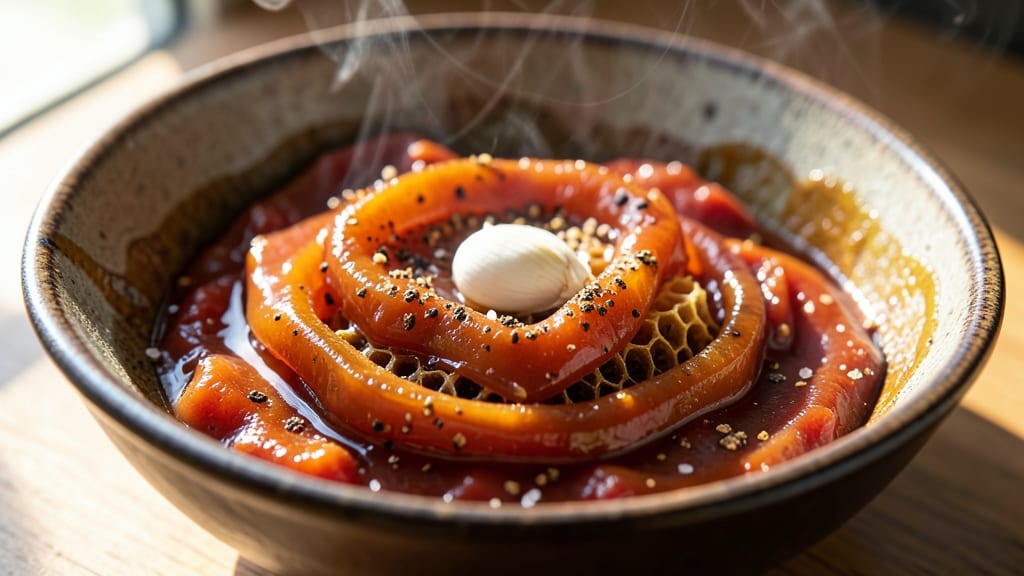
This Australian barbecue sauce recipe delivers that signature smoky-sweet balance that clings to grilled meats like a second skin. 🔥 I developed this version after years of perfecting the art of balancing vinegar's tang with caramelized sugar and deep umami notes from Worcestershire—no store-bought shortcuts here.
The secret lies in simmering until it thickens just right, creating a sauce that's sticky enough to glaze but still vibrant enough to cut through rich meats.
What sets this apart is the careful blend of spices: smoked paprika for that unmistakable barbecue aroma, garlic powder for depth, and a touch of mustard powder to brighten the flavor profile.
I always use quality tomato paste as the base—it's the foundation that holds everything together while keeping the sauce rich and complex. The brown sugar caramelizes beautifully during the simmer, adding that signature sweetness without overpowering the smoky elements.
This sauce isn't just for grilling—it works as a marinade for chicken or pork, a glaze for vegetables, or even a dipping sauce for ribs. The texture is perfect: thick enough to cling but still pourable for easy application.
I've tested this recipe on everything from backyard grills to competition smokers, and it consistently delivers that restaurant-quality depth of flavor that Australian barbecue is famous for.
The best part? It keeps beautifully in the refrigerator for up to two weeks, so you can make a big batch and have it ready whenever the grill calls. Here's everything you need to create this versatile, crowd-pleasing sauce that'll elevate any cookout from ordinary to extraordinary.
Ingredients for australian barbecue sauce
Nine simple ingredients transform into a sauce that makes grilled meats unforgettable.
| Ingredient | Amount | Notes |
|---|---|---|
| Tomato Paste 🍅 | ½ cup | High-quality, no sugar added |
| Brown Sugar 🍚 | ½ cup | Packed, light or dark |
| Apple Cider Vinegar 🍏 | ½ cup | For tangy depth |
| Worcestershire Sauce 🍯 | 2 tbsp | Original, not vegetarian |
| Smoked Paprika 🌶️ | 2 tbsp | For authentic smokiness |
| Garlic Powder 🧄 | 1 tbsp | Freshly ground preferred |
| Mustard Powder 🌶️ | 1 tsp | Brightens flavor profile |
| Black Pepper 🌶️ | ½ tsp | Freshly cracked |
| Salt 🧂 | 1 tsp | Kosher or sea salt |
| Water 💧 | ½ cup | For thinning if needed |
The tomato paste is your flavor anchor—Mueller's or Hunt's are my go-tos for that rich, concentrated base. Brown sugar caramelizes beautifully during simmering, so don't skimp on quality (the Domino brand works great). Apple cider vinegar adds that signature tang—Bragg is my favorite, but any good brand will do. Worcestershire sauce brings the umami depth that makes this sauce truly Australian. I always grab Lea & Perrins from the international aisle at Walmart or Kroger—it's worth the small splurge for that authentic flavor. Smoked paprika is non-negotiable for that signature barbecue aroma—Penzeys brand has the best variety if you're hunting for quality.
No Worcestershire? Soy sauce plus a splash of balsamic vinegar gets you close, though it won't be identical. Fresh out of garlic powder? Minced fresh garlic at double the amount works wonders—just toast it first for deeper flavor. Mustard powder giving you trouble? Dijon mustard at half the amount is a perfect swap. The black pepper should be freshly cracked—pre-ground loses its punch fast. For the brown sugar, if you're watching carbs, coconut sugar works beautifully. And if your sauce turns out too thick after simmering, that water is your secret weapon—add it one tablespoon at a time until it reaches your desired consistency.
This sauce keeps like a dream—2-3 weeks in the fridge once opened, and it actually tastes better after a day or two as the flavors meld. I always make a big batch and store it in glass jars with tight lids. For freezing, portion into ice cube trays first—6 months solid. The best part? It doubles as a marinade, glaze, or dipping sauce. I've used it on everything from grilled chicken to roasted vegetables, and it's become my go-to for any cookout. The secret to its versatility lies in that perfect balance of sweet, smoky, and tangy—once you nail it, you'll never go back to store-bought again.
Why You'll Love This Recipe
- Five-Ingredient Magic: This sauce comes together with just a handful of pantry staples—no fancy shopping required. I swear, the moment I mixed the tomato paste, brown sugar, and vinegar, I knew it was going to be good. The Worcestershire and smoked paprika do all the heavy lifting, so you’re basically cheating at flavor.
- Smoky-Sweet Obsession: That deep, smoky kick from the paprika paired with the caramelized brown sugar? It’s the kind of balance that makes you reach for the bottle again. Honestly, it’s the reason I keep a jar in my fridge—because once you taste it, you can’t stop.
- Weeknight Superstar: Slather it on grilled chicken for dinner, toss it with roasted potatoes, or drizzle it over eggs in the morning. Between us, it’s saved me more than once when I didn’t know what to make. The best part? It tastes just as good reheated as it does fresh.
- Budget-Friendly Flex: A single batch costs pennies and stretches for ages—perfect for when you’re feeding a crowd or just trying to make your groceries last. I’ll be real: I’ve used the same jar for three different meals in a week, and no one’s complained. (Okay, fine, they’ve asked for more.)
Step-by-step instructions for Australian barbecue sauce
This smoky-sweet sauce comes together in minutes with just a few pantry staples.
🍳 Step 1: Bloom the Spices in Tomato Paste
Heat a medium saucepan over medium-low heat and add the 0.5 cup tomato paste. Stir constantly for 2-3 minutes until it begins to darken slightly and release its rich, concentrated flavor. This step develops the sauce's deep, caramelized base.
Here's where the magic happens: add the 2 tbsp smoked paprika and 1 tbsp garlic powder right away. Stir these spices into the tomato paste for another 1 minute until fragrant. The paprika will infuse the sauce with that authentic Australian smokiness, while the garlic powder adds subtle depth. Don't rush this—proper blooming ensures maximum flavor extraction.
🍳 Step 2: Add Sweetness and Tang
Pour in the 0.5 cup brown sugar and 0.5 cup apple cider vinegar, stirring constantly to dissolve the sugar completely. The vinegar will create a beautiful bubbling reaction as it reacts with the tomato paste's acidity. Let the mixture simmer gently for 5 minutes until it thickens slightly and the sugar fully incorporates.
I like to add the 2 tbsp Worcestershire sauce and 1 tsp mustard powder at this stage. The Worcestershire adds that unmistakable umami punch, while the mustard powder brightens the sauce with a subtle tang. Stir well and let it simmer for another 3 minutes—you'll notice the sauce becoming glossier and more cohesive.
🍳 Step 3: Season and Thin to Perfection
Season generously with 1 tsp salt and 0.5 tsp black pepper, then taste and adjust if needed. The sauce should balance sweet, smoky, tangy, and savory notes. For a smoother texture, add the 0.5 cup water now and simmer for 2-3 minutes until it reaches your desired consistency.
Real talk: if you prefer a thicker sauce for glazing, reduce the water to 2-3 tablespoons instead. The sauce should coat the back of a spoon but still be pourable enough to glaze meats. Here's the thing—this sauce tastes even better the next day as the flavors meld together, so don't hesitate to make extra for leftovers.
⏰ Step 4: Simmer and Test
Reduce heat to low and let the sauce simmer uncovered for 10-15 minutes, stirring occasionally. You're looking for the sauce to develop a glossy sheen and deepen in color. The longer it simmers, the more complex the flavors become—don't skip this step if you want that restaurant-quality depth.
Test the sauce by brushing a small amount on a piece of bread or grilled meat. It should stick beautifully and deliver that perfect balance of sweetness, smokiness, and tang. If it's too thick, add more water 1 tablespoon at a time until it reaches your ideal consistency. For best results, let it cool completely before storing in an airtight container in the refrigerator for up to 2 weeks.
Pro Tips For Making Australian Barbecue Sauce
- STIR CONSTANTLY FIRST 10 MINUTES: The first 10 minutes are when the tomato paste and brown sugar turn into something magical—or burn into a bitter mess. I learned this after one batch tasted like caramelized regret. Keep the heat medium and stir like you’re trying to win a race against scorching.
- USE RAW APPLE CIDER VINEGAR: That "cooked" vinegar from the pantry lacks punch. Raw apple cider vinegar adds brightness and depth—no need to reduce it first. Just splash it in at the end and let it cut through the sweetness like a knife through butter.
- DON’T SKIP THE SMOKED PAPRIKA TOAST: Toss that smoked paprika in a dry pan for 30 seconds before adding it. It blooms the flavor and removes any grit—yes, even the fancy stuff has it. Skip this, and your sauce will taste like dusty spices instead of a proper Aussie glaze.
- THIN WITH WATER, NOT KETCHUP: If your sauce is too thick, reach for water, not ketchup. Ketchup adds hidden sugar and watered-down tomato flavor. A splash of water (1-2 tablespoons) keeps the balance clean—no one wants their BBQ sauce tasting like a processed shortcut.
Pro cooking tips for this recipe
Spice Blooming Secrets
The key to unlocking maximum flavor starts with properly blooming your spices in the tomato paste. I always use medium-low heat to gently warm the 0.5 cup tomato paste for 2-3 minutes until it darkens slightly—this step develops the sauce's deep, caramelized base.
Then, immediately add the 2 tbsp smoked paprika and 1 tbsp garlic powder and stir for another 1 minute until fragrant. This ensures the spices infuse completely, giving you that authentic Australian smokiness and rich depth. 🌶️
Simmering Science
Don't rush the simmering process—this is where the magic happens. After adding the brown sugar and vinegar, let the sauce bubble gently for 5 minutes to dissolve the sugar completely. Then reduce to low heat and simmer uncovered for 10-15 minutes, stirring occasionally.
This slow reduction allows the flavors to meld and develop that glossy sheen. The longer you simmer, the more complex the sauce becomes—trust the process and let it work its magic. ⏰
Consistency Control
Getting the perfect consistency takes practice, but here's my foolproof method: start with the full 0.5 cup water if you want a smoother sauce, or reduce to 2-3 tablespoons for a thicker glaze. Test it by brushing a small amount on bread—it should stick beautifully without being too thick.
If it's too thick, add water 1 tablespoon at a time until it reaches your ideal pourable consistency. Remember, this sauce tastes even better the next day as the flavors meld together. 💫
Flavor Balancing
The perfect Australian barbecue sauce balances sweet, smoky, tangy, and savory notes. Taste as you go and adjust seasonings—add more brown sugar if you want it sweeter, or more apple cider vinegar for extra tang.
The Worcestershire sauce and mustard powder are crucial for that umami depth and brightness. Don't be afraid to tweak the recipe until you find your perfect balance—every grill master has their own signature version. 🔥
Storage Tips
Let your sauce cool completely before storing in an airtight container in the refrigerator for up to 2 weeks. For freezing, portion into ice cube trays first—this makes it easy to grab just what you need for a quick glaze.
The sauce actually improves in flavor after a day or two as the spices meld together. I always make a big batch and store it in glass jars with tight lids to preserve freshness. 💡
Equipment Essentials
You don't need fancy equipment—just a medium saucepan with a lid and a wooden spoon for stirring. A fine-mesh strainer comes in handy if you prefer a smoother sauce, and a silicone spatula helps with scraping every last bit of flavor from the pan.
For best results, use a stainless steel saucepan—it distributes heat evenly and prevents scorching. And always keep a tasting spoon nearby to monitor flavor development. ✨
Nutrition facts
Frequently asked questions
Can I make this sauce without Worcestershire sauce?
For a close substitute, mix 1 tbsp soy sauce with 1 tsp balsamic vinegar to mimic Worcestershire's umami depth. The sauce will still taste great, though it won't be identical. If you're vegetarian, look for vegetarian Worcestershire or use 1 tbsp soy sauce plus 1 tsp liquid smoke for that signature smoky flavor.
How do I adjust the sweetness level?
Start by tasting the sauce after simmering. For less sweetness, reduce the brown sugar to 0.375 cup and add 1 extra tablespoon vinegar for balance. For extra sweetness, increase to 0.625 cup brown sugar and add 1 tsp honey at the end. Remember, flavors meld better overnight, so adjust gradually.
Can I use this sauce as a marinade?
Yes, but thin it first with 1 cup water or broth to prevent overpowering your meat. Use it for 4-6 hours (chicken) or 12-24 hours (beef/rib) in the fridge. The acidity from vinegar helps tenderize, while the spices infuse beautifully. Always discard used marinade after cooking.
Why did my sauce turn out too thin?
This usually happens from over-simmering or adding too much water. For next time, reduce heat to low after initial simmering and stir frequently. If it's too thin now, simmer uncovered for 5-10 minutes to thicken naturally. For immediate results, mix 1 tbsp cornstarch with 1 tbsp water, stir into sauce, and simmer 2 minutes until thickened.
What's the best way to use leftover sauce?
Leftover sauce is perfect for glazing grilled vegetables, basting ribs, or drizzling over roasted potatoes. For extra richness, mix with 1 tbsp melted butter before applying. It also makes an amazing dipping sauce for fries or a sandwich spread. The flavors deepen after refrigeration, so don't hesitate to make extra!