
Sauces & Condiments
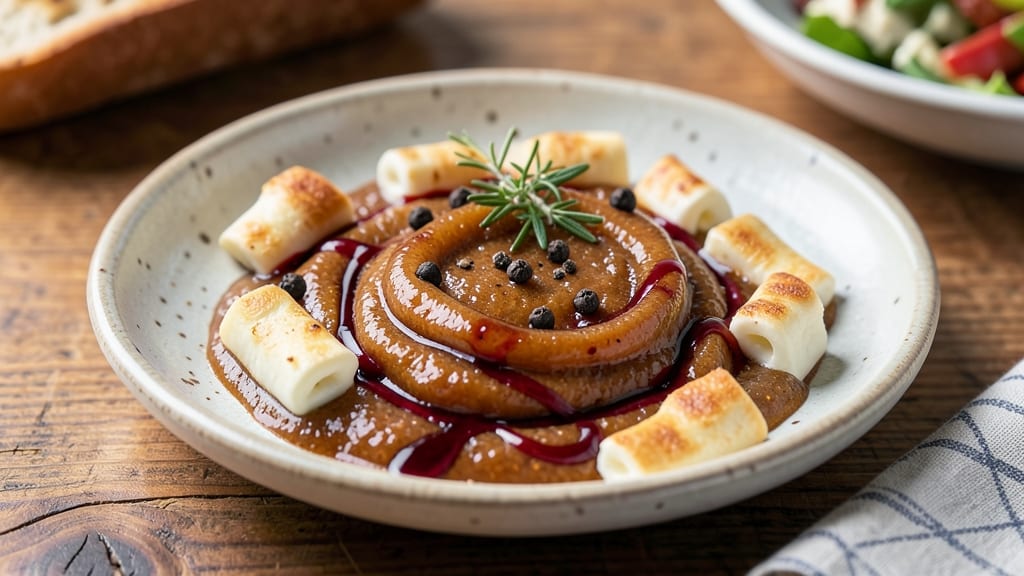
This balsamic brown sugar sauce transforms ordinary dishes into showstoppers with its glossy, caramelized finish. 💛 The perfect balance of tangy balsamic and rich brown sugar creates a versatile glaze that elevates everything from grilled meats to roasted vegetables.
What makes this sauce truly special is its simplicity—just five ingredients simmered together until thick and syrupy, with no fancy techniques required.
What you'll end up with is a deep amber glaze that adds both sweetness and acidity to any dish, cutting through richness while enhancing natural flavors. The sauce thickens beautifully as it reduces, creating a perfect consistency for drizzling or brushing.
Whether you're finishing a steak, glazing roasted carrots, or drizzling over vanilla ice cream, this sauce delivers restaurant-quality results at home.
The beauty of this recipe lies in its flexibility—use it as a quick glaze for weeknight dinners or a specialty sauce for holiday meals. It keeps well in the fridge for up to two weeks, making it ideal for meal prep.
The process is straightforward: combine balsamic vinegar, brown sugar, and a touch of butter, then simmer until thickened. No special equipment needed, just patience and a few minutes of your time.
Once you taste the first bite of perfectly glazed meat or the sweet-tangy contrast on roasted vegetables, you'll never go back to store-bought sauces. This is the kind of recipe that makes cooking feel like a celebration—simple, elegant, and impossible to resist. Let's get started!
Ingredients for balsamic brown sugar sauce
Five ingredients transform into a luxurious glaze that turns simple dishes into showstoppers.
| Ingredient | Amount | Notes |
|---|---|---|
| Balsamic Vinegar 🍷 | 1 cup | High-quality aged balsamic preferred |
| Light Brown Sugar 🍚 | ¾ cup | Packed firmly for consistency |
| Unsalted Butter 🧈 | 2 tbsp | Cold, cubed for even melting |
| Freshly Ground Black Pepper 🌶️ | ¼ tsp | Enhances depth of flavor |
| Vanilla Extract 💧 | ½ tsp | Pure vanilla for authentic aroma |
The balsamic vinegar is your flavor foundation here—aged balsamic from Trader Joe's or Whole Foods adds that rich, complex depth you can't get from regular vinegar. Look for bottles labeled 'aged' or 'extra aged' on the shelf. Brown sugar should be light, not dark—it dissolves better and keeps the glaze from getting too heavy. Domino or C&H brands work perfectly. The butter matters too: cold cubes melt more evenly and prevent the sauce from splitting. I always grab Plugrá or Land O'Lakes unsalted since they're reliable and consistent.
No aged balsamic? Regular balsamic vinegar plus 1 tbsp of maple syrup gets you close. Dark brown sugar works but may make the glaze slightly heavier. Butter out? Olive oil or coconut oil works in a pinch (use the same amount), though the texture will be thinner. Vanilla extract hard to find? Vanilla bean paste is a great swap—just use half the amount. The pepper is non-negotiable though—it cuts through the sweetness and adds a subtle kick that makes the sauce sing. Freshly ground is best, but pre-ground works if you've got it.
This sauce thickens as it cools, so don't worry if it looks runny when you're done. Store it in a glass jar in the fridge for up to 2 weeks. The flavor actually improves overnight as everything melds together. For meal prep, make a double batch—it's perfect for glazing roasted veggies or finishing proteins all week. Reheat gently in a small saucepan over low heat, adding a splash of water if it gets too thick. Freezes beautifully for 3 months too.
Why You'll Love This Recipe
- Five-Ingredient Magic: I swear by this combo—just simmer, stir, and boom, you’ve got a sauce that tastes like it spent hours simmering. The brown sugar caramelizes while the balsamic deepens, and that vanilla extract? It’s the secret that makes it taste like you slaved over it.
- Pantry Staple Power: Honestly, I never buy specialty sauces again. You’re using things you already have—no extra shopping trips, no confusing labels. That rich, tangy-sweet balance comes from ingredients that won’t break the bank, and the butter ties it all together without fuss.
- Glaze Everything: Between us, this sauce is my go-to for anything. Drizzle it over grilled chicken, toss it with roasted veggies, or even swirl it into yogurt for a dessert dip. The pepper adds a little kick, so it works for savory and sweet—no rules, just flavor.
- Make-Ahead Goldmine: I double the batch and keep it in the fridge for weeks. The flavors only get better as it sits—thicker, deeper, and ready to elevate whatever I’m cooking. (Yes, even on a Tuesday night when I’m too tired to think.) Plus, it reheats in seconds, so no last-minute stress.
Step-by-step instructions for balsamic brown sugar sauce
Here's how to create a rich, glossy glaze that elevates everything from grilled meats to roasted vegetables.
🔥 Step 1: Simmer the Balsamic Vinegar
Pour the 1 cup balsamic vinegar into a medium saucepan and place it over medium-high heat. Bring to a boil, then immediately reduce the heat to medium-low—this prevents scorching while allowing the vinegar to reduce. Let it simmer uncovered for 10-12 minutes until it thickens noticeably and darkens to a deep amber color.
Here's the thing—you want it reduced by about half, so it coats the back of a spoon when you lift it. The aroma will shift from sharp vinegar to something rich and caramel-like. If you see any bubbles forming on the edges, stir gently to prevent burning. This reduction step is what develops the sauce's complex depth of flavor.
🍳 Step 2: Whisk in Brown Sugar and Butter
Once the balsamic has reduced, remove the pan from heat and let it cool for 2 minutes. Then, whisk in the 0.75 cup packed light brown sugar and 2 tablespoons cold cubed butter. I like to add the butter in small pieces so it melts gradually and creates a silky texture.
Return the pan to low heat and stir constantly for 3-4 minutes until the sugar dissolves completely and the butter melts into a smooth emulsion. You'll know it's ready when the mixture thickens slightly and becomes glossy. If it starts to crystallize, add 1 teaspoon of water to help dissolve the sugar. This step transforms the sauce from tart to sweetly balanced.
👨🍳 Step 3: Add Aromatics for Depth
With the pan still on low heat, stir in the 0.25 teaspoon freshly ground black pepper and 0.5 teaspoon vanilla extract. The pepper adds a subtle warmth that cuts through the sweetness, while the vanilla introduces a floral note that rounds out the flavor profile. Let the mixture simmer for another 2 minutes to allow the vanilla to infuse fully.
Taste and adjust the balance—if it needs more sweetness, add a pinch more sugar; if it's too sharp, a splash of water can help mellow the acidity. The goal is a sauce that's rich, glossy, and perfectly balanced between sweet, tart, and savory. Here's where it gets fun—this is the moment you can customize it to your taste.
⏰ Step 4: Cool and Thicken
Transfer the sauce to a heatproof bowl and let it cool at room temperature for 15-20 minutes. As it cools, it will thicken naturally, becoming even more glossy and clingy. If you need it thicker for drizzling, transfer it to a small saucepan and warm over low heat for 2-3 minutes, stirring constantly until it reaches your desired consistency.
Real talk: the sauce will continue to thicken as it sits, so don't over-reduce it now. You can always thin it with a splash of water or balsamic vinegar later if needed. Once cooled, store it in an airtight container in the refrigerator for up to 2 weeks—it keeps beautifully and tastes even better the next day as the flavors meld.
Pro Tips For Making Balsamic Brown Sugar Sauce
- Simmer Slowly: I used to rush this sauce, thinking more heat meant faster results—wrong. Reduce the balsamic and sugar over medium-low heat until it thickens to a glossy syrup (about 15-20 minutes). High heat burns the sugar before it caramelizes properly, leaving a bitter, grainy mess instead of that rich, velvety finish.
- Use Real Vanilla: Vanilla extract is fine, but if you’re using vanilla bean, scrape out the seeds and add the whole pod while simmering. Remove it before serving—this infuses the sauce with deeper flavor without overpowering it. (Yes, even if you’re impatient like me, resist the urge to skip this step.)
- Balance the Sweetness: Brown sugar’s moisture varies by brand, so taste as you go. If the sauce tastes cloyingly sweet, add a splash of water (1-2 tablespoons) to dilute slightly, then reduce again. The goal is a sauce that’s complex, not just a sugar bomb—think tangy, caramelized, and slightly sharp.
- Butter Last, Not First: Whisk in the cold butter at the very end, off the heat, to emulsify the sauce instantly. Adding it earlier can cause the sugar to crystallize or the sauce to separate. Stir until it melts smoothly—this gives the sauce that luxurious, glossy coat without breaking the texture.
Regional styles of balsamic brown sugar sauce
Southern BBQ Glaze
In the South, this sauce gets a smoky twist by adding 1 tbsp smoked paprika and ½ tsp liquid smoke to the reduced balsamic before whisking in the sugar. I first tried this version at a Nashville BBQ joint, where it glazed pulled pork sandwiches.
The key is to simmer the paprika and liquid smoke with the balsamic for 5 minutes to develop that deep, charred flavor. Serve with classic sides like coleslaw or cornbread. 🔥
Italian Pan Sauce
For a Tuscan-inspired version, replace the vanilla with 1 tsp dried oregano and add ½ tsp red pepper flakes after reducing the balsamic. Finish with a splash of ½ cup dry white wine (like Pinot Grigio) when you add the sugar.
This works perfectly as a pan sauce for roasted chicken or as a drizzle over grilled vegetables. The wine adds a bright acidity that balances the richness.
French-Inspired Caramel
This Parisian-inspired adaptation skips the butter and uses 2 tbsp heavy cream instead, along with 1 tsp vanilla bean paste for extra depth. After reducing the balsamic, whisk in ¼ cup granulated sugar (instead of brown) and cook until it forms a thick caramel.
Drizzle over crème brûlée or use as a glaze for roasted duck. The French version is sweeter and silkier—perfect for dessert applications.
Mexican Mole-Inspired
Give it a Mexican twist by adding ½ tsp ground cinnamon, ¼ tsp ground cumin, and 1 tsp chopped chipotle in adobo to the reduced balsamic. Sweeten with ½ cup piloncillo sugar (or dark brown sugar) and finish with 1 tbsp orange zest.
This works beautifully as a glaze for grilled chicken or as a topping for churros. The chipotle adds smoky heat that pairs perfectly with the sweet-tangy base.
German-Inspired Glaze
For a German-inspired version, replace the vanilla with 1 tsp almond extract and add ½ tsp ground cloves when you incorporate the sugar. This sauce shines when glazed over roasted pork tenderloin or used as a dip for pretzels.
The cloves add warmth that complements the sweetness, while the almond extract gives it a nutty depth. Serve with sauerkraut for a complete German-inspired meal. 🌟
Asian-Inspired Sweet-Savory
Transform this sauce into an Asian-inspired glaze by adding 1 tbsp soy sauce, 1 tsp grated ginger, and 1 tsp sesame oil to the reduced balsamic. Sweeten with ½ cup coconut sugar (or dark brown sugar) and finish with 1 tsp rice vinegar.
This works perfectly as a glaze for grilled salmon or as a dipping sauce for spring rolls. The umami from the soy sauce elevates the sauce to new heights.
Nutrition facts
Frequently asked questions
Can I make this sauce without butter?
Replace the 2 tablespoons butter with 2 tablespoons olive oil or coconut oil for a dairy-free version. The sauce will have a slightly different texture but still deliver that rich, glossy finish. Just remember, oil won't thicken the sauce as much as butter, so you may need to reduce it a bit longer to reach your desired consistency.
How do I adjust the sweetness level?
Start with the 0.75 cup brown sugar as written, but taste as you go. For less sweetness, reduce to 0.5 cup and add 1 extra tablespoon balsamic vinegar to balance. For extra sweetness, increase the sugar to 1 cup and simmer longer to concentrate the flavors. The key is to keep the ratio of sugar to vinegar in mind—aim for about 3:4 ratio for perfect balance.
Can I use this sauce on desserts?
Yes! This sauce works beautifully on desserts like vanilla ice cream, pound cake, or even grilled peaches. For a dessert version, add 1 teaspoon cinnamon and ½ teaspoon orange zest when you incorporate the sugar. Warm the sauce gently before drizzling to enhance its aromatic qualities. The sweet-tangy profile pairs especially well with creamy or citrus-based desserts.
Why did my sauce crystallize?
Crystallization happens when the sugar doesn't fully dissolve, usually from adding it too quickly or not enough liquid. To fix it, whisk in 1 teaspoon water or balsamic vinegar while warming the sauce gently over low heat. Stir constantly until smooth. For prevention, add the sugar gradually while whisking continuously, and keep the heat at low-medium to avoid scorching. The butter should melt completely before adding the sugar.
How long can I store homemade sauce?
Store your sauce in an airtight glass jar in the fridge for up to 2 weeks. The flavors actually improve as it sits! For longer storage, freeze it for up to 3 months. Thaw in the fridge overnight before using. Pro tip: Label your jar with the date and contents—this sauce is so versatile you might forget what you used it for last!