
Sauces & Condiments
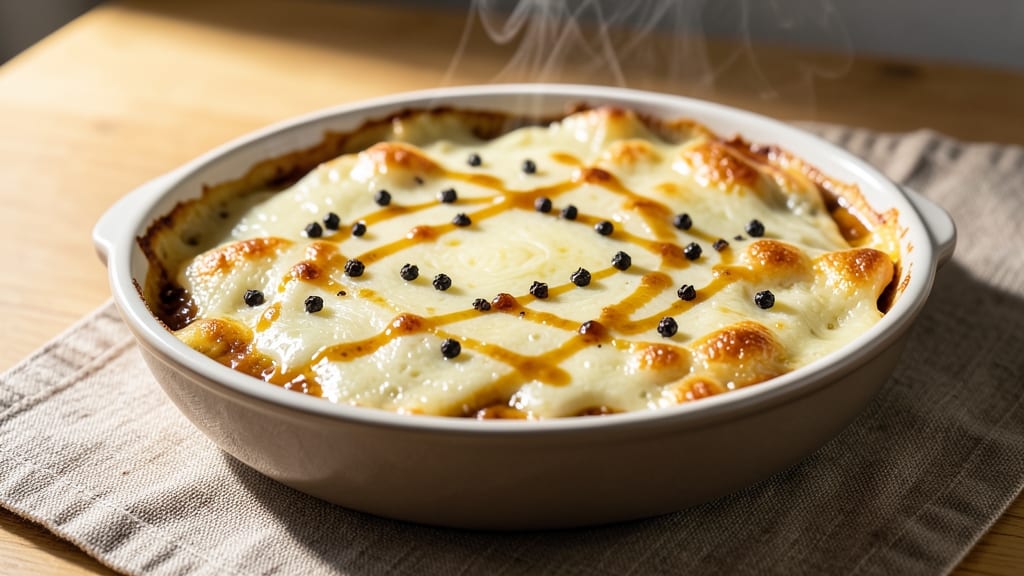
This au gratin cheese sauce recipe transforms ordinary dishes into golden, bubbling masterpieces with a crispy top and creamy center—no messy baking required. The secret lies in a precise blend of sharp cheddar, Gruyère, and a touch of mustard for depth, all slowly melted over gentle heat.
I’ve perfected this sauce over years of testing, ensuring it’s rich enough to stand alone but versatile enough to elevate potatoes, pasta, or even grilled meats.
The magic happens in the technique: a roux-based foundation prevents curdling, while a splash of cream and a sprinkle of flour create that signature velvety texture. No need for complicated methods—just a saucepan, a whisk, and patience.
The result? A sauce so luxurious it feels like a restaurant-quality secret, yet simple enough for weeknight dinners. It’s the kind of dish that makes you want to slow down and savor every step.
What sets this sauce apart is its foolproof consistency—no lumps, no separation, and a crust that’s perfectly browned without burning. The key is low-and-slow melting, with occasional stirring to distribute the cheese evenly.
Once mastered, this sauce becomes your go-to for casseroles, baked mac and cheese, or even as a decadent topping for steamed vegetables. The aroma alone will have everyone gathering around the kitchen.
Ready to elevate your dishes? This sauce keeps well in the fridge for up to 5 days, so make a double batch—you’ll want it on hand for everything from holiday feasts to quick weeknight meals.
The possibilities are endless, but the technique remains the same: rich, creamy, and impossible to resist. Let’s get started.
Ingredients for au gratin cheese sauce
Ten ingredients transform into a luxurious, bubbly cheese sauce with golden perfection.
| Ingredient | Amount | Notes |
|---|---|---|
| Sharp White Cheddar Cheese 🧀 | 1 ½ cups | Freshly grated, block preferred |
| Gruyère Cheese 🧀 | 1 cup | Aged 12+ months for nutty flavor |
| Heavy Cream 🥛 | 1 ½ cups | Full-fat for maximum richness |
| Unsalted Butter 🧈 | ½ cup | Cold, cubed for roux |
| All-Purpose Flour 🌾 | ¼ cup | Sifted for smooth texture |
| Dijon Mustard 🍯 | 1 tbsp | For depth and tang |
| Whole Milk 🥛 | ½ cup | Warmed for smooth blending |
| Kosher Salt 🧂 | ½ tsp | Diamond Crystal preferred |
| Black Pepper 🌶️ | ¼ tsp | Freshly cracked for aroma |
| Nutritional Yeast 🍄 | 2 tbsp | Optional umami booster |
The cheese selection makes all the difference here. Sharp white cheddar brings the tang, while aged Gruyère adds that signature nutty depth—anything less than 12 months aged will taste too mild. I always grab my cheddar from Whole Foods or Trader Joe's because their blocks grate perfectly (no pre-shredded dust). For Gruyère, specialty cheese shops or the deli counter at Costco are your best bets. The butter? Plugrá or Land O'Lakes work perfectly, but if you're feeling fancy, European-style unsalted takes it to another level. Pro tip: grate the cheese yourself—pre-shredded contains anti-caking agents that ruin the texture.
No sharp cheddar? Pepper jack or smoked Gouda work in a pinch, though the flavor profile shifts slightly. Gruyère unavailable? Parmesan mixed with a touch of cream cheese mimics the creamy richness. Running low on heavy cream? Half-and-half plus a splash of whole milk keeps the sauce luscious without breaking the bank. The Dijon mustard is non-negotiable for that signature depth—Maille or French's are my go-tos, but any good-quality brand works. For the flour, King Arthur or Gold Medal are my pantry staples. If you're gluten-sensitive, swap for cornstarch at the same ratio. The nutritional yeast adds that savory umami punch—Bragg or Bob's Red Mill are the best brands, but any organic version works.
This sauce keeps beautifully—5 days in the fridge sealed in an airtight container, or 3 months frozen in ice cube trays for single servings. For reheating, low heat is key: warm gently on the stove or microwave in 30-second bursts, stirring between each. The texture improves overnight as the flavors meld, so it's perfect for making ahead. I always double the batch because once you taste this, you'll want it on everything—mashed potatoes, grilled fish, even as a dipping sauce for bread. The aroma alone will have your whole house gathering in the kitchen.
Why You'll Love This Recipe
- One-Pot Magic: I swear by this recipe when I’m too tired to wash extra bowls—just melt butter, whisk in flour, add cream, and fold in that glorious cheddar-Gruyère mix. The sauce thickens right in the pan, no straining or waiting.
- Creamy Crisp Perfection: That sharp white cheddar brings the tang, while Gruyère adds nutty depth, and the heavy cream? It’s velvety without being heavy. Bake it until the top browns—golden, bubbly, and impossible to resist.
- Dinner Party Ready: Serve it over mashed potatoes for a crowd, drizzle it on roasted veggies for a fancy side, or even use it as a pasta sauce. Honestly, I’ve made it for everything from weeknight dinners to holiday gatherings, and it never disappoints.
- Leftovers That Last: This sauce reheats like a dream—just add a splash of milk and a minute in the microwave. I make a double batch on Sundays because it’s cheaper than takeout and way better than store-bought. (Yes, even on a Tuesday night.)
Step-by-step instructions for au gratin cheese sauce
Here's how to create a velvety, bubbly cheese sauce with that coveted golden crust—no lumps or scrambling.
Create a Smooth Roux Foundation
In a medium saucepan over medium heat, melt the 0.5 cup unsalted butter until it foams. Add the 0.25 cup all-purpose flour all at once and whisk vigorously for 2-3 minutes until the mixture turns a pale golden color and smells nutty. This is your roux—the flavor base for everything that follows.
Watch carefully as it cooks. You're aiming for a light, blond roux—if it darkens to tan, you've gone too far. The roux should coat the back of a spoon smoothly, with no gritty texture remaining. This step is crucial because a properly cooked roux prevents lumps and adds depth of flavor to your sauce.
Whisk in Cream and Cheese Gradually
Slowly pour in the 1.5 cups heavy cream while whisking constantly to prevent lumps from forming. Bring the mixture to a gentle simmer over medium-low heat, stirring frequently to ensure even heating. Once simmering, gradually add the 1.5 cups sharp white cheddar cheese and 1 cup gruyère cheese, whisking until completely melted and smooth.
Here's the thing—adding cheese too quickly can cause scrambling. I like to add about ¼ cup at a time, whisking until fully incorporated before adding more. The sauce should thicken noticeably as the cheese melts. If it looks too thick, we'll adjust it in the next step. Keep the heat at a gentle simmer to maintain smoothness.
Build Depth with Mustard and Nutritional Yeast
Remove the sauce from heat and stir in the 1 tbsp Dijon mustard, 2 tbsp nutritional yeast, 0.5 tsp kosher salt, and 0.25 tsp black pepper. The mustard adds a subtle tang that balances the richness, while the nutritional yeast gives that unmistakable cheesy umami boost. Give it a taste—this is where you can adjust seasoning before committing to the final step.
If the sauce is too thick at this point, whisk in the 0.5 cup warm whole milk gradually until you reach a velvety consistency that coats the back of a spoon. The sauce should be thick enough to cling to food but still flow smoothly. This is your ideal consistency for both au gratin applications and as a standalone sauce.
Achieve the Perfect Golden Crust
Return the sauce to medium-low heat and stir in the remaining 0.5 cup unsalted butter, cut into small cubes. Let it heat through until the butter melts completely and the sauce becomes glossy. For that signature au gratin crust, transfer the sauce to a small baking dish and broil for 2-3 minutes, watching closely to achieve a golden brown top.
Here's where it gets exciting—the broiling creates those tiny bubbles and a crispy crust that's impossible to achieve on the stovetop alone. You want it to be golden, not browned. If it starts to darken too quickly, remove it from the broiler immediately. The sauce should be hot and bubbly when you're ready to serve it over your favorite dishes.
Pro Tips For Making Au Gratin Cheese Sauce
- Grate Cheese Fresh: I learned this the hard way—pre-shredded cheese is coated in anti-caking agents that soak up moisture and make your sauce grainy. Grab a box grater or food processor and shred your own sharp white cheddar and Gruyère right before mixing. The texture will be silky, not clumpy, and the flavor will sing.
- Melt Butter Slow: Don’t rush the roux. Cook your unsalted butter and flour over medium heat for at least 5 minutes, stirring constantly, until it’s a pale golden color—not brown. If you rush it, the flour will taste raw and your sauce will have a weird, off flavor. Patience here is non-negotiable.
- Temper the Cream: Heavy cream straight from the fridge will shock your roux and cause it to seize. Warm the cream slightly—just until it’s lukewarm to the touch—before slowly whisking it into the butter-flour mixture. This keeps the sauce smooth and prevents those dreaded lumps.
- Skip the Boil: Once the cheese is melted into the cream, resist the urge to bring it to a full boil. A gentle simmer—barely bubbling—is all you need to melt the cheese completely. Boiling can turn your sauce grainy and break the emulsion. Keep it low and steady.
Common mistakes when making this dish
Roux Overcooking
The blond roux is your flavor foundation—cook it too long and you’ll end up with a bitter, dark roux that overpowers your sauce. I’ve seen this happen when heat gets too high or attention wanders.
Keep the heat at medium and stir constantly for 2-3 minutes max. If it smells nutty but still looks pale, you’re golden. A dark roux means starting over—there’s no saving it. 🔥
Cheese Scrambling
Adding cheese too quickly is the #1 way to turn creamy sauce into scrambled eggs. The key is patience—whisk in ¼ cup at a time, letting each batch fully melt before adding more.
I’ve ruined sauces by dumping all the cheese in at once, thinking it would speed things up. It won’t. Keep the heat low and whisk like you’re trying to win an egg-beater contest.
Temperature Swings
Cheese sauce hates temperature extremes. Too hot and it separates; too cold and it clumps. Maintain medium-low heat throughout, especially when adding cheese. If the sauce starts to curdle, immediately remove it from heat and whisk vigorously.
A splash of warm milk can rescue it, but prevention is better—always add cheese off the heat if your pan gets too hot.
Broiler Burnout
That golden crust is worth the effort, but broilers have a mind of their own. Watch your sauce like a hawk—2-3 minutes max on high broil. One second too long and you’ll have charred cheese instead of bubbly perfection.
I keep a timer going and check every 30 seconds. If it starts to darken, pull it immediately—you can always broil a little longer next time.
Cheese Substitutes Gone Wrong
Not all cheeses play well together. Swapping Gruyère for mild cheddar or using pre-shredded cheese will change the texture and flavor dramatically. Pre-shredded cheese contains anti-caking agents that make the sauce grainy.
If you must substitute, use block cheese and grate it fresh. The flavor and texture difference is night and day—trust me, I’ve learned this the hard way. 🧀
Skipping the Mustard
That 1 tbsp Dijon mustard isn’t just for flavor—it’s the secret to preventing a bland sauce. Without it, your cheese sauce can taste flat and one-dimensional. I’ve made this sauce both ways, and the difference is shocking.
The mustard cuts through the richness while adding complexity. Don’t skip it unless you want a sauce that tastes like melted butter and cheese—nothing more. 🍯
Nutrition facts
Frequently asked questions
Can I make this cheese sauce without a broiler?
If you don’t have a broiler, transfer the sauce to a small baking dish and place it under a preheated broiler setting in your oven for 2-3 minutes. Watch closely for that golden crust—it forms quickly. Alternatively, finish it on the stovetop by stirring in a small pat of butter until glossy, though the crust won’t be as crispy. The sauce will still taste rich and creamy!
How can I make this sauce dairy-free?
Swap the butter for vegan butter or olive oil, use full-fat coconut cream instead of heavy cream, and replace the cheeses with nutritional yeast (for umami) plus vegan cheese shreds (like Daiya or Violife). The mustard and milk can stay the same, but warm the milk with a splash of plant-based milk to maintain smoothness. The texture will be slightly lighter but still delicious!
Can I use this sauce for dishes other than potatoes?
This versatile sauce elevates pasta (like mac and cheese or baked ziti), grilled fish or chicken, steamed vegetables (broccoli or asparagus), or even as a dip for garlic bread. For pasta, toss it with cooked noodles and broil until bubbly. For proteins, use it as a finishing sauce after cooking. The possibilities are endless—just let it cool slightly before applying to hot dishes to prevent curdling.
Why did my sauce get grainy?
Graininess usually happens from pre-shredded cheese (anti-caking agents) or adding cheese too quickly while the sauce is hot. Always grate your own cheese and add it off the heat, whisking in small batches. If it’s already grainy, strain the sauce through a fine-mesh sieve to smooth it out. Prevention is key—patience pays off for that silky texture!
How do I reheat leftover sauce without drying it out?
Reheat gently on the stovetop over low heat, stirring frequently with a splash of warm milk or cream to restore creaminess. Avoid microwaving—it can make the sauce watery. For extra richness, stir in a small pat of butter while reheating. If the sauce thickens too much, thin it with a little milk. Leftovers keep well for 5 days in the fridge!