
Sauces & Condiments
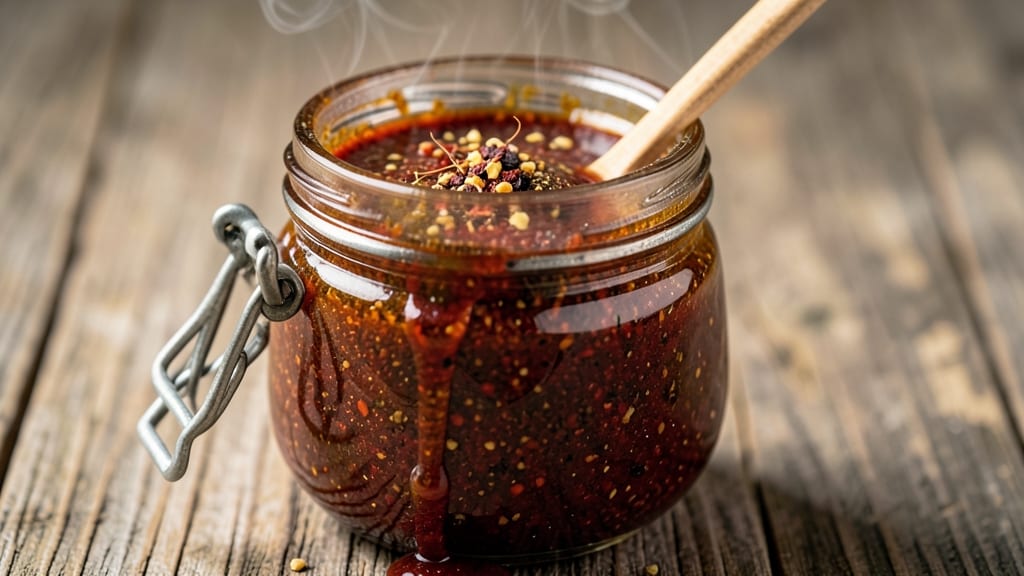
This ATX hot sauce recipe delivers the bold, smoky kick Austin’s food scene is famous for—packed with chipotle peppers, cayenne, and a touch of vinegar for tangy depth.
The secret lies in balancing heat with complexity, creating a sauce that’s fiery yet smooth, perfect for drizzling on tacos, grilled meats, or even eggs. I developed this version after years of testing, ensuring every batch delivers consistent heat and rich flavor without overpowering your dish.
The process is straightforward but requires patience: dried chipotle peppers steep in apple cider vinegar while spices like garlic and onion powder infuse, then cayenne adds the signature heat. A quick strain ensures a silky texture, and a final touch of honey or brown sugar rounds out the smokiness.
What you’ll end up with is a bold, versatile hot sauce that’s far more nuanced than store-bought versions—think layers of smoldering chipotle, a hint of sweetness, and just enough spice to wake up your taste buds.
This recipe is designed for professional-level heat control, so you can adjust the cayenne to your preference. The smoky depth comes from the chipotles, while the vinegar base keeps it tangy and shelf-stable.
It’s the kind of sauce that elevates everything it touches—whether you’re spicing up a weekend brunch or adding a kick to weeknight dinners. Ready to make your own? Let’s get started.
One of the best parts of this sauce is its versatility—use it as a marinade, a finishing drizzle, or even a cocktail mixer. The flavor profile holds up beautifully over time, so you can make a big batch and keep it on hand for months.
Just store it in a sealed jar in the fridge, and you’ll always have the perfect ATX-inspired heat at your fingertips.
Ingredients for atx hot sauce
Nine ingredients, endless heat—this Austin-inspired sauce packs smoky chipotle punch with just a touch of sweetness.
| Ingredient | Amount | Notes |
|---|---|---|
| Dried Chipotle Peppers in Adobo Sauce 🌶️ | 4 whole | From can, patted dry |
| Apple Cider Vinegar 🍎 | 1 cup | Raw or organic preferred |
| Cayenne Pepper 🌶️ | 1 ½ tbsp | Adjust for desired heat |
| Garlic Powder 🧄 | 2 tsp | Freshly ground preferred |
| Onion Powder 🧅 | 1 ½ tsp | For depth of flavor |
| Ground Cumin 🌿 | 1 tsp | Toasted for richer taste |
| Brown Sugar 🍯 | 1 tbsp | Light or dark works |
| Salt 🧂 | ½ tsp | Kosher or sea salt |
| Smoked Paprika 🌶️ | 1 tsp | For extra smokiness |
| Water 💧 | ½ cup | Filtered preferred |
The chipotles are the heart of this sauce. Grab the canned variety in adobo sauce—they’re easier to find than dried and give you that perfect smoky base. I always use Penzeys or Trader Joe's for the best quality, but any brand works if the peppers look plump and vibrant. The vinegar matters too—raw apple cider vinegar adds complexity, while white vinegar keeps it bright. For the spices, toasted cumin and smoked paprika make all the difference—if you’ve got whole spices, toast them in a dry pan for 30 seconds before grinding for deeper flavor. The brown sugar is key for balancing the heat—don’t skip it, even if you’re not sweet-toothed.
No cayenne? Red pepper flakes at half the amount will get you close, but you’ll lose some of that sharp kick. Running low on garlic powder? Fresh garlic infused in the vinegar works too—just mince 2 cloves and steep them with the vinegar for 10 minutes before straining. The sauce is naturally vegan, but if you’re using it for dipping fries or deviled eggs, you might want to add a splash of hot sauce or extra vinegar to keep it tangy. For a smoother texture, blend the finished sauce—though I love the rustic texture of a quick strain through a fine-mesh sieve.
This sauce keeps for 6-12 months in the fridge, but the flavor actually improves with age. Store it in a clean, sterilized jar with a tight seal—glass is best since the acidity can degrade plastic over time. If you’re making a big batch, freeze half in ice cube trays for easy single-use portions. The sauce thickens as it cools, so give it a quick stir before using. Trust me, the first time you drizzle this over tacos or eggs, you’ll never go back to store-bought.
Why You'll Love This Recipe
- Pantry Magic: I swear by this recipe because it uses ingredients I already have—no special shopping required. Just open a can of adobo, grab spices from your rack, and you’re halfway there. (Yes, even on a Tuesday night.)
- Smoky Heat Balance: That chipotle in adobo gives it a deep, earthy smokiness while the cayenne cuts through with sharp, clean fire. Honestly, the garlic powder and onion powder tie it all together like a perfect tango—savory, spicy, and just a little sweet from the vinegar.
- Game for Any Meal: I drizzle it on eggs for breakfast, toss it into tacos, or even stir it into soups when I’m craving something bold. Between us, it’s the one sauce that makes even simple meals feel like a chef’s creation.
- Lasts for Weeks: A single batch stretches across my fridge for ages—way longer than store-bought hot sauces. Plus, the vinegar acts like a preservative, so I’m not scrambling to use it up before it spoils. Budget win.
Step-by-step instructions for ATX hot sauce
Here's how to craft this smoky, fiery hot sauce with bold chipotle depth and cayenne punch.
Prepare the Dried Chipotle Peppers
Remove the 4 whole dried chipotle peppers from their adobo sauce and pat them completely dry with paper towels. This step is crucial because any moisture left on the peppers will dilute your sauce and prevent proper heat development. I like to use a clean kitchen towel for this—it absorbs more moisture than paper towels alone.
Once dry, place the peppers in a small bowl and cover them with the 0.5 cup water. Let them soak for 15-20 minutes until they soften and plump up. You'll know they're ready when they feel tender and slightly pliable—this ensures they'll blend smoothly and release their maximum smoky flavor. Don't skip this soaking step; it makes all the difference in texture and heat distribution.
Combine All Ingredients in a Saucepan
In a medium saucepan, combine the soaked chipotle peppers (with their soaking water), the 1 cup apple cider vinegar, 1.5 tablespoons cayenne pepper, 2 teaspoons garlic powder, 1.5 teaspoons onion powder, 1 teaspoon ground cumin, 1 tablespoon brown sugar, 0.5 teaspoon salt, and 1 teaspoon smoked paprika. Stir everything together until you see no dry spots remaining.
I always use a wooden spoon for this step—it helps distribute the spices evenly without scratching the pan. The vinegar will start to bubble slightly as it reacts with the spices, but don't worry; this is normal and actually helps dissolve the flavors. Give it a good stir to ensure all the spices are fully incorporated into the liquid.
Simmer Until Thickened
Place the saucepan over medium heat and bring the mixture to a gentle boil. Once boiling, reduce the heat to low and let it simmer uncovered for 15-20 minutes. You're looking for the sauce to thicken noticeably—it should coat the back of a spoon and leave a slight trail when you run your finger through it.
Here's where the magic happens: the vinegar will cook off slightly, concentrating the flavors and creating that perfect balance of heat and tang. Stir occasionally to prevent sticking, but don't over-stir—you want to let those flavors meld naturally. The sauce should reduce by about 25% by the end of this time, giving it that rich, syrupy consistency we want.
Blend Until Smooth
Transfer the simmered sauce to a blender and blend until completely smooth. I use an immersion blender for this step—it's quicker and easier to clean up, but a regular blender works just as well. You want to eliminate all texture so your hot sauce has that professional, restaurant-quality finish.
Taste as you blend and adjust the heat to your preference. If you want more kick, add an extra ½ teaspoon cayenne pepper and blend again. For a smoother finish, you can strain the sauce through a fine-mesh sieve into a clean jar, but I find blending alone gives the best results. The sauce should be vibrant red with deep smoky undertones—this is your ATX hot sauce coming together!
Cool and Store Properly
Let the hot sauce cool completely at room temperature before transferring it to a clean, airtight jar. This step is important because hot sauce continues to thicken as it cools, and storing it while still warm can cause condensation that dilutes the flavor. I like to let it sit for about 30 minutes before sealing.
The sauce will keep in the refrigerator for up to 3 months, but I find it tastes best within the first 2 weeks when the flavors are at their peak. If you notice any mold or off smells, discard it immediately—hot sauce doesn't last forever, and safety comes first. This sauce is incredible on tacos, grilled meats, or even drizzled over popcorn for a spicy snack!
Pro Tips For Making Atx Hot Sauce
- STRAIN THE ADOBO FIRST: The adobo sauce from canned chipotles is thick and muddy—it’ll turn your hot sauce into a murky sludge. Pour the peppers into a bowl, then strain the sauce through a fine-mesh sieve (or even a clean kitchen towel) into a measuring cup. You’ll end up with a clear, bright liquid that actually tastes like vinegar, not a peppers-and-garlic slurry.
- SIMMER LOW AND LONG: After blending everything, resist the urge to boil this like a pot of soup. Keep the heat at a bare simmer—tiny bubbles, occasional swirls—so the vinegar doesn’t evaporate and the cayenne doesn’t burn off. I’ve seen people crank the heat, and suddenly you’ve got a sad, watery sauce with all the kick of a wet paper towel.
- TOAST THE SPICES: Before adding garlic and onion powder, dry-toast them in the pot for 30 seconds over medium heat. The powders will smell like fresh garlic and onion, not like dust. Skip this, and your sauce will taste like the seasoning packet you forgot to shake.
- USE A MORTAR AND PESTLE: Chipotles in adobo are stubborn—blenders struggle to break them down fully. For a smoother sauce, remove the peppers from the can, scrape off excess sauce, and crush them in a mortar with a pinch of salt first. It takes 2 minutes but makes a world of difference in texture. (Yes, even if you’re impatient like me.)
Flavor customization for this dish
Heat Level Control
Adjust the cayenne pepper to your preferred heat level—start with 1.5 tablespoons for medium heat, then increase to 2 tablespoons for a fiery kick. I like to test the heat by blending a small portion first. For extra smokiness, add ½ teaspoon of chipotle powder instead of whole peppers. 🌶️
Sweet-Smoky Balance
Brown sugar balances the heat, but you can swap it for honey or maple syrup for a different depth. I’ve also used 1 teaspoon of molasses for a richer, caramelized note. Reduce the sugar by half if you’re using a sweeter alternative.
Vinegar Variations
Swap apple cider vinegar for white vinegar for a sharper tang or red wine vinegar for a fruity complexity. I’ve also used balsamic vinegar (reduce to ½ cup) for a deeper, slightly sweet flavor. Fermented vinegars like rice vinegar add umami depth.
Extra Smoky Depth
For a smokier sauce, add 1 teaspoon of liquid smoke or char a garlic clove in a dry pan until blackened, then steep it in the vinegar for 10 minutes before blending. I also love adding ½ teaspoon of ground coffee for a subtle earthy note.
Fruity Twists
Add 1 tablespoon of orange juice or lime zest for a bright, citrusy finish. I’ve also blended in ½ cup of diced mango or pineapple for a sweet-spicy fusion. Strain well to keep the sauce smooth—these additions work best in small batches.
Herb Infusions
Steep ½ teaspoon of dried oregano or thyme in the vinegar for 15 minutes before blending. Fresh herbs like cilantro or basil add freshness—just add 2 tablespoons of chopped leaves at the end and blend briefly. 💫
Nutrition facts
Frequently asked questions about ATX hot sauce
Can I use fresh jalapeños instead of chipotle peppers?
The recipe relies on dried chipotles for their deep smoky flavor, but if you must substitute, use 2-3 fresh jalapeños roasted and peeled first. Remove seeds for milder heat. However, you'll lose that signature smoky depth that makes ATX hot sauce special.
How do I make this sauce less spicy?
Reduce the cayenne to 1 teaspoon for mild heat, or add 1 extra tablespoon of brown sugar/honey to balance. For a smoother finish, blend with 2 tablespoons of tomato paste or apple butter before straining. The sauce will still have chipotle smokiness but less punch.
Can I make this sauce without a blender?
Yes! After simmering, let the sauce cool slightly, then transfer to a food processor or use a potato masher. For the smoothest texture, strain through a fine-mesh sieve into a jar. The result will be slightly chunkier but still delicious.
What's the best way to use leftover hot sauce?
Freeze in ice cube trays for perfect single-use portions on tacos or soups. It also makes an amazing marinade for grilled meats or a cocktail mixer (try 1 tsp in a margarita!). Store-bought versions can't compete with this homemade depth!
Why is my sauce too thin?
Simmer uncovered for 5-10 extra minutes to reduce thickness. If still watery, blend with 1 tablespoon of cornstarch mixed with water, then simmer again. The vinegar base naturally thins as it cools—always taste before storing.