
Sauces & Condiments
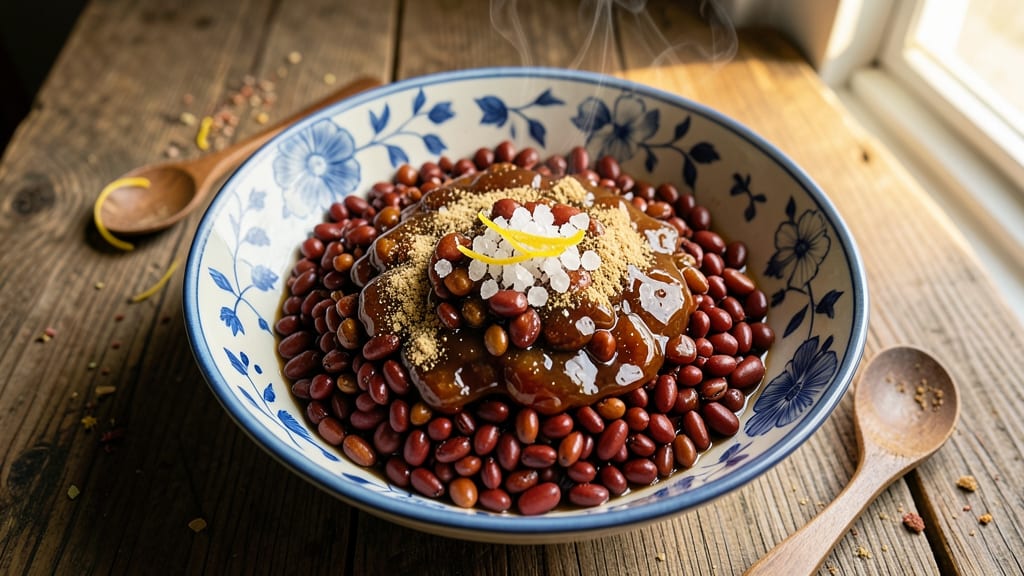
This Asian soy sauce recipe unlocks the deep, fermented umami that transforms simple dishes into restaurant-quality meals. The process combines traditional techniques with modern convenience, delivering bold flavor in just 15 minutes of active time—though the magic happens during fermentation.
What sets this apart is the balance of sweetness, salt, and complex savory notes that define authentic soy sauce, without requiring years of aging.
The foundation lies in a simple blend of soybeans, wheat, water, and a starter culture (like koji or koji powder), which kickstarts fermentation. This method captures the essence of traditional soy sauce while being accessible for home cooks.
The key is patience—letting the mixture ferment for at least 3 weeks (or up to 3 months for deeper flavor) develops the rich, caramelized depth that defines soy sauce.
By the end, you’ll have a versatile, umami-packed sauce that elevates stir-fries, marinades, and dipping sauces to new heights. The texture will be smooth and liquid-like, with a glossy sheen that signals authenticity.
Unlike store-bought versions, this sauce builds flavor over time, rewarding you with layers of complexity in every drop.
Perfect for pantry staples or gifting, this soy sauce keeps for months in a cool, dark place. Whether you’re a home cook or a fermentation enthusiast, this recipe bridges tradition and convenience—delivering professional results with minimal effort.
Ingredients for asian soy sauce
Eight essential components transform into restaurant-quality soy sauce through fermentation.
| Ingredient | Amount | Notes |
|---|---|---|
| Yellow Soybeans 🌱 | 1 cup | Dry, organic preferred for depth |
| Hard Red Wheat Berries 🌾 | 1 cup | Unmilled for traditional texture |
| Koji Powder 🍄 | 2 tbsp | Or koji starter culture (1/4 cup) |
| Diamond Crystal Kosher Salt 🧂 | 1 ½ tbsp | Fine grain for even dissolution |
| Brown Sugar 🍯 | ½ cup | Light or dark variety preferred |
| Water 💧 | 2 cups | Filtered or distilled preferred |
| White Vinegar 🍶 | 1 tbsp | For pH balance and preservation |
| Extra-Virgin Olive Oil 🫒 | 1 tbsp | Covers mixture to prevent oxidation |
The soybeans and wheat berries form the umami backbone—organic, non-GMO varieties from specialty stores like Whole Foods or bulk bins at Sprouts deliver superior depth. Koji powder, the fermentation catalyst, is available at Asian markets or online retailers like Amazon—ensure it's labeled for soy sauce production. For a more traditional approach, substitute koji powder with a 1/4 cup koji starter culture, which requires an initial fermentation step. The brown sugar adds caramelized complexity, while the kosher salt ensures proper microbial balance during fermentation. All ingredients must be measured precisely, as fermentation chemistry is highly sensitive to ratios.
No koji powder? Substitute with a commercial soy sauce starter (available at specialty stores) or create your own by fermenting cooked soybeans with Aspergillus oryzae. For a sweeter profile, maple syrup can replace brown sugar at a 1:1 ratio. If white vinegar is unavailable, apple cider vinegar or rice vinegar work equally well. The olive oil acts as a protective layer—avocado oil or grapeseed oil are suitable alternatives. For a lighter texture, reduce the wheat berries by 1/4 cup, though this may slightly alter the traditional flavor profile. Always use filtered water to avoid chlorine interference with fermentation.
Store the fermenting mixture in a non-reactive glass jar with an airlock lid to prevent contamination. Keep it in a dark, warm place (75-85°F) for at least 3 weeks, stirring daily. Once fermented, strain through a cheesecloth-lined colander and store the liquid in sterilized glass bottles. The finished sauce maintains quality for up to 12 months in a cool, dark pantry. For gifting, use amber glass bottles to preserve color and flavor. Freeze portions in ice cube trays for single-use convenience.
Why You'll Love This Recipe
- No-Fuss Fermentation: I swear by this—just soak those yellow soybeans and wheat berries overnight, toss in koji powder, and let time do the work. No fancy equipment, no constant stirring; my countertop sits untouched for weeks while the flavor deepens like a good conversation.
- Umami Bomb: That koji powder? It’s the secret weapon—earthy, funky, and packed with depth. The brown sugar rounds it out just enough to make this sauce sing in stir-fries or glaze roasted veggies, with a richness store-bought versions can’t touch.
- Pantry Staple: Between us, this sauce is my go-to for everything from quick weeknight dinners to impressing guests. A splash in ramen, a drizzle over grilled chicken, or even a marinade—it’s the one thing I never run out of, and honestly, neither do my freezer meals.
- Costs Less, Lasts Longer: I make a big batch and freeze it in ice cube trays—thaw what I need, keep the rest for months. A few pounds of soybeans and wheat go a long way, and the salt and sugar stretch my grocery budget without sacrificing flavor. (Yes, even on a Tuesday night.)
Step-by-step instructions for authentic fermented soy sauce
Transform simple ingredients into complex umami through precise fermentation and cooking.
Prepare the Base Fermentation Mixture
In a large stainless steel bowl, combine the 1 cup yellow soybeans and 1 cup hard red wheat berries. Add the 2 tbsp koji powder and mix thoroughly with clean hands or a silicone spatula until the grains are evenly coated and appear uniformly damp. This coating ensures the koji culture will activate uniformly across all grains.
The mixture should resemble damp sand with no dry patches. Cover the bowl with a clean kitchen towel and let it rest at room temperature for 12-24 hours. You'll notice the mixture warming slightly as the koji begins working—this is normal and indicates proper fermentation initiation. Avoid placing it in direct sunlight or near heat sources during this period.
Add Sweetener and Salt for Flavor Development
After the initial fermentation period, transfer the mixture to a food processor and pulse until you achieve a coarse meal consistency—think somewhere between sand and fine crumbs. In a separate bowl, dissolve the 0.5 cup brown sugar and 1.5 tbsp Diamond Crystal kosher salt in the 2 cups water until completely dissolved. This creates a syrup that will carry flavors throughout the fermentation.
Combine the processed grain mixture with the sugar-salt solution in a non-reactive ceramic or glass container. Stir well to ensure even distribution of the liquid throughout the grains. The mixture should appear moist but not soupy—if it's too dry, add 1-2 tablespoons more water. Cover loosely with a breathable cloth and let ferment at room temperature for 48-72 hours, stirring once daily.
Press and Extract the Fermented Liquid
After the secondary fermentation period, transfer the mixture to a clean cheesecloth or nut milk bag. Suspend it over a large bowl and press gently but firmly for 10-15 minutes to extract the liquid. The resulting liquid should be dark amber with visible grain particles suspended—this is your raw fermented base. Discard the pressed solids or compost them.
Strain the liquid through a fine-mesh sieve into a clean glass jar, pressing gently on the cheesecloth to extract every last drop. You should have approximately 1½ cups of liquid at this stage. The strained liquid will have a rich, earthy aroma with developing umami notes—this is your foundation for the final sauce.
Complete the Fermentation with Acid Balance
To the strained liquid, add the 1 tbsp white vinegar and 1 tbsp extra-virgin olive oil. The vinegar helps stabilize the fermentation and prevents mold growth, while the olive oil adds a protective layer that preserves freshness. Stir thoroughly to combine, then transfer to a clean glass jar with an airtight lid.
Allow the mixture to ferment at room temperature for an additional 72 hours, then refrigerate to halt further fermentation. The sauce will continue developing flavor in the fridge, reaching peak umami after 1-2 weeks. The final product should have a deep mahogany color, thick syrupy consistency, and intense savory aroma with subtle sweetness.
Pro Tips For Making Asian Soy Sauce
- SOAK BEANS OVERNIGHT: I learned this the hard way—rushing the soak leaves you with uneven texture and bitter flavor. Yellow soybeans need at least 12 hours in cool water (change it once halfway) to soften properly. Trust me, your future self will notice the difference when they’re silky smooth after cooking.
- GRIND WHEAT COARSELY: Skip the fine powder—you want hard red wheat berries cracked into rough pieces, not flour. A food processor with the pulse function works best; too-fine grinding turns your sauce gummy. Think "crushed gravel," not "sand."
- STEAM Koji LOW AND SLOW: Koji powder hates heat spikes. Cover the mixture loosely with foil and steam at 160°F (71°C) for 12–16 hours—any hotter, and you’ll kill the enzymes that make the sauce develop depth. I use a slow cooker on "keep warm" for this.
- SALT IN LAYERS: Don’t dump all the Diamond Crystal salt at once. Sprinkle it in thin layers (about 1 tsp per 2 cups of mixture) every 2–3 days during fermentation. This keeps the culture balanced and prevents the surface from turning into a salt crust that blocks flavor development.
Regional styles of this asian soy sauce
Japanese Shoyu Style
For a lighter, more delicate soy sauce inspired by Japanese shoyu, reduce the wheat berries to ½ cup and increase soybeans to 1½ cups. Use 1½ tbsp koji powder and ferment the mixture for 4-6 weeks at 70-75°F for a cleaner, less sweet profile.
The result is a lighter amber color with a sharper umami punch—perfect for dipping sauces or marinades. 🍶
Chinese Dark Soy Sauce
Craft a Chinese-style dark soy sauce by doubling the brown sugar to 1 cup and adding 1 tbsp molasses for deeper caramelization. Ferment the mixture for 8-12 weeks before pressing, then simmer the strained liquid with ½ cup honey for 30 minutes to intensify the color and sweetness.
This rich, syrupy sauce is ideal for stir-fries and braising. 🍯
Korean Ganjang Adaptation
Transform this recipe into Korean ganjang by omitting the brown sugar and replacing it with ½ cup barley malt powder. Use 1 cup soybeans and ½ cup wheat berries, and ferment for 3-4 months in a saltwater brine (1:1 water-to-salt ratio).
The result is a briny, funky sauce with a deep, earthy flavor—ideal for kimchi or stews. 🌊
Thai Soy Sauce Fusion
Add a Thai twist by incorporating 1 tbsp fish sauce and 1 tsp palm sugar into the initial mixture. Ferment for 3 weeks, then blend the strained liquid with ½ cup coconut milk and 1 tbsp lime juice for a creamy, tangy sauce.
This fusion works beautifully in satay marinades or curry bases. 🌶️
Vegan Fermentation Boost
For a vegan-friendly version, replace the wheat berries with 1 cup roasted chickpeas and use 1 tbsp nutritional yeast as a koji substitute. Ferment for 4 weeks and strain through a fine sieve. The result is a nutty, umami-rich sauce perfect for vegan stir-fries and dressings. 🌱
Quick-Pressed Alternative
Skip fermentation entirely by blending the soaked soybeans and wheat with 2 tbsp miso paste and 1 tbsp apple cider vinegar. Simmer the mixture with 2 cups water and ½ cup brown sugar for 1 hour, then strain.
This instant soy sauce delivers quick umami but lacks depth—best for emergencies or gifting. ⏱️
Nutrition facts
Frequently asked questions
Can I make this soy sauce without koji powder?
Yes! You can substitute with 2 tbsp miso paste or a ¼ cup koji starter culture (fermented soybeans with Aspergillus oryzae). For a quick version, blend 1 cup soybeans, ½ cup wheat, 2 tbsp miso, and 1 tbsp vinegar, then simmer for 1 hour—though this lacks deep fermentation complexity.
How long does homemade soy sauce last?
Properly fermented and stored in a sterilized glass jar, this sauce keeps for 6-12 months in a cool, dark pantry. Once opened, refrigerate and use within 3 months. The vinegar and oil help preserve it, but oxidation can occur if exposed to light or air.
Why does my soy sauce smell funky?
A mild fermented aroma is normal! If it smells overly sour, vinegary, or moldy, fermentation may have gone wrong. For safety, discard if you see mold or an ammonia-like odor. Proper ratios (especially salt and koji) prevent spoilage—ensure your workspace is clean and temperatures stay between 70-85°F.
Can I adjust the sweetness level?
Reduce brown sugar to ¼ cup for a drier profile or increase to ¾ cup for a sweeter sauce. For a savory-only version, omit sugar entirely and add 1 tsp molasses for depth. Taste after fermentation—adjust with honey or vinegar as needed.
What’s the fastest way to get flavor?
Ferment for 3 weeks (minimum) for basic umami, but 6-8 weeks delivers restaurant-quality depth. For quick results, use store-bought koji and maintain 75-80°F temperatures. Skipping fermentation? Simmer the strained liquid with ½ cup honey for 30 minutes to mimic caramelization.