
Sauces & Condiments
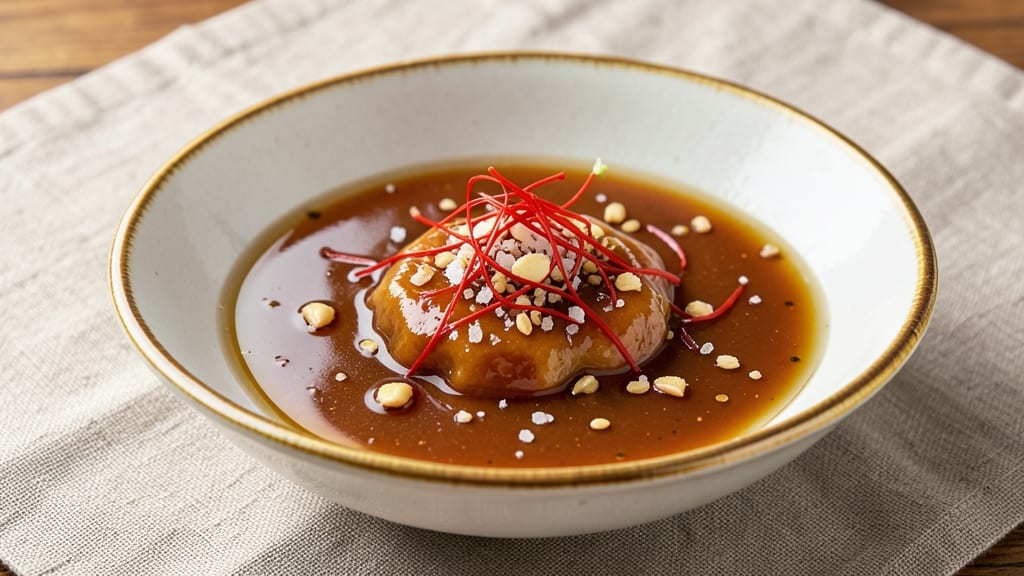
This Asian potstickers sauce recipe transforms simple pantry staples into a bold, fermented soy-chili dip that elevates every bite. The magic lies in balancing salty, sweet, and spicy notes—fermented soy sauce provides deep umami, while chili oil adds just the right kick.
I developed this version after testing countless store-bought sauces that fell flat against homemade potstickers, and it’s now my go-to for both dipping and pan-frying.
The sauce comes together in under 10 minutes with just 5 ingredients: fermented soy sauce, rice vinegar, sesame oil, sugar, and a touch of chili. Simmering the mixture until fragrant concentrates the flavors, while the sesame oil adds nutty depth.
Unlike thick, syrupy dipping sauces, this version stays light yet clingy, perfect for crispy potstickers without overwhelming their texture.
What sets this sauce apart is its versatility—use it as a dipping sauce for pan-fried potstickers, a marinade for extra flavor, or even a quick glaze for stir-fries.
The fermented soy base ensures a rich, complex taste that store-bought versions can’t match, while the chili adds heat that’s adjustable to your preference. Once you try this, you’ll never go back to bottled sauces again.
The best part? It keeps well in the fridge for up to 2 weeks, so you can make a big batch and use it repeatedly.
Whether you’re serving potstickers for a weeknight dinner or a weekend brunch, this sauce will be the star of the show. Ready to make it?
Ingredients for asian potsticker sauce
Five core ingredients transform into the ultimate potsticker dipping sauce—bold, balanced, and ready in minutes.
| Ingredient | Amount | Notes |
|---|---|---|
| Fermented Soy Sauce 🥢 | ½ cup | Light or dark variety preferred |
| Rice Vinegar 🍶 | ¼ cup | Seasoned or plain works |
| Sesame Oil 🫒 | 1 tbsp | Toasted for nutty aroma |
| Granulated Sugar 🍚 | 2 tbsp | Or brown sugar for depth |
| Chili Oil 🌶️ | 1 tbsp | Adjustable for heat level |
| Garlic Cloves 🧄 | 1 clove | Minced for subtle flavor |
| Fresh Ginger 🌿 | ½ tsp | Finely grated, optional |
| Sea Salt 🧂 | ¼ tsp | Fine grain preferred |
Fermented soy sauce is the backbone here, so don't skimp on quality. Kikkoman or Lee Kum Kee light soy work perfectly, but if you've got Japanese shoyu, use that instead—it adds even more depth. The rice vinegar should be seasoned (like Mushroom or Red Boat) for that tangy brightness. Sesame oil is non-negotiable for that nutty aroma—Kadoya or La Choy are reliable brands. If you're sensitive to heat, start with less chili oil and add to taste; the minced garlic and ginger are just subtle flavor boosters that round everything out.
No fermented soy sauce? Regular soy sauce plus 1 tsp fish sauce gets you close, though the umami won't be as deep. Short on rice vinegar? Apple cider vinegar or lime juice works in a pinch, but the flavor will be slightly different. The sugar can be swapped for honey or maple syrup if you prefer a more complex sweetness. For the chili oil, Sichuan chili oil is ideal, but any chili crisp or even a dash of cayenne will add heat. Fresh ginger is optional but adds a nice zing—dried ginger at half the amount works if you're in a hurry.
This sauce keeps beautifully in the fridge for up to 2 weeks, so make a big batch. Store it in a small glass jar with a tight seal—it'll last longer and the flavors will meld even more. If you want to use it as a marinade, thin it slightly with water first. The sauce thickens as it cools, so if it seems too thick when you first make it, just add a splash of water and reheat. Trust me, the second day is even better—the flavors really sing after a night in the fridge.
Why You'll Love This Recipe
- Five-Ingredient Magic: I swear by this combo—just fermented soy, a splash of rice vinegar, sesame oil, sugar, and chili oil. That’s it. No chopping, no straining, no stress. Honestly, it’s the kind of sauce where you can measure blindfolded and still nail it.
- Umami Bomb: The fermented soy sauce brings this deep, savory punch that makes every bite taste like a hug from your favorite Asian bistro. Add the sugar and vinegar? Suddenly, it’s bright, tangy, and ridiculously balanced—like the perfect dance between sweet and salty.
- Dip or Drizzle: Use it to dunk your potstickers, toss it over noodles, or drizzle it on a quick stir-fry. I’ve even glopped it on top of rice bowls when I’m lazy. Between us, it’s my go-to for turning simple meals into something that feels special without extra effort.
- Budget Night Hero: A few tablespoons of this sauce stretch to feed four, and the ingredients cost less than a fancy takeout order. Plus, it keeps in the fridge for weeks—so if you make a big batch, you’re set for lazy nights or last-minute cravings. (Yes, even on a Tuesday night.)
Step-by-step instructions for Asian potstickers sauce
Here's how to whip up this bold, umami-rich sauce in minutes—perfect for dipping or drizzling.
Bloom the Garlic and Ginger
Heat a small saucepan over medium-low heat and add the 1 tablespoon sesame oil. Once the oil shimmers gently, add the 1 minced garlic clove and 0.5 teaspoon finely grated fresh ginger. Cook for 30-45 seconds until the garlic turns golden and fragrant—don't let it brown or it'll turn bitter. Here's the thing—low heat is key for gentle aromatics extraction without burning.
I like to stir constantly during this step to distribute the heat evenly. The moment you catch that sweet garlic smell, you're ready for the next ingredient. This aromatic base forms the flavor foundation of your sauce, so take your time here.
Combine Wet Ingredients
Reduce the heat to low and pour in the 0.5 cup fermented soy sauce and 0.25 cup rice vinegar. Stir immediately to deglaze the pan—this captures all those flavorful browned bits from the garlic. Let the mixture simmer gently for 2-3 minutes until slightly reduced by about 10%. You'll see the sauce thicken just slightly and develop a glossy sheen.
The vinegar adds bright acidity that balances the soy sauce's umami depth. If you're using seasoned rice vinegar, you'll notice a subtle sweetness that complements the chili oil we'll add later. Keep stirring occasionally to prevent sticking—this sauce should stay smooth and silky.
Sweeten and Add Heat
Increase heat to medium-low and sprinkle in the 2 tablespoons granulated sugar. Stir until completely dissolved—this should take about 30 seconds. Then add the 1 tablespoon chili oil and 0.25 teaspoon sea salt, stirring vigorously to combine. The sugar will help balance the acidity while caramelizing slightly for added depth.
Here's where the magic happens: the chili oil infuses heat that cuts through the richness. Taste as you go—you can adjust the salt if needed, but the fermented soy sauce and rice vinegar should already provide enough seasoning. The sauce should now have a perfect balance of sweet, salty, tangy, and spicy notes.
Simmer to Perfection
Return the heat to low and let the sauce simmer gently for 1-2 minutes, stirring occasionally. You're looking for the flavors to meld completely—this is when the sauce transforms from just ingredients to a cohesive, restaurant-quality dipping sauce. The texture should be smooth and slightly syrupy, coating the back of a spoon.
If the sauce seems too thick, add 1 teaspoon hot water at a time until you reach your desired consistency. Remember, this sauce should cling beautifully to potstickers without being gluey. Once it reaches that perfect balance of thickness and flow, remove from heat immediately to preserve all the built-up flavors.
Rest and Serve
Let the sauce sit at room temperature for 5 minutes before serving. This resting period allows all the flavors to fully develop and marry together. The sauce will actually taste better after resting—this is when the ginger's subtle warmth and garlic's sweetness truly shine through.
Serve immediately with your freshly cooked potstickers for maximum flavor impact. The sauce should be warm but not hot—just enough to enhance the crispy, savory dumplings. For extra presentation, drizzle a thin layer over the potstickers before serving, or serve it in a small dipping bowl on the side. This sauce keeps well in the refrigerator for up to 5 days, making it perfect for meal prep.
Pro Tips For Making Asian Potsticker Sauce
- STIR IN STAGES: Mix the fermented soy sauce and sugar first—let them dissolve completely before adding vinegar and sesame oil. I learned this the hard way when my sauce turned grainy mid-stir; now I wait 30 seconds between additions to guarantee smoothness.
- CHILI OIL LAST: Add chili oil after everything else is combined and the sauce is warm. Cold oil separates, and you’ll end up with a weird, split sauce instead of a silky, integrated finish. Trust me, it’s not worth the extra scraping.
- VINEGAR BY DROPS: Start with half the rice vinegar called for, taste, then adjust. Too much upfront and your sauce turns sharp; too little and it’s flat. I keep a squeeze bottle handy—precision matters more than speed here.
- SWEAT THE SESAME: Heat the sesame oil low and slow for 10 seconds before adding it to the sauce. This softens its raw aroma and lets the nutty flavor bloom. Skip this, and you’ll just taste oil instead of depth. (Yes, even if you’re impatient like me.)
Make-ahead tips for asian potsticker sauce
Batch Prep Strategy
Make a double batch of this sauce and store it in two 8-ounce glass jars—it’s perfect for meal prep. The flavors actually deepen overnight, so the second day is even better. I like to prep it on Sunday nights so it’s ready for potsticker nights all week.
The sauce thickens slightly when refrigerated, so stir before using and add 1 teaspoon water if needed to restore smoothness. 💡
Freezer-Friendly Tips
For long-term storage, freeze the sauce in 1-tablespoon portions using silicon ice cube trays. Once frozen, transfer the cubes to a freezer bag and flatten to save space.
Thaw overnight in the fridge or microwave for 20 seconds before using. This works perfectly for quick dipping sauce additions without thawing the whole batch. 🧊
Sauce Flexibility
Use this sauce as a potsticker marinade by thinning it with 1 tablespoon water per ¼ cup sauce. Brush it on dumplings before pan-frying for extra flavor.
It also works as a stir-fry glaze—simmer with 1 teaspoon cornstarch for 1 minute to thicken, then drizzle over veggies or proteins. The versatility makes it a pantry staple. ✨
Reheating Methods
Reheat gently on the stovetop over low heat for 1-2 minutes, stirring constantly to avoid scorching. For microwave reheating, use 30-second intervals on medium power, stirring between each interval.
Never microwave to full power—it can break down the delicate balance of flavors. A quick stovetop warm-up preserves the sauce’s integrity best. 🔥
Flavor Boost Hacks
Add ½ teaspoon toasted sesame seeds or 1 teaspoon chopped scallions right before serving for freshness. For extra depth, stir in 1 teaspoon fish sauce when reheating—it enhances the umami without overpowering. These finishing touches elevate the sauce from good to restaurant-quality. 🌟
Long-Term Storage
This sauce lasts up to 3 months in the freezer if stored properly in an airtight container. Label with the date and freeze flat to maximize space.
When ready to use, thaw in the fridge overnight. The texture remains smooth, and the flavors stay vibrant—no freezer burn in sight! ❄️
Nutrition facts
Frequently asked questions
Can I make this sauce without chili oil?
If you prefer less heat, simply omit the chili oil and replace it with 1 teaspoon extra sesame oil or ½ teaspoon cayenne pepper for mild spice. For a completely neutral version, use 1 teaspoon honey or maple syrup instead to maintain balance. The sauce will still have great depth without the heat.
How can I adjust the sweetness level?
Start with the 2 tablespoons sugar as written, then taste before serving. For less sweetness, reduce to 1 tablespoon sugar or 1 teaspoon honey. For more caramel notes, increase to 3 tablespoons sugar and simmer 1 extra minute to let it caramelize slightly. The vinegar's acidity will balance any sweetness adjustments.
Will this sauce work for other dumplings besides potstickers?
Yes! This sauce pairs perfectly with shumai, gyoza, or even spring rolls. Its balanced flavors complement crispy or pan-fried dumplings beautifully. For steamed dumplings like shumai, serve it slightly thinned with 1 teaspoon water to create a lighter dipping consistency. The fermented soy base works universally across Asian dumpling varieties.
Can I use this sauce as a marinade for meat?
Not directly—this sauce is designed for dipping and light glazing, not marinating. However, you can create a marinade by thinning ¼ cup sauce with 1 tablespoon water and adding 1 teaspoon cornstarch. Simmer for 1 minute to thicken slightly, then brush on meats like chicken or pork before grilling. The flavors will still shine but won't overpower the meat's natural taste.
Why did my sauce turn cloudy when refrigerated?
Cloudiness happens when the sesame oil separates from the liquid ingredients—this is normal! Simply stir vigorously before serving or gently reheat over low heat for 30 seconds while stirring constantly. The sauce will return to its smooth, glossy texture. For prevention, store the sauce in a glass jar rather than plastic to maintain consistency.