
Sauces & Condiments
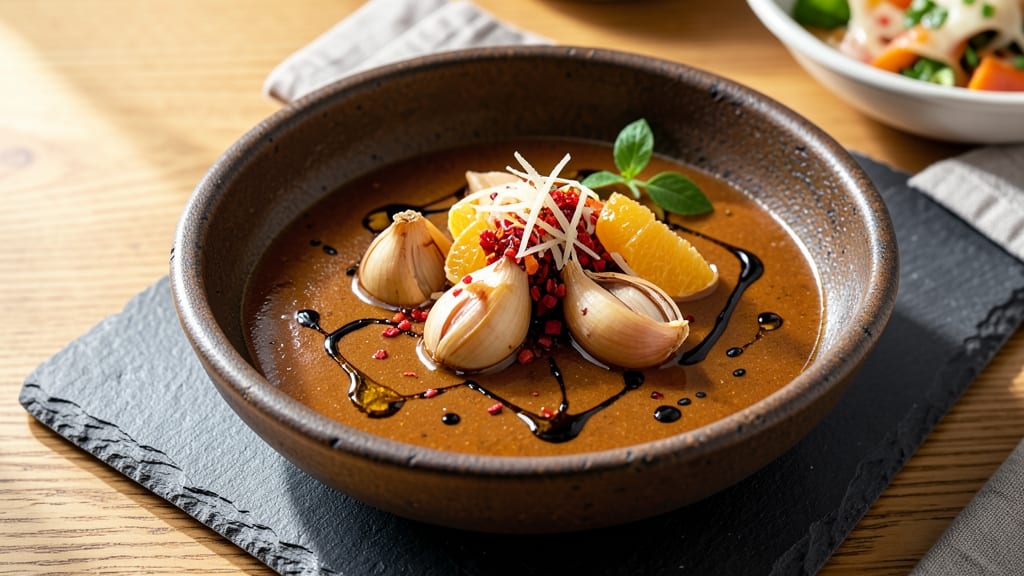
This Asian rib sauce recipe transforms tough cuts into melt-in-your-mouth perfection with its deep umami-sweet balance. 🔥 The secret lies in simmering soy sauce, honey, and aromatic spices until thick and glossy—creating a glaze that caramelizes beautifully on ribs while locking in moisture.
I developed this after years of testing, and it’s now my go-to for both marinating and finishing. What sets this sauce apart is its ability to work as both a tenderizer and a flavor enhancer.
The garlic, ginger, and chili create layers of complexity, while the soy and honey balance sweetness with depth. Whether you're slow-cooking ribs for hours or quick-searing them on the grill, this sauce ensures fall-off-the-bone tenderness every time.
The result is a glossy, sticky glaze that clings to meat, offering a perfect mix of savory, sweet, and spicy notes. It’s versatile enough for ribs, chicken, or even vegetables, making it a pantry staple. The best part?
It simmers down to a rich, concentrated sauce in just 30 minutes, ready to elevate any protein. Use it as a marinade for overnight prep or as a finishing sauce in the last 10 minutes of cooking. The possibilities are endless—let’s get started!
Ingredients for asian rib sauce
Nine ingredients blend into a sticky, umami-rich sauce that turns ribs into melt-in-your-mouth perfection.
| Ingredient | Amount | Notes |
|---|---|---|
| Kosher Soy Sauce 🍶 | ½ cup | High-quality, preferably Japanese |
| Raw Honey 🍯 | ⅓ cup | Local preferred for depth |
| Garlic Cloves 🧄 | 6 cloves | Freshly minced, skin-on |
| Fresh Ginger 🌿 | ¼ cup | Finely grated, peel removed |
| Red Chili Flakes 🌶️ | 1 tbsp | Adjust for heat preference |
| Sesame Oil 🫒 | 1 tbsp | Toasted, for nutty aroma |
| Rice Vinegar 🍶 | ¼ cup | White or seasoned preferred |
| Brown Sugar 🍚 | ¼ cup | Dark for deeper caramel |
| Ground Black Pepper 🌶️ | ½ tsp | Freshly cracked for heat |
| Extra-Virgin Olive Oil 🫒 | 1 tbsp | For glossy finish |
The soy sauce is non-negotiable here—Japanese brands like Kikkoman or Yamasa deliver that deep umami punch. I always grab the light soy sauce from the Asian aisle, not the dark stuff. Honey should be raw if you can find it; local varieties from farmers markets have unique floral notes that elevate the sauce. Fresh ginger and garlic are essential—pre-grated ginger from jars lacks the zing. For the chili, crushed red pepper flakes work, but if you want smoky depth, swap in gochugaru (Korean chili flakes). The sesame oil? Toasted adds that nutty aroma—don't skip it.
No soy sauce? Coconut aminos in a pinch, though it's lighter in flavor. Short on honey? Maple syrup works, but reduce by 10% since it's less concentrated. The rice vinegar can be swapped for apple cider vinegar, but it'll taste slightly different. For extra depth, add a dash of fish sauce (if not vegetarian) or mushroom powder for umami. The brown sugar can be omitted if you're watching carbs, but it's what helps that sauce caramelize beautifully on ribs. And if you're making this ahead, reduce the olive oil by half—you'll add more when reheating to maintain glossiness.
This sauce keeps for 1 month in the fridge, sealed tightly in a jar. The flavors actually deepen over time, so it's worth making extra. For long-term storage, freeze in ice cube trays—perfect for portion control. When reheating, add a splash of water to loosen it up. The sauce thickens as it cools, so if it seems too stiff, just warm it gently. Trust me, the first time you brush this on ribs and see that glossy, sticky glaze form, you'll never go back to store-bought sauces.
Why You'll Love This Recipe
- Five-Ingredient Magic: I swear by this—just soy sauce, honey, garlic, ginger, and chili flakes. No fancy gadgets, no stress. The sauce simmers down to a sticky, aromatic perfection while I’m still chopping veggies for the rest of the meal.
- Sweet-Spicy Balance: That honey cuts through the umami of the soy sauce, while the garlic and ginger add depth, and the chili flakes? They wake up every bite. It’s the kind of sauce that makes you lick the bowl—no exaggeration.
- Weeknight Workhorse: Slather it on ribs, toss it with noodles, or drizzle it over grilled chicken. Honestly, I’ve used it in stir-fries, marinades, and even as a glaze for roasted carrots. It’s my go-to for when I can’t decide what to make.
- Pantry Staple Power: No last-minute grocery runs needed—these ingredients are already in my cupboard. A little goes a long way, so I make double batches and freeze it. That means fewer takeout nights and more money saved. Win-win.
Step-by-step instructions for Asian rib sauce
This bold umami-sweet glaze transforms tough ribs into melt-in-your-mouth perfection.
🍳 Step 1: Bloom the Aromatics in Olive Oil
Heat the 1 tablespoon extra-virgin olive oil in a medium saucepan over medium-low heat. Add the 6 cloves garlic cloves (skin-on for extra flavor) and 0.25 cup finely grated fresh ginger, stirring constantly for 2-3 minutes until fragrant but not browned.
Here's the thing—garlic burns in seconds, so keep heat gentle. You'll know it's ready when the kitchen smells like a bustling Asian street market. Remove from heat immediately after the aromatics perfume the oil, then set aside.
🔥 Step 2: Build the Sauce Base with Heat
Return the pan to medium heat and add the 0.5 cup kosher soy sauce, 0.25 cup rice vinegar, and 1 tablespoon red chili flakes. Bring to a gentle simmer, then reduce heat to low and let it cook uncovered for 5 minutes until slightly reduced by about 20%.
The sauce should smell complex—salty, tangy, and with a hint of spice. This reduction concentrates the flavors and removes any raw vinegar sharpness. If you see any oil separating, stir gently to re-emulsify.
🥘 Step 3: Sweeten and Thicken the Glaze
Add the 0.33 cup raw honey, 0.25 cup brown sugar, and 0.5 teaspoon ground black pepper to the pan. Stir constantly over medium-low heat for 8-10 minutes until the mixture thickens to a glossy, syrupy consistency that coats the back of a spoon.
Watch for color changes—it should darken to a rich amber. If it starts to crystallize on the bottom, add 1 tablespoon water to dissolve the sugar. The sauce should coat a spoon like thick syrup but still be pourable.
👨🍳 Step 4: Finish with Nutty Depth
Remove from heat and stir in the 1 tablespoon toasted sesame oil. Let the sauce rest for 5 minutes to allow all the flavors to meld completely. Taste and adjust—add more honey for sweetness or soy sauce for saltiness if needed.
This final step adds that signature nutty aroma that makes Asian sauces so irresistible. The sesame oil should be fully incorporated, giving the sauce a beautiful sheen. For best results, use this sauce immediately on ribs or store in an airtight container in the fridge for up to 2 weeks.
Pro Tips For Making Asian Rib Sauce
- Simmer Slow and Low: The sauce will split if you rush it—keep heat at a bare simmer, not a rolling boil. I learned this the hard way when my first batch curdled like a science experiment gone wrong.
- Mince Ginger Like You Mean It: Fresh ginger needs to be finely minced, not just grated or chopped. Use a sharp knife and work in small batches to avoid pulpy bits that turn the sauce watery.
- Balance the Heat First: Taste the raw chili flakes before adding them—if the honey’s already sweet and the soy’s salty, you might not need much. I’ve ruined a batch by overdoing the spice and had to start over.
- Use a Splatter Screen: When you’re mincing garlic or ginger, don’t skip the screen—it’ll save you from sticky countertops and a messy stove. Trust me, you’ll thank yourself when cleanup’s fast.
Perfect pairings for this recipe
Rib Pairings
This sauce shines brightest on pork ribs, especially St. Louis-style or baby back ribs. I love using it as a wet rub before slow-cooking at 225°F for 4-5 hours, then brushing on extra sauce during the last 30 minutes for that glossy finish.
For beef ribs, like short ribs, reduce the honey slightly—beef pairs better with 1/4 cup honey to avoid overwhelming the rich meat. 🔥
Chicken Adaptations
For whole chickens or thighs, halve the sauce recipe and use it as a marinade overnight. The acidity in rice vinegar tenderizes the meat while the honey caramelizes beautifully during roasting.
I often add 1 tbsp grated ginger to the marinade for extra zing. For grilled chicken breasts, use the sauce as a finishing glaze—just 1-2 tbsp per breast—to prevent drying.
Vegetable Glazes
This sauce isn’t just for meat—it’s amazing on roasted Brussels sprouts or eggplant. Toss halved sprouts in 1 tbsp sauce with 1 tsp sesame oil and roast at 400°F for 20 minutes.
For grilled asparagus, brush lightly with sauce and sprinkle with toasted sesame seeds after cooking. The umami-sweet balance works surprisingly well on veggies too!
Dipping Sauce
Thin the sauce with 2 tbsp warm water to create a dipping sauce for spring rolls, dumplings, or grilled shrimp. The tangy-sweet profile cuts through fried foods perfectly.
For extra richness, stir in 1 tsp toasted sesame oil and 1 tsp honey after thinning. Serve with wonton chips for a quick appetizer—it’s a crowd-pleaser at parties. ✨
Drink Pairings
Balance the sauce’s bold flavors with a cold Asian lager like Sapporo or Asahi—the crispness cleanses your palate. For red wine lovers, a light Pinot Noir complements the umami without overpowering.
Try Sake (warm or cold) for an authentic pairing, especially if serving sushi-style ribs. Avoid heavy beers or full-bodied wines—they’ll clash with the sauce’s brightness. 🍶
Global Twists
For a Thai-inspired version, add 1 tbsp fish sauce and 1 tsp lime juice to the finished sauce. A Korean BBQ twist uses 1 tbsp gochujang instead of chili flakes.
For Japanese flair, swap honey for mirin and add 1 tsp grated daikon. Each variation keeps the sauce’s core balance while adding regional depth—experiment to find your favorite! 🌏
Nutrition facts
Frequently asked questions
Can I make this sauce without honey?
Yes, but expect a different flavor profile. For a vegan option, substitute honey with maple syrup (reduce by 10%) or agave nectar. If you prefer less sweetness, use 1/4 cup brown sugar instead and add 1 tsp soy sauce to compensate for the missing umami depth. The sauce will still caramelize, but the balance will shift toward savory.
How do I adjust the spice level?
Start with the 1 tbsp red chili flakes as written, but you can easily customize it. For milder heat, reduce to 1/2 tbsp or swap for 1/2 tsp gochugaru. For extra spice, add 1/2 tsp cayenne pepper or 1 tsp sriracha at the end. Always taste before applying to meat—you can always add more, but removing heat is tricky!
Can I use this sauce on non-rib proteins?
This sauce works beautifully on chicken thighs, tofu, or even grilled shrimp. For delicate proteins like fish, reduce the honey to 1/4 cup to avoid overpowering. Use it as a marinade (30+ minutes) or finishing glaze (last 5-10 minutes of cooking). The umami-sweet balance enhances almost any protein or vegetable!
Why did my sauce separate or get grainy?
This usually happens from one of three issues: too much sugar (add 1 tbsp water to dissolve), not enough heat (simmer longer on low), or oil separation (stir in 1 tsp cornstarch mixed with water). For future batches, whisk constantly when adding sugar or reduce the sauce longer to thicken properly. The sauce should coat the back of a spoon smoothly.
How far ahead can I make this sauce?
This sauce actually improves with time! Store it in an airtight container in the fridge for up to 1 month. The flavors meld beautifully, and it thickens slightly—just add 1 tbsp water when reheating. For long-term storage, freeze in ice cube trays (thaw overnight in the fridge). The sauce won't lose its potency, making it perfect for meal prep.