
Sauces & Condiments
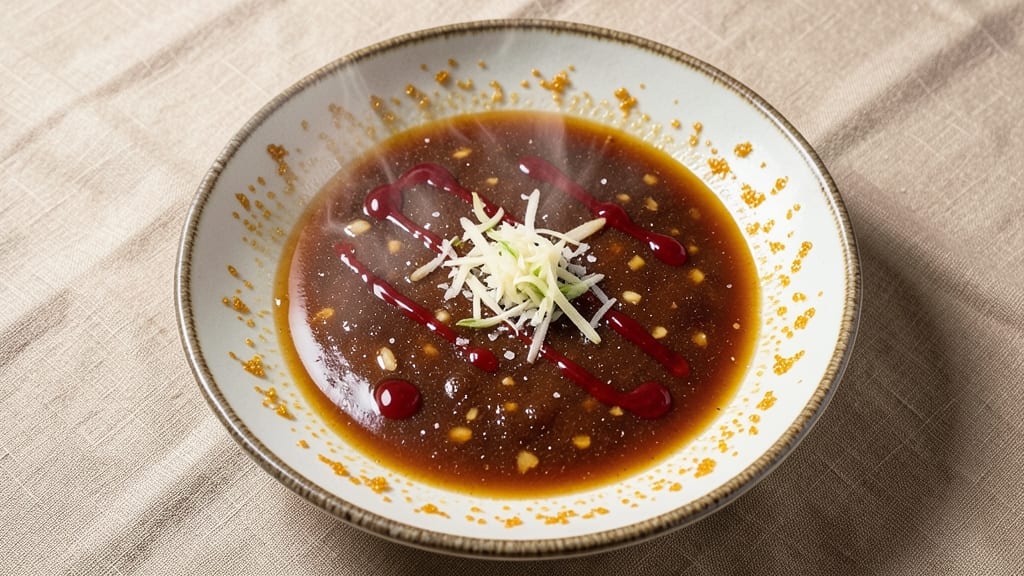
This Asian omelette sauce recipe transforms simple eggs into a restaurant-worthy dish with just 5 minutes of prep and 10 minutes of simmering. The secret lies in balancing umami-rich soy sauce with sweet oyster sauce and aromatic sesame oil, creating a glossy glaze that clings perfectly to crispy omelette edges.
I developed this sauce after years of experimenting with stir-fry techniques, and it never fails to elevate even the most basic egg dish.
The foundation is a simple sauce base of soy sauce, oyster sauce, and a touch of sugar to balance the flavors. What sets this apart is the aromatic boost from minced garlic, fresh ginger, and a splash of rice vinegar for brightness.
A quick simmer reduces the sauce to a perfect consistency—thick enough to coat but still pourable for that signature stir-fry effect. The sesame oil adds depth and a nutty finish that ties everything together.
What you'll end up with is a glossy, aromatic sauce that transforms ordinary eggs into something extraordinary—think crispy edges, tender centers, and a flavor profile that's both familiar and exciting. This sauce works equally well as a dipping sauce, stir-fry glaze, or finishing drizzle.
The best part? It keeps well in the refrigerator for up to a week, so you can make a batch and use it all week long.
Perfect for quick weeknight dinners, brunch menus, or as a condiment for takeout-style dishes. The versatility of this sauce makes it a must-have in your pantry, ready to elevate any egg-based meal with minimal effort. Let's get started!
Ingredients for asian omelette sauce
Five minutes of prep, ten minutes of simmering—this umami-packed sauce transforms ordinary eggs into something extraordinary.
| Ingredient | Amount | Notes |
|---|---|---|
| Soy Sauce 🥢 | ½ cup | Light or dark variety preferred |
| Oyster Sauce 🦪 | ¼ cup | High-quality for authentic flavor |
| Granulated Sugar 🍚 | 1 tbsp | White or brown sugar works |
| Garlic Cloves 🧄 | 3 cloves | Minced finely for aroma |
| Fresh Ginger 🌿 | 1 tbsp | Grated, not powdered |
| Rice Vinegar 🍶 | 1 tbsp | For bright acidity |
| Sesame Oil 🫒 | 1 tbsp | Toasted for nutty depth |
| Water 💧 | ¼ cup | For thinning consistency |
| Cornstarch 🌾 | ½ tsp | Dissolved in 1 tsp water |
| Salt 🧂 | ¼ tsp | Adjust to taste |
The soy sauce is the backbone here, so Lee Kum Kee or Kikkoman are my go-tos—they've got that perfect balance of saltiness and depth. Oyster sauce? Golden Gate or Lee Kum Kee are non-negotiable for that authentic richness. Fresh ginger and garlic are non-negotiable for the aromatic punch—powdered just won't cut it. I always grab ginger from the Asian market if I can; it's fresher and more potent. Toasted sesame oil adds that nutty finish that makes this sauce sing—don't use the cheap stuff from the regular grocery store aisle. For the cornstarch slurry, use Arrowhead Mills if you've got it; it dissolves smoothly.
No oyster sauce? Hoisin sauce with a splash of soy sauce works in a pinch, though it won't be identical. Skip the rice vinegar? Apple cider vinegar is a decent swap, but you'll lose some of that delicate brightness. Sesame oil too strong? Neutral oil like vegetable oil can replace it, but you'll miss that nutty depth. The cornstarch slurry is key for that glossy finish—if you don't have it, 1 tsp flour mixed with water does the trick. And if you're out of sugar, honey or maple syrup will work, though the texture might be slightly different.
This sauce keeps beautifully in the fridge for up to 1 week, though I usually use it all within a few days. For longer storage, freeze in ice cube trays—just thaw and stir before using. The consistency will thicken as it cools, so add a splash of water when reheating. I like to make a big batch on Sundays so I've got it ready for quick omelettes all week. The sauce reheats perfectly—just warm it gently on the stove or microwave for 20 seconds.
Why You'll Love This Recipe
- Pantry Powerhouse: I swear by this sauce when I forget to grocery shop—just grab soy, oyster, and sugar from my shelf. The garlic and ginger I keep frozen in a bag, so I toss in whatever’s handy (yes, even pre-minced works).
- Umami Bomb: That combo of salty soy, briny oyster, and a whisper of sugar? It’s the kind of flavor that makes you pause mid-bite. Honestly, I’ve used it on everything from eggs to stir-fries, and it never lets me down.
- Weeknight Wonder: Make a whole batch on Sunday—it keeps for weeks in the fridge—and I’m set for quick breakfasts or last-minute dinner sauces. My college kids still ask for “mom’s sauce” when they visit, and I just pull it from the fridge.
- Budget Magic: Oyster sauce is the star, but a little goes a long way, and soy sauce stretches further than you’d think. I’ll be real: this sauce saved me from takeout more times than I can count, and it costs pennies per serving.
Step-by-step instructions for Asian omelette sauce
This umami-packed sauce comes together in minutes with simple pantry staples.
Prepare the Aromatics and Slurry
In a small bowl, finely mince the 3 cloves garlic cloves and grate the 1 tablespoon fresh ginger using a microplane or fine grater. The goal is to create a paste-like texture that will dissolve completely into the sauce. Set this aside for now.
In another small bowl, whisk together the 0.5 teaspoon cornstarch with 1 teaspoon water until fully dissolved. This creates a smooth slurry that will help thicken your sauce without clumping. I always make this mixture first because it needs a moment to hydrate properly before adding to the hot liquid.
Build the Sauce Base
Heat a small saucepan over medium heat and add the 1 tablespoon sesame oil. Once the oil is shimmering but not smoking (about 30 seconds), add the minced garlic and ginger. Cook for 30-45 seconds until fragrant—you'll smell that incredible aromatic punch. Be careful not to let it brown, as burned garlic will make the sauce bitter.
Immediately pour in the 0.5 cup soy sauce and 0.25 cup oyster sauce. Stir well to combine, then add the 1 tablespoon rice vinegar and 1 tablespoon granulated sugar. Let the mixture simmer gently for 2-3 minutes until it begins to reduce slightly and the flavors meld together. You're building layers of umami here that will make this sauce irresistible.
Thicken and Finish
Add the 0.25 cup water and 0.25 teaspoon salt to the saucepan. Stir everything together, then pour in the cornstarch slurry while stirring continuously. The sauce will begin to thicken almost immediately—keep stirring for 1-2 minutes until it reaches a glossy, coatable consistency. It should be thick enough to lightly coat the back of a spoon but still flow smoothly.
If the sauce thickens too quickly, add 1-2 teaspoons of water to adjust the consistency. Taste and adjust seasoning if needed—you might want to add a touch more soy sauce for saltiness or a splash of rice vinegar for brightness. The perfect sauce should balance sweet, salty, umami, and tangy flavors in every bite.
Cool and Store
Remove the sauce from heat and let it cool for 5 minutes. This resting period allows the flavors to fully develop and the sauce to thicken slightly more as it cools. For best results, transfer the sauce to an airtight container and refrigerate for up to 1 week or freeze for up to 3 months. The sauce actually improves in flavor as it sits!
When you're ready to use it, simply reheat gently over low heat, stirring occasionally, until warmed through. This sauce is incredibly versatile—drizzle it over omelettes, stir-fries, noodles, or even use it as a marinade. The possibilities are endless, and every use will deliver that perfect umami kick.
Pro Tips For Making Asian Omelette Sauce
- Sear the Ginger First: Toss those ginger cloves into a dry pan over medium-high heat for 30 seconds before adding oil—just until fragrant and slightly charred. I learned this the hard way after making sauce that tasted flat; the caramelized ginger adds depth that raw ginger can’t match.
- Simmer Low and Slow: Reduce the sauce on low heat for at least 10 minutes, stirring often, until it thickens to a glossy coat. Skipping this step leaves you with a watery glaze that’ll cling to your omelette like sad, thin syrup.
- Skip the Raw Garlic: Mince the garlic finely—almost like a paste—and cook it with the ginger until it’s golden, not just aromatic. Raw garlic chunks sink to the bottom and make every bite of your omelette fight for flavor.
- Balance the Sugar: Start with half the sugar called for, taste, then add the rest. Oyster sauce is already sweet, and too much sugar turns this sauce cloying. Trust your palate—you’re the one eating it, after all.
Dietary considerations for asian omelette sauce
Gluten-Free Adaptations
This sauce is naturally gluten-free if you use a certified gluten-free soy sauce like Kikkoman Gluten-Free Tamari or San-J Tamari. Regular soy sauce often contains wheat, so always check the label.
The rest of the ingredients—oyster sauce, rice vinegar, and sesame oil—are typically gluten-free, but verify oyster sauce brands like Lee Kum Kee for cross-contamination warnings. 🌾
Oyster Sauce Substitutes
For vegan or oyster-free diets, replace the 0.25 cup oyster sauce with 0.25 cup hoisin sauce (check for gluten-free if needed) or a mix of 1 tbsp soy sauce + 1 tbsp mushroom sauce.
For extra umami, add 1 tsp miso paste to the sauce base. These swaps keep the sauce rich and balanced without sacrificing depth.
Low-Sodium Options
If you're watching sodium, reduce the 0.5 cup soy sauce to 0.375 cup and add 0.125 cup low-sodium soy sauce to maintain flavor. Alternatively, use coconut aminos (like Coconut Secret) for a lower-sodium, gluten-free alternative.
Taste and adjust salt at the end—you might need an extra pinch of 0.125 tsp salt to compensate.
Sugar-Free Versions
Skip the 1 tbsp granulated sugar and replace it with 1 tsp erythritol or 1 tsp monk fruit sweetener for a diabetic-friendly option. The sauce will still balance well, though the texture may be slightly less glossy.
For a natural alternative, use 1 tsp date syrup or 1 tsp honey (if not avoiding sugar entirely).
Allergen-Friendly Notes
This sauce is egg-free, dairy-free, and nut-free by default, making it safe for most allergies. Sesame oil is the only potential allergen—use refined sesame oil if avoiding sesame seeds.
For a seed-free version, replace it with 1 tbsp neutral oil (like avocado or vegetable oil) and add 0.5 tsp extra sugar to compensate for the lost nuttiness.
Keto Considerations
This sauce is keto-friendly as written, with only 2g net carbs per serving (assuming 2 tbsp sauce). The sugar content is minimal, and the fat comes from sesame oil.
For strict keto, double-check oyster sauce labels—some contain added sugars. If needed, omit the sugar entirely and rely on the natural sweetness of the oyster and soy sauces. 💪
Nutrition facts
Frequently asked questions
Can I make this sauce without oyster sauce?
For a vegetarian or oyster-free version, replace the 0.25 cup oyster sauce with 0.25 cup hoisin sauce or mix 1 tbsp soy sauce + 1 tbsp mushroom sauce. Add 1 tsp miso paste for extra umami depth. The texture will be slightly different but still delicious.
How do I adjust the consistency if it's too thick or thin?
If your sauce is too thick, thin it with 1-2 teaspoons of hot water while stirring. For a thicker sauce, simmer uncovered for 1-2 extra minutes to reduce. The ideal consistency should coat the back of a spoon but still flow smoothly when drizzled.
Can I use this sauce on other dishes besides omelettes?
This versatile sauce works perfectly on stir-fries, noodles, rice bowls, or even as a marinade for proteins! It also makes an excellent dipping sauce for dumplings or spring rolls. The key is to reheat gently to restore its glossy texture.
Why does my sauce taste too salty?
Oyster and soy sauces are naturally salty, so taste as you go. If needed, balance with 1 tsp rice vinegar or 1 tsp sugar to cut the saltiness. For future batches, reduce soy sauce by 1 tbsp or use low-sodium versions. Always taste before finishing!
How long can I store this sauce in the fridge?
This sauce keeps well in an airtight container in the fridge for up to 1 week. For longer storage, freeze in ice cube trays—thaw and stir before using. The flavors actually improve over time!