
Sauces & Condiments
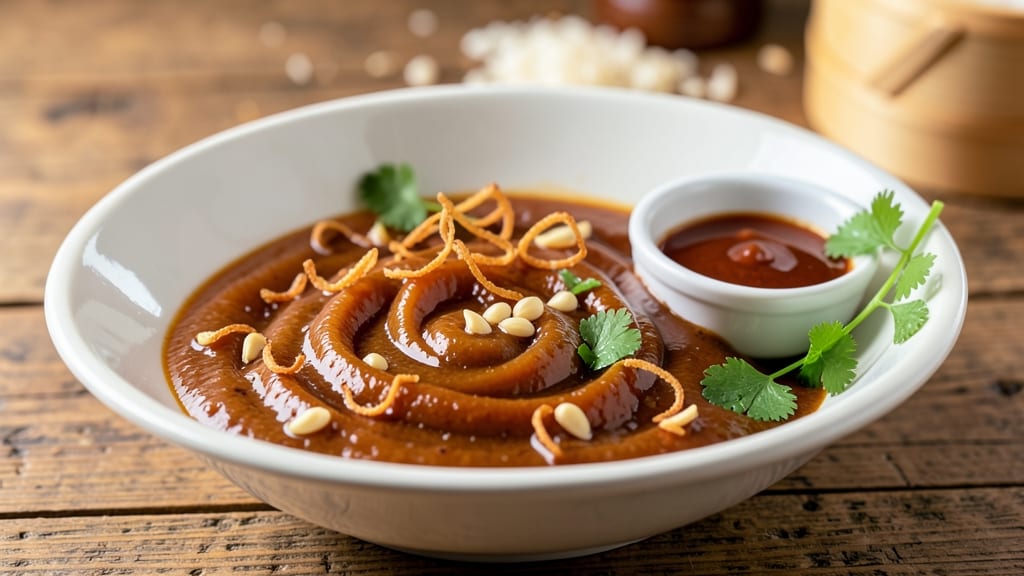
Asian yum yum sauce recipe transforms ordinary stir-fries into restaurant-worthy dishes with its perfect balance of tangy, sweet, and savory flavors. This velvety sauce comes together in just 10 minutes using simple pantry staples, yet delivers the kind of depth that elevates every bite. The secret lies in the cornstarch slurry, which creates that signature glossy finish while keeping the sauce thick enough to cling to proteins and vegetables.
What makes this sauce so versatile is its ability to work as both a pan sauce and a dipping sauce—ideal for fried rice, spring rolls, or even grilled meats.
The combination of soy sauce, oyster sauce, and butter creates a rich umami base, while a touch of sugar and vinegar brightens the flavor profile. Unlike store-bought versions, this homemade recipe avoids artificial additives, ensuring every spoonful tastes fresh and vibrant.
The result is a sauce that’s smooth, glossy, and packed with flavor—perfect for tossing with stir-fried vegetables, drizzling over noodles, or serving alongside crispy appetizers. It keeps well in the fridge for up to a week, making it a pantry staple for quick weeknight meals.
Once you taste the difference, you’ll never go back to bottled versions.
Whether you’re cooking for a crowd or meal prepping for the week, this sauce delivers consistent, restaurant-quality results with minimal effort. The best part? It’s customizable—adjust the sweetness or tang to suit your taste, or swap in a splash of chili sauce for extra heat. Let’s get started!
Ingredients for asian yum yum sauce
Nine simple ingredients transform into a velvety sauce that'll make stir-fries unforgettable.
| Ingredient | Amount | Notes |
|---|---|---|
| Butter 🧈 | ½ cup | Unsalted, softened for smoother sauce |
| Soy Sauce 🥢 | ½ cup | Light or dark, your preference |
| Oyster Sauce 🦪 | ¼ cup | High-quality for authentic flavor |
| Rice Vinegar 🍶 | ¼ cup | White or seasoned variety |
| Granulated Sugar 🍚 | ¼ cup | Adjust for preferred sweetness |
| Cornstarch 🌾 | 2 tbsp | For that signature glossy finish |
| Water 💧 | ¼ cup | Room temperature for smooth slurry |
| Sesame Oil 🌰 | 1 tbsp | Toasted for nutty aroma |
| Garlic Cloves 🧄 | 3 cloves | Minced for aromatic depth |
| Green Onion 🧅 | 2 whole | Finely chopped, for fresh garnish |
The butter is non-negotiable here—it creates that luscious, restaurant-quality texture. Use unsalted so you control the seasoning, and let it soften at room temperature for a smoother sauce. For oyster sauce, Lee Kum Kee is my go-to (it's the gold standard), but any quality brand works. The soy sauce? Light for a cleaner taste, dark if you want that caramelized depth. Trader Joe's has great options for both. Garlic and green onions are freshness boosters—if they smell pungent, they're good to go. Skip the pre-minced stuff; fresh is always better.
No oyster sauce? Hoisin sauce plus a splash of soy sauce gets you close. Ran out of rice vinegar? Apple cider vinegar works too—just add a pinch of sugar to balance the tartness. Sesame oil giving you sticker shock? Swap in toasted sesame seeds (1 tsp) for a nutty kick, though it won't be as aromatic. The cornstarch slurry is the magic—mix it with water first, then whisk it into the hot sauce. Don't skip this step—it's what makes the sauce glossy and clingy. For extra heat, add a dash of sriracha or chili garlic sauce at the end.
This sauce keeps like a dream—1 week in the fridge sealed in a jar. The flavor actually improves over time as everything melds. For meal prep, divide it into small containers so you can grab just what you need. Freezes beautifully for up to 3 months, though the texture might get slightly thicker after thawing. Just whisk with a splash of water to restore that silky consistency. Double the batch—you'll want leftovers for fried rice, spring rolls, or grilled meats.
Why You'll Love This Recipe
- Five-Ingredient Magic: I swear, this sauce comes together with just butter, soy, oyster sauce, vinegar, and sugar—no fancy prep. Honestly, I’ve made it while microwaving leftovers in the same room, and it still tastes like I slaved over it.
- Umami Bomb: That little splash of oyster sauce? It’s the secret weapon here—deep, savory, and just a touch sweet. The butter rounds it out so smoothly, you’ll want to drizzle it on everything (yes, even toast).
- Leftover Hero: Make a big batch and store it in the fridge—it keeps for weeks and turns bland takeout into a flavor explosion. I’ve saved entire meals by tossing this sauce over cold rice or stir-fried veggies.
- Budget Flex: Soy sauce and rice vinegar are pantry staples, and a small jar of oyster sauce goes a long way. Between us, this is the kind of sauce that makes expensive takeout feel like a waste of money.
Step-by-step instructions for asian yum yum sauce
This tangy-sweet sauce comes together faster than you can say "stir-fry night." Let's make it!
Melt Butter and Add Aromatics
In a medium saucepan, melt the 0.5 cup butter over medium heat. Once it's fully melted and foaming subsides, add the 3 cloves minced garlic and stir constantly for about 30 seconds until fragrant but not browned. This is where all the magic starts—those garlic cloves will infuse the sauce with incredible depth.
Watch the pan carefully—garlic burns faster than you think. You'll know it's ready when the aroma fills your kitchen and the garlic is just turning translucent. Remove the pan from heat for just a moment if it starts to darken. We want flavor, not bitterness here.
Combine Wet Ingredients
Return the pan to medium heat and add the 0.5 cup soy sauce, 0.25 cup oyster sauce, 0.25 cup rice vinegar, and 0.25 cup granulated sugar. Stir everything together and let it simmer gently for about 3 minutes. You'll see the mixture start to bubble and thicken slightly as the sugar begins to dissolve.
This is where the sauce starts to come together. The vinegar adds that signature tang, while the sugar balances it with sweetness. Give it a taste at this point—if you want it sweeter, add a little more sugar now. If it's too sweet, you can adjust later with more vinegar, but it's easier to fix sweetness than tartness.
Create the Cornstarch Slurry
In a small bowl, whisk together the 2 tbsp cornstarch and 0.25 cup water until completely smooth. This mixture is called a slurry, and it's what will give your sauce that perfect glossy finish. The cornstarch needs to be fully dissolved—no lumps allowed, or you'll end up with a grainy sauce.
I like to use a fork for this step—it's simple and effective. The slurry should be thin enough to pour easily, almost like heavy cream. Once it's ready, set it aside for just a minute while you prepare the next step.
Thicken the Sauce
Pour the cornstarch slurry into the saucepan with the simmering ingredients. Stir constantly for about 2-3 minutes until the sauce thickens to a glossy, coatable consistency. You'll know it's ready when it coats the back of a spoon and holds its shape when you run your finger through it.
This is the moment that matters: keep stirring! If the sauce starts to look too thick, add 1-2 tablespoons of water to loosen it up. The sauce should be thick enough to cling to your stir-fry but still flow smoothly. If it's too thick, you can always thin it later with a splash of water or vinegar.
Finish and Garnish
Remove the sauce from heat and stir in the 1 tbsp sesame oil. This adds that nutty, aromatic finish that makes this sauce truly special. The sesame oil should be toasted—if you have leftover toasted sesame oil from a jar, that's perfect. If not, just use what you have, but know that freshly toasted will give you the best flavor.
Finally, transfer the sauce to a serving bowl and garnish with the 2 whole finely chopped green onion. These bright green pieces add a fresh contrast to the rich, tangy sauce. Let the sauce cool slightly before serving—it will thicken a bit more as it rests. Serve immediately over your favorite stir-fry or noodles for the ultimate flavor experience!
Pro Tips For Making Asian Yum Yum Sauce
- STIR CONSTANTLY ON LOW: The sauce will burn faster than you think—especially when the butter hits the pan. Keep a wooden spoon moving at all times, even if it means pausing to scrape the bottom every 20 seconds. I learned this the hard way after walking away for "just a minute" and coming back to a charred mess.
- USE COLD BUTTER: Take the butter straight from the fridge and cut it into small cubes. This slows the melting process, giving you more control over the heat and preventing the sauce from seizing up before the flavors blend. Sounds weird, but it works—your sauce will emulsify smoother and won’t split.
- MEASURE VINEGAR LAST: Add the rice vinegar only after the butter, soy sauce, and oyster sauce have simmered together for 30 seconds. This keeps the acid from cutting through the richness too soon, letting the umami build first. Skip this, and you’ll end up with a sauce that tastes sharp and unfinished.
- SWAP GRANULATED FOR BROWN SUGAR: If you’re in a hurry, brown sugar caramelizes faster and adds a deeper, toastier note without extra effort. Use half the amount (1 tablespoon instead of 2) and let it melt into the butter before adding liquids—it’ll save you from waiting for sugar to dissolve. I skip this when I’m lazy, but the dish is noticeably better when I don’t.
Dietary considerations for this dish
Gluten-Free Adaptation
This sauce is naturally gluten-free if you use tamari instead of soy sauce—just swap the 0.5 cup soy sauce for 0.5 cup tamari. I recommend San-J brand tamari for that authentic umami depth.
Double-check all other ingredients like oyster sauce (some contain wheat) and rice vinegar (usually gluten-free). Always verify labels, especially for oyster sauce brands like Lee Kum Kee, which typically contain wheat. 🌱
Low-Sugar Options
For a lower-sugar version, reduce the 0.25 cup granulated sugar to 2 tablespoons and add 1 tablespoon honey or maple syrup for natural sweetness. The sauce will still taste balanced, though slightly less rich.
If you're avoiding sugar entirely, omit it and increase the rice vinegar by 1 tablespoon to compensate for the missing sweetness. Taste as you go—this sauce is forgiving!
Dairy-Free Substitution
Replace the 0.5 cup butter with 0.5 cup coconut oil or dairy-free margarine for a vegan-friendly version. Coconut oil adds a subtle tropical note, while margarine stays neutral. Melt the oil over medium heat before adding garlic, just like the original method.
The texture will be slightly lighter but still glossy. For extra richness, stir in 1 tablespoon vegan butter at the end. 🥥
Allergen-Friendly Notes
Watch for shellfish allergies if using oyster sauce—substitute with 1 tablespoon hoisin sauce plus 1 tablespoon soy sauce for a safe alternative. Sesame oil is another common allergen; omit it or replace with 1 teaspoon toasted sesame seeds (if tolerated).
Always check rice vinegar labels for potential wheat additives. When in doubt, keep the sauce simple with the core ingredients and adjust based on dietary needs.
Nut-Free Considerations
Sesame oil is the only nut-related ingredient here, so simply omit it if avoiding nuts. The sauce will still be delicious—just slightly less aromatic. For extra depth without sesame, add ½ teaspoon ground ginger or ¼ teaspoon smoked paprika when finishing the sauce.
The flavor profile will shift slightly but remain balanced and satisfying. Always check your pantry staples for cross-contamination risks if allergies are a concern.
Nutrition facts
Frequently asked questions
What's the best way to use leftover yum yum sauce?
This versatile sauce works wonders beyond stir-fries! Use it as a dipping sauce for spring rolls, dumplings, or fried chicken. It also elevates grilled meats, noodle dishes, or even as a glaze for roasted vegetables. Store leftovers in an airtight container in the fridge for up to 1 week—the flavors actually deepen over time!
Can I make this sauce without cornstarch?
Yes, but the texture will be thinner. Swap the cornstarch for 2 tbsp arrowroot powder or potato starch—they work just as well. For a grain-free option, use 1 tbsp xanthan gum dissolved in 2 tbsp water. The sauce will still coat foods but may not be as glossy. Just simmer longer (5-7 minutes) to achieve the right consistency.
Why did my sauce turn out too thin?
This usually happens if the cornstarch slurry wasn't fully dissolved or the sauce wasn't simmered long enough. For next time, whisk the slurry vigorously until completely smooth, then simmer for the full 2-3 minutes. If it's already too thin, mix 1 tsp cornstarch with 1 tsp cold water, stir it in, and cook for another minute. Avoid adding too much liquid—this sauce should coat the back of a spoon!
How can I adjust the flavor if it tastes too sweet?
Balance sweetness by adding 1-2 tbsp rice vinegar—it brightens the sauce and cuts through the sugar. For extra tang, squeeze in ½ tsp lemon juice. If you prefer more umami, stir in 1 tsp soy sauce. Taste as you go! The sauce is forgiving—small adjustments make all the difference. For heat lovers, add ½ tsp chili flakes or sriracha at the end.
What's the secret to restaurant-quality yum yum sauce?
The three key elements: high-quality oyster sauce, proper cornstarch slurry technique, and fresh garlic. Use Lee Kum Kee oyster sauce for authentic depth. Melt the butter slowly to avoid burning the garlic—it should be fragrant but not brown. Finally, let the sauce rest for 5-10 minutes before serving; this allows flavors to meld and the sauce to thicken naturally.