
Sauces & Condiments
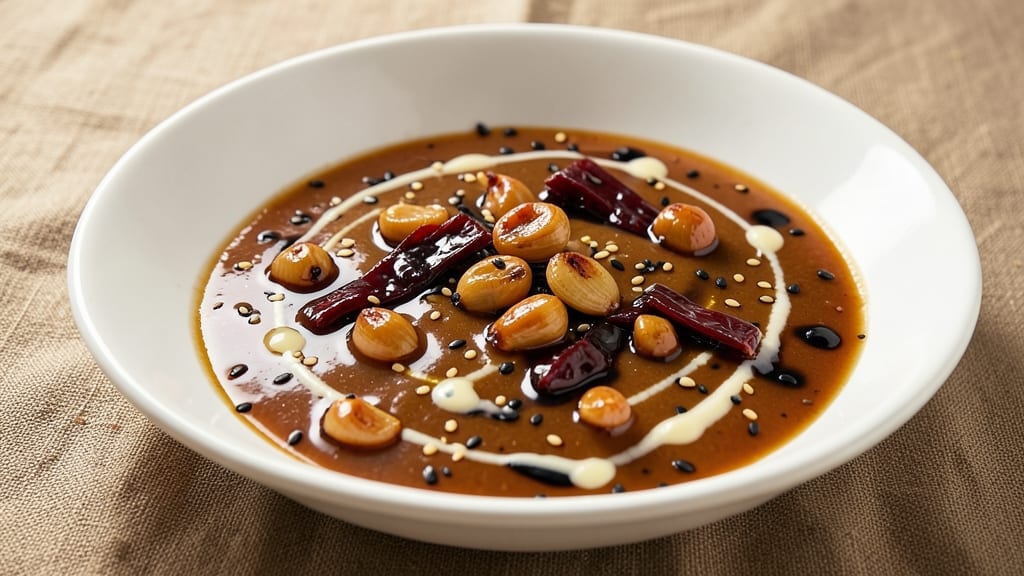
This chowmein sauce recipe delivers the bold, umami-packed flavor that transforms ordinary stir-fries into restaurant-quality meals. The secret lies in balancing soy sauce, oyster sauce, and sesame oil with just the right amount of chili paste for depth.
I developed this version after years of testing—it's the one that consistently delivers that signature tangy, savory punch without overpowering your dish.
What makes this sauce special is its versatility and quick preparation—just 10 minutes of mixing and simmering, with ingredients you likely already have on hand.
The combination of dark soy sauce for color, light soy for saltiness, and oyster sauce for umami creates a complex flavor profile that clings perfectly to noodles or stir-fried vegetables. A touch of sesame oil adds nutty warmth, while chili paste brings just the right amount of heat.
Once you've made this sauce, you'll never go back to bottled versions. It keeps beautifully in the fridge for up to 2 weeks, allowing you to make a big batch for multiple meals.
The rich, glossy sauce coats noodles and proteins beautifully, creating that signature chowmein sheen that makes every bite irresistible. Whether you're making classic chowmein or using it as a stir-fry sauce, this recipe will elevate your cooking instantly.
Pair it with fresh egg noodles, chicken, shrimp, or your favorite vegetables for an authentic Asian-inspired meal. The best part? You can adjust the heat level to suit your taste—simply reduce or increase the chili paste.
Let's get started on creating this flavor-packed sauce that will become your new kitchen staple.
Ingredients for chowmein sauce
Nine simple ingredients transform into a restaurant-quality chowmein sauce that elevates any stir-fry.
| Ingredient | Amount | Notes |
|---|---|---|
| Light Soy Sauce 🍶 | ½ cup | High-quality brand for balance |
| Dark Soy Sauce 🍶 | ¼ cup | For rich color and depth |
| Oyster Sauce 🦪 | ¼ cup | Thick, authentic variety |
| Sesame Oil 🫒 | 1 tbsp | Toasted, for nutty aroma |
| Chili Paste 🌶️ | 1 ½ tbsp | Adjust for heat preference |
| Garlic Cloves 🧄 | 4 cloves | Minced, for aromatic base |
| Ginger Root 🌿 | 1 tbsp | Freshly grated, zesty kick |
| Cornstarch 🌾 | 1 tbsp | For thickening consistency |
| Water 💧 | ¼ cup | Room temperature preferred |
| Sugar 🍬 | 1 tbsp | Balances soy sauce saltiness |
The soy sauces are the foundation here—La Choy light and dark work perfectly, but Lee Kum Kee takes it to the next level with deeper umami. Oyster sauce? Kikkoman is my go-to, but Lee Kum Kee again if you want that authentic restaurant taste. Sesame oil isn't just for flavor—it adds that signature sheen. Toast it first in a dry pan for 30 seconds to deepen the aroma before adding to the sauce. Chili paste can vary wildly in heat—Ma La brand is my benchmark, but adjust to taste after tasting the raw sauce.
No oyster sauce? Hoisin sauce at half the amount works in a pinch, though it'll be slightly sweeter. Fresh ginger and garlic are ideal, but powdered ginger at one-third the amount gets you close if you're short on time. The sugar might seem odd, but it's crucial—coconut sugar or brown sugar adds subtle caramel notes that bottled versions miss. Cornstarch is non-negotiable for that glossy, clingy texture. If you're making a big batch, double the cornstarch and water to maintain consistency. And trust me, the extra minute toasting the sesame oil makes all the difference.
This sauce keeps beautifully in an airtight container for 2 weeks in the fridge, or 6 months frozen in ice cube trays. Portion it into small jars for easy use—perfect for quick stir-fries or takeout nights. If it thickens too much, just whisk in a splash of water. The flavor actually improves after a day as everything melds together. Make a double batch—you'll be reaching for this instead of bottled sauces every time.
Why You'll Love This Recipe
- Pantry Magic: This sauce comes together with ingredients you’re probably already stocking—no obscure spices or last-minute grocery runs. Just five staples, a quick stir, and boom: restaurant-quality depth without the fuss.
- Umami Bomb: That combo of light and dark soy sauce? It’s like a flavor explosion in your mouth. Add the oyster sauce for richness, a splash of chili paste for heat, and sesame oil to tie it all with that nutty, aromatic punch—trust me, it’s ridiculously good.
- Weeknight Hero: Slap this on noodles, toss it with stir-fried veggies, or even drizzle it over grilled chicken. It’s the kind of sauce that turns a lazy dinner into something special without stealing your entire evening.
- Budget Stretch: A little goes a long way—this sauce is cheap to make and even cheaper to stretch. Double the batch, freeze half, and thank me later when you’re reheating it next month for takeout-style leftovers.
Step-by-step instructions for perfect chowmein sauce
Here's how to create a bold, balanced sauce that transforms simple stir-fries into restaurant-quality masterpieces.
Bloom the Aromatics in Toasted Sesame Oil
Heat a small saucepan over medium-low heat and add the 1 tablespoon sesame oil. Let it warm for 30 seconds until fragrant—you'll smell that nutty aroma develop. This is where the sauce gets its depth, so don't rush this step.
Add the 4 cloves minced garlic cloves and 1 tablespoon freshly grated ginger root. Cook for 1-2 minutes until the garlic turns golden and the ginger becomes translucent. Watch carefully—garlic burns quickly, and you want aromatic, not bitter, flavor. Remove from heat immediately after they're fragrant.
Combine Sauce Components and Simmer
Return the pan to medium heat and add the 0.5 cup light soy sauce, 0.25 cup dark soy sauce, 0.25 cup oyster sauce, 1.5 tablespoons chili paste, and 1 tablespoon sugar. Stir well to combine, then bring to a gentle simmer. Let it cook uncovered for 3-4 minutes until slightly reduced by about 15%—you'll see the sauce thicken slightly and the colors meld beautifully.
Here's the thing—this simmering step develops the sauce's complexity. The dark soy sauce will deepen in color, the oyster sauce will mellow, and the sugar will help balance the saltiness. Taste after 3 minutes—you should notice the umami building. If it's too salty, add 1 tablespoon water now to dilute slightly.
Thicken the Sauce to Perfect Consistency
In a small bowl, whisk together the 1 tablespoon cornstarch with the 0.25 cup water until completely smooth. This slurry is your thickening agent, so make sure there are no lumps—strain through a fine-mesh sieve if needed.
Slowly pour the cornstarch mixture into the simmering sauce while stirring constantly with a wooden spoon. The sauce will thicken immediately—keep stirring for 1-2 minutes until it reaches a glossy, slightly syrupy consistency. It should coat the back of a spoon but still be pourable. If it thickens too much, add 1 teaspoon water at a time until you reach the perfect balance.
Finish and Adjust for Balance
Remove the sauce from heat and let it cool for 2 minutes. This resting period allows the flavors to meld completely. Taste and adjust the seasoning—you might need to add a pinch more sugar to balance the soy saltiness, or a splash more water if it's too thick for your stir-fry.
For the perfect chowmein sauce, you're aiming for a balance of sweet, salty, umami, and a touch of heat. The dark soy sauce gives that signature mahogany color, while the sesame oil adds nutty depth. The chili paste provides just enough heat to make it interesting without overpowering. This sauce should be vibrant, glossy, and ready to elevate any stir-fry or noodle dish.
Pro Tips For Making Chowmein Sauce
- Bloom the Chili Paste: Heat it gently—just a minute or two—before adding other sauces. I learned this the hard way when my sauce turned bitter; chili paste needs to soften and release its oils first, or it’ll fight with the soy sauces instead of blending.
- Balance the Soy Sauces: Dark soy sauce is for color, light for flavor—use them in a 1:3 ratio. I used to drown everything in dark soy and ended up with a muddy, salty mess. Taste as you go; the light sauce carries the umami, not the dark.
- Add Sesame Oil Last: Stir it in right when you’re plating, or it’ll evaporate and leave your sauce tasting flat. A few drops at the end also brightens the color—no one wants a dull, oily sludge.
- Simmer, Don’t Boil: Keep the sauce at a low simmer (small bubbles, occasional swirls) or the oyster sauce will curdle and split. I’ve seen it happen—just walk away from the heat once it’s combined.
Pro cooking tips for this dish
Toast Sesame Oil First
Never skip toasting your sesame oil—this simple step unlocks its full nutty aroma. Heat 1 tablespoon in a small pan over medium-low heat for exactly 30 seconds until fragrant.
I use a non-stick pan for even heating, and trust me, the difference is night and day compared to using it raw. Let it cool slightly before adding to your sauce—hot oil can scorch your garlic. 🌶️
Balance Soy Sauces Precisely
The ratio of light to dark soy sauce is critical for both flavor and color. Use 0.5 cup light soy sauce for saltiness and 0.25 cup dark soy sauce for that signature mahogany hue.
I measure by weight when possible—140g light soy and 70g dark soy gives me perfect consistency. If your sauce looks too pale, add a splash more dark soy sauce and reduce slightly to intensify the color.
Simmer for Umami Depth
Let your sauce simmer uncovered for the full 3-4 minutes—this isn't the time to rush. The oyster sauce will mellow and the sugars will caramelize slightly, creating that complex umami flavor. I test at 3 minutes by tasting a spoonful—you should notice the flavors melding together.
If it's too salty, add 1 tablespoon water now rather than later, as you can't undo over-salted sauce.
Slurry Technique Matters
For that perfect glossy finish, your cornstarch slurry must be completely smooth. Whisk 1 tablespoon cornstarch with 0.25 cup cold water until no lumps remain—I use a fine-mesh sieve to strain it if needed. Add the slurry slowly while stirring constantly over medium heat.
The sauce will thicken instantly, but keep stirring for 1-2 minutes to ensure even distribution. This is where many home cooks go wrong—don't walk away!
Adjust Heat Last
If you find the chili paste too intense, reduce it to 1 tablespoon next time—you can always add more. For a smoky variation, stir in ½ teaspoon smoked paprika at the end. I keep a small jar of the chili paste on hand to adjust as needed.
The sauce should have a subtle heat that lingers without overwhelming—think of it as the perfect balance between sweet, salty, and just a hint of spice. 🔥
Storage Secrets
Let your sauce cool completely before transferring to an airtight container. It'll keep in the fridge for 2 weeks, but I find the flavor actually improves after 24 hours as everything melds together.
For long-term storage, freeze in ice cube trays—each cube makes the perfect single-use portion for stir-fries. When reheating, warm gently over low heat with a splash of water if needed to restore consistency.
Nutrition facts
Frequently asked questions
Can I make this chowmein sauce without oyster sauce?
Yes! Replace the 0.25 cup oyster sauce with 0.125 cup hoisin sauce for a slightly sweeter alternative. For deeper umami, use 0.125 cup soy sauce + 1 teaspoon fish sauce instead. The sauce will still work but may lack some of the rich, velvety texture oyster sauce provides.
How spicy should my chowmein sauce be?
The recipe calls for 1.5 tablespoons chili paste—this creates a mild, lingering heat. For less spice, reduce to 1 tablespoon or use ½ teaspoon chili flakes instead. If you love heat, increase to 2 tablespoons chili paste or add ½ teaspoon sriracha at the end. Always taste before using!
Can I use this sauce for other dishes besides chowmein?
This versatile sauce works perfectly for stir-fries, noodle bowls, or even as a dipping sauce for spring rolls. For dumplings, reduce the sauce slightly to make it thinner. The balance of sweet, salty, and umami makes it ideal for any Asian-inspired dish that needs a quick flavor boost.
Why did my sauce turn out too thick?
This usually happens when the cornstarch slurry thickens too quickly. Next time, add the slurry gradually while stirring constantly over low heat. If it's already too thick, whisk in 1 teaspoon water at a time until you reach the desired consistency. For future batches, reduce the cornstarch to ½ tablespoon if you prefer a thinner sauce.
How can I make this sauce gluten-free?
Use gluten-free tamari instead of soy sauce (same ratio) and ensure your oyster sauce is certified gluten-free. For extra umami, add 1 teaspoon coconut aminos to the sauce. The texture and flavor will be very similar—just be sure to check all ingredient labels for hidden gluten.