
Sauces & Condiments
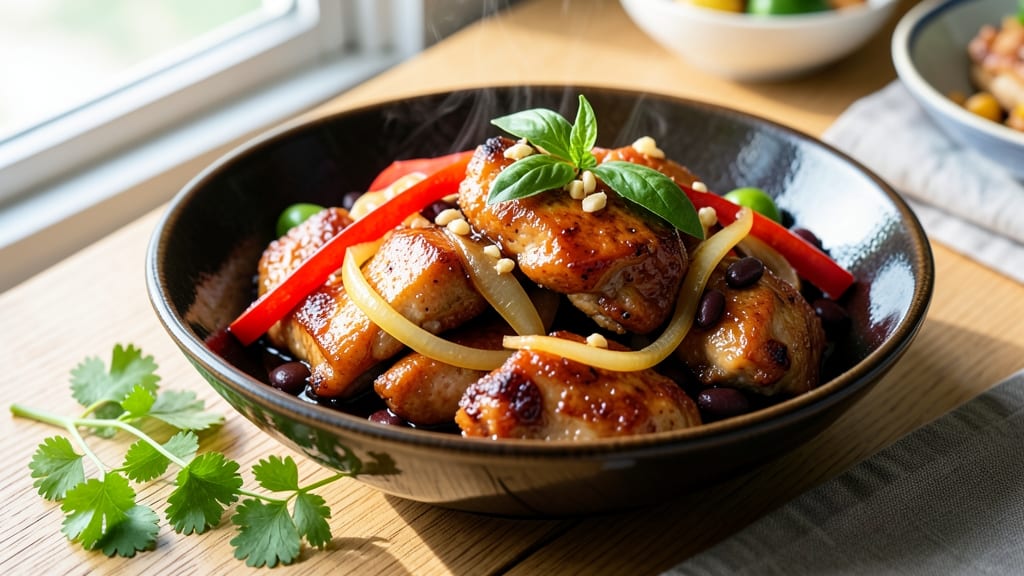
This Asian meat sauce recipe transforms simple proteins into restaurant-worthy stir-fry masterpieces with just 15 minutes of active prep. The secret lies in balancing sweet, salty, and umami—caramelized onions, fermented black beans, and a touch of honey create depth while fresh ginger and garlic add that signature zing.
I developed this sauce after years of experimenting with takeout flavors, and it never fails to impress.
The magic happens in the wok hei—those smoky, charred aromas that elevate every bite. You'll start with a quick sear of your protein (chicken, beef, or shrimp all work), then build the sauce layer by layer, reducing it until it's thick enough to coat each piece perfectly.
The result? A glaze that's sticky, aromatic, and packed with flavor, not just a watery sauce.
What you'll end up with is a complete dish ready to serve over steamed rice or noodles—crisp-tender vegetables, perfectly cooked meat, and a sauce so flavorful it'll have everyone asking for seconds.
The best part? It's versatile enough for weeknight dinners or weekend entertaining, with adjustments for heat or sweetness depending on your preference.
Serve it as a stir-fry, stuff it into bao buns, or drizzle it over grilled meats. The possibilities are endless, but the foundation is always the same: bold flavors, simple technique, and that unmistakable Asian restaurant taste at home. Let's get cooking!
Ingredients for asian meat sauce
Bold flavors meet simple prep for this umami-packed stir-fry sauce that turns ordinary proteins into restaurant-quality bites.
| Ingredient | Amount | Notes |
|---|---|---|
| Boneless Chicken Thighs 🍗 | 1 ½ lb | Cut into 1-inch pieces |
| Yellow Onions 🧅 | 1 whole | Thinly sliced, caramelized |
| Garlic Cloves 🧄 | 6 cloves | Minced, aromatic |
| Fresh Ginger Root 🌿 | 2 tbsp | Grated, finely |
| Fermented Black Beans 🍆 | ¼ cup | Rinsed, chopped |
| Honey 🍯 | 2 tbsp | Light, for balance |
| Soy Sauce 🥢 | ½ cup | Dark, for umami |
| Sesame Oil 🫒 | 1 tbsp | Toasted, aromatic |
| Rice Vinegar 🍶 | 2 tbsp | White, for tang |
| Red Bell Pepper 🌶️ | 1 whole | Sliced, for crunch |
| Green Onions 🧅 | 4 whole | Thinly sliced, garnish |
| Steamed Jasmine Rice 🍚 | 2 cups | Cooked, for serving |
| Vegetable Oil 🫒 | 3 tbsp | High smoke point |
| Salt 🧂 | 1 tsp | Kosher, to taste |
| Black Pepper 🌶️ | ½ tsp | Freshly ground |
The chicken thighs are your canvas here—bone-in, skin-on if you can find them, but boneless works too. Look for organic or free-range at stores like Whole Foods or Trader Joe's for richer flavor. The fermented black beans? Asian markets have them jarred and ready, but if you're in a pinch, sub with a spoonful of soy sauce plus a dash of sesame oil. Fresh ginger is non-negotiable—peeled and grated right before cooking releases the most zing. For the onions, yellow or red both work, but yellow caramelizes faster.
No fermented black beans? Mash up a few black soybeans or even a spoon of miso paste for umami depth. Swap the honey for maple syrup or agave if you prefer less sweetness. The soy sauce can be light or dark, but dark adds that classic stir-fry richness. Sesame oil is key—toasted (not the cheap, clear kind) gives that nutty aroma. For heat, add a pinch of red pepper flakes or chili crisp. The bell pepper can be any color, but red stays vibrant when cooked. If you're short on time, pre-sliced stir-fry veggie mixes work great too.
This sauce keeps for 5 days in the fridge, but it's even better the next day as flavors meld. Freeze portions for up to 3 months—just thaw overnight in the fridge. For extra prep, caramelize the onions and chop the veggies ahead. The sauce reheats beautifully with a splash of water or broth. Serve it over rice, noodles, or even crispy fried rice for a quick meal. Leftovers make killer bao buns or rice bowls the next day.
Why You'll Love This Recipe
- One-Pot Magic: I swear by this—just toss everything in one pan, stir occasionally, and walk away. No fancy techniques, no extra dishes, just that deep, savory aroma filling your kitchen by the time it’s done.
- Umami Bomb: Between the fermented black beans and fresh ginger, this sauce has layers. The black beans add this funky, salty depth, while the ginger cuts through with a bright kick—like a hug for your taste buds.
- Weeknight Workhorse: Serve it over rice for dinner, toss it in noodles for lunch, or even slather it on sandwiches. Honestly, I’ve made it three times this week already, and I’m not tired of it.
- Budget-Friendly Powerhouse: Chicken thighs are cheap, black beans stretch the flavor, and you’re not sacrificing taste for savings. My grocery bill stayed low, but my fridge stayed full—and so did my family.
Step-by-step instructions for Asian meat sauce
Here's how to build layers of umami and aromatic depth in this vibrant stir-fry sauce.
Prep the Chicken and Aromatics
Cut the 1.5 lb boneless chicken thighs into 1-inch pieces and set aside. Thinly slice the whole yellow onion and slice the whole red bell pepper into ¼-inch strips. Mince the 6 cloves garlic and grate the 2 tbsp fresh ginger root using a microplane for maximum surface area.
Rinse and chop the 0.25 cup fermented black beans to remove any excess saltiness. The key here is even prep—consistent sizing ensures everything cooks uniformly. I like to work in batches if needed, keeping all ingredients within arm's reach for efficient cooking.
Build the Sauce Base
Heat 2 tbsp vegetable oil in a large wok or deep skillet over medium-high heat until shimmering. Add the chicken pieces in a single layer and let them sear undisturbed for 3-4 minutes until golden brown on one side. This initial sear locks in juices and builds flavor foundation.
Remove the chicken and set aside. In the same pan, add the remaining 1 tbsp vegetable oil and stir in the sliced onions. Cook for 4-5 minutes until softened but not browned. Add the red bell pepper strips and cook for another 2 minutes until slightly tender. This step develops the sauce's sweet-savory balance.
Develop Umami Layers
Push the vegetables to one side of the pan and add the minced garlic and grated ginger. Stir constantly for 30 seconds until fragrant—this prevents burning. Add the chopped fermented black beans and cook for 1 minute to release their funky depth.
Pour in the 0.5 cup soy sauce and 2 tbsp honey, stirring to combine. Let the mixture simmer for 2-3 minutes until slightly reduced. This is where the sauce's complexity emerges—the soy sauce's saltiness and the honey's sweetness begin to meld. The fermented black beans add that signature Asian funk.
Finish with Acid and Aroma
Return the seared chicken to the pan and stir to coat in the sauce. Add the 1 tbsp sesame oil and 2 tbsp rice vinegar, tossing everything together. The vinegar brightens the sauce while the sesame oil adds nutty aroma. Cook for 3-4 minutes until the chicken reaches 165°F internally and the sauce thickens slightly.
Season with 1 tsp salt and 0.5 tsp black pepper, adjusting to taste. The sauce should coat the back of a spoon but still be glossy enough to cling to the chicken. If it's too thick, add 1-2 tablespoons of water to reach your desired consistency.
Serve Over Jasmine Rice
Transfer the chicken and sauce to a serving platter and garnish with thinly sliced green onions. Serve immediately over 2 cups steamed jasmine rice to soak up every last bit of that umami-rich sauce. The rice should be hot and fluffy, providing the perfect base for this flavorful stir-fry.
This sauce keeps well in the refrigerator for 3-4 days, making it perfect for meal prep. The flavors actually deepen over time as the ingredients meld together. For extra authenticity, serve with a side of quick-pickled vegetables to cut through the richness.
Pro Tips For Making Asian Meat Sauce
- CRISP THE THIGHS FIRST: I learned this the hard way—skipping the sear means your sauce will taste like it’s swimming in chicken broth. Pat the thighs very dry, then hit them with a screaming-hot pan (no oil yet) until they release all that golden crust. That’s where the flavor hides, not in the sauce.
- SOAK THE BLACK BEANS: Fermented black beans pack a punch, but they’re often dried out by the time you buy them. Toss them in hot water for 10 minutes before using—just enough to plump them up. This keeps them from turning to mush and lets their salty, funky flavor shine without overpowering the dish.
- DON’T CROWD THE PAN: I used to toss everything in at once, and the onions would steam instead of caramelize. Work in batches: sear the onions until they’re deep golden (about 8-10 minutes), then pull them out before adding garlic and ginger. The extra effort makes the sauce taste like it simmered for hours.
- GINGER: GRATE, DON’T CHOP: Fresh ginger loses its bite when you dice it. Use a microplane or the smallest holes on a box grater—you’ll get fine, aromatic shreds that dissolve into the sauce instead of sitting as chunks. (Yes, even if you’re impatient like me.) This is the thing that matters most for that authentic depth.
Best sauces and condiments for this dish
Sweet-Savory Balance
This sauce thrives on the perfect harmony between sweet and savory. The 2 tbsp honey adds natural sweetness while caramelizing the onions, while the 0.5 cup dark soy sauce delivers that essential umami depth.
For extra richness, I sometimes add 1 tsp fish sauce—it enhances the savory notes without overpowering. If you prefer less sweetness, swap the honey for 1 tbsp maple syrup or agave instead. 🍯
Umami Boosters
Fermented black beans are the secret weapon here, but if you can't find them, 1 tbsp miso paste or even a spoonful of hoisin sauce works in a pinch.
For an extra umami punch, add 1 tsp oyster sauce or a dash of Worcestershire sauce—both add complexity without altering the dish's core flavor. The 1 tbsp toasted sesame oil at the end is non-negotiable for that nutty aroma that ties everything together.
Acid Brighteners
The 2 tbsp rice vinegar cuts through the richness, balancing the sauce's depth. If you don't have rice vinegar, white vinegar or apple cider vinegar work just as well. For a tangier kick, add ½ tsp red wine vinegar or a splash of lime juice at the end.
The acidity also helps tenderize the chicken slightly, making it more succulent. 🍶
Heat Adjustments
Want some spice? Stir in ½ tsp chili flakes or 1 tsp sriracha when adding the sesame oil. For a smoky heat, add ½ tsp gochujang (Korean chili paste) with the soy sauce.
If you're feeling adventurous, a few drops of chili crisp add a fiery, oily kick that pairs perfectly with the sauce's richness. Always taste as you go—adjust gradually to avoid overpowering the dish.
Texture Enhancers
For a silkier sauce, blend ¼ cup of the cooked sauce with 2 tbsp water before mixing it back in. If you prefer texture, stir in 1 tbsp cornstarch mixed with 1 tbsp water to thicken it slightly.
The green onions at the end add freshness, but you could also toss in cilantro or Thai basil for a different herbal note. A sprinkle of toasted sesame seeds adds crunch and visual appeal.
Nutrition facts
Frequently asked questions
Can I use beef or shrimp instead of chicken?
This sauce works beautifully with thinly sliced beef (like flank steak or sirloin) or large shrimp. For beef, cut against the grain into ¼-inch strips and sear for 1-2 minutes per side until browned. Shrimp should be peeled, deveined, and cooked for just 1-2 minutes total to avoid overcooking. Adjust cooking times based on thickness—shrimp and beef cook faster than chicken.
How do I make this sauce less sweet?
Reduce the honey to 1 tbsp or swap it entirely for 1 tbsp maple syrup or agave. For extra umami without sweetness, add ½ tsp fish sauce or 1 tsp oyster sauce when combining the soy sauce. The caramelized onions already provide natural sweetness, so you may not need any added sugar at all. Taste as you go!
Can I make this sauce in a slow cooker?
Yes, but with adjustments. Sear the chicken first, then transfer everything (except sesame oil) to the slow cooker on low for 2 hours. Stir in the sesame oil at the end. The sauce will be thinner—reduce it on the stovetop afterward by simmering uncovered for 5-10 minutes. For shrimp or beef, reduce cooking time to 1 hour to prevent toughness.
What if my sauce is too thin?
Simmer uncovered for 3-5 minutes to reduce the liquid. For quicker thickening, mix 1 tbsp cornstarch with 1 tbsp cold water, stir into the sauce, and cook for 1 minute until glossy. If it's still too thin, repeat. Avoid over-reducing—you want a glossy, clingy sauce, not a paste.
How can I add more heat?
Stir in ½ tsp chili flakes or 1 tsp sriracha with the sesame oil. For smoky heat, add ½ tsp gochujang with the soy sauce. For intense spice, finish with 1 tsp chili crisp or a splash of sambal oelek. Always taste first—you can add more, but you can't remove heat!