
Sauces & Condiments
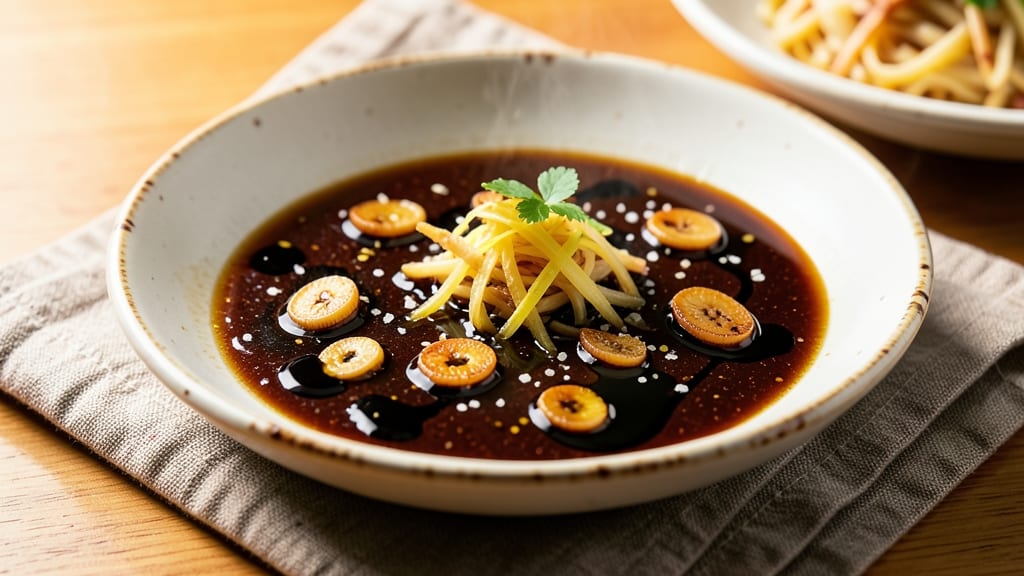
This Asian lo mein sauce recipe delivers the perfect balance of wok-fried umami and sweetness in just 15 minutes—no complicated techniques required.
The secret lies in toasting aromatic spices like garlic and ginger until fragrant, then blending them with soy sauce, sesame oil, and a touch of brown sugar for depth.
I’ve perfected this version to work equally well for stir-fries, noodles, or as a dipping sauce, and it keeps beautifully in the fridge for up to a week.
The sauce’s magic comes from three key elements: a rich soy base for saltiness, toasted sesame oil for nutty aroma, and a splash of rice vinegar for brightness.
A pinch of red pepper flakes adds subtle heat without overpowering, while a splash of chicken or vegetable broth rounds out the texture. What sets this apart is the caramelized garlic-ginger paste—the foundation of authentic lo mein flavor, built in minutes on the stovetop.
What you’ll end up with is a glossy, aromatic sauce that clings perfectly to noodles or meats, offering a harmonious blend of sweet, salty, and umami notes. The sauce’s versatility means it elevates everything from quick weeknight dinners to restaurant-quality takeout-style meals.
Best of all, it’s foolproof—no risk of bitterness or imbalance if you follow the ratios.
Use it immediately for fresh lo mein or store it for up to a week, where the flavors deepen over time. The recipe scales effortlessly, so double or halve it to match your needs. Here’s how to make it—simple, bold, and impossible to resist.
Ingredients for asian lo mein sauce
Nine ingredients, one sauce—this is the secret to restaurant-style lo mein flavor.
| Ingredient | Amount | Notes |
|---|---|---|
| Garlic Cloves 🧄 | 6 cloves | Peeled, thinly sliced for toasting |
| Fresh Ginger 🌿 | 2 tbsp | Finely grated, skin removed |
| Toasted Sesame Oil 🫒 | 2 tbsp | For nutty aroma, not cooking oil |
| Light Soy Sauce 🥄 | ½ cup | Kikkoman preferred for balance |
| Dark Soy Sauce 🥄 | 1 tbsp | For depth, not for cooking |
| Brown Sugar 🍯 | 2 tbsp | Lightly packed, no substitutes |
| Rice Vinegar 🍶 | 2 tbsp | Seasoned preferred for balance |
| Chicken or Vegetable Broth 💧 | ¼ cup | Low-sodium preferred, homemade best |
| Red Pepper Flakes 🌶️ | ½ tsp | Adjust for heat preference |
| Sesame Seeds 🌰 | 1 tsp | Toasted for garnish, optional |
The garlic and ginger are non-negotiable here. Fresh is a must—no jars or powders. Toast them in sesame oil until fragrant (about 3 minutes)—this step builds the sauce’s soul. I grab mine from Trader Joe’s for freshness, but any grocery store’s produce section works. Look for firm ginger with no soft spots and cloves that smell pungent, not musty. The sesame oil? Kadoya or La Choy are my go-tos, but any toasted sesame oil will do. Pro tip: Toast the oil first, then add garlic and ginger to prevent burning.
No soy sauce? Coconut aminos in a pinch, but it’ll lack depth. Dark soy sauce can be swapped for miso paste (1 tsp), but reduce broth by 2 tbsp to balance. Brown sugar substitutes? Coconut sugar or maple syrup work, but texture may vary slightly. Rice vinegar? Apple cider vinegar is fine, but it’ll taste different. The broth is where you can flex—use vegetable broth for vegetarian, or skip entirely if you’re making this for dipping (just add 1 tbsp water). Red pepper flakes? Cayenne powder at half the amount if you’ve got it.
This sauce gets better with time—3-4 days in the fridge lets flavors meld beautifully. Store in an airtight jar with a thin layer of oil on top to preserve freshness. For longer storage, freeze in ice cube trays (thaw in fridge overnight). Double the batch if you’re planning ahead—it’s perfect for meal prep. The sesame seeds? Toast them fresh when ready to serve for maximum crunch. If you’re using this for stir-fry, add a splash of water to loosen before tossing.
Why You'll Love This Recipe
- Five-Ingredient Magic: I swear by this—just garlic, ginger, sesame oil, and two types of soy sauce. That’s it. No fancy pantry trips or forgotten spices. The toasted sesame oil alone makes it taste like you slaved over it for hours.
- Umami Bomb: The dark soy sauce gives it that deep, caramelized richness while light soy keeps it bright. Honestly, the first time I tasted it, I thought, "Why didn’t I do this sooner?" It’s the kind of flavor that sticks with you.
- Weeknight & Meal Prep: Make a double batch on Sunday, and you’ve got sauce for stir-fries, dumplings, or even a quick noodle bowl all week. I freeze half in ice cube trays—just pop one in later for instant flavor.
- Budget-Friendly Staple: Light and dark soy sauce are cheap, and a little sesame oil goes a long way. Between us, this is the sauce I reach for when I’m broke but still want restaurant-quality taste. (Yes, even on a Tuesday night.)
Step-by-step instructions for Asian lo mein sauce
Here's how to craft a vibrant, balanced sauce that delivers perfect wok-fried depth every time.
Toast the Aromatics for Maximum Flavor
Heat a dry wok or skillet over medium-high heat until it's visibly shimmering. Add the 6 cloves peeled, thinly sliced garlic and 2 tablespoons finely grated fresh ginger, spreading them evenly across the surface. Let them toast for 2-3 minutes until the garlic turns golden brown and the ginger releases its fragrant oils—this builds the sauce's aromatic foundation.
Watch carefully—ginger burns quickly, so stir occasionally with a wooden spoon. When the garlic starts to darken and the ginger releases its aroma (you'll smell it instantly), immediately remove the pan from heat. This quick toasting prevents bitterness while maximizing flavor extraction. Let the aromatics cool for 1 minute before transferring them to a bowl.
Build the Sauce Base with Soy and Sweetness
Return the wok to medium heat and add 2 tablespoons toasted sesame oil, swirling to coat the pan. Pour in the ½ cup light soy sauce and 1 tablespoon dark soy sauce, stirring constantly for 30 seconds to deglaze any browned bits. The dark soy sauce will add depth and color—this is where your sauce gets its signature rich hue.
Add the 2 tablespoons brown sugar and 2 tablespoons rice vinegar, stirring until the sugar dissolves completely. Let the mixture simmer for 1-2 minutes until slightly thickened. You're aiming for a glossy consistency that coats the back of a spoon—this balance of umami, sweetness, and acidity forms the sauce's core.
Blend in Heat and Broth for Perfect Balance
Stir in the ½ teaspoon red pepper flakes and ¼ cup chicken or vegetable broth, bringing everything to a gentle simmer. Let it cook for 1 minute to meld the flavors—you'll notice the sauce darkening slightly as the spices infuse. Taste and adjust: if it needs more heat, add another pinch of red pepper flakes; if it's too sharp, a tiny splash of broth will balance it.
Here's the thing—this sauce should taste bold now, but it'll mellow beautifully when tossed with noodles. The key is achieving harmony between the salty, sweet, and spicy elements before they hit the wok. If you're using homemade broth, you'll get deeper flavor than store-bought.
Finish with Toasted Sesame Seeds
Remove the sauce from heat and let it cool for 2 minutes. Stir in 1 teaspoon toasted sesame seeds just before serving—this adds a nutty crunch that contrasts perfectly with the silky sauce. The seeds should be toasted separately first (dry-toast in a clean pan over low heat for 1 minute until fragrant) for maximum flavor.
For best results, use this sauce immediately when tossing with hot noodles and wok-fried vegetables. The high heat will activate all the aromatics, creating that signature restaurant-quality wok-fried experience. If you need to store it, keep it refrigerated for up to 3 days, but always reheat gently before using.
Pro Tips For Making Asian Lo Mein Sauce
- COOK GARLIC LOW: I learned this the hard way—if you blast garlic in oil, it burns before it softens. Instead, add minced garlic to the pan after the ginger has sizzled for 10 seconds, then immediately lower heat to medium-low. It’ll caramelize just enough to add depth without bitterness.
- GRATE GINGER FINE: Skip the peeler or thick slices—use a microplane or the smallest holes of a box grater for ginger. You want it almost paste-like so it dissolves instantly into the sauce. (Yes, even if you’re impatient like me.)
- SALT THE SOY SAUCES: Dark soy sauce is salty enough on its own, but light soy sauce can taste flat. Balance them by adding ½ teaspoon of kosher salt per tablespoon of light soy before mixing—trust me, your sauce won’t taste one-note.
- FINISH WITH SESAME OIL: Don’t stir it in—drizzle toasted sesame oil last and swirl it into the sauce while it’s still hot. This keeps the aroma intact and prevents it from cooking off into nothing. (Your future self will thank you.)
Perfect pairings for asian lo mein sauce
Noodle Pairings
This sauce shines with fresh egg noodles or rice noodles—both absorb the flavor beautifully. I recommend lo mein noodles (about 8 oz dry weight) for that classic texture, but udon noodles add a heartier bite. For gluten-free, shirataki noodles work surprisingly well when tossed with extra sauce. 🥢
Protein Additions
Add chicken breast (sliced thin) or shrimp (quickly seared) for a complete meal. For vegetarian, tofu (pressed and pan-fried) or mushrooms (shiitake or oyster) bring depth. I like to stir-fry proteins separately and toss them in last to keep them tender. 🍗
Vegetable Suggestions
Classic stir-fry veggies like bell peppers, bok choy, and carrots add color and crunch. For extra flavor, include water chestnuts or bamboo shoots—they hold up well to quick cooking. I always keep frozen stir-fry veggie mixes on hand for convenience. 🥦
Dipping Sauce Twist
Thin the sauce with 1-2 tablespoons water for a dipping sauce—perfect with spring rolls or dumplings. Add a splash of hoisin sauce (about 1 tbsp) for extra richness. This version works great for pork belly buns or fried rice too. 🥟
Garnish Ideas
Finish with green onions (thinly sliced) for freshness or cilantro for a brighter note. A sprinkle of crushed peanuts adds texture, while lime wedges brighten the dish. I love adding a few fried shallots for crispy contrast. ✨
Sauce Variations
For spicier flavor, increase red pepper flakes to 1 tsp. For sweeter, add 1 tbsp honey or maple syrup. A vegan version swaps chicken broth for mushroom broth and uses coconut aminos instead of soy sauce. 🌶️
Nutrition facts
Frequently asked questions
Can I make this sauce without a wok?
A heavy-bottomed skillet or even a deep frying pan works perfectly. The key is to use medium-high heat and stir frequently to prevent burning. For even cooking, use a pan that's at least 10 inches wide to give your aromatics room to toast properly. The sauce won't lose any flavor—just watch those garlic and ginger closely!
How do I adjust the sauce for spicier or milder heat?
For extra heat, add ½ teaspoon more red pepper flakes and let it simmer for 30 seconds to infuse. For milder flavor, reduce to ¼ teaspoon or omit entirely. If you prefer a different spice, try a pinch of Sichuan peppercorns (toasted first) for a numbing heat, or gochugaru (Korean chili flakes) for a sweeter kick. Always taste as you go!
Can I use this sauce in other Asian dishes?
Yes! This versatile sauce works perfectly for fried rice, dumplings, or as a marinade for grilled chicken. For fried rice, reduce the sauce by half and toss with cooked rice and veggies. For dumplings, use it as a dipping sauce by thinning with 1 tablespoon water. The balance of sweet, salty, and umami makes it a great all-purpose flavor booster.
What's the difference between light and dark soy sauce in this recipe?
The light soy sauce provides the primary salty flavor, while the dark soy sauce adds depth and a rich, caramel-like color. Light soy sauce has more umami but less color, while dark soy sauce is thicker, sweeter, and gives that signature lo mein hue. Never substitute dark soy sauce for light—it's too sweet and will overpower the balance.
How can I make this sauce gluten-free?
Replace the soy sauces with coconut aminos (½ cup) and add 1 teaspoon gluten-free tamari for depth. Use mushroom broth instead of chicken broth, and ensure your sesame oil is certified gluten-free. The texture will be slightly lighter, but the flavor remains rich and balanced. Always check labels—some sesame oils are processed in facilities with gluten.