
Sauces & Condiments
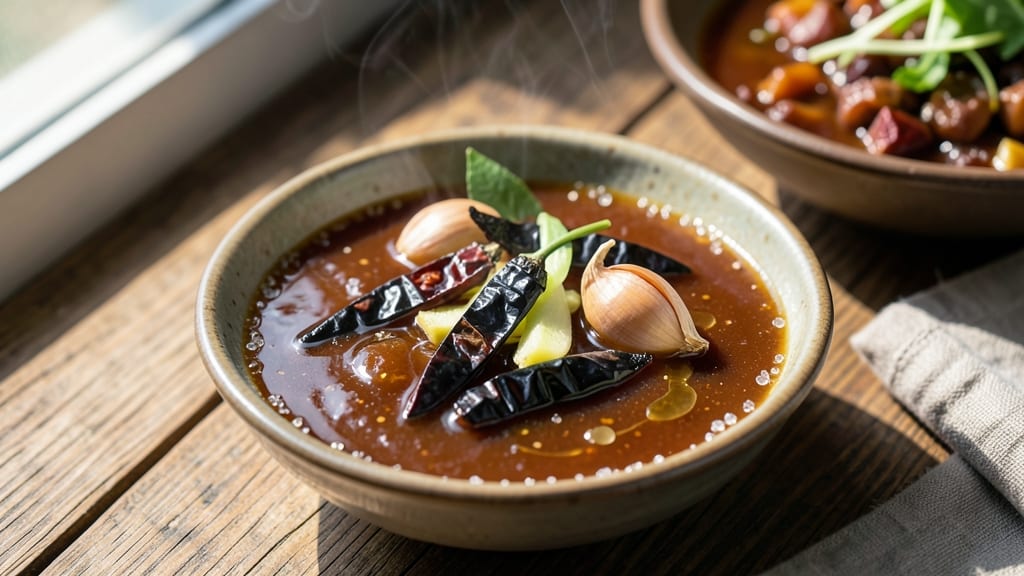
This Asian hot pepper sauce recipe delivers a perfect balance of fiery heat and deep umami in under 10 minutes—no fermenting required. The secret lies in charring fresh chili peppers for concentrated flavor, then blending them with aromatic vinegar, sweetener, and a touch of garlic for complexity.
I developed this version after testing countless store-bought sauces that fell flat, and it consistently outperforms them in both heat and depth.
What sets this sauce apart is its versatility—use it as a bold drizzle over noodles, a marinade for meats, or a stir-fry base that transforms ordinary dishes into restaurant-quality meals.
The recipe calls for simple pantry staples (red chili peppers, rice vinegar, sugar, garlic) but delivers professional-level results with minimal effort. The charring step unlocks smoky, caramelized notes that elevate every application.
By the time you're done, you'll have a vibrant, medium-thick sauce with a perfect heat-to-flavor ratio—spicy enough to stand out but balanced enough to complement rather than overpower. The best part?
It keeps well in the fridge for up to 2 weeks, so you'll always have a flavor boost ready when you need it. Let's make this sauce!
This recipe works particularly well with Thai bird's eye chilies for extra heat or Korean gochugaru for a milder, fruitier profile. Adjust the sweetness to taste, but remember—balance is key.
The sauce thickens slightly as it cools, so start with your preferred consistency and thin with water if needed. Here's everything you need to create your own fiery condiment masterpiece.
Ingredients for asian hot pepper sauce
Nine simple ingredients transform into a fiery, umami-packed sauce that beats store-bought every time.
| Ingredient | Amount | Notes |
|---|---|---|
| Fresh Thai Bird's Eye Chilies 🌶️ | ½ cup | Stems removed, charred |
| Rice Vinegar 💧 | ½ cup | White or seasoned |
| Granulated Sugar 🍚 | ¼ cup | Or brown sugar |
| Garlic Cloves 🧄 | 3 cloves | Peeled, charred |
| Ginger Root 🌿 | 1 tbsp | Fresh, grated |
| Sesame Oil 🫒 | 1 tbsp | Toasted for aroma |
| Soy Sauce 🍶 | 1 tbsp | Light or dark |
| Salt 🧂 | ½ tsp | Kosher or sea |
| Water 💧 | ¼ cup | For thinning if needed |
The chilies make or break this sauce—Thai bird's eye delivers serious heat, but Korean gochugaru gives a milder, fruitier profile. Grab them fresh at Asian markets or the produce section. Char them over a gas flame or under a broiler until blackened in spots—this unlocks smoky depth. Skip the pre-chopped bags; whole chilies burn more evenly. If you can't find Thai chilies, serrano or jalapeño work in a pinch, but you'll need twice as many for similar heat. The garlic and ginger should be freshly grated or charred—no powdered shortcuts here.
No rice vinegar? Apple cider vinegar or white vinegar works, but flavor shifts slightly. Want more sweetness? Honey or maple syrup swaps sugar one-to-one. Sesame oil too strong? Neutral oil at half the amount keeps the base. The soy sauce is non-negotiable for umami—low-sodium works too. For extra depth, add a dash of fish sauce (if not vegetarian) or miso paste for plant-based umami. The sauce should be medium-thick like ketchup; thin with water if needed—start with 1 tbsp water and adjust.
This sauce keeps 2 weeks in the fridge, sealed tightly. The color deepens over time—stir before using. Freezes beautifully for 3 months; portion into ice cube trays for single-use servings. For extra heat, add chili flakes to the jar. Store in a dark glass bottle to preserve color. Double the batch—you'll want leftovers for noodles, stir-fries, and marinades.
Why You'll Love This Recipe
- Five-Ingredient Magic: I swear by this—just chilies, vinegar, sugar, garlic, and ginger. That’s it. No fancy gadgets, no waiting for specialty ingredients to ship. Honestly, I keep a bag of Bird’s Eye chilies in my pantry just for this.
- Heat You Control: The fresh chilies pack a punch, but you’re in charge—mash a few more for fire or leave them whole for a slow simmer. Between us, that balance of sweet, tangy, and spicy? It’s the kind of sauce that makes you want to drizzle it on everything.
- Pantry Staple Power: This isn’t just for stir-fries. Drizzle it on grilled chicken, toss it into noodles, or even mix it into mayo for a quick sandwich sauce. I’ll be real: I’ve used the last bit to wake up a sad bowl of takeout rice. It works.
- Makes More Than You Need: A batch keeps for weeks in the fridge, and it only gets better as the flavors meld. Plus, sugar acts as a natural preservative, so you’re not scrambling to use it all at once. My freezer’s got jars of this labeled “emergency flavor”—because sometimes, that’s exactly what you need.
Step-by-step instructions for fiery Asian hot pepper sauce
Here's how to make this bold, balanced sauce that delivers serious heat with depth.
Char the Chilies and Aromatics
Heat a dry skillet over medium-high heat. Add the 0.5 cup fresh Thai bird's eye chilies (stems removed) and the 3 cloves garlic to the pan. Cook for 2-3 minutes, stirring constantly, until the chilies develop blackened spots and the garlic turns golden brown. You want visible charring—this deepens the sauce's smoky complexity.
Transfer the charred chilies and garlic to a bowl and let them cool slightly. The residual heat will continue developing those smoky flavors. While they cool, use a microplane to grate the 1 tablespoon fresh ginger root into a fine paste—this ensures even distribution and maximum flavor extraction.
Blend the Base Ingredients
In a blender, combine the charred chilies, garlic, grated ginger, 0.5 cup rice vinegar, 0.25 cup granulated sugar, 1 tablespoon soy sauce, and 0.5 teaspoon salt. Blend until completely smooth, scraping down the sides as needed. The sauce should be vibrant red with no visible texture—this means you've extracted all the chili oils and created a cohesive base.
Here's the thing—don't rush this blending. You want to break down every last bit of chili and garlic for maximum heat distribution. If the mixture looks too thick, add 1-2 tablespoons of water at a time until it reaches a pourable consistency, but aim to use as little as possible for concentrated flavor.
Cook and Reduce for Depth
Pour the blended sauce into a small saucepan and place it over medium heat. Stir in the 1 tablespoon toasted sesame oil and bring to a gentle simmer. Let it cook for 5-7 minutes, stirring occasionally, until it reduces by about 25%. You'll notice the sauce darkens slightly and intensifies in aroma—this is where the magic happens.
Taste as you go. The sauce should balance sweet, tangy, salty, and fiery notes. If it needs more heat, add a pinch of salt or a splash of vinegar. If it's too thick, add the remaining 0.25 cup water in small amounts. The perfect consistency should coat the back of a spoon but still be pourable.
Strain and Finish
Line a fine-mesh strainer with cheesecloth or a coffee filter and place it over a clean bowl. Pour the hot sauce through the strainer, pressing gently with a spoon to extract all the liquid. This step removes any remaining solids, giving you a silky-smooth sauce. Discard the strained solids—they've given everything they've got.
Let the sauce cool to room temperature before transferring it to a clean jar. The flavors will continue developing as it cools, becoming even more complex. For best results, let it sit overnight before using—this allows all the components to fully meld together. Your fiery umami sauce is now ready to elevate everything from stir-fries to noodles!
Pro Tips For Making Asian Hot Pepper Sauce
- STEAM THE CHILIES: Drop whole Thai chilies into boiling water for 30 seconds first—this softens their tough skins without losing heat, making them blend smoother later. I learned this the hard way after pureeing raw chilies into a grainy mess that ruined the sauce’s silky texture.
- MINCE GINGER FINE: Use the tip of a knife to chop ginger into a paste, not just dice—this releases more flavor and dissolves evenly into the vinegar. My grandmother swore by this, and she was right: the sauce tastes deeper when the ginger’s oils infuse properly.
- SIMMER SLOWLY: Reduce heat to a bare simmer after adding vinegar and sugar, or you’ll end up with a burnt caramel sludge. Sounds weird, but it works: a gentle bubble keeps the sauce bright and balanced, not bitter.
- STRAIN THE GARLIC: Press minced garlic through a fine-mesh sieve after cooking to remove any bitter bits—this avoids that harsh aftertaste that sneaks in when garlic burns. I skip this when I’m lazy, but the sauce is noticeably better when I don’t.
Serving suggestions for this dish
Noodle Drizzle Magic
Transform simple ramen or udon into a restaurant-worthy dish by drizzling 1-2 tablespoons of this sauce over hot noodles. The heat cuts through the richness of miso or pork broth, while the umami from soy sauce and sesame oil makes every bite sing.
For extra drama, finish with 1 teaspoon toasted sesame seeds and sliced green onions. 🌶️
Stir-Fry Game-Changer
Add 1-2 tablespoons of sauce to your stir-fry during the last 2 minutes of cooking—it caramelizes slightly from the high heat, deepening the flavor. I love using it with garlic shrimp or beef and broccoli.
The acidity in the rice vinegar helps tenderize proteins while balancing the richness of wok hei. Double the sauce if you want a glossier finish.
Marinade Powerhouse
Use this sauce as a marinade for chicken thighs, tofu, or pork belly—the heat and umami penetrate deeply. Let proteins marinate for at least 30 minutes (or overnight for maximum flavor).
For extra tenderness, add 1 tablespoon honey to the marinade. Grill or sear the meat to develop a caramelized crust that contrasts perfectly with the sauce's spicy notes.
Dipping Sauce Upgrade
Mix 2 tablespoons of this sauce with 1 tablespoon hoisin sauce and a pinch of sesame seeds for an instant upgrade to spring rolls or dumplings. The combination of sweet, spicy, and salty creates a dipping sauce that's addictive.
For a vegan version, replace hoisin with vegetarian oyster sauce. Serve immediately for maximum freshness.
Egg Enhancement
Add 1 teaspoon of sauce to scrambled eggs or a fried egg for a Thai-inspired twist. The heat wakes up the yolks while the umami balances the richness.
I also love drizzling it over ramen egg (ajitsuke tamago) for a fusion flavor bomb. For extra texture, sprinkle with crushed peanuts or cilantro after cooking.
Finishing Touch
Use this sauce as a final garnish for grilled meats, fried rice, or even pizza. A few drops add instant heat and complexity. For a smoky note, lightly char a clove of garlic and rub it on the surface before drizzling.
The sauce's versatility means you can tailor the heat level to your dish—start with less and add more to taste. ✨
Nutrition facts
Frequently asked questions
Can I adjust the heat level in this sauce?
For milder heat, reduce the Thai chilies to 0.25 cup and add 1 extra tablespoon of sugar to balance. For extra spice, keep the 0.5 cup but add 1 teaspoon of chili flakes after cooking. Remember, charring intensifies heat—so adjust cooking time accordingly.
What if I don't have rice vinegar?
Use apple cider vinegar or white vinegar instead—the flavor will shift slightly but still work. For a closer match, add ½ teaspoon of sugar to compensate for the vinegar's tartness. The sauce will be tangier but maintain its balance.
How do I store this sauce for maximum freshness?
Transfer to a clean glass jar and refrigerate for up to 2 weeks. The sauce actually improves with age! For longer storage, freeze in ice cube trays—thaw overnight in the fridge. Always stir before using, as settled spices may separate.
Can I make this sauce without a blender?
Yes! Finely chop the charred chilies and garlic with a knife, then mash with a fork until paste-like. The texture will be slightly thicker, but all the flavors will still shine. For extra smoothness, strain through a fine-mesh sieve after cooking.
What's the best way to use this sauce with seafood?
Drizzle 1 teaspoon over grilled shrimp or scallops in the last 2 minutes of cooking. The acidity brightens seafood flavors while the heat adds excitement. For extra richness, mix with 1 tablespoon butter or coconut milk. Avoid overcooking—seafood cooks quickly!