
Sauces & Condiments
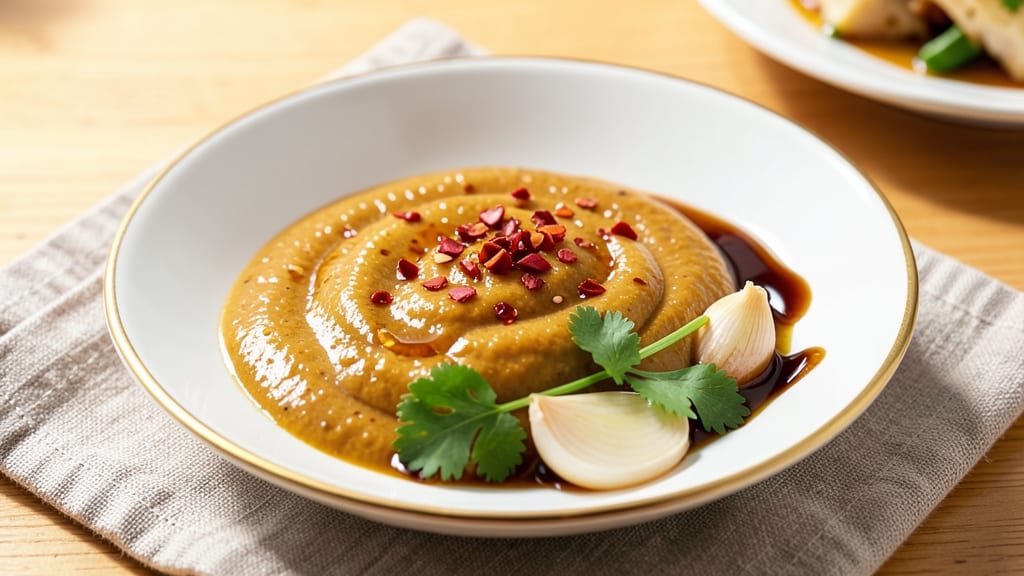
This Asian hot mustard sauce recipe delivers the perfect balance of spicy, sweet, and tangy flavors that elevate everything from wings to fries.
The secret lies in combining Dijon mustard, rice vinegar, and a touch of sugar to create a sauce that's bold yet smooth, with just the right kick of chili flakes.
I developed this recipe after craving that restaurant-quality heat without the mess of bottled sauces—now you can make it at home in under 10 minutes.
The sauce starts with a simple blend of mustard, vinegar, and sugar, which creates a smooth base before adding chili flakes and a pinch of garlic powder for depth.
What makes this recipe special is the emulsification process—using a whisk or immersion blender ensures the sauce stays creamy and clings perfectly to food. You'll notice the flavors deepen as it sits, making it even more addictive after 30 minutes.
By the time you're done, you'll have a versatile sauce that works as a dipping sauce for wings, a marinade for grilled meats, or a tangy topping for fries. The heat is balanced with sweetness, so it's approachable yet exciting.
Store it in the fridge for up to two weeks, or freeze for longer shelf life—it only gets better with time.
This sauce is the kind of condiment that transforms simple meals into standout dishes. Whether you're serving it at a game-day spread or drizzling it over tacos, the combination of mustard, vinegar, and chili creates a flavor profile that's impossible to resist. Let's get started!
Ingredients for asian hot mustard sauce
Eight simple ingredients transform into this addictive, restaurant-quality hot mustard sauce.
| Ingredient | Amount | Notes |
|---|---|---|
| Dijon Mustard 🌶️ | ½ cup | High quality for best flavor |
| Rice Vinegar 🍶 | ½ cup | White or seasoned variety |
| Granulated Sugar 🍚 | ¼ cup | White or brown sugar |
| Red Chili Flakes 🔥 | 2 tbsp | Adjust for desired heat |
| Garlic Powder 🧄 | 1 tsp | Freshly ground preferred |
| Sesame Oil 🫒 | 1 tbsp | Toasted for authentic flavor |
| Soy Sauce 🍶 | 1 tbsp | Light or dark variety |
| Water 💧 | ¼ cup | Room temperature preferred |
| Salt 🧂 | ½ tsp | Kosher or sea salt |
| Honey 🍯 | 1 tbsp | Substitute maple syrup if vegan |
The Dijon mustard is the backbone here—Maille or Amoy are my go-tos, but any good-quality Dijon works. Rice vinegar adds that tangy punch, so don't skimp on the 3% acidity variety (found at Asian markets or well-stocked grocery stores). The red chili flakes? La Choy or Penzeys for consistent heat. Sesame oil brings the aroma—Kadoya is my favorite, but any toasted sesame oil in a dark bottle works. For the sugar, white or brown both work, but brown adds subtle depth. Grab these at Trader Joe's or Costco for bulk savings.
No Dijon? Yellow mustard plus 1 tsp apple cider vinegar gets you close. Short on rice vinegar? Apple cider vinegar or white vinegar works, but the flavor shifts slightly. Want less heat? Cut the chili flakes to 1 tbsp and add 1/4 tsp smoked paprika for depth. No sesame oil? 1/2 tsp toasted sesame seeds (whisked in at the end) adds a hint of nuttiness. The honey can be swapped for agave or maple syrup if you prefer. For a smoother sauce, blend everything until silky—an immersion blender makes this easy.
This sauce tastes even better the next day as flavors meld. Store in an airtight jar in the fridge for up to 2 weeks. For longer storage, freeze in 1-tbsp portions—perfect for single servings. Shake well before using, especially if it separates slightly. The emulsification process keeps it creamy, but a quick whisk restores consistency. Double the batch—you'll want leftovers for wings, fries, and tacos.
Why You'll Love This Recipe
- Five-Ingredient Magic: I swear, this sauce comes together while you’re still debating what to eat. Just stir Dijon, vinegar, sugar, chili flakes, and garlic powder—no peeling, no chopping, no stress. That’s it. Honestly, the hardest part is waiting for the flavors to marry.
- Sweet Heat Balance: The sugar cuts the vinegar’s sharpness, while the chili flakes bring the just-right burn. Between us, that garlic powder punch? It’s the kind of depth you’d pay extra for in a store-bought bottle—but here, it’s yours for pennies.
- Dress-Up Anything: Slather it on grilled chicken, drizzle it over noodles, or toss it with stir-fried veggies. Even my picky teen devours it straight from the jar when I forget to use it up. (Yes, even on a Tuesday night.)
- No-Waste Pantry Hero: This sauce lasts forever—I’ve had a jar sit for weeks, and it’s still vibrant. Plus, you’re using stuff you already own: no special ingredients, no last-minute grocery runs. Budget-friendly? More like budget genius.
Step-by-step instructions for Asian hot mustard sauce
This tangy, spicy-sweet sauce comes together in minutes with simple pantry staples.
Whisk Together the Base Ingredients
In a medium saucepan, combine the 0.5 cup Dijon Mustard, 0.5 cup Rice Vinegar, 0.25 cup Granulated Sugar, 1 tbsp Soy Sauce, and 0.25 cup Water. Stir over medium-low heat until the sugar dissolves completely—you should see a smooth, slightly thickened mixture with no graininess. This step ensures all flavors meld before we add heat.
I like to use a wooden spoon here because it helps prevent splattering from the vinegar. Keep the heat low enough that the mixture doesn't bubble vigorously—you're just warming, not reducing yet. If you notice the sauce starting to separate, give it a quick whisk to bring everything back together.
Add Heat and Aromatics
Reduce the heat to low and stir in the 2 tbsp Red Chili Flakes and 1 tsp Garlic Powder. Let the mixture simmer gently for 5 minutes, stirring occasionally. You'll see the chili flakes begin to soften slightly and release their vibrant color into the sauce. This is when the sauce starts to develop its signature depth of flavor.
The garlic powder will infuse its aroma without needing fresh garlic, but if you're feeling fancy, you could add a pinch of minced fresh garlic here. Just remember it'll burn quickly, so keep the heat at a whisper. Here's where it gets good—taste a small spoonful now. The balance should be tangy from the vinegar, sweet from the sugar, and just starting to show hints of heat.
Incorporate the Finishing Touches
Remove the saucepan from heat and let it cool slightly for 2-3 minutes. This prevents the sesame oil from cooking out its delicate flavor. Then stir in the 1 tbsp Sesame Oil and 1 tbsp Honey, mixing until completely combined. The sauce should now have a glossy sheen and a perfect balance of sweet, tangy, and spicy notes.
Here's the thing about this step—don't rush it. Let the sauce sit for a minute after mixing so the flavors can really marry together. The honey will mellow out some of the vinegar's sharpness while adding just the right amount of smooth sweetness. The sesame oil adds that authentic Asian touch that makes this sauce stand out.
Adjust and Store
Taste the sauce again and make any final adjustments. Need more heat? Add another ½ tsp of red chili flakes. Want it sweeter? Stir in another ½ tbsp of honey. The beauty of this recipe is how customizable it is—you can dial it up or down to your exact preference.
Transfer the sauce to a clean jar and let it cool completely. It'll thicken slightly as it cools, which is perfect for dipping or drizzling. This sauce keeps in the refrigerator for up to 2 weeks, making it ideal for meal prep. When you're ready to use it, give it a good stir—sometimes it separates slightly, but a quick whisk brings it right back together.
Pro Tips For Making Asian Hot Mustard Sauce
- STIR CONSTANTLY: This sauce isn’t just about mixing—it’s about dissolving. If you let the Dijon mustard sit too long before stirring, you’ll end up with grainy clumps that ruin the smooth texture. Keep a spoon moving for at least 30 seconds after adding the mustard, even if it feels like overkill.
- TOAST THE CHILI FLAKES: Dump those red chili flakes into a dry pan over medium heat for 10 seconds before adding them to the sauce. It’s a tiny step, but it deepens their flavor and prevents that bitter, raw heat from overpowering the sweetness. (Yes, even if you’re impatient like me.)
- USE COLD VINEGAR: Straight from the fridge, rice vinegar blends better and keeps the sugar from crystallizing. I learned this the hard way—warm vinegar makes the sauce grainy, and no one wants to deal with that when you’re halfway through. Just pop the bottle in the freezer for 5 minutes if you’re in a rush.
- MEASURE THE GARLIC POWDER: That jar of garlic powder? It’s not all the same. If you scoop it straight from the container, you’ll end up with way too much flavor—bitter, almost medicinal. Use a measuring spoon (¼ teaspoon is plenty) and trust the process. Your sauce will thank you.
Regional styles of asian hot mustard sauce
Japanese Okonomiyaki Style
In Japan, hot mustard sauces often appear in okonomiyaki—savory pancakes topped with cabbage, meat, and seafood. For this version, reduce the chili flakes to 1 tbsp and add 1 tsp Worcestershire sauce instead of soy sauce.
The tangy-sweet balance mirrors the classic okonomiyaki sauce but with a mustard kick. Serve it as a dipping sauce alongside crispy pancakes or drizzle it over yakisoba noodles for extra depth. 🍳
Korean Gochujang Fusion
Korean cuisine loves bold, fermented flavors, so blend 1 tbsp gochujang (Korean chili paste) with the 2 tbsp red chili flakes for a deeper, umami-rich sauce. Replace the rice vinegar with 1 tbsp apple cider vinegar to complement the gochujang’s complexity.
This version pairs perfectly with grilled bulgogi beef or as a marinade for spicy Korean fried chicken. The gochujang adds a subtle sweetness that cuts through the heat beautifully. 🌶️
Thai-Inspired Nam Prik
For a Thai twist, swap the Dijon mustard for 2 tbsp yellow mustard and add 1 tbsp fish sauce (or soy sauce for a vegetarian option). Increase the chili flakes to 3 tbsp and stir in 1 tsp lime zest for brightness.
This nam prik-style sauce works wonders as a dipping sauce for spring rolls or as a glaze for grilled shrimp skewers. The lime zest adds a citrusy freshness that balances the heat and sweetness perfectly. 🍤
Chinese Szechuan Heat
Sichuan cuisine loves its heat, so amp up the spice with 1 tbsp Sichuan peppercorns (finely ground) along with the 2 tbsp red chili flakes. Replace the honey with 1 tbsp brown sugar and add 1 tsp doubanjiang (fermented chili bean paste) for a smoky, funky depth.
This sauce is incredible with stir-fried noodles or as a marinade for spicy mapo tofu. The Sichuan peppercorns add a tingling sensation that elevates the heat to a whole new level. 🔥
Vietnamese Pho-Inspired
For a lighter, fresher take, reduce the sugar to 2 tbsp and add 1 tsp fish sauce and 1 tsp hoisin sauce to the base. Stir in 1 tsp lime juice and 1 tsp fresh cilantro (chopped) at the end for brightness.
This version is perfect as a dipping sauce for pho noodles or as a tangy topping for Vietnamese summer rolls. The lime juice keeps the sauce vibrant and refreshing, balancing the mustard’s richness. 🌿
Filipino Silog Twist
Filipino cuisine loves garlic and vinegar, so boost the garlic powder to 2 tsp and add 1 tbsp calamansi juice (or lime juice) for a citrusy punch. Replace the soy sauce with 1 tbsp patis (Filipino fish sauce) for a deeper umami flavor.
This sauce is a game-changer for garlic fried rice or as a dipping sauce for crispy pork belly (lechon kawali). The calamansi adds a zesty tang that makes the mustard sauce even more addictive. 🍋
Nutrition facts
Frequently asked questions
Can I make this sauce without Dijon mustard?
For a close substitute, mix 0.5 cup yellow mustard with 1 tsp apple cider vinegar to mimic Dijon's tanginess. The texture will be slightly thinner, but the flavor remains bold. For extra depth, add ½ tsp ground mustard powder to the base ingredients.
How do I adjust the heat level?
Start with the 2 tbsp red chili flakes as written, then taste before adding more. For mild heat, reduce to 1 tbsp chili flakes> and add ½ tsp smoked paprika for warmth. For extra spice, increase to 3 tbsp chili flakes> or add ½ tsp cayenne pepper. Always adjust gradually!
Why did my sauce separate?
Sauce separation happens when oil (like sesame oil) and water-based ingredients aren't properly emulsified. Whisk vigorously or use an immersion blender to recombine. For prevention, stir constantly while heating and let the sauce cool slightly before adding sesame oil. A splash of 1 tsp water> can also help restore consistency.
What are the best ways to use this sauce?
This versatile sauce excels as a dipping sauce for wings, fries, or spring rolls. Use it as a marinade for grilled meats> (30 minutes before cooking) or a tangy topping for tacos and noodle dishes. The balance of sweet, tangy, and spicy makes it perfect for game-day snacks> or Asian-inspired meals.
Can I make this sauce vegan?
Yes! Swap the honey for 1 tbsp maple syrup> and use vegan soy sauce. For extra richness, add 1 tbsp tahini> to replace the sesame oil. The sauce will maintain its bold flavor while being completely plant-based.