
Sauces & Condiments
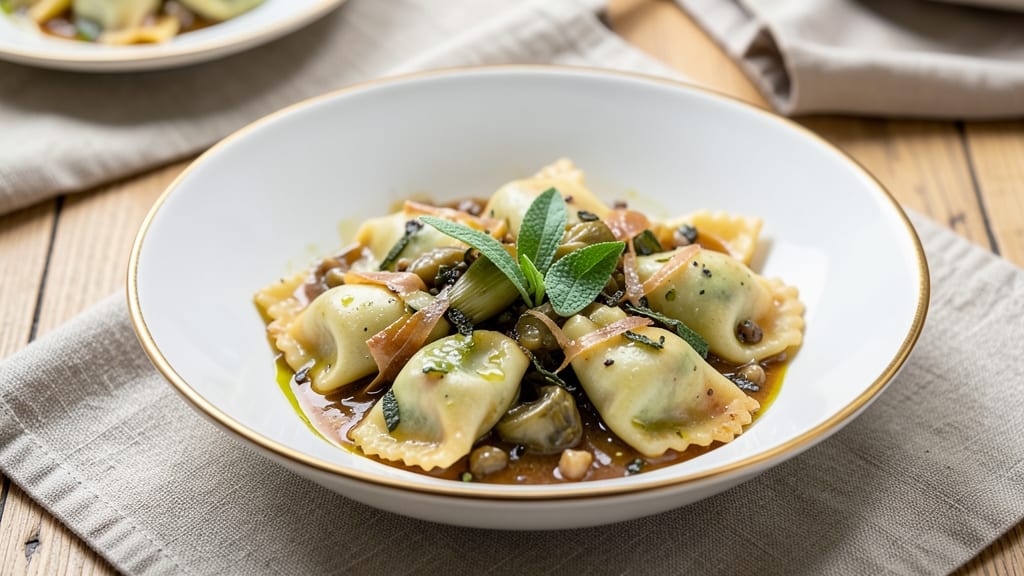
This artichoke ravioli sauce transforms ordinary pasta into a luxurious meal with just a few simple ingredients and a brown butter sage swirl that elevates every bite. The secret lies in balancing creamy richness with bright, herby artichoke flavor—no heavy cream or complicated techniques required.
What makes this sauce special is how it clings perfectly to ravioli, creating a velvety coating that's both elegant and approachable.
Starting with a light base of olive oil and garlic, we build flavor by sautéing artichoke hearts until they're tender but still retain their texture. The brown butter adds depth and nutty complexity, while fresh sage infuses an earthy aroma that ties everything together.
Unlike traditional Alfredo or carbonara, this sauce stays light enough to let the ravioli shine while delivering bold, restaurant-quality taste.
What you'll end up with is a sauce that's creamy yet not heavy, with pockets of artichoke and sage that add visual appeal and texture contrast.
The brown butter swirl adds a luxurious touch without overpowering the dish, making it perfect for special occasions or weeknight dinners when you want to impress. Best of all, it comes together in under 20 minutes with minimal effort.
This sauce keeps well in the refrigerator for up to 5 days, making it ideal for meal prep. Simply reheat gently before serving to maintain its silky texture.
Pair it with store-bought or homemade ravioli, and you've got a dish that feels like it belongs on an Italian restaurant menu—without the fuss.
Ingredients for artichoke ravioli sauce
Eleven ingredients create a velvety artichoke ravioli sauce with luxurious brown butter sage swirl.
| Ingredient | Amount | Notes |
|---|---|---|
| Extra-Virgin Olive Oil 🫒 | ½ cup | High-quality, fruity variety preferred |
| Unsalted Butter 🧈 | ½ cup | Cold, cubed for browning |
| Garlic Cloves 🧄 | 4 cloves | Minced finely for even distribution |
| Marinated Artichoke Hearts 🌿 | 1 cup | Chopped, drained well |
| Fresh Sage Leaves 🌿 | ½ cup | Chopped, stems removed |
| Vegetable Broth 💧 | 1 cup | Low-sodium preferred |
| Heavy Cream 🥛 | ½ cup | Full-fat for best texture |
| Parmesan Cheese 🧀 | ½ cup | Freshly grated, fine texture |
| Lemon Juice 🍋 | 1 tbsp | Freshly squeezed |
| Kosher Salt 🧂 | 1 tsp | Diamond Crystal preferred |
| Freshly Ground Black Pepper 🌶️ | ½ tsp | Adjust to taste |
The artichoke hearts make this sauce shine—look for marinated hearts in jars at Trader Joe's or Whole Foods, where they're consistently tender and flavorful. Fresh sage is a must for that earthy aroma, and Costco sells bundles that last weeks if stored properly. For the butter, grab unsalted from Land O'Lakes or Plugrá—both brown beautifully without adding extra salt. The Parmesan? Grating your own from a wedge makes all the difference; pre-grated has anti-caking agents that ruin texture. Garlic should be fresh, not powdered, and mincing it finely ensures even flavor distribution throughout the sauce.
No marinated artichokes? Fresh artichoke bottoms work—simmer them in water with lemon juice for 15 minutes until tender, then chop. Running low on heavy cream? Half-and-half plus a splash of milk keeps the sauce light. Fresh sage too expensive? Dried sage at one-third the amount works in a pinch, though it lacks the bright aroma. The vegetable broth can be swapped for white wine if you prefer, but reduce it by half since wine has more liquid content. For a dairy-free version, replace the heavy cream with cashew cream—blend soaked cashews with water until smooth.
This sauce keeps beautifully—5 days in the fridge sealed in an airtight container, or 3 months frozen in portions. For freezing, let it cool completely first, then transfer to a freezer-safe bag with parchment between layers to prevent sticking. Reheat gently on low heat, adding a splash of water or broth if it thickens too much. The brown butter swirl is best added fresh after reheating—melt 2 tbsp butter, swirl it in at the end—for that signature golden sheen. Portion into ramekins for elegant serving, or drizzle over ravioli tableside for drama.
Why You'll Love This Recipe
- No Chopping Needed: I swear by jarred marinated artichokes here—just drain, chop, and toss. The prep time is basically the time it takes to find your garlic press.
- Umami Bomb Combo: That buttery olive oil base with garlic and sage? It’s like a hug for your taste buds. The artichokes add this briny, meaty depth that makes it way more interesting than basic cream sauces.
- Weeknight to Dinner Party: Same sauce works for tossed ravioli, drizzled over grilled chicken, or even as a pasta sauce. Honestly, I’ve used it three times this month and never gotten bored.
- Budget-Friendly Luxury: Fresh sage and good olive oil feel fancy, but they stretch across multiple meals. Make a double batch—it reheats beautifully and costs less than takeout. (Yes, even on a Tuesday night.)
Step-by-step instructions for artichoke ravioli sauce
This rich, nutty brown butter sage sauce transforms simple ravioli into a restaurant-worthy dish.
Brown the Butter and Sauté Garlic
Place the 0.5 cup unsalted butter in a large skillet over medium heat. Let it melt completely, then increase the heat to medium-high and watch closely as it begins to foam and bubble. This is where the magic happens—the butter will turn from golden to deep brown, developing complex nutty flavors. Swirl the pan occasionally to ensure even browning, and be patient—this takes about 5-7 minutes. You'll know it's ready when the butter smells toasty and the foam subsides into golden droplets.
Once the butter is beautifully browned, immediately reduce the heat to medium and add the 4 cloves minced garlic. Stir constantly for 30 seconds—garlic burns quickly, and you want it fragrant but not bitter. The butter's rich flavor will infuse the garlic perfectly, creating the aromatic base for your sauce. Here's the thing—don't skip the browning step. This is what elevates a simple sauce from ordinary to extraordinary.
Add Artichokes and Sage
Push the garlic and butter mixture to one side of the pan and add the 1 cup chopped marinated artichoke hearts. Let them sizzle for 2 minutes until they begin to soften slightly and release their briny essence. Stir occasionally to prevent sticking—artichokes have a tendency to cling when heated.
Now add the 0.5 cup chopped fresh sage leaves and toss everything together. The sage will release its piney aroma as it wilts slightly, about 1 minute. The artichokes should be tender but still hold their shape—overcooking will turn them mushy. This is where the sauce starts to come together, with layers of flavor from the browned butter, garlic, artichokes, and sage working in harmony.
Deglaze and Simmer
Pour in the 1 cup vegetable broth and scrape up any browned bits from the bottom of the pan with a wooden spoon. These bits are packed with flavor—don't miss them! Bring the mixture to a gentle simmer and let it reduce by half, which should take about 5 minutes. The sauce should thicken slightly as the liquid evaporates, intensifying all those beautiful flavors.
Here's a pro tip: If the sauce starts to stick, add a splash of water or broth to loosen it. You want a velvety consistency that coats the back of a spoon. The artichokes should be tender but still recognizable, and the sage should be completely wilted. This is the moment that matters—balance is key. The sauce should be rich but not heavy, with bright artichoke flavor shining through.
Finish with Cream and Cheese
Reduce the heat to low and stir in the 0.5 cup heavy cream. Let it warm through gently, about 2 minutes, until it's fully incorporated. The cream will mellow out the acidity from the artichokes and add a luxurious silkiness to the sauce. Next, fold in the 0.5 cup freshly grated Parmesan cheese until completely melted and smooth. This is where the sauce transforms from good to spectacular.
Finally, stir in the 1 tbsp lemon juice, 1 tsp kosher salt, and 0.5 tsp freshly ground black pepper. The lemon juice brightens everything up, cutting through the richness of the butter and cream. Taste and adjust the seasoning—you might need a bit more salt or pepper to balance the flavors. The sauce should be rich, complex, and perfectly seasoned, ready to coat each tender ravioli.
Serve Immediately
Ladle the sauce over your cooked ravioli and toss gently to coat. The sauce should cling beautifully, creating a luscious blanket around each piece. Serve immediately while the ravioli is still hot and the sauce is at its peak texture. The contrast of the warm, creamy sauce with the tender ravioli is pure comfort food at its finest.
This sauce is best enjoyed fresh, but if you have leftovers, store them in an airtight container in the refrigerator for up to 3 days. Reheat gently over low heat, adding a splash of water or broth if it thickens too much. The flavors only deepen over time, making this sauce even more irresistible the next day.
Pro Tips For Making Artichoke Ravioli Sauce
- Sweat the Garlic Low: I learned this the hard way—crispy garlic in this sauce is a crime. Keep the heat at a gentle simmer (not even a full boil) until the cloves are just translucent, not golden. Overcooking turns them bitter, and you’ll regret it when that rich butter starts to brown.
- Drain and Pat Artichokes Dry: Marinated artichokes are sneaky—they’re packed with brine. After draining, give them a quick towel press to remove excess moisture. This keeps your sauce from turning into a watery mess when the artichokes hit the pan, and the flavor stays concentrated where it belongs.
- Toast Sage Leaves Whole: Tearing sage leaves might seem easier, but toasting them whole first makes a real difference. Drop them into the hot oil for 10 seconds until they blister slightly—then remove and chop. This adds depth without overpowering, and the aroma hits you the second you lift the lid.
- Melt Butter Slowly: I used to rush this, tossing in butter and walking away. Bad move. Let it melt into the oil gradually, whisking constantly, until it’s fully incorporated and the sauce emulsifies. This prevents separation later, and the butter’s flavor gets evenly distributed—no greasy spots in your final dish.
Essential equipment for great artichoke ravioli sauce
Skillet Essentials
Start with a 10-inch cast iron skillet—like the Lodge Pre-Seasoned—for even heat distribution and natural non-stick properties. The deep sides help prevent spills when tossing ravioli, and cast iron retains heat perfectly for browning butter.
If you don’t have cast iron, a heavy-bottomed stainless steel pan (like All-Clad) works too—just monitor heat more closely. 🔥
Wooden Spoon Must
A long-handled wooden spoon is non-negotiable for stirring and scraping up those flavorful browned bits. I swear by Oxo Good Grips—the angled handle keeps your wrist comfortable during long simmers. Avoid metal spoons when deglazing (they scratch cast iron) and never use plastic, which can melt near high heat.
Cheese Grater Upgrade
Freshly grated Parmesan makes all the difference, so invest in a microplane or box grater with non-slip base (like KitchenAid). Pre-grated cheese contains anti-caking agents that ruin texture.
For the brown butter swirl, use a small offset spatula to create elegant ribbons—dip it in cold water first to prevent sticking.
Temperature Control Tools
Precision matters when browning butter—use an instant-read thermometer (like Thermoworks ThermoPop) to monitor at 350°F. For simmering, a kitchen timer (set for 5 minutes) ensures you don’t over-reduce the broth. A heat-resistant silicone spatula helps scrape without damaging your pan’s seasoning.
Storage Containers
For leftovers, transfer sauce to glass Pyrex containers with tight-sealing lids—they’re microwave-safe and preserve flavor better than plastic. For freezing, use quart-sized freezer bags with parchment paper between layers to prevent sticking. Label with the date (sauce lasts 3 months frozen).
Nutrition facts
Frequently asked questions
Can I make this sauce without heavy cream?
For a lighter version, replace the heavy cream with ½ cup full-fat coconut milk or ½ cup cashew cream (blend soaked cashews with water). For extra richness without dairy, use ½ cup Greek yogurt—it adds tanginess that balances the artichokes beautifully. The sauce will still be creamy but with a slightly different texture.
How do I prevent the artichokes from getting mushy?
Cook them just until tender—about 2 minutes in the skillet. Overcooking releases excess liquid, making them turn to mush. Use marinated artichoke hearts (they're pre-cooked) and chop them after sautéing to preserve texture. For fresh artichokes, blanch them first in boiling water for 10 minutes before chopping.
What's the best way to reheat leftovers?
Gently reheat over low heat on the stovetop, stirring frequently to prevent sticking. Add 1-2 tablespoons water or broth if the sauce thickens too much. For microwave reheating, use 30-second intervals on medium power, stirring between each. The brown butter swirl should be added fresh after reheating for the best flavor.
Can I use dried sage instead of fresh?
Yes, but use ⅓ the amount (about 1.5 teaspoons) and crush it lightly between your fingers before adding. Dried sage lacks the bright aroma of fresh, so it won't have the same impact. For best results, toast the dried sage in the pan for 30 seconds before adding other ingredients to release its oils.
What if my sauce is too thin?
Simmer uncovered for an extra 2-3 minutes to reduce the liquid. If it's still too thin, mix 1 teaspoon cornstarch with 1 tablespoon cold water, stir into the sauce, and cook for another 1 minute until thickened. Avoid over-thickening—you want a velvety consistency, not gluey.