
Sauces & Condiments
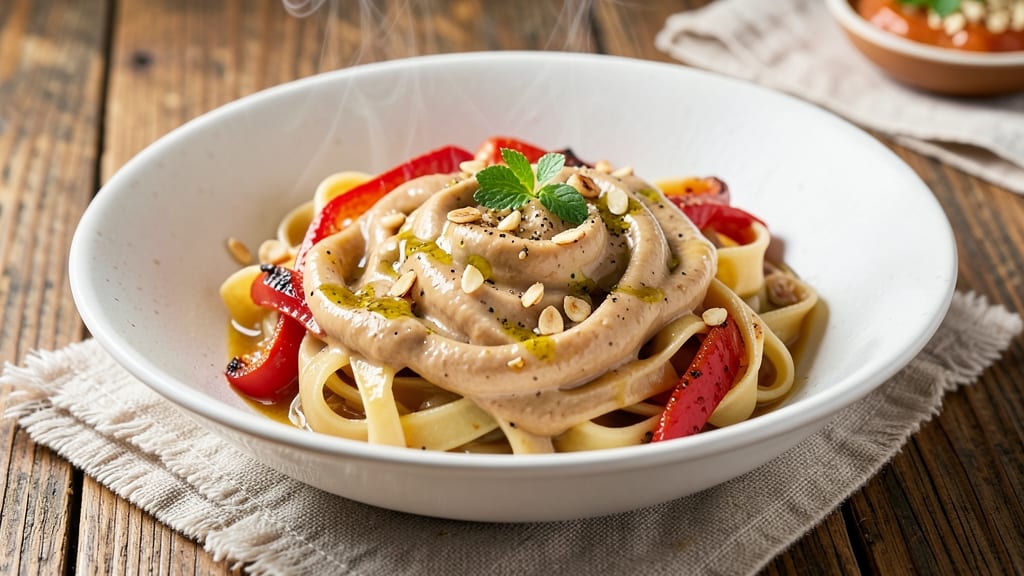
This almond butter pasta sauce recipe transforms simple weeknight meals into restaurant-worthy dishes with its rich nutty depth and silky texture. The secret lies in blending almond butter with aromatic garlic, olive oil, and a touch of nutritional yeast for that signature umami kick—no heavy cream required.
What makes this sauce truly special is how it coats every strand of pasta, creating a velvety finish that pairs perfectly with whole wheat or fresh egg noodles.
The beauty of this recipe is its versatility—vegetarian-friendly yet packed with flavor, it serves as both a quick weeknight dinner and an elegant addition to holiday tables.
A 10-minute prep followed by a gentle simmer yields a sauce that's creamy without being heavy, thanks to the natural fats in almond butter. The addition of cashews (optional) takes the creaminess to another level, though the base recipe stands strong on its own.
What you'll achieve is a smooth, nutty sauce that clings beautifully to pasta while delivering a satisfying depth of flavor. The aroma alone—garlicky, toasty, and slightly sweet—will have everyone asking for seconds.
Best of all, it keeps well in the fridge for up to 5 days, making it perfect for meal prep or batch cooking ahead of busy weeks.
Whether you're serving it over spaghetti, tossing it with roasted vegetables, or using it as a dip for crusty bread, this sauce delivers restaurant-quality results with minimal effort. The instructions ahead will guide you through blending, simmering, and storing—ensuring every bowl tastes as good as the first.
Ingredients for almond pasta sauce
Rich almond butter blends with aromatic garlic and olive oil for a velvety, umami-packed pasta sauce.
| Ingredient | Amount | Notes |
|---|---|---|
| Natural Almond Butter 🥜 | ½ cup | Creamy texture preferred, unsweetened |
| Extra-Virgin Olive Oil 🫒 | ⅓ cup | High-quality, fruity variety |
| Garlic Cloves 🧄 | 4 cloves | Fresh, minced for aromatic depth |
| Nutritional Yeast 🧀 | 2 tbsp | Fortified for cheesy umami flavor |
| Vegetable Broth 💧 | 1 cup | Low-sodium preferred for balance |
| Raw Cashews 🥜 | ¼ cup | Optional for enhanced creaminess |
| Lemon Juice 🍋 | 1 tbsp | Freshly squeezed for brightness |
| Diamond Crystal Kosher Salt 🧂 | ½ tsp | Fine grain for precise seasoning |
| Freshly Ground Black Pepper 🌶️ | ¼ tsp | Freshly cracked for optimal flavor |
| Red Bell Pepper 🌶️ | ¼ cup | Diced, for subtle sweetness |
The almond butter is the foundation—opt for natural, unsweetened varieties with minimal additives, like Whole Foods 365 or Marukyu. Trader Joe's carries excellent options at a reasonable price, though store-brand almond butter often works just as well. Fresh garlic is non-negotiable here; its aromatic compounds develop fully during the simmer. For nutritional yeast, Bob's Red Mill or Bragg are reliable brands that provide that essential cheesy depth without dairy. If using cashews, toast them lightly in a dry pan for 30 seconds to enhance their natural nuttiness—this step elevates the sauce's richness significantly.
No almond butter? Sunflower seed butter works surprisingly well, though the flavor profile shifts slightly toward earthiness. Short on garlic? Garlic powder at half the amount suffices, but fresh is ideal. Vegetable broth can be substituted with water plus 1 tsp soy sauce for umami, though the depth won't match. For the red bell pepper, roasted adds smokiness, but raw diced works fine. Lemon juice can be omitted if you prefer a sweeter sauce, though it balances the richness beautifully. If you're avoiding nuts entirely, silken tofu blended with olive oil mimics the creaminess, though texture differs slightly.
Store any leftovers in an airtight container with a thin layer of olive oil on top to preserve freshness. This sauce keeps for 5 days in the fridge, though flavor peaks within the first 3 days. For longer storage, freeze in ice cube trays—thaw quickly in a bowl of warm water when ready to use. Reheat gently on low heat, stirring frequently to prevent separation. The sauce thickens as it cools, so add a splash of warm water if needed when reheating. Pairs beautifully with whole wheat pasta or fresh egg noodles for optimal texture contrast.
Why You'll Love This Recipe
- Five-Ingredient Magic: I swear by this—just almond butter, olive oil, garlic, nutritional yeast, and broth. That’s it. No fancy prep, no hidden steps. The sauce comes together while you boil water for pasta.
- Umami Bomb: The nutritional yeast gives this sauce that cheesy depth without dairy, and the toasted garlic? Oh, it’s like a warm hug for your taste buds. Rich, nutty, and just a little savory—this isn’t your basic pasta sauce.
- Meal Prep MVP: Make a big batch on Sunday, and you’ve got lunch or dinner covered all week. It reheats like a dream, clings to pasta perfectly, and even tastes better the next day. (Yes, even on a Tuesday night.)
- Budget-Friendly Luxury: Almond butter and nutritional yeast stretch this recipe far—way more than heavy cream or jarred sauces. Plus, the flavor feels indulgent without breaking the bank. My wallet and taste buds thank me.
Step-by-step instructions for almond butter pasta sauce
This velvety sauce transforms simple pasta into a luxurious dish with nutty depth and silky texture.
Toast the Aromatics for Maximum Flavor
Heat the 0.33 cup Extra-Virgin Olive Oil in a medium saucepan over medium-low heat. Add the 4 cloves Garlic Cloves and 0.25 cup diced Red Bell Pepper, stirring gently for 3-4 minutes until the garlic becomes fragrant and the bell pepper softens slightly. The oil should shimmer but not smoke—this prevents burning while developing flavor.
Here's the thing—low heat is crucial. Garlic burns in seconds at high temperatures, turning bitter instead of sweet. You'll know it's ready when the garlic releases its aroma and the bell pepper begins to soften but doesn't lose its shape. Remove from heat immediately after to preserve the vibrant color and fresh flavor.
Build the Nutty Base
Return the pan to medium heat and add the 0.5 cup Natural Almond Butter. Stir constantly for 2-3 minutes until completely melted and smooth. The sauce will thicken noticeably as the almond butter incorporates into the oil. If it appears too thick, add 1 tablespoon of Vegetable Broth to loosen it slightly.
This is where the sauce's signature richness develops. The almond butter provides a creamy, nutty foundation that pairs beautifully with the umami from the nutritional yeast. Don't rush this step—proper incorporation ensures a velvety texture rather than a grainy one. The sauce should coat the back of a spoon with a smooth, satiny consistency.
Develop Depth with Umami and Acid
Add the 2 tbsp Nutritional Yeast, 0.25 cup Raw Cashews, and 1 cup Vegetable Broth to the sauce. Stir well and bring to a gentle simmer over medium heat. Cook for 5-6 minutes until the cashews are softened and the sauce has thickened slightly. The mixture should reduce enough to coat the back of a spoon but remain pourable.
The nutritional yeast adds that signature cheesy umami that elevates the sauce beyond a simple nut butter base. Meanwhile, the cashews contribute to the creaminess while absorbing some of the liquid. Taste periodically—if the sauce needs more brightness, add the 1 tbsp Lemon Juice now. The acidity cuts through the richness beautifully, balancing the flavors.
Season and Finish with Precision
Remove the sauce from heat and stir in the 0.5 tsp Diamond Crystal Kosher Salt and 0.25 tsp Freshly Ground Black Pepper. Let it sit for 2-3 minutes to allow the flavors to meld. The sauce should be seasoned perfectly—salty enough to enhance the almond flavor without overpowering it, and peppered just enough to add warmth.
Here's the professional touch: let the sauce rest off heat. This allows the salt to fully dissolve and the pepper to distribute evenly. The texture will also stabilize, becoming perfectly clingy rather than stringy. If the sauce thickens too much during resting, add 1-2 tablespoons of hot Vegetable Broth to reach your desired consistency.
Toss with Cooked Pasta
Cook your pasta according to package instructions until al dente, reserving ½ cup of pasta water. Drain and immediately toss with the sauce in a large bowl. If the sauce appears too thick, add reserved pasta water 1 tablespoon at a time until it coats the pasta evenly without being watery. The final texture should be silky and clingy, clinging to each strand of pasta.
This sauce works beautifully with any pasta shape—whether you're using spaghetti, penne, or farfalle. The key is timing: toss the pasta with the sauce immediately after draining while it's still hot. The residual heat helps the sauce adhere perfectly. For extra richness, top with additional Freshly Ground Black Pepper and a sprinkle of Nutritional Yeast before serving.
Pro Tips For Making Almond Pasta Sauce
- Bloom the Garlic: Sauté those minced cloves in olive oil for 2-3 minutes until they’re golden, not brown—this stops them from turning bitter. I learned this the hard way when my sauce tasted like a gym locker after a bad workout.
- Whisk in Warm Broth: Heat your vegetable broth to a simmer before adding it to the almond butter—cold liquid makes the sauce clump like glue. Stir in slowly while whisking to avoid lumps, or you’ll end up with a sad, grainy mess.
- Toast the Nutritional Yeast: Lightly toast the nutritional yeast in a dry pan for 30 seconds before mixing it in—it deepens the nutty, cheesy flavor without overpowering. Skip this, and you’ll wonder why your sauce tastes like cardboard with a side of disappointment.
- Thin with Oil First: Start by thinning the almond butter with a splash of olive oil before adding broth—this emulsifies the sauce instantly and saves you from scrambling to fix a broken texture later. (Yes, even if you’re impatient like me.)
Essential equipment for almond pasta sauce
Blender for Silky Texture
Invest in a high-quality immersion blender or countertop blender to achieve that signature velvety texture. I recommend the Ninja Foodi Immersion Blender for its powerful motor that effortlessly emulsifies almond butter with olive oil.
For batch cooking, a Vitamix or Blendtec ensures ultra-smooth results without lumps. Avoid cheap blenders—they struggle with nut butters and can leave grainy bits in your sauce. 💫
Saucepan Essentials
Use a heavy-bottomed saucepan with a 2-3 quart capacity to prevent scorching during simmering. My go-to is a Le Creuset Dutch oven—it distributes heat evenly and handles the sauce's natural thickening beautifully.
For budget options, All-Clad stainless steel or Calphalon pans work just as well. Avoid thin, reactive metals like aluminum for long simmering times.
Measuring Tools
Precision matters with this sauce, so grab a digital kitchen scale for accurate measurements of nut butters and cashews. I use the OXO Good Grips scale for its readability. A fine-mesh strainer helps remove any accidental skin or seeds from garlic and bell peppers.
For liquid measurements, a liquid measuring cup with clear markings ensures you add exactly 1 cup vegetable broth without overfilling.
Storage Containers
For leftovers, transfer sauce to glass airtight containers with a wide mouth—Pyrex or Le Parfait brands work perfectly. The wide opening makes it easier to scoop and reheat portions.
If freezing, use silicone ice cube trays for portion control—just pop out a cube when you need a quick sauce boost. Always leave ½-inch headspace to prevent spills during storage. ❄️
Optional Extras
Want to elevate your sauce further? A microplane for fresh garlic and chef's knife with a sharp serrated edge make prep faster. For garnishing, keep fresh parsley and toasted pine nuts on hand.
The OXO Good Grips microplane is my favorite for quick garlic prep—it removes skins effortlessly while maximizing surface area for flavor development.
Nutrition facts
Frequently asked questions
Can I make this sauce without almond butter?
Yes! For a similar texture, use sunflower seed butter (tastes earthier) or blend ½ cup raw almonds with 1 tbsp olive oil until smooth. If avoiding nuts entirely, blend ½ cup silken tofu with 2 tbsp olive oil for creaminess. The sauce will still be delicious but lose some nutty depth.
How do I prevent the sauce from separating when reheating?
Always reheat on low heat while stirring constantly. If it thickens too much, thin with 1 tbsp warm vegetable broth or pasta water. For extra insurance, stir in ½ tsp cornstarch mixed with 1 tsp water while reheating. Never microwave—it causes separation.
What's the best pasta to pair with this sauce?
This sauce clings beautifully to whole wheat penne or fresh egg noodles for texture contrast. For extra richness, try gluten-free brown rice pasta. Avoid smooth surfaces like fettuccine—the sauce may slide off. The key is al dente pasta with slight texture to hold the sauce.
Can I make this sauce in advance?
It actually tastes better after 24 hours as flavors meld. Store in an airtight container with a thin layer of olive oil on top. Keeps for 5 days in the fridge or 3 months frozen. Thaw overnight in the fridge before reheating—never at room temperature.
Why does my sauce taste bitter?
Most likely your garlic burned or you overcooked the sauce. Next time, keep heat at medium-low and remove garlic immediately when fragrant. To fix bitter sauce, balance with ½ tsp lemon juice or 1 tsp maple syrup. If the bitterness persists, stir in 1 tbsp tahini to add richness and mask the flavor.