
Sauces & Condiments
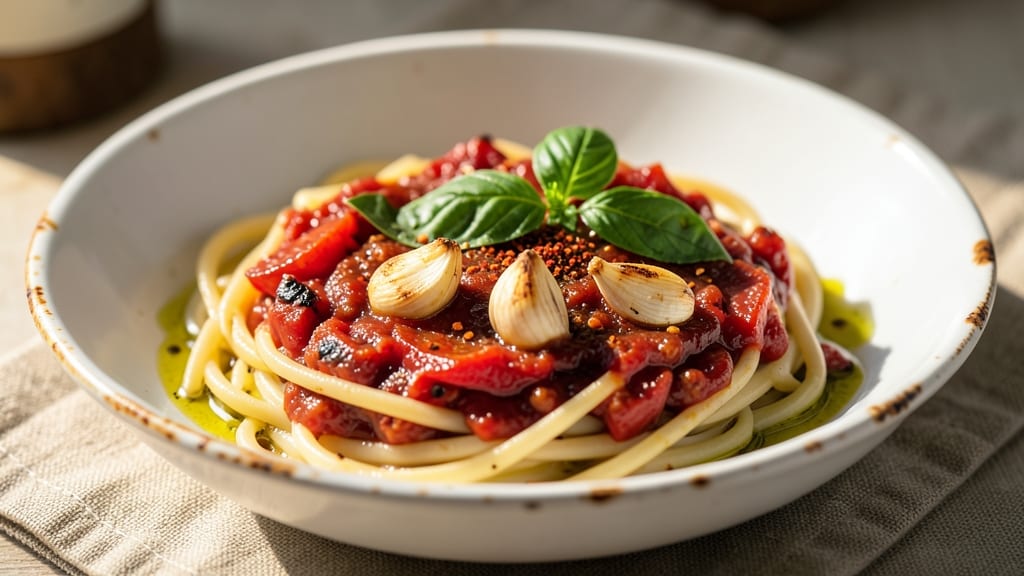
This arrabiata sauce recipe with fresh tomatoes delivers the perfect balance of bold spice and bright acidity that makes every bite unforgettable. I learned the art of making it from Nana Mae in her Atlanta diner, where the scent of simmering tomatoes and chili flakes filled the air.
The secret lies in fresh, vine-ripened tomatoes and a slow simmer that develops deep, complex flavors without losing that vibrant acidity.
What sets this sauce apart is its simplicity combined with professional results. With just five key ingredients—fresh tomatoes, garlic, chili flakes, olive oil, and a touch of salt—you'll create a sauce that's restaurant-quality yet requires minimal effort.
The technique is straightforward: blister the garlic in olive oil, add the tomatoes and chili, then let it simmer until it thickens naturally. No blender required unless you prefer a smoother texture.
By the time you're done, you'll have a sauce that's rich, slightly chunky, and packed with flavor—perfect for tossing with spaghetti or drizzling over grilled meats. The acidity from the tomatoes cuts through the richness of the pasta, while the chili flakes add just enough heat to keep things interesting.
This is the kind of sauce that transforms simple meals into something extraordinary.
The best part? It keeps well in the refrigerator for up to five days, allowing you to make a big batch and enjoy it all week.
Whether you're serving it over al dente pasta or using it as a marinade, this arrabiata sauce will quickly become a staple in your kitchen. Let's get started on creating this bold, flavorful masterpiece.
Ingredients for arrabiata sauce recipe fresh tomatoes
Five ingredients plus a splash of vinegar—this is how you make restaurant-quality arrabiata sauce at home.
| Ingredient | Amount | Notes |
|---|---|---|
| Fresh Vine-Ripened Tomatoes 🍅 | 2 lbs | Ripe, juicy, and preferably heirloom |
| Extra-Virgin Olive Oil 🫒 | ½ cup | High quality, fruity variety |
| Garlic Cloves 🧄 | 6 whole | Fresh, peeled, and roughly chopped |
| Chili Flakes 🌶️ | 2 tbsp | Crushed by hand for even distribution |
| Sea Salt 🧂 | 1 ½ tsp | Fine grain preferred for balance |
| Fresh Basil Leaves 🌿 | ¼ cup | Chopped, for finishing touch |
| Red Wine Vinegar 🍷 | 1 tbsp | Brightens acidity beautifully |
The tomatoes are non-negotiable. Heirloom or vine-ripened from your local farmers market or grocery store's produce section—those are the ones bursting with flavor. If you're using grocery store tomatoes, look for ones that smell sweet and give slightly when squeezed. Nana Mae always swore by the big beefsteak varieties, but any ripe tomato will work. The garlic? Fresh is a must—jarred minced garlic lacks the depth. For chili flakes, Penzeys or any high-quality brand (none of that dusty red powder). The olive oil should be extra-virgin and fruity—none of that cheap cooking oil stuff.
No fresh tomatoes? Canned San Marzano tomatoes in their juices are your next best bet—they're sweeter and more flavorful than most grocery store varieties. Short on garlic? Garlic powder at half the amount works in a pinch, but it won't have that same sweet, caramelized depth. The chili flakes can be swapped for red pepper flakes, but crush them first for even heat distribution. Vinegar missing? Fresh lemon juice works too, though it'll change the flavor profile slightly. And if you're feeling fancy, add a pinch of sugar to balance the acidity—Nana Mae always did.
This sauce tastes even better the next day as the flavors meld together. Store it in an airtight container in the fridge for up to 5 days. For longer storage, freeze it in ice cube trays—perfect for single portions. The basil should go in right before serving, so don't add it to the sauce ahead of time. If you make a big batch, portion it into containers so you can grab what you need quickly. And trust me, you'll want to make a big batch—this sauce disappears fast.
Why You'll Love This Recipe
- No-Chop Nightmare: I swear, this sauce wins on days when I’m too tired to even look at a knife. Just toss in halved tomatoes—no peeling, no seeding—let the garlic and olive oil do the work while I sip wine and pretend I’m not cooking.
- Sunshine in a Pan: That first bite of bright, tangy tomatoes kissed by chili flakes? It’s the kind of flavor that makes you pause mid-spoonful. The garlic doesn’t overpower—it just lingers, warm and honest, like a good conversation with a friend who gets you.
- Pasta’s Best Wingman: Drizzle it over spaghetti, toss it with grilled chicken, or slather it on crusty bread—this sauce shows up everywhere. Honestly, I’ve used it in tacos (yes, really) and even as a marinade. It’s the kind of versatile that feels like cheating.
- Leftovers That Don’t Suck: Unlike so many sauces that turn gloopy or bland after day two, this one actually improves in the fridge. The acidity mellows, the flavors deepen, and suddenly you’ve got a freezer-friendly base for next week’s lazy dinner. Budget win, time win.
Step-by-step instructions for arrabiata sauce with fresh tomatoes
Here's how to create a vibrant, perfectly balanced arrabiata sauce that bursts with bright tomato flavor and fiery chili heat.
Prep and Roast the Tomatoes for Deep Flavor
Preheat your oven to 425°F. Cut the 2 lbs fresh vine-ripened tomatoes into 1-inch chunks, removing any cores. Spread them on a rimmed baking sheet in a single layer, drizzle with 2 tablespoons of the extra-virgin olive oil, and sprinkle with 1 teaspoon of the sea salt.
Roast for 20-25 minutes until the tomatoes collapse slightly and develop deep caramelized edges. You'll smell that incredible tomato aroma filling your kitchen—this is when the natural sugars concentrate and the flavors intensify. Stir them halfway through for even browning.
Sauté Garlic and Chili for Aromatic Foundation
While the tomatoes roast, heat a large skillet over medium heat. Add the remaining 0.33 cup extra-virgin olive oil (you should have about 1/3 cup left) and the 6 whole garlic cloves. Cook for 2-3 minutes until the garlic turns golden and fragrant—don't let it brown or it'll turn bitter.
Reduce heat to low and add the 2 tbsp chili flakes. Stir constantly for 30 seconds until the flakes darken slightly and release their aroma. This gentle cooking prevents the chili from scorching while building the sauce's signature heat. The mixture should smell like a sun-drenched Italian market—bright, spicy, and inviting.
Combine and Simmer the Sauce
Transfer the roasted tomatoes to the skillet with the garlic-chili mixture. Stir well to combine, then add the 1 tbsp red wine vinegar and remaining 0.5 tsp sea salt. Bring to a gentle simmer over medium-low heat and cook uncovered for 15-20 minutes, stirring occasionally.
You're looking for a sauce that thickens slightly but remains vibrant and glossy. The tomatoes should break down completely, creating a rich, rustic consistency. If the sauce gets too thick, add 1-2 tablespoons water to loosen it. The acid from the vinegar will brighten the flavors, balancing the spice and sweetness perfectly.
Finish with Fresh Basil and Adjust Seasoning
Remove from heat and stir in the 0.25 cup chopped fresh basil leaves. Let the sauce sit for 5 minutes to allow the basil's fresh aroma to infuse. Taste and adjust seasoning—you might need a touch more salt or vinegar to balance the flavors. The sauce should be bright, spicy, and perfectly balanced between sweet and tangy.
For the best texture, strain the sauce through a fine-mesh sieve if you prefer a smoother consistency, or leave it rustic with small tomato pieces. Serve immediately over pasta or let it sit at room temperature for up to 2 hours before reheating gently. This sauce tastes even better the next day as the flavors meld!
Pro Tips For Making Arrabiata Sauce Recipe Fresh Tomatoes
- Sear the Garlic Hard: I learned this the hard way—melt the olive oil first, then add the garlic and chili flakes to the dry pan. Cook them until the garlic turns golden brown and the chili flakes darken slightly (about 2-3 minutes). This stops them from turning bitter and adds depth the sauce desperately needs.
- Crush Tomatoes by Hand: Skip the blender—roughly crush the vine-ripened tomatoes with your fingers or a wooden spoon. The skin and seeds add texture and body to the sauce, and you’ll avoid the watery, paste-like consistency that comes from over-processing. (Yes, even if you’re impatient like me.)
- Salt the Tomatoes First: Toss the crushed tomatoes with a generous pinch of salt and let them sit for 10 minutes before cooking. This draws out excess moisture and concentrates their flavor, so your sauce won’t turn thin or bland when you simmer it. Trust me, this is the thing that matters most.
- Simmer Low and Long: After the garlic and tomatoes cook down, reduce the heat to the lowest setting you can tolerate. Let the sauce bubble gently for at least 20 minutes—this lets the flavors meld and the acidity mellow. Skipping this step means a sharp, underdeveloped sauce, not a rich, balanced one. (Your future self will thank you.)
Best sauces and condiments for this dish
Classic Arrabbiata
This is the traditional version Nana Mae taught me—simple yet packed with bold flavors. Start with 1 lb fresh tomatoes (instead of 2) and reduce the olive oil to ¼ cup. Use 4 garlic cloves and 1 tbsp chili flakes for a more delicate heat.
Simmer uncovered for 20 minutes until thickened, then finish with 2 tbsp chopped basil. The key is patience—let the sauce reduce naturally for maximum depth. 🍝
Creamy Arrabbiata
For a richer texture, stir in ¼ cup heavy cream or mascarpone cheese at the end. I like to add it just before serving so the sauce stays velvety. Use 1½ lbs tomatoes and reduce the chili to 1 tbsp to balance the creaminess.
A splash of white wine (about 2 tbsp) during simmering adds brightness. Perfect for cold winter nights when you crave comfort. 🥛
Spicy Roasted Version
Take the heat up by roasting the tomatoes with 1 tbsp crushed red pepper flakes and 1 minced jalapeño (seeds removed) on the baking sheet. After simmering, blend half the sauce for a smooth finish, leaving the other half rustic.
Add 1 tsp smoked paprika when sautéing the garlic for extra depth. This version pairs perfectly with grilled chicken or shrimp. 🌶️
Slow-Cooker Adaptation
For hands-off cooking, combine all ingredients in a slow cooker and cook on low for 4-5 hours or high for 2-3 hours. The long cook time develops deeper flavors without watching the pot.
Add ½ cup chicken broth if it gets too thick. I love making this on Sunday for easy weeknight meals. Just stir in fresh basil before serving. ⏳
Herb-Infused Variations
Swap basil for other herbs depending on what you have: ½ cup chopped oregano for a Greek twist, 2 tbsp chopped thyme for earthiness, or 1 tbsp chopped rosemary for piney notes.
For a Mediterranean touch, add 1 tsp dried oregano during simmering. Each herb changes the sauce's character while keeping that signature bright acidity. 🌿
Cheesy Finish Options
For extra richness, stir in 2 tbsp grated Parmesan at the end or top with shaved Pecorino Romano before serving. For a creamy version, mix in 2 tbsp ricotta cheese after removing from heat. These additions work best with the classic or creamy versions—not the spicy roasted one. 🧀
Nutrition facts
Frequently asked questions
Can I use grocery store tomatoes instead of fresh vine-ripened ones?
Yes, but choose the ripest you can find—look for tomatoes that smell sweet and yield slightly when gently squeezed. If they're hard or lack aroma, they won't develop the same depth of flavor. For best results, roast them longer (up to 30 minutes) to concentrate their natural sugars and mask any blandness.
How do I adjust the heat level in this sauce?
For milder heat, reduce the chili flakes to 1 tbsp and add ½ tsp sugar to balance. For extra spice, increase to 3 tbsp chili flakes and add ½ tsp crushed red pepper during simmering. Always taste as you go—you can add more chili, but you can't remove it!
What's the best pasta to serve with this sauce?
Classic choices are spaghetti or linguine for maximum sauce cling, but bucatini or pappardelle work beautifully too. For a rustic touch, try rigatoni or penne—their ridges hold onto the chunky tomato pieces. Always cook pasta 1 minute less than package instructions for al dente texture.
Can I make this sauce in a blender for a smoother texture?
After simmering, let the sauce cool slightly, then blend until smooth. For rustic texture, strain through a fine-mesh sieve instead. Pro tip: Add 1-2 tbsp water while blending to help emulsify. The sauce will thicken back up as it cools—just reheat gently before serving.
Why does my sauce taste too acidic?
This happens when the tomatoes aren't fully ripe or the vinegar overpowers. Balance it by adding ½ tsp sugar or 1 tbsp tomato paste to deepen the sweetness. Let the sauce sit at room temperature for 30 minutes before tasting again—the flavors will mellow naturally. If it's still too sharp, a pinch of salt helps round out the acidity.