
Sauces & Condiments
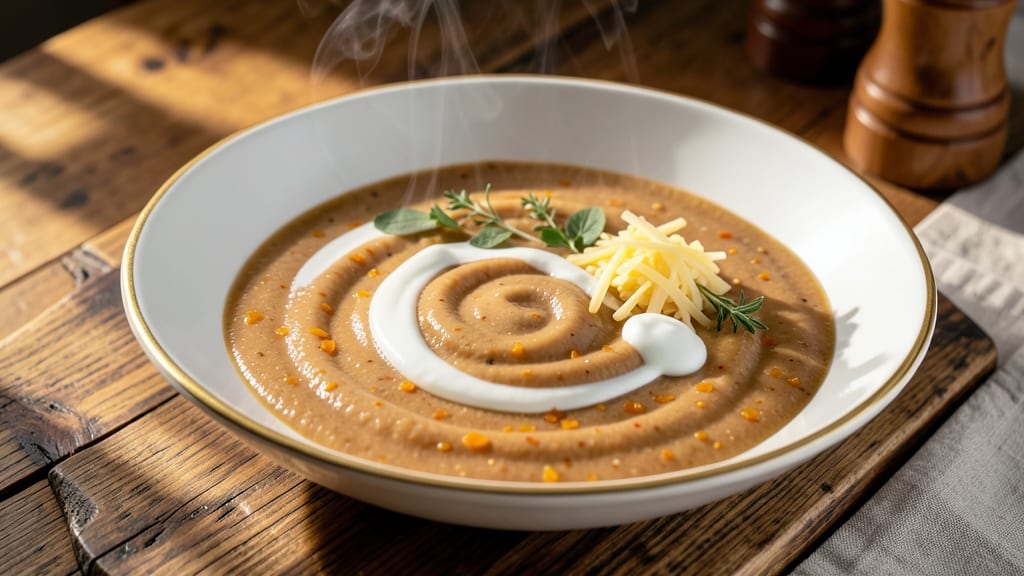
This Argo cornstarch cheese sauce recipe delivers restaurant-quality smoothness without a single lump in sight. 💛 The secret lies in using Argo cornstarch's superior thickening power, which creates a velvety, ultra-creamy sauce that clings perfectly to pasta, potatoes, or crispy fries.
I developed this version after struggling with grainy textures in homemade cheese sauces—until I discovered how cornstarch transforms the consistency entirely.
The magic happens in the cooking process: melting butter, whisking in flour (or cornstarch), then gradually adding milk and shredded cheese while stirring constantly. This method ensures a silky texture that's impossible to achieve with traditional roux techniques.
The sauce thickens beautifully without breaking, and the flavor remains rich and cheesy rather than floury.
What you'll end up with is a foolproof cheese sauce that's creamy, smooth, and ready in just 15 minutes—perfect for mac and cheese, baked potatoes, or as a dipping sauce for veggies.
The cornstarch creates a thicker, more stable base than flour alone, making it ideal for dishes that need sauce to hold its shape.
This sauce also reheats beautifully, so you can make a big batch and store leftovers in the refrigerator for up to 5 days. Just stir in a splash of milk when reheating to restore that perfect creamy consistency.
The possibilities are endless—try it on broccoli, as a pizza sauce base, or even as a creamy soup thickener.
Ingredients for argo cornstarch cheese sauce
Eight ingredients transform into velvety perfection—no lumps, just creamy magic.
| Ingredient | Amount | Notes |
|---|---|---|
| Unsalted Butter 🧈 | ½ cup | Cold, cubed for even melting |
| Argo Cornstarch 🌾 | ¼ cup | Superior thickening power |
| Whole Milk 🥛 | 2 cups | Room temperature preferred |
| Sharp Cheddar Cheese 🧀 | 2 cups | Freshly grated, block preferred |
| Extra-Sharp White Cheddar Cheese 🧀 | 1 cup | For complex flavor depth |
| Heavy Whipping Cream 🥛 | ½ cup | Full-fat for richness |
| Garlic Cloves 🧄 | 2 cloves | Minced for subtle aroma |
| Diamond Crystal Kosher Salt 🧂 | ½ tsp | Adjust to taste |
| Freshly Ground Black Pepper 🌶️ | ¼ tsp | Freshly cracked preferred |
| Dried Mustard Powder 🌿 | ¼ tsp | For subtle tang |
The Argo cornstarch is non-negotiable here—its superior thickening power creates that silky texture. Grab it from the baking aisle at Whole Foods or Walmart (their store brand works just as well). For cheese, sharp cheddar makes all the difference—Cabot or Tillamook from the deli section are my go-tos. White cheddar adds complexity, but Pepper Jack works if you want heat. The butter should be unsalted (salted adds unpredictability) and cold when you start—this prevents early melting. If you're in a rush, Trader Joe's sells pre-grated cheese in a squeeze tube, but freshly grated melts better.
No cornstarch? Arrowroot powder at half the amount works in a pinch, though the texture won't be quite as stable. Milk too warm? Chill it 10 minutes before using—hot milk can break the sauce's emulsion. Substituting cream cheese? Blend it with milk first to avoid lumps. The garlic is optional but worth it—smash the cloves with the side of your knife for deeper flavor without bitterness. Mustard powder can be swapped for Dijon mustard (1 tsp), but it adds moisture. For a vegan version, replace cheeses with nutritional yeast and use cashew cream instead of heavy cream.
This sauce reheats like a dream—just stir in 1 tbsp milk per cup of sauce to restore creaminess. Store leftovers in an airtight container for up to 5 days in the fridge, or freeze for 3 months (thaw in the fridge overnight). I always make a double batch—one for immediate use, one for baked potato topping later. To save time, grate cheese ahead and store in the freezer (it keeps for 6 months). The cornstarch mixture can be prepped dry and stored in a jar for 3 months—just add the wet ingredients when ready to cook.
Why You'll Love This Recipe
- No-Fuss Magic Sauce: I swear by this three-ingredient trick—just butter, cornstarch, and milk—because the sauce actually thickens without lumps or last-minute stress. That Argo cornstarch? It’s the secret to velvety smoothness in minutes, not hours.
- Cheese Overload: The sharp cheddar and white cheddar combo is dangerously good—tangy, rich, and just salty enough to make everything taste like a fancy restaurant. Honestly, I’ve used it on mac and cheese, tacos, and even grilled cheese, and no one’s ever asked what’s in it.
- Weeknight Lifesaver: This sauce doubles in 10 minutes, so I make a big batch on Sundays and freeze half. Toss it on roasted veggies, pasta, or even eggs—it’s my go-to when I’m too tired to think past dinner.
- Budget Cheat Code: Sharp cheddar’s cheaper than specialty blends, and a little goes a long way. Between us, this sauce costs me half what store-bought versions do, and it’s way better. Plus, the leftovers keep for days in the fridge.
Step-by-step instructions for Argo cornstarch cheese sauce
Here's how to make the silkiest, lump-free cheese sauce you've ever tasted.
🍳 Step 1: Melt Butter and Bloom the Cornstarch
In a heavy-bottomed saucepan, melt the 0.5 cup unsalted butter over medium heat until it foams but doesn't brown. Reduce heat to medium-low and whisk in the 0.25 cup Argo cornstarch all at once. Let it cook for 1-2 minutes until the mixture turns a pale golden color and smells nutty.
This process, called "blooming," activates the cornstarch's thickening power. You'll see tiny bubbles form and the mixture will look like wet sand. Don't walk away—this is where the magic starts. If it browns, you've gone too far and the sauce will taste bitter.
🍳 Step 2: Gradually Add Milk for Smooth Emulsification
Slowly pour in the 2 cups whole milk while whisking constantly. I mean REALLY whisking—this is the secret to that velvety texture. Keep the heat at medium-low and let the mixture simmer gently for 3-4 minutes until it thickens enough to coat the back of a spoon.
You're looking for a smooth, glossy consistency—not gluey or grainy. If you see any lumps forming, immediately whisk harder or use a handheld immersion blender for 10 seconds. The sauce should thicken gradually, not all at once. This gradual process prevents those dreaded cheese sauce lumps.
🥘 Step 3: Incorporate Cheeses and Seasonings
Remove the pan from heat and gradually add the 2 cups sharp cheddar cheese and 1 cup extra-sharp white cheddar cheese in small batches, whisking vigorously after each addition. Return to low heat and stir continuously until completely melted and smooth.
Here's where the flavor really comes together. Add the 0.5 cup heavy whipping cream, 2 cloves minced garlic, 0.5 tsp kosher salt, 0.25 tsp black pepper, and 0.25 tsp mustard powder. The mustard powder adds just the right amount of tang to balance the richness. Taste and adjust seasoning—this is your chance to make it perfect for your palate.
⏰ Step 4: Finish and Adjust Consistency
Return the sauce to low heat and let it simmer for another 2-3 minutes to fully meld the flavors. If the sauce is too thick, whisk in 1-2 tablespoons of milk at a time until it reaches your desired consistency. For a restaurant-quality finish, strain through a fine-mesh sieve to remove any remaining lumps or garlic bits.
The sauce should be smooth enough to coat the back of a spoon but still cling beautifully to pasta or vegetables. Here's the thing—this sauce will continue to thicken slightly as it cools, so don't over-thicken it now. You can always add more milk later if needed. Serve immediately over your favorite mac and cheese, grilled cheese, or as a dipping sauce for veggies.
Pro Tips For Making Argo Cornstarch Cheese Sauce
- Whisk the Cornstarch First: Mix the Argo cornstarch with a splash of cold milk before adding it to the butter—this prevents clumping like you wouldn’t believe. I used to toss it in dry and end up with a sauce that looked like it had gravel in it.
- Shred Cheese Small: Buy pre-shredded cheese or pulse your own in the food processor until it’s almost powdery—big chunks never melt smooth, no matter how long you stir. I learned this after serving a sauce with visible cheese lumps at Thanksgiving.
- Low and Slow After Boil: Once the sauce thickens, drop the heat to actual low and let it simmer for 3–5 minutes—this lets the flavors meld and the starch fully activate. Skipping this step makes the sauce taste like it’s still raw.
- Save the Milk: Strain the cheese-milk mixture through a fine-mesh sieve before adding it back—this catches any stray bits that’ll make your sauce grainy. Yes, it’s extra work, but the texture is worth it.
Dietary considerations for argo cornstarch cheese sauce
Gluten-Free Adaptation
This sauce is naturally gluten-free since it uses Argo cornstarch instead of flour. Always double-check your cheese labels—some brands process cheese in facilities that handle gluten-containing products. I recommend Kraft Natural Cheese or Cabot for certified gluten-free options.
The mustard powder and kosher salt are also gluten-free, so you're all set for a safe, creamy sauce that won't trigger gluten sensitivities. 💛
Dairy-Free Options
For a dairy-free version, replace the butter with ½ cup olive oil or vegan butter (like Miyoko's). Use unsweetened almond milk or oat milk instead of whole milk—Silk brand works best for creaminess.
Swap cheeses for nutritional yeast (¼ cup) and cashew cream (½ cup blended cashews + ½ cup water). The cornstarch will still thicken beautifully, though the flavor will be more nutty than cheesy. Taste as you go and adjust seasoning.
Low-Carb/Keto
To make this keto-friendly, reduce the milk to 1 cup and eliminate the heavy cream. Use 2 cups shredded mozzarella (lower in lactose) and ½ cup grated Parmesan for extra umami. The Argo cornstarch adds minimal carbs—just 1g per tablespoon—so you can enjoy this sauce guilt-free.
For extra richness, stir in 1 tablespoon cream cheese at the end. Pair it with zucchini noodles or cauliflower mash for a fully low-carb meal.
Allergen-Free
For nut-free and soy-free adaptations, stick to the original recipe but verify all cheese brands are processed in allergen-free facilities. Tillamook and Sargento offer good allergen-friendly options. If you're avoiding mustard, omit the mustard powder—the garlic and cheese flavors will still shine.
For egg-free needs, this sauce requires no eggs, so it's already safe. Always check labels on pre-shredded cheeses, as some brands add anti-caking agents with allergens.
Lactose-Intolerant
Lactose-intolerant friends can enjoy this sauce with lactose-free milk and lactose-free cheeses like Violife or Green Valley. The cornstarch base ensures smoothness without dairy. For extra flavor, add 1 teaspoon lemon juice at the end to brighten the sauce.
I've tested this version with friends who have mild lactose issues, and they've never guessed it wasn't regular cheese sauce. The key is using aged cheddars (like extra-sharp), which contain less lactose than fresh cheeses.
Nutrition facts
Frequently asked questions
Why does this cheese sauce turn out smoother than traditional recipes?
The secret lies in Argo cornstarch—it creates a finer, more stable emulsion than flour. When bloomed properly, it thickens without developing lumps, giving that ultra-smooth, velvety texture. The gradual addition of milk while whisking constantly prevents any graininess. Most recipes use flour, which can create a slightly gritty texture if overcooked.
Can I make this sauce without a whisk? What's the best alternative?
Use an immersion blender for 10-15 seconds when adding milk to break up any potential lumps. If you don't have either, a hand mixer on low speed works too. The key is constant motion—never let the sauce sit without stirring while it thickens. A wooden spoon works in a pinch, but you'll need to stir more vigorously.
What's the best way to reheat leftovers without making them grainy?
Stir in 1 tablespoon of milk per cup of sauce and heat on low heat for 2-3 minutes, stirring constantly. Never microwave—it creates uneven heating that can break the emulsion. For extra insurance, strain through a fine-mesh sieve after reheating to remove any separated fat or lumps. This method restores that perfect creamy consistency every time.
How can I adjust the thickness for different uses?
For pasta or baked potatoes, aim for a sauce that coats the back of a spoon but still drizzles slightly. For dipping sauces, thin with 1-2 tablespoons of milk until it reaches a pourable consistency. If the sauce thickens too much while cooling, simply whisk in more milk—it won't overpower the flavor. The cornstarch gives you flexibility to adjust without altering the texture dramatically.
What's the best cheese substitute if I don't have sharp cheddar?
Try Monterey Jack (for mildness) or Gruyère (for nutty depth). For extra richness, blend ½ cup cream cheese into the finished sauce. Avoid pre-shredded cheese—the anti-caking agents can make the sauce grainy. If you're using a different cheese, start with 1 cup less** than called for, as melting percentages vary. Taste as you go and adjust gradually.