
Sauces & Condiments
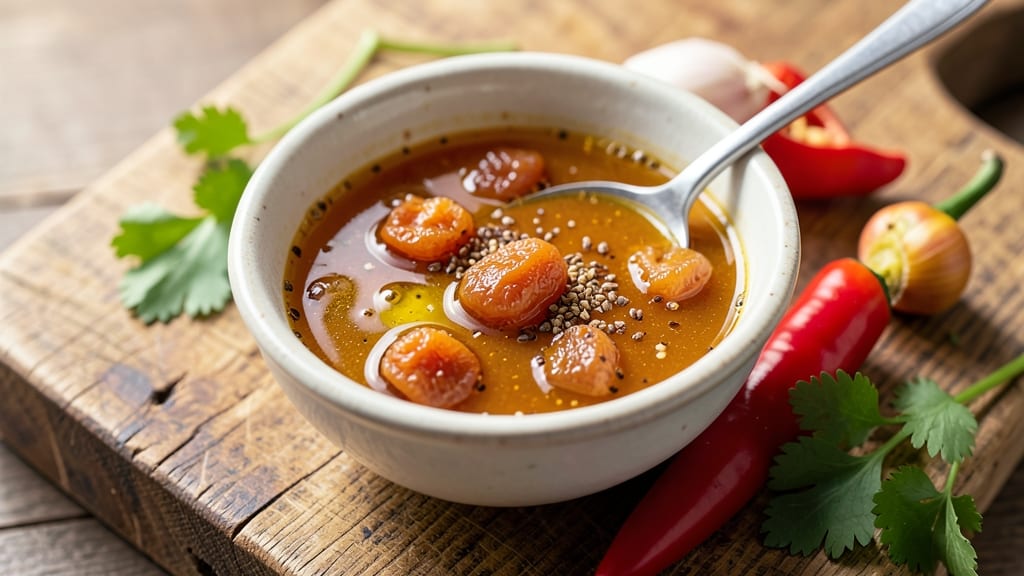
This apricot hot sauce recipe transforms humble apricots into a vibrant, balanced condiment that marries sweet fruit with fiery heat. The process is straightforward—simmering dried apricots with vinegar, chili peppers, and spices creates a liquid gold that’s perfect for dipping, drizzling, or marinating.
Unlike store-bought versions, this sauce delivers depth and complexity with just a few pantry staples.
The key to success lies in balancing sweetness and heat, which I achieve by controlling the cooking time and adjusting the pepper-to-fruit ratio. A quick blend ensures a smooth, velvety texture without losing the apricot’s natural jammy richness.
This sauce shines as a glaze for grilled meats, a tangy dip for chips, or a bold topping for tacos and bowls.
What sets this recipe apart is its versatility—it’s bold enough to stand alone but subtle enough to enhance other flavors. The apricots caramelize slightly during cooking, adding layers of molasses-like depth that complement the chili’s sharpness.
Once bottled, the flavors meld beautifully over time, making it even more delicious with each use.
Storage is simple: refrigerate for up to 2 weeks or extend shelf life by canning. For best results, let the sauce sit for 24 hours before using, allowing the flavors to fully develop. Ready in under 30 minutes, this foolproof recipe delivers restaurant-quality heat with a sweet twist.
Ingredients for apricot hot sauce
Nine ingredients transform into a vibrant, balanced apricot hot sauce with restaurant-quality depth.
| Ingredient | Amount | Notes |
|---|---|---|
| Dried Apricots 🍑 | 1 cup | Pitted, roughly chopped for texture |
| Red Wine Vinegar 🍷 | ½ cup | Balsamic adds depth if preferred |
| Fresh Chili Peppers 🌶️ | 2 whole | Serrano or jalapeño for balanced heat |
| Garlic Cloves 🧄 | 3 cloves | Peeled, lightly crushed for aroma |
| Granulated Sugar 🍚 | ¼ cup | Adjust to balance sweetness |
| Ground Cumin 🌿 | ½ tsp | Toasted for enhanced flavor |
| Ground Coriander 🌿 | ¼ tsp | Adds citrusy depth to sauce |
| Salt 🧂 | ½ tsp | Diamond Crystal preferred |
| Extra-Virgin Olive Oil 🫒 | 2 tbsp | For richness and smooth texture |
| Water 💧 | ½ cup | Adjust for desired consistency |
The dried apricots are the heart of this sauce—opt for organic, unsulfured varieties from Whole Foods or Trader Joe's for the best flavor. The red wine vinegar should be aged at least two years for complexity, though regular grocery store brands work in a pinch. Fresh chili peppers are non-negotiable; Serrano peppers provide a balanced heat, while jalapeños offer milder sweetness. Toast your spices—cumin and coriander—briefly in a dry pan to deepen their aromatic profiles before adding to the sauce. The extra-virgin olive oil should have a peppery finish; California-grown oils like Corto or Pompeian elevate the final product.
No dried apricots? Dried plums or mango work as substitutes, though the flavor profile shifts slightly. Running short on fresh chilis? Red pepper flakes at half the amount deliver similar heat, though they lack the fruity complexity. The sugar can be swapped for maple syrup or agave nectar for a more nuanced sweetness. For a smokier profile, add ½ teaspoon smoked paprika to the spice blend. The sauce thickens as it cools, so add water in 1-tablespoon increments if needed for a pourable consistency. For heat adjustment, blend in additional chili peppers after initial cooking.
Store the sauce in a sterilized glass jar with an airtight seal to preserve its vibrant color and bold flavors. It keeps for up to 2 weeks refrigerated, though the flavors deepen over time. For longer storage, canning extends shelf life to 6-12 months—simmer the sauce for an additional 10 minutes before bottling. Portion into small jars for easy use; a 1-ounce serving pairs perfectly with grilled meats or spicy dishes. The sauce also freezes beautifully for up to 6 months, though texture may separate slightly upon thawing.
Why You'll Love This Recipe
- Five-Ingredient Magic: I swear, this sauce comes together with stuff you already have—no specialty shopping needed. Just toss dried apricots, vinegar, and peppers into a pot, let them simmer until the flavors marry, and boom. The sugar balances the heat without overpowering, and the garlic? It’s the unsung hero here.
- Sweet Heat Balance: Honestly, the contrast is what makes this sauce ridiculously good. The jammy, caramelized apricots cut through the sharp vinegar and fresh chili heat like a cool breeze. It’s not just spicy—it’s layered, with that lingering sweetness that makes you reach for seconds.
- Pantry to Party: This sauce is my secret weapon for lazy Sundays or last-minute dinner guests. Drizzle it over grilled chicken, mix it into marinades, or serve it as a dip with chips—no one will guess it’s made from pantry staples. (Yes, even on a Tuesday night.)
- Make-Once, Use Often: Between us, I’ve had this sauce last me weeks in the fridge. The vinegar acts like a natural preservative, and the flavor only deepens over time. Plus, it’s cheap to make—dried apricots and vinegar stretch far, so you’re not breaking the bank for something this flavor-packed.
Step-by-step instructions for apricot hot sauce
This method delivers a perfectly balanced sauce where sweet apricots and bold spices harmonize with precise heat control.
Prepare the Apricot Base
In a medium saucepan, combine the 1 cup dried apricots, 0.5 cup red wine vinegar, and 0.5 cup water. Bring to a gentle boil over medium heat, then immediately reduce to a simmer. Let the mixture cook uncovered for 10-12 minutes until the apricots soften and begin to break down into a thick, jam-like consistency.
Here's the thing—you want the apricots to dissolve just enough to release their natural sweetness and texture, but not so much that they turn to mush. Stir occasionally, breaking up any large chunks with a wooden spoon. You'll know it's ready when the mixture thickens noticeably and the apricot pieces become pliable between your fingers. This step forms the sweet foundation of your sauce, so don't rush it.
Build the Spice and Flavor Base
While the apricot mixture simmers, heat the 2 tbsp extra-virgin olive oil in a small skillet over medium-low heat. Add the 2 whole fresh chili peppers (seeds removed for balanced heat) and 3 cloves garlic cloves, lightly crushing the garlic first. Cook for 3-4 minutes until the garlic becomes fragrant and the chili peppers begin to soften slightly but aren't browned.
Remove the skillet from heat and let the garlic-chili mixture cool for 2 minutes. This prevents the spices from releasing bitterness when combined with the acidic apricot mixture. The goal is to infuse the oil with flavor without burning the delicate spices. Once cooled, transfer the garlic and chili peppers to the saucepan with the apricot mixture, along with the 0.25 cup granulated sugar, 0.5 tsp ground cumin, 0.25 tsp ground coriander, and 0.5 tsp salt. Stir everything together thoroughly.
Simmer and Reduce for Depth
Return the saucepan to medium-low heat and let the mixture simmer uncovered for 15-20 minutes. As it cooks, the sauce will thicken and the flavors will meld together. Stir occasionally to prevent sticking and ensure even distribution of the spices.
You're looking for a sauce that coats the back of a spoon with a glossy sheen—this indicates proper reduction and concentration of flavors. The sweetness should be balanced with the acidity of the vinegar and the heat from the chili peppers. If the sauce becomes too thick before reaching the desired flavor balance, add 1-2 tablespoons of water to adjust the consistency. The sauce should be thick enough to coat but still pourable.
Strain and Finish
Once the sauce has reached your desired consistency and flavor balance, remove it from heat and let it cool for 5 minutes. Then, strain it through a fine-mesh sieve into a clean bowl or jar, pressing gently on the solids to extract as much flavor as possible. Discard the solids or compost them—they've given everything they've got to the sauce.
Taste the strained sauce and adjust the seasoning if needed. You might want to add a pinch more salt to enhance the flavors or a bit more sugar to balance the acidity. The sauce should have a vibrant red-orange color with visible flecks of chili and garlic. Transfer the hot sauce to a sterilized jar and let it cool completely before sealing. This sauce will keep in the refrigerator for up to 2 weeks, developing even more complex flavors as it sits.
Pro Tips For Making Apricot Hot Sauce
- SOAK THE APRICOTS FIRST: Dried apricots are stubborn—toss them in warm water for 10 minutes before chopping. They’ll soften enough to blend smoothly, not turn your sauce into a gritty, sad paste. (Yes, I’ve made that mistake.)
- BLISTER THE CHILIS: Char the whole peppers directly over a gas flame or under a broiler for 3-4 minutes per side first. The smoky depth cuts through the sweetness, and the skins slip off easier. Skip this, and you’re left scraping charred bits off your garlic later.
- SIMMER LOW AND LONG: This isn’t a 5-minute dump-and-blend. Simmer uncovered on medium-low for at least 20 minutes—let the vinegar reduce and the flavors marry. Rushing it leaves you with a thin, tangy glaze instead of a rich, balanced sauce. (Your patience will pay off.)
- STRAIN THE GARLIC: After mincing, let the raw garlic sit in cold water for 5 minutes, then drain. This removes the bitterness that overpowers the apricot’s sweetness. I was skeptical until I tried it—now it’s non-negotiable.
Wine and beer pairings for this dish
Sweet Wine Pairings
This apricot hot sauce’s fruity depth pairs beautifully with dry white wines that can stand up to its sweetness while cutting through the heat. A crisp Sauvignon Blanc from New Zealand—like Kim Crawford—brings zesty citrus notes that complement the apricot’s jammy richness.
The wine’s acidity balances the sauce’s sweetness, creating a refreshing contrast. 🍷
Bold Red Wine Matches
For heartier pairings, try a Pinot Noir with bright fruit flavors—La Crema Russian River Valley works wonderfully. The wine’s red fruit notes mirror the apricot, while its earthy undertones harmonize with the cumin and coriander in the sauce.
Avoid heavy tannins; opt for lighter-bodied reds to avoid overpowering the delicate heat.
Beer Pairing Tips
A Belgian witbier like Hoegaarden is a fantastic choice—its coriander and citrus notes echo the sauce’s spices and apricot sweetness. For a malty option, try an amber ale such as Fat Tire, which provides a smooth, slightly sweet backdrop that enhances the sauce’s complexity.
Avoid hoppy IPAs, as they’ll clash with the fruity depth.
Cocktail Integration
Use this sauce in cocktails to elevate your drinks! A gin and tonic with ½ teaspoon of sauce adds a sweet-spicy kick that pairs perfectly with Hendrick’s gin.
For a non-alcoholic option, mix 1 tablespoon of sauce with sparkling water and a squeeze of lime for a refreshing twist. 🍹
Regional Variations
In Texas, where bold flavors reign, this sauce shines with BBQ ribs and a Chardonnay from Paso Robles. Meanwhile, in California, a Riesling with its honeyed notes enhances the apricot’s sweetness, making it ideal for grilled chicken dishes.
The key is matching the wine’s fruitiness to the sauce’s apricot base.
Nutrition facts
Frequently asked questions
Can I use fresh apricots instead of dried?
Fresh apricots won't work for this recipe—they lack the concentrated sweetness and jammy texture needed to balance the heat. Dried apricots caramelize beautifully during cooking, creating the rich base that makes this sauce special. If you're set on fresh fruit, try peaches or plums instead, but adjust the cooking time to 15-20 minutes for proper softening.
How do I adjust the heat level?
For milder heat, remove the seeds and membranes from the chili peppers before cooking. For extra spice, blend in 1-2 extra fresh peppers after straining or add ¼ teaspoon red pepper flakes during the final simmer. Always taste as you go—heat builds gradually!
What if my sauce is too thick/thin?
For thicker sauce, simmer uncovered for 5-10 extra minutes to reduce. If too thin, stir in 1 tablespoon cornstarch mixed with 2 tablespoons water and simmer for 2 minutes. Avoid adding extra water—it dilutes the concentrated flavors. The ideal consistency coats the back of a spoon but remains pourable.
Can I make this sauce without vinegar?
Vinegar is essential for balancing sweetness and preserving the sauce, but you can substitute apple cider vinegar or lemon juice in a pinch. For a non-acidic option, use ½ cup orange juice plus 1 teaspoon citric acid, though the flavor will differ slightly. The acidity prevents mold growth during storage.
How should I store homemade hot sauce?
Refrigerate in a sterilized glass jar for up to 2 weeks. For longer storage, can the sauce using a water bath method (10 minutes for pints) or freeze in ice cube trays for 6 months. Always label with the date—properly stored sauce tastes even better after 24 hours as flavors meld.