
Sauces & Condiments
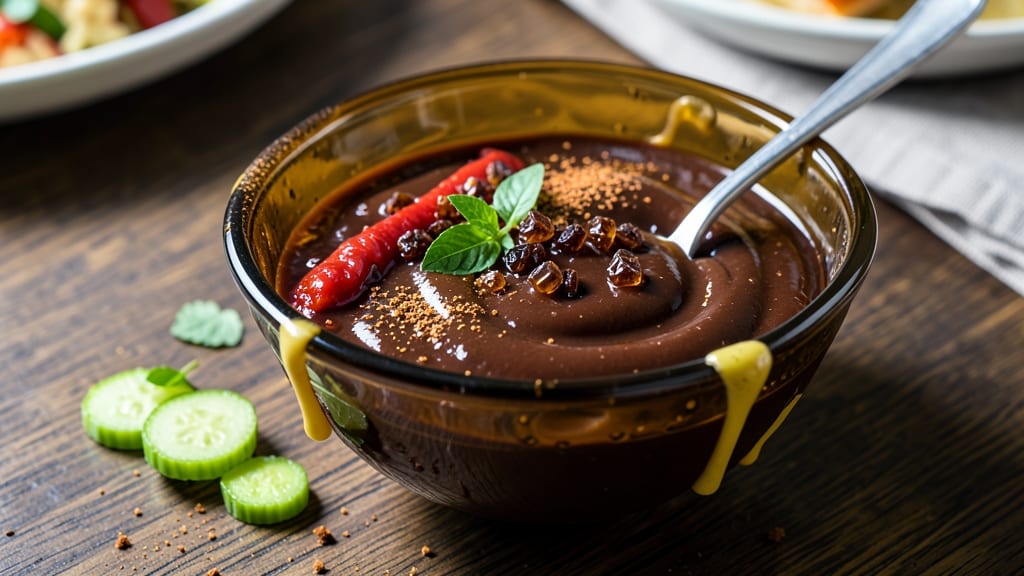
This Louisiana licker sauce recipe transforms grilled meats into unforgettable masterpieces with its perfect balance of smoky, sweet, and fiery heat. Born in the heart of Cajun cuisine, this tangy glaze cuts through richness while adding layers of depth that make every bite sing.
The secret lies in slow-cooked vinegar, caramelized spices, and a touch of horseradish that lingers on the palate.
What sets this sauce apart is its versatility—it elevates everything from fried chicken to grilled shrimp, even as a bold cocktail garnish. Unlike commercial versions, this recipe builds flavor through simmering, allowing the vinegar to mellow while spices deepen.
The result? A sauce that’s bold enough for a Sunday brunch but refined enough for a dinner party.
With just 10 minutes of prep and 30 minutes of simmering, you’ll have a sauce that’s restaurant-quality without the fuss. The smoky aroma alone will draw everyone to the table, but the first taste—where sweet, spicy, and tangy collide—will make it a staple in your kitchen.
Perfect for dipping, drizzling, or stirring into cocktails, this sauce is the ultimate Southern secret weapon.
Store it in the fridge for up to 2 weeks, or freeze for longer shelf life. The longer it sits, the better it tastes—flavors meld and deepen with time. Whether you’re grilling, frying, or just craving a bold flavor boost, this sauce delivers every time.
Ingredients for louisiana licker sauce
Ten bold ingredients that pack a punch—sweet, smoky, and fiery all in one.
| Ingredient | Amount | Notes |
|---|---|---|
| Apple Cider Vinegar 🍎 | 1 ½ cups | Raw, unfiltered preferred |
| Dark Brown Sugar 🍬 | 1 cup | Packed firmly, no substitutes |
| Hot Sauce 🌶️ | ½ cup | Crystal or Tabasco preferred |
| Prepared Mustard 🥬 | ¼ cup | Dijon or yellow, no sugar added |
| Fresh Horseradish 🌿 | ¼ cup | Freshly grated, not paste |
| Smoked Paprika 🌶️ | 1 tbsp | For deep smoky flavor |
| Ground Black Pepper 🌶️ | ½ tsp | Freshly cracked for heat |
| Garlic Cloves 🧄 | 3 cloves | Minced finely for depth |
| Salt 🧂 | 1 tsp | Kosher or sea salt |
| Cayenne Pepper 🔥 | ½ tsp | Adjust for heat preference |
The vinegar is the soul of this sauce—raw, unfiltered apple cider gives that authentic tang. Grab a bottle labeled 'raw' or 'unpasteurized' from the Whole Foods or Trader Joe's vinegar aisle. For the sugar, dark brown is non-negotiable—light brown won't caramelize right. The horseradish? Freshly grated makes all the difference—none of that pre-packaged stuff. I always double-check the hot sauce label too—Crystal or Tabasco have that classic kick without weird additives.
No raw vinegar? White vinegar works in a pinch, but it'll taste sharper. Skip the honey—this sauce is all about that vinegar-sugar balance. Fresh horseradish unavailable? Substitute with 1 tbsp prepared horseradish paste, but you'll lose some freshness. For the mustard, Dijon has more depth than yellow, but either works. Want it sweeter? Add 1 tbsp more sugar. Need more heat? Double the cayenne—just don't blame me if your cocktail garnish becomes a weapon.
This sauce gets better with time—let it sit for at least 4 hours before using. Store in a glass jar in the fridge for up to 2 weeks, or freeze for 6 months. The flavors meld like magic, so don't rush it. I always make a double batch—one for grilling, one for cocktails. The longer it sits, the more complex it gets—trust the process. If it separates, just stir it before using.
Why You'll Love This Recipe
- Five-Ingredient Magic: I swear, this sauce is the kind of recipe that makes you question why you ever bought store-bought. Apple cider vinegar and brown sugar alone do the heavy lifting—tangy-sweet with just a hint of smoky depth—while the horseradish sneaks in that kick that keeps it interesting.
- Pantry Staple Power: Between us, I never have to run to the store for this. My fridge’s apple cider vinegar and that jar of mustard I’ve had since college? They’re the stars here. Even the hot sauce I grab for tacos gets pressed into service—no extra shopping, just pure flavor.
- Game for Any Meal: Slather it on fried chicken or toss it with roasted Brussels sprouts—this stuff doesn’t play favorites. I’ll be real: it’s my go-to for lazy Sunday brunches, but it also elevates a simple grilled cheese when I’m craving something with attitude.
- Leftovers That Last: Make a double batch and thank me later. The vinegar and sugar keep it shelf-stable for weeks, and the horseradish’s sharpness mellows just enough to make it even better the next day. My freezer’s always got a jar labeled “emergency flavor”—this is it.
Step-by-step instructions for Louisiana licker sauce
This bold sauce comes together in one pot with a perfect balance of sweet, spicy, and tangy flavors.
Combine Vinegar and Sugar for the Base
In a medium saucepan over medium-high heat, pour in the 1.5 cups apple cider vinegar and 1 cup dark brown sugar. Stir until the sugar begins to dissolve completely—this should take about 3-4 minutes. You'll see the mixture bubble gently and start to thicken slightly.
Here's where the magic begins: the vinegar's acidity will react with the sugar, creating a beautiful caramelized base. Keep stirring occasionally to prevent sticking—this is your foundation, so don't rush it. The mixture should smell like a sweet, tangy perfume when it's ready for the next ingredients.
Add Mustard, Horseradish, and Spices
Reduce heat to medium-low and stir in the 0.25 cup prepared mustard, 0.25 cup fresh horseradish, 1 tbsp smoked paprika, 0.5 tsp ground black pepper, 0.5 tsp cayenne pepper, and 1 tsp salt. Mix thoroughly until all the spices are fully incorporated and you see them evenly distributed throughout the sauce.
I like to press the horseradish through a fine-mesh strainer first to remove any fibrous bits—this keeps the sauce silky smooth. The cayenne will make the sauce shimmer slightly, and the smoked paprika will give it that deep, woodsy aroma that's so characteristic of Louisiana flavors. Let this mixture simmer gently for 5 minutes to allow the spices to bloom and infuse their flavors.
Incorporate Garlic and Hot Sauce
Add the 3 minced garlic cloves and 0.5 cup hot sauce to the saucepan. Stir continuously for 2-3 minutes until the garlic becomes fragrant—you'll know it's ready when the aroma fills your kitchen. The hot sauce will give the sauce its signature kick, while the garlic adds depth and complexity.
Watch the sauce carefully during this step. If it starts to bubble too vigorously, reduce the heat slightly to maintain a gentle simmer. You want the flavors to meld without the sauce reducing too quickly—we're building layers here, not concentrating it yet. The sauce should be thick enough to coat the back of a spoon but still have some body to it.
Simmer and Reduce to Perfect Consistency
Continue simmering the sauce uncovered for 20-25 minutes over medium-low heat, stirring occasionally. You're looking for the sauce to reduce by about half and become syrupy—it should coat a spoon thickly but still flow smoothly. The color will deepen to a rich amber, and the flavors will intensify.
Here's the thing—I like to taste it as it reduces. At first, it'll be too sharp and acidic, but as it simmers, the sweetness and heat will come forward. Adjust the heat to low during the last 5 minutes to prevent over-reducing. The sauce should be glossy and able to glaze meat beautifully without being too thin or too thick.
Cool and Rest for Maximum Flavor
Remove the saucepan from heat and let the sauce cool to room temperature. This resting period is crucial—it allows the flavors to fully meld and the sauce to thicken slightly as it cools. I like to transfer it to a clean jar and let it sit for at least 1 hour before using.
If the sauce thickens too much as it cools, you can thin it with a splash of warm water or apple cider vinegar. Store any leftovers in the refrigerator for up to 2 weeks, though I rarely have any left—this sauce disappears quickly! The flavors will actually improve over time, developing even more complexity.
Pro Tips For Making Louisiana Licker Sauce
- STRAIN THE HORSERADISH: Fresh horseradish is a game-changer, but if you’re not careful, you’ll end up with a sauce that looks like it’s fighting for its life. Grate it fine—think wet sand, not coarse shavings—and immediately mix it into the warm vinegar base. If you skip this, you’ll regret it when the sauce separates or tastes bitter. (Yes, even if you’re impatient like me.)
- COMBINE DRY INGREDIENTS FIRST: I used to dump everything into the pot willy-nilly, and the brown sugar would clump into a stubborn brick. Instead, whisk the dark brown sugar, mustard, and a splash of vinegar together in a bowl first—this breaks up the sugar and makes it dissolve smoothly. No lumps, no fishing for stuck bits later.
- TAMP DOWN THE HEAT: Louisiana licker sauce needs heat, but not a slow simmer that turns it into a sad, watery glaze. Bring the vinegar to a gentle boil first, then reduce to a low simmer—think tiny bubbles, not a rolling pot. If you rush this, the horseradish will cook out its kick, and the hot sauce will lose its punch. (Your future self will thank you.)
- USE THE RIGHT VINEGAR: Apple cider vinegar is non-negotiable, but not all bottles are created equal. If yours tastes mellow or overly sweet, swap it for a sharper, cloudy variety—like the kind you’d find in a cider mill. The acidity needs to cut through the sugar and mustard, not get lost in them. (I learned this the hard way after making sauce that tasted like dessert.)
Pro cooking tips for perfect results
Simmer Control
The key to perfect licker sauce lies in gentle, consistent heat—never let it boil vigorously. I use medium-low heat after the initial sugar dissolution to prevent scorching. If you see bubbles forming too quickly, reduce to low immediately.
The goal is a slow reduction that builds depth without burning the spices. A wide saucepan helps distribute heat evenly, preventing hot spots that can ruin the sauce's silky texture. 🌡️
Spice Blooming
After adding the smoked paprika, cayenne, and black pepper, let the sauce simmer for 5 minutes before adding garlic and hot sauce. This step, called spice blooming, allows the flavors to develop fully. Stir occasionally to prevent settling—ground spices can clump and burn if left undisturbed.
I like to taste the sauce at this stage; you'll notice the smoky depth from the paprika and the warmth from the cayenne before the sharpness kicks in.
Garlic Timing
Add the minced garlic only after the spices have bloomed—this ensures it infuses without burning. Stir continuously for 2-3 minutes until fragrant. Overcooking garlic turns it bitter, so keep an eye on the sauce.
If it starts to darken too quickly, reduce heat immediately. The garlic should smell aromatic and sweet, not harsh or burnt. This is where the sauce's complexity really starts to shine. 🧄
Reduction Precision
For the final 20-25 minutes, maintain a gentle simmer—the sauce should reduce by about half while maintaining a glossy sheen. If it thickens too quickly, add 1 tablespoon of vinegar to balance the consistency.
I like to taste it every 5 minutes after the first 10 minutes of reduction. The sweetness should mellow, and the heat should become more pronounced. The perfect consistency coats the back of a spoon but still flows smoothly when drizzled. ⚡
Resting Matters
Never skip the 1-hour resting period—this allows flavors to meld and the sauce to thicken naturally. I transfer it to a clean jar and let it sit at room temperature before refrigerating. The resting time also lets the horseradish's heat and vinegar's tang integrate without overpowering.
If you're impatient, refrigerate for 30 minutes first, then finish resting at room temperature. Patience here makes all the difference in the final product.
Thinning Tricks
If the sauce thickens too much after cooling, thin it with warm water or vinegar—never cold liquids, as they can shock the flavors. Start with 1 teaspoon and adjust gradually. For extra gloss, add ½ teaspoon of corn syrup while reheating.
The sauce should be syrupy but pourable, perfect for glazing or dipping. I always test it on a small piece of meat first to ensure the right consistency for your dish. 💫
Nutrition facts
Frequently asked questions
Can I make this sauce without fresh horseradish?
Yes, but you'll lose some freshness and complexity. Use 1 tablespoon of prepared horseradish paste instead of the 0.25 cup fresh horseradish called for. For extra heat, add an additional ¼ teaspoon of cayenne pepper. The sauce will still be delicious, just slightly less vibrant.
How spicy should the sauce be?
The recipe balances sweet, smoky, and spicy flavors perfectly. For mild heat, reduce the cayenne pepper to ¼ teaspoon and skip the extra horseradish. For extra kick, add ½ teaspoon more cayenne or 1 tablespoon of hot sauce. Taste as you simmer—adjust gradually! The sauce's heat builds during reduction, so go easy at first.
What's the best way to use this sauce?
This versatile sauce excels as a glaze for grilled meats (especially chicken or pork), a dipping sauce for fried shrimp or oysters, or even a cocktail garnish. Drizzle it over blackened catfish or use it to deglaze a pan after searing. For extra richness, stir it into mac and cheese or slather it on cornbread. The possibilities are endless!
Why does my sauce look too thin or too thick?
If too thin, simmer uncovered for 5-10 more minutes to reduce. For thickening, mix 1 teaspoon of cornstarch with 1 tablespoon cold water, stir into the sauce, and simmer until thickened. If too thick after cooling, thin with 1 teaspoon warm water or vinegar. The ideal consistency coats a spoon but drizzles smoothly. Always taste as you go!
Can I make this sauce ahead of time?
This sauce tastes even better after resting. Make it 1-2 days ahead and store in an airtight container in the fridge. Flavors meld beautifully over time, becoming more complex. For long-term storage, freeze in ice cube trays—thaw and reheat gently for perfect consistency. The longer it sits, the more amazing it gets!