
Sauces & Condiments
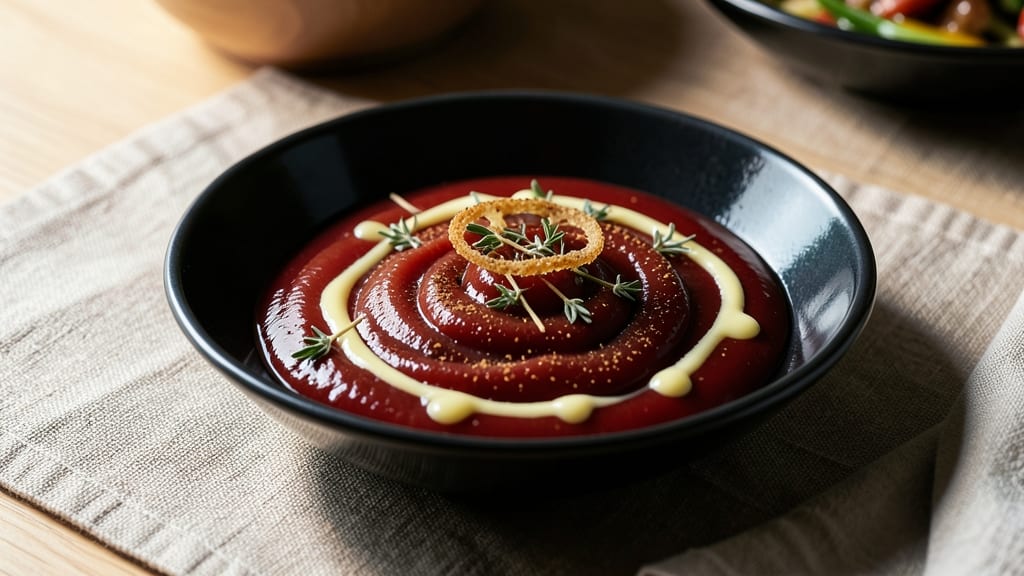
This army navy sauce recipe transforms grilled meats into bold, restaurant-worthy centerpieces with just a few pantry staples. The tangy-sweet glaze—built on a base of ketchup, vinegar, and Worcestershire—packs layers of mustard heat and aromatic herbs that cut through rich proteins like butter.
I’ve perfected this version to deliver that signature tang without overpowering the meat, making it my go-to for everything from steaks to roasted chicken.
The magic lies in balancing the acidity of vinegar with the depth of Worcestershire, while mustard and paprika add warmth and complexity. Optional anchovies (for non-vegan versions) contribute umami richness, but even without them, the sauce remains vibrant and full-bodied.
What sets this apart is how it clings to meat, creating a caramelized crust that amplifies every bite—no drippy, watery glaze here.
Once made, this sauce keeps beautifully in the fridge for up to 2 weeks, so you can batch-prep for grilling season. The ingredients are simple—ketchup, vinegar, Worcestershire, mustard, and spices—but the result is a bold, versatile glaze that elevates any protein.
Whether you’re searing steaks, basting chicken, or tossing with roasted vegetables, this sauce delivers professional-level flavor with minimal effort.
Ready in just 15 minutes, it’s the perfect way to add restaurant-quality depth to your meals. Let’s make it—your taste buds will thank you.
Ingredients for army navy sauce
Nine pantry staples transform into a restaurant-quality glaze that clings to meat like magic.
| Ingredient | Amount | Notes |
|---|---|---|
| Ketchup 🍅 | ½ cup | High-quality, smooth variety |
| White Vinegar 💧 | ¼ cup | Distilled or apple cider |
| Worcestershire Sauce 🍯 | 2 tbsp | Lea & Perrins preferred |
| Dijon Mustard 🌶️ | 1 ½ tbsp | Mild or medium heat |
| Smoked Paprika 🌶️ | 1 tbsp | For depth and color |
| Dried Thyme 🌿 | 1 tsp | Or 1 tbsp fresh thyme |
| Garlic Powder 🧄 | 1 tsp | Freshly ground preferred |
| Onion Powder 🧅 | ½ tsp | For subtle sweetness |
| Anchovy Fillets 🐟 | 2 whole | Optional for umami (omit for vegan) |
| Granulated Sugar 🍚 | 1 tbsp | Balances acidity |
The ketchup and vinegar are your foundation—Heinz or Hunt’s for ketchup, and any white vinegar works. Worcestershire sauce is non-negotiable here; Lea & Perrins is the gold standard, but any good brand will do. For the mustard, Dijon-style (like Maille) adds that signature tang—regular yellow mustard works in a pinch, but the texture won’t be as refined. The smoked paprika gives it that signature depth, so don’t skip it. I always grab mine from Penzeys or the bulk section at Whole Foods—it makes a noticeable difference.
No anchovies? No problem—this sauce still shines without them. If you’re avoiding them, just boost the Worcestershire by another tablespoon. Fresh thyme is ideal, but dried works at one-third the amount. The garlic and onion powders can be swapped for fresh if you’re feeling fancy—just mince 1 clove of garlic and 1 tbsp of onion and sauté them lightly before adding to the sauce. For the sugar, brown sugar works too, but it’ll give a slightly caramelized note. And if you’re worried about the heat from the mustard, start with 1 tablespoon and adjust to taste—you can always add more.
This sauce keeps beautifully in the fridge for up to 2 weeks in an airtight container, so make a big batch and store it for your next grilling session. It also freezes wonderfully for up to 6 months, making it perfect for meal prep. When reheating, warm it gently on the stove—no need to boil it down. If it thickens too much, just add a splash of water or vinegar to loosen it up. Trust me, the leftovers taste even better the next day as the flavors meld together.
Why You'll Love This Recipe
- I’ll be real: this sauce is the kind of recipe that makes me feel like a genius for remembering it. Five pantry staples—ketchup, vinegar, Worcestershire, mustard, and smoked paprika—come together in minutes with no fancy tools. The only real effort is stirring, and honestly? That’s half the battle won.
- Here’s what sold me: the Worcestershire and smoked paprika turn this from "ketchup upgrade" to "flavor explosion." That tangy, slightly sweet heat lingers just enough to make fries, burgers, or even deviled eggs taste like you spent hours in the kitchen. (Spoiler: You didn’t.)
Step-by-step instructions for army navy sauce
This bold mustard-herb glaze delivers rich depth with just a few simple steps.
Combine Base Ingredients in a Saucepan
In a medium saucepan, whisk together the 0.5 cup ketchup, 0.25 cup white vinegar, and 2 tbsp Worcestershire sauce over medium heat. The vinegar will add bright acidity that balances the sauce's richness, while the Worcestershire brings that signature umami complexity. Let the mixture simmer gently for 3-4 minutes until it begins to bubble softly and the ketchup loses its thick, chunky texture.
Here's the thing—don't rush this step. You're building the foundation, and letting these ingredients meld together creates a smoother base. The sauce should reduce slightly, becoming slightly thinner but still cohesive. If you see it thickening too quickly, reduce the heat to low and keep stirring occasionally with a wooden spoon to prevent scorching.
Add Mustard, Spices, and Sweetener
Lower the heat to medium-low and stir in the 1.5 tbsp Dijon mustard, 1 tbsp smoked paprika, 1 tsp garlic powder, 0.5 tsp onion powder, and 1 tbsp granulated sugar. The Dijon mustard will give the sauce its signature tangy bite, while the smoked paprika adds that signature warm, slightly smoky depth. The sugar isn't just for sweetness—it balances the acidity from the vinegar and helps caramelize the sauce when you finish cooking.
Let the mixture simmer for another 4-5 minutes, stirring frequently. You'll notice the sauce darkening slightly and developing a glossy sheen—that's when you know the flavors are integrating. If you're using the 2 whole anchovy fillets, add them now and let them dissolve completely into the sauce. They'll contribute a subtle umami punch that elevates everything.
Incorporate Herbs and Simmer to Perfection
Add the 1 tsp dried thyme and stir once more. The thyme will infuse the sauce with an earthy, slightly floral note that complements the mustard and vinegar beautifully. Let the entire mixture simmer for another 5 minutes, stirring occasionally. The sauce should now be smooth, glossy, and slightly thickened—it should coat the back of a spoon without being syrupy.
Taste and adjust the seasoning if needed. If it's too sharp, add a pinch more sugar. If it's too mild, a splash more vinegar or a pinch of salt can help. The sauce should have a perfect balance of sweet, tangy, smoky, and umami flavors. Once you're happy with the taste, remove the pan from heat and let it cool slightly. The sauce will thicken further as it cools, so don't worry if it looks a bit loose while warm.
Strain and Store for Maximum Flavor
For a completely smooth sauce, strain it through a fine-mesh sieve into a clean bowl or jar. This removes any anchovy bits or thyme stems, leaving you with a velvety glaze. If you prefer a slightly textured sauce, skip the straining—those tiny bits add depth. The sauce is now ready to use immediately, but it will taste even better if you let it sit in the refrigerator for at least 1 hour before using. This allows all the flavors to meld together perfectly.
Store any leftovers in an airtight container in the fridge for up to 2 weeks. The sauce actually improves with time, developing even more complex flavors. When you're ready to use it, simply reheat it gently in a small saucepan over low heat, stirring occasionally, until warmed through. This sauce is incredible on grilled meats, roasted vegetables, or even as a dip for fries.
Pro Tips For Making Army Navy Sauce
- STIR CONSTANTLY: Army navy sauce is no time for lazy stirring—simmer it on medium-low heat while giving it a solid 10 minutes of active attention. I learned this the hard way when I walked away for "just a minute," and suddenly my sauce had a scorched bottom that no amount of thinning could fix.
- USE REAL VINEGAR: Skip the "distilled" label on white vinegar—you want the sharp, tangy stuff. Cheap vinegar tastes like vinegar; quality vinegar (like apple cider or good white) adds depth that makes the sauce taste like it was made by someone who actually cares.
- SALT THE KETCHUP: Most store-bought ketchup is salted, but if yours isn’t, add a pinch of salt directly to the pot before combining with the other ingredients. Trust me, you’ll taste the difference—especially when this sauce hits a hot dog or fries.
- WHISK IN THE MUSTARD: Don’t just dump the Dijon in—whisk it into the warm sauce first. Cold mustard clumps like a stubborn lump, and nothing ruins a smooth sauce faster than a glob of unincorporated mustard. A quick 30-second whisk makes all the difference.
Wine and beer pairings for this army navy sauce
Red Wine Pairings
A bold, medium-bodied red like Chianti from Tuscany is my go-to match—its bright acidity and cherry notes cut through the sauce’s mustard tang beautifully.
The tannins in Chianti also stand up to the smoky paprika, creating a harmonious balance. 🍷 For something lighter, try a Pinot Noir from Oregon; its red fruit flavors complement the sauce without overpowering it.
White Wine Options
If you prefer white, a crisp Sauvignon Blanc with citrus and herbal notes works surprisingly well. Look for one from New Zealand or Loire Valley—their zesty acidity mirrors the vinegar in the sauce.
A dry Riesling from Germany also pairs elegantly, especially if you prefer a touch of sweetness to balance the mustard’s heat.
Beer Pairings
For beer lovers, a Belgian-style witbier like Hoegaarden brings refreshing citrus and spice notes that contrast the sauce’s richness. Alternatively, a hoppy IPA (like Sierra Nevada Pale Ale) cleanses the palate between bites. If you’re grilling with friends, a dark lager like Stella Artois offers a smooth, malty balance.
Non-Alcoholic Choices
Don’t drink? No problem. A sparkling ginger beer (like Feather Ginger Ale) adds a spicy kick that mirrors the sauce’s mustard heat. For something lighter, try a sparkling apple cider—its crisp acidity enhances the sauce’s tangy-sweet profile. Both options keep the meal lively without alcohol.
Serving Temperature Tips
Serve your red wine slightly cooler than room temperature (55-60°F) to highlight its fruit notes. Whites and beers should be chilled to 40-45°F for maximum refreshment. I always let my wine breathe for 10 minutes in the glass before sipping—it makes all the difference in flavor. 🍸
Nutrition facts
Frequently asked questions
Can I make this sauce without anchovies?
The anchovies add umami depth, but they're completely optional. For a vegan version, simply omit them and increase the Worcestershire sauce by 1 tablespoon to maintain that savory richness. The sauce will still have fantastic flavor—just slightly less intense.
How do I adjust the heat level?
The Dijon mustard provides the primary heat, so you can easily tweak it. Start with 1 tablespoon for mild, 1.5 tablespoons for medium, or up to 2 tablespoons for a spicier kick. If you prefer less tang, reduce the vinegar by 1 tablespoon and add 1/2 teaspoon more sugar to balance.
Can I use this sauce on vegetables?
Yes! This sauce works beautifully on roasted or grilled vegetables like Brussels sprouts, asparagus, or portobello mushrooms. The smoky-sweet glaze caramelizes beautifully on their edges. For best results, toss them in 1 tablespoon of olive oil first, then brush with the sauce during the last 5 minutes of cooking.
Why did my sauce turn out too thin?
Sauce thickness depends on simmering time. If yours is too thin, try simmering it uncovered for an extra 5-10 minutes to reduce it further. For immediate thickening, mix 1 teaspoon of cornstarch with 1 tablespoon of water, stir into the sauce, and simmer for 2 more minutes until it reaches your desired consistency.
How long can I store homemade Army Navy sauce?
This sauce keeps for up to 2 weeks in an airtight container in the refrigerator. For longer storage, transfer to a freezer-safe container and freeze for up to 6 months. Thaw overnight in the fridge before using. The flavors actually improve with time as the ingredients meld together!