
Sauces & Condiments
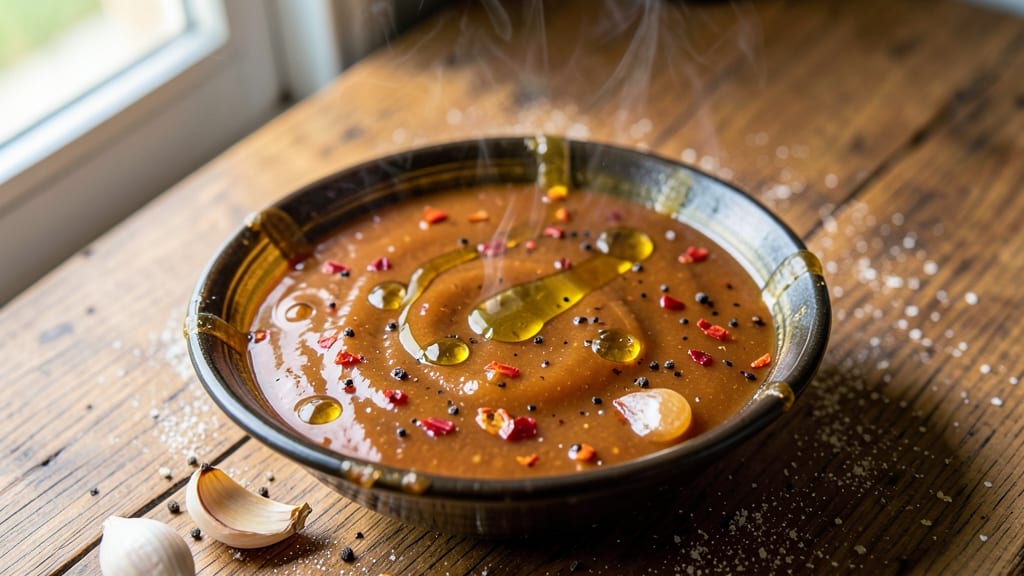
This apricot habanero hot sauce balances sweet fruit and fiery heat in a way that lingers without overwhelming—perfect for adding depth to tacos, grilled meats, or even cocktails.
The key lies in blending ripe apricot purée with habanero peppers, creating a sauce that delivers a slow-building burn with a smooth, fruity finish. I developed this recipe after years of experimenting with fruit-based hot sauces, and the result is a versatile condiment that elevates any dish without dominating it.
The process is straightforward but requires patience for the flavors to meld. You’ll start by blending habanero peppers, garlic, and vinegar into a base, then simmer it with apricot purée and sugar to balance the heat.
A brief fermentation period (optional but recommended) deepens the complexity, while aging in the fridge for at least a week ensures the flavors harmonize. This isn’t just another hot sauce—it’s a sweet-heat masterpiece that transforms ordinary meals into something extraordinary.
What sets this sauce apart is its ability to enhance rather than overpower. The apricot’s natural sweetness softens the habanero’s intensity, creating a smooth, lingering heat that pairs beautifully with rich, savory dishes.
Whether drizzled over grilled shrimp, stirred into marinades, or mixed into cocktails, this sauce adds a unique dimension that’s both bold and refined. The best part? It keeps well in the refrigerator for months, so you’ll always have a batch ready to elevate your cooking.
For those new to hot sauce making, don’t worry—this recipe is foolproof and forgiving. The habanero’s heat can be adjusted by reducing the quantity or removing seeds, while the apricot purée ensures the final product remains approachable.
Once you taste the balance of sweet and spicy, you’ll never reach for store-bought again. Let’s get started on crafting your own batch of this versatile, restaurant-worthy hot sauce.
Ingredients for apricot habanero hot sauce
Nine simple ingredients transform into a sweet-heat masterpiece perfect for tacos, grilled meats, or cocktails.
| Ingredient | Amount | Notes |
|---|---|---|
| Fresh Habanero Peppers 🌶️ | 4 whole | Seeds removed for milder heat |
| Garlic Cloves 🧄 | 4 cloves | Freshly minced for aromatic depth |
| White Vinegar 💧 | 1 cup | White or apple cider vinegar |
| Apricot Purée 🍑 | 1 ½ cups | Unsweetened, homemade or quality jarred |
| Granulated Sugar 🍚 | ½ cup | Adjust to taste for sweetness |
| Extra-Virgin Olive Oil 🫒 | ¼ cup | For smooth texture and richness |
| Salt 🧂 | 1 tsp | Kosher or sea salt preferred |
| Black Peppercorns 🌶️ | ½ tsp | Freshly cracked for subtle heat |
| Lemon Juice 🍋 | 1 tbsp | Freshly squeezed for brightness |
| Water 💧 | ½ cup | For thinning if needed |
The habanero peppers are the heart of this sauce, so pick ripe, vibrant ones—the redder, the better. Trader Joe's and Latin markets often carry the freshest, but any grocery store will do. If you're sensitive to heat, remove the seeds and membranes first (that's where most of the capsaicin lives). The garlic should be fresh—none of that pre-minced stuff in jars. For apricot purée, homemade is ideal (just blend peeled apricots and strain), but quality jarred works too. Look for brands without added sugar like Mott's or Bonnie Plant—you want pure fruit flavor. The sugar balances the heat, but don't skimp: you want that lingering sweetness to complement the habanero's fire.
No habanero peppers? Scotch bonnet or ghost pepper work in a pinch (reduce quantity by half), but nothing quite matches habanero's fruity heat. Running low on apricot purée? Mango purée or peach purée can substitute, though the flavor profile shifts slightly. Vinegar substitute? White wine or apple cider vinegar both work—just adjust the acidity to taste. The olive oil is non-negotiable for texture, but if you're avoiding it, avocado oil is a great alternative. Want to reduce sugar? Try agave nectar or honey (though honey isn't vegan). The lemon juice is key for brightness—if you're out, lime juice works too. For a smoother sauce, strain through a fine-mesh sieve after cooking; for texture, leave it chunky.
This sauce gets better with age—at least 1 week in the fridge lets the flavors meld beautifully. Store in a clean glass jar with a tight seal, and it'll keep for up to 6 months in the refrigerator. For gifting, sterilize small bottles and fill them while the sauce is still warm. The sauce thickens as it cools, so add water by the tablespoon if it's too stiff. Pro tip: Label your jars with the date and heat level (mild, medium, hot)—you'll thank yourself later when you're blindly reaching for it in the dark.
Why You'll Love This Recipe
- Five-Ingredient Magic: I swear, this sauce comes together with just habaneros, garlic, vinegar, apricot purée, and sugar—no fancy equipment or last-minute grocery runs. Honestly, the only prep is seeding those peppers (and maybe wiping a tear from your eyes if they’re fresh).
- Sweet Heat Balance: The apricot purée tames the habanero’s fire while keeping it alive—like a spicy hug with a fruity aftertaste. That garlic? It’s the secret weapon that turns this from "hot sauce" to "I’d eat this with a spoon."
- Party & Pantry Hero: Slather it on tacos, drizzle it over grilled chicken, or let your kids (carefully) dip fries in it. Between us, I’ve seen this sauce rescue burnt toast, bland takeout, and even a sad-looking charcuterie board. It’s the unsung MVP of any meal.
- Makes a Month’s Worth: One batch lasts forever—seriously, I’ve had this sitting in my fridge for weeks, and it only gets better. Plus, the vinegar and sugar preserve it naturally, so no weird preservatives or expensive glass bottles. Budget win, flavor win.
Step-by-step instructions for apricot habanero hot sauce
Here's how to balance sweet apricot depth with habanero fire for a sauce that's complex, balanced, and perfect for drizzling.
Prepare the Habanero Base
Begin by carefully removing the seeds and membranes from all 4 whole fresh habanero peppers—this reduces the heat while keeping the fruity depth. I like to wear gloves for this step; habanero oils are potent and can irritate skin. Once prepped, cut the peppers into ¼-inch chunks and transfer them to a heavy-bottomed saucepan.
Add the 4 cloves freshly minced garlic cloves and the 1 cup white vinegar to the pan. The vinegar serves as both a preservative and flavor enhancer, cutting through the habanero's intensity while highlighting its tropical notes. Bring this mixture to a boil over medium-high heat, then immediately reduce to medium-low heat and simmer uncovered for 10 minutes. You'll see the peppers soften and the mixture reduce slightly—this is when the raw flavors start melding together.
Blend and Sweeten the Mixture
After simmering, remove the pan from heat and let the mixture cool for 5 minutes. This prevents splattering when you blend. Using an immersion blender, purée the mixture directly in the pan until completely smooth. If you prefer, transfer it to a countertop blender—just be cautious with the hot liquid. Strain through a fine-mesh sieve to remove any remaining skin or pulp if you want an ultra-smooth texture.
Return the puréed mixture to the saucepan and add the 1.5 cups apricot purée, 0.5 cup granulated sugar, and 0.25 cup extra-virgin olive oil. The apricot purée adds natural sweetness and thickness, while the sugar balances the acidity and enhances the habanero's fruity undertones. Stir well to combine, then return the pan to medium heat. Let the mixture simmer gently for 15 minutes, stirring occasionally, until it thickens slightly and coats the back of a spoon.
Season and Simmer to Perfection
Reduce the heat to low and add the 1 tsp salt, 0.5 tsp freshly cracked black peppercorns, and 1 tbsp freshly squeezed lemon juice. The lemon juice brightens the flavors and cuts through the richness of the olive oil. Simmer for another 10 minutes, stirring frequently to prevent scorching. Taste the sauce at this stage—you should detect a harmonious blend of sweet, tangy, and spicy notes. If it's too thick, add 1-2 tablespoons of the 0.5 cup water at a time until it reaches your desired consistency.
For a smoother texture, use an immersion blender again to refine the sauce. If you prefer a slightly chunkier texture, skip this step. The sauce is now ready to bottle or use immediately. Let it cool completely before transferring to sterilized jars or bottles for storage.
Rest and Adjust for Balance
Allow the sauce to rest at room temperature for at least 1 hour before tasting again. This resting period lets the flavors fully develop and mellow. You'll notice the sweetness and heat become more balanced, with the apricot's natural sugars rounding out the habanero's sharpness. If the sauce needs more heat, add a pinch of cayenne or a small amount of habanero purée. For extra sweetness, stir in a bit more sugar or apricot purée.
The final product should be vibrant in color—think deep amber with hints of red—and have a glossy sheen from the olive oil. Drizzle it over grilled meats, toss it with pasta, or use it as a bold condiment for tacos. Store any unused sauce in the refrigerator for up to 2 weeks or in the freezer for up to 3 months. Enjoy the perfect balance of sweet and spicy!
Pro Tips For Making Apricot Habanero Hot Sauce
- REMOVE SEEDS FROM HABANEROS: I learned this the hard way—leaving seeds in turns your sweet-tart sauce into a mouth-on-fire disaster. Cut a slit in each pepper, scrape out the seeds and membranes with a spoon, then rinse the flesh under cold water. The heat will still be there, but the flavor won’t be overpowered by capsaicin.
- SIMMER LOW AND LONG: This isn’t a quick simmer—give it 30-45 minutes on medium-low heat. I used to rush it, and the sauce always tasted raw or vinegary. The apricot purée needs time to meld with the garlic and vinegar, so resist the urge to crank the heat.
- STRAIN THE GARLIC: After mincing the garlic, press it through a fine-mesh strainer to remove any chunks. I skipped this once and ended up with a sauce that had a weird, grainy texture. It’s a small step, but it makes a real difference in the smoothness.
- SWEETEN THE VINEGAR FIRST: Add the sugar to the vinegar and let it dissolve completely before adding the habaneros and apricot purée. I used to toss everything in at once, and the sugar would clump or sit unevenly. This guarantees a balanced, glossy sauce every time—no future self will complain.
Flavor customization for this recipe
Sweet Heat Ratios
Adjust the apricot purée to habanero ratio based on your heat tolerance. Start with the recipe’s 1.5 cups apricot to 4 habaneros for a balanced medium heat. For mild heat, increase apricot to 2 cups while keeping the same pepper quantity.
For fiery intensity, reduce apricot to 1 cup and add 1 extra habanero (seeds removed). I’ve tested this with friends—those who love heat often double the habanero while keeping the apricot at 1 cup for a bold, smoky kick. 🌶️
Fruit Swaps
Experiment with other fruit purées to change the flavor profile while keeping the sweet-spicy balance. Mango purée adds tropical notes and works 1:1 with apricot. Peach purée brings a floral sweetness, while pineapple purée introduces tangy brightness.
For a darker profile, try blackberry or plum purée—they pair beautifully with habanero’s earthiness. Just remember, the fruit’s natural sugar content will affect the sauce’s thickness and sweetness.
Spice Boosters
Want to deepen the habanero’s complexity? Add 1 tsp smoked paprika for a meaty, charred note or ½ tsp ground cumin for an earthy warmth. For a fruity depth, stir in 1 tsp orange zest during the final simmer.
If you love smoky heat, char the habanero peppers in a dry skillet for 2 minutes per side before blending—they’ll develop a caramelized sweetness that enhances the apricot. 🔥
Texture Tweaks
Prefer a chunkier sauce? Skip blending the habanero base completely and leave small pepper pieces for texture. For a smooth, velvety finish, strain the sauce through a fine-mesh sieve after simmering. Need extra body?
Replace 2 tbsp of the olive oil with 1 tbsp tomato paste—it adds richness and a subtle umami depth. If the sauce is too thick after cooling, thin it with 1 tbsp water or vinegar at a time until it reaches a drizzling consistency.
Flavor Layering
Elevate your sauce by adding aromatic layers during the final simmer. A sprig of fresh thyme or 1 bay leaf infuses herbal notes, while 1 tsp coriander seeds (toasted and ground) adds citrusy warmth.
For a bright finish, stir in 1 tsp honey or 1 tsp agave during the last 5 minutes of cooking. If you love umami, add 1 tsp soy sauce or ½ tsp fish sauce—it rounds out the flavors beautifully. Always taste as you go!
Heat Control Hacks
Can’t handle the habanero’s full intensity? Remove seeds and membranes before cooking to reduce capsaicin (the compound that causes heat). For an extra-mild version, blend in ½ cup more apricot purée at the end.
If the sauce is still too spicy, stir in 1 tbsp plain yogurt or coconut milk to mellow the heat naturally. Pro tip: Freeze the sauce in ice cube trays—this lets you add heat in small, controlled amounts to dishes. 💡
Nutrition facts
Frequently asked questions
Why does this hot sauce need to rest before using?
Resting the sauce for at least 1 hour (or overnight) allows the flavors to fully develop and mellow. The apricot's natural sugars and the habanero's heat need time to harmonize, creating that perfect sweet-spicy balance. Skipping this step can leave the sauce tasting harsh or overly acidic.
Can I make this sauce without fresh habanero peppers?
Yes! Use 2-3 tablespoons of habanero hot sauce (like Cholula or Valenzano) instead, but reduce the vinegar by ¼ cup to avoid over-acidifying. For a smoother texture, blend it with 1 tablespoon of water before adding to the recipe. The flavor will be slightly different but still delicious.
How do I adjust the heat level if it's too spicy?
Start by blending in ½ cup extra apricot purée to dilute the heat naturally. If that's not enough, stir in 1 tablespoon plain yogurt or coconut milk—the fat content helps neutralize capsaicin. For a quick fix, add 1 teaspoon honey or sugar to balance the burn. Always taste as you go!
What's the best way to store and preserve this hot sauce?
Transfer the cooled sauce to a sterilized glass jar or bottle with a tight seal. It'll keep in the refrigerator for up to 2 months and in the freezer for 3-6 months without losing quality. For gifting, use small sterilized bottles—just ensure they're completely filled to minimize oxidation.
Can I use this sauce in cooking, or just as a condiment?
This versatile sauce works in both! Use it as a marinade for grilled meats (especially pork or chicken), stir it into BBQ sauces, or reduce it with broth for a sweet-spicy glaze. For cocktails, add ½ teaspoon per drink to margaritas, mojitos, or even iced tea. Just remember—it's potent, so start small!