
Sauces & Condiments
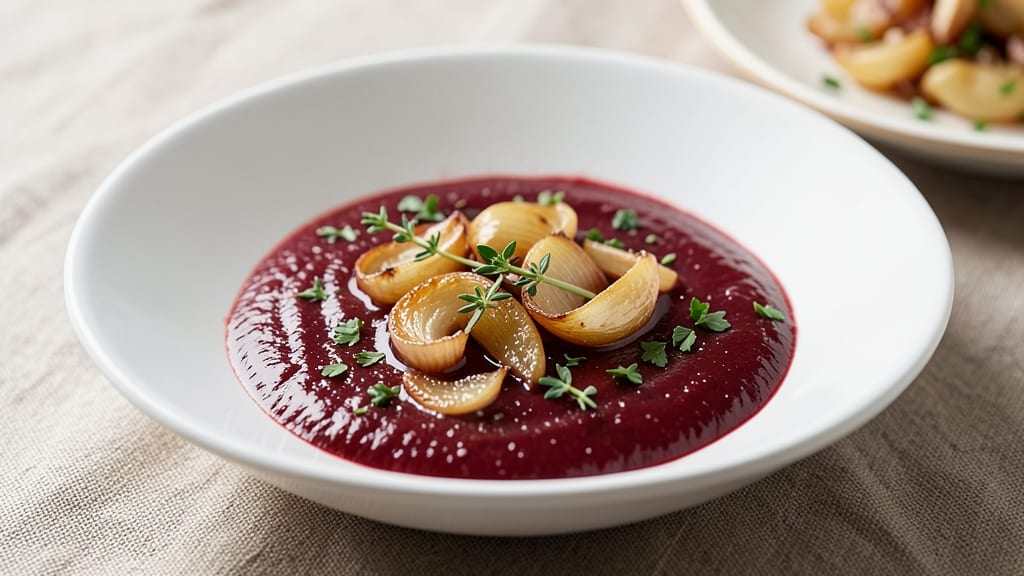
This Anjou sauce recipe transforms simple ingredients into a velvety, wine-infused masterpiece that elevates any protein. The slow simmer of shallots, red wine, and butter creates a rich, caramelized depth that's impossible to resist. I've perfected this classic French sauce to deliver restaurant-quality results in your home kitchen.
The secret lies in patience—letting the sauce reduce gradually until it reaches that perfect consistency, where the wine's acidity balances the sweetness of the onions. This isn't just a sauce; it's a flavor enhancer that turns ordinary meals into something extraordinary.
Whether you're finishing a steak, drizzling over fish, or deglazing a pan, Anjou sauce adds sophistication with minimal effort.
What makes this recipe work is the harmony of ingredients: shallots for sweetness, red wine for acidity, and butter for richness. The slow reduction process concentrates the flavors, creating a sauce that's both complex and approachable. No special equipment is needed—just time and attention to detail.
Once you taste the difference, you'll never go back to store-bought versions. The sauce keeps beautifully in the refrigerator for up to a week, making it perfect for meal prep. Pair it with roasted meats, grilled vegetables, or even mashed potatoes for a gourmet touch.
Ingredients for anjou sauce
Nine ingredients, one sauce—this is your shortcut to restaurant-quality depth in every bite.
| Ingredient | Amount | Notes |
|---|---|---|
| Shallots 🧅 | 1 lb | Peeled and thinly sliced |
| Dry Red Wine 🍷 | 1 cup | Bold Cabernet Sauvignon preferred |
| Unsalted Butter 🧈 | ½ cup | Cold, cubed for finishing |
| Chicken Stock 🍲 | 1 ½ cups | Homemade or quality low-sodium |
| Fresh Thyme 🌿 | 1 tbsp | Leaves only, finely chopped |
| Fresh Parsley 🌿 | 1 tbsp | Finely chopped for garnish |
| Granulated Sugar 🍚 | 1 tsp | Balances acidity |
| Diamond Crystal Kosher Salt 🧂 | ½ tsp | For seasoning |
| Freshly Ground Black Pepper 🌶️ | ¼ tsp | For finishing |
Shallots are the backbone here. Look for firm, dry ones at the grocery store—avoid any with sprouts or soft spots. I always grab mine from the Whole Foods bulk section because they're fresher and cheaper per pound. If you can't find shallots, yellow onions work in a pinch, but they'll be slightly sharper. The red wine? Save the good stuff—this isn't the time for cooking wine. A bold Cabernet Sauvignon or Merlot adds layers of complexity that cheap wine just can't match. And trust me, the butter matters—unsalted, cold, and cubed for finishing is non-negotiable.
No red wine? Dry white wine or even apple juice can work in a bind, but the sauce will taste different. Fresh thyme is ideal, but dried at one-third the amount gets you close. For the chicken stock, homemade is best, but store-bought works if it's low-sodium. The sugar is key—it balances the wine's acidity, so don't skip it. If you're using pre-minced shallots, pat them dry first to avoid a watery sauce. And if you're feeling fancy, toast your thyme leaves in the butter before adding them to the sauce—worth the extra minute for deeper flavor.
This sauce keeps beautifully—1 week in the fridge sealed tightly. For longer storage, freeze in ice cube trays, then transfer to a bag. Thaw overnight in the fridge or warm gently on the stove. The sauce thickens as it cools, so add a splash of stock or water if it's too stiff when reheating. I always make extra—it's perfect for drizzling over steak, fish, or even mashed potatoes. And if you're serving it immediately, finish with a pat of cold butter and a crack of black pepper—game-changer every time.
Why You'll Love This Recipe
- Pantry Magic: I swear by this sauce because it uses what I already have—no special shopping trips needed. Shallots and red wine? That’s my go-to when I’m low on inspiration but still want something fancy.
- Wine-Infused Depth: The red wine doesn’t just cook off—it lingers, adding that rich, slightly tangy backbone that makes every bite feel special. And the butter? It turns silky smooth, balancing the acidity perfectly.
- Weeknight to Dinner Party: Slap this on steak, roasted chicken, or even mashed potatoes—it’s the kind of sauce that works for a lazy Tuesday or a dinner party. Honestly, I’ve even drizzled it over grilled veggies when I’m out of ideas.
- Leftovers That Shine: This sauce actually improves the next day—thicker, deeper, and even more flavorful. I make a double batch on Sundays because it’s my secret weapon for quick, budget-friendly meals all week.
Step-by-step instructions for slow-simmered red wine reduction
This Anjou sauce builds depth through patience and precision—every step matters for that perfect balance of sweet, tangy, and savory notes.
Sweat the Shallots Until Translucent
Heat a heavy-bottomed saucepan over medium-low heat and add the 1 lb peeled and thinly sliced shallots. Let them cook undisturbed for 10-12 minutes until they soften and release their moisture, then become translucent and golden at the edges. Stir occasionally to prevent burning—this slow cooking develops their natural sweetness without bitterness.
Here's the thing—if you rush this step, you'll end up with raw onion flavor instead of that mellow, caramelized depth. You'll know they're ready when they look like fine confit and smell intensely aromatic. Add a pinch of 0.5 tsp Diamond Crystal Kosher Salt halfway through to help draw out moisture and enhance flavor.
Deglaze with Red Wine and Reduce
Once the shallots are perfectly softened, increase heat to medium-high and pour in the 1 cup dry red wine. Immediately scrape up any browned bits from the bottom of the pan with a wooden spoon—this is where all the flavor hides. Let the wine bubble vigorously for 3-4 minutes until it reduces by about half and becomes syrupy.
Don't walk away during this reduction. The wine needs constant attention—if it boils too hard, you'll lose alcohol and end up with a harsh, vinegary sauce. You're aiming for a deep, ruby color and a smell that's rich with wine essence. If the sauce starts to stick, add 1 tablespoon of the 1.5 cups chicken stock to loosen it.
Build the Sauce with Stock and Aromatics
Lower heat to medium-low and add the remaining 1.5 cups chicken stock, 1 tsp granulated sugar, and 1 tbsp finely chopped fresh thyme. Bring to a gentle simmer, then reduce heat to maintain a barely bubbling state. Let it cook uncovered for 25-30 minutes until the sauce thickens enough to coat the back of a spoon.
This is where the magic happens—long, slow reduction concentrates flavors and transforms simple ingredients into something complex. Stir occasionally, but don't over-stir. You want to develop a glossy sheen on the surface, which indicates proper reduction. If the sauce gets too thick, add 1 tablespoon water at a time to maintain consistency.
Finish with Butter and Herbs
Remove the sauce from heat and let it cool slightly for 2-3 minutes. Then stir in the 0.5 cup cold cubed unsalted butter until fully incorporated. The butter should melt smoothly and create a velvety texture. Add the 1 tbsp finely chopped fresh parsley and 0.25 tsp freshly ground black pepper.
Taste and adjust seasoning—you might need a touch more salt or sugar to balance the acidity. The sauce should be rich but not overpowering, with bright wine notes and a touch of herbal complexity. For best results, let it rest for 10 minutes before serving—this allows flavors to fully meld and the sauce to thicken slightly.
Strain and Serve
Strain the sauce through a fine-mesh sieve into a clean saucepan to remove any thyme stems or shallot bits. If you prefer a completely smooth sauce, press gently with a spoon. Return it to low heat and keep it warm until ready to serve—Anjou sauce tastes best when used immediately to coat proteins or vegetables.
This sauce pairs beautifully with roasted meats, grilled fish, or even as a dipping sauce for crusty bread. The key to its success lies in the patience of the reduction—don't be tempted to rush it. Each step builds on the last, creating a sauce that's far more impressive than the sum of its ingredients.
Pro Tips For Making Anjou Sauce
- SWEEAT SHALLOTS LOW: I used to rush this step and end up with bitter, charred shallots—don’t let that happen. Cook them over medium-low heat with a pinch of salt until they’re translucent and just starting to turn golden, about 8-10 minutes. If they’re browning too fast, pull the pan off the heat for a second and let them calm down.
- USE THE RIGHT WINE: Skip the cheap stuff—this isn’t the time to grab whatever’s on sale. A dry red like Pinot Noir or Cabernet adds depth, while cheap wine just tastes like alcohol. If you’re out, a splash of red wine vinegar (yes, really) works in a pinch, but it’ll taste different.
- DEGLAZE AGGRESSIVELY: After the shallots are cooked, don’t just pour in the wine and stir. Scrape up every last bit of browned bits from the pan with a wooden spoon—those are packed with flavor. Let the wine reduce by half before adding stock, or you’ll end up with a watery sauce.
- STRAIN THE THYME: I know it’s tempting to leave the thyme stems in for "extra flavor," but they’ll make the sauce taste bitter. Finely chop the leaves and strain them out after simmering—your sauce will be smooth and aromatic. (Pro move: Tie the stems in cheesecloth if you’re lazy, but don’t skip straining.)
Flavor customization for these flavors
Sweet & Tangy Balance
Adjust the sugar to wine ratio to control sweetness—start with 1 tsp sugar for every ½ cup red wine. For a sweeter sauce (great with duck or pork), add ½ tsp extra sugar and reduce by 5 minutes less.
If you prefer tangier (better for fish), reduce by 5 minutes longer or add 1 tsp lemon juice at the end. 🍷
Herb Variations
Swap thyme for rosemary (½ tsp dried) for earthy depth with lamb, or add ½ tsp tarragon for an anise note that pairs perfectly with chicken. For a modern twist, infuse the wine with 1 cinnamon stick while reducing—remove before adding stock for subtle warmth. I love this with venison.
Wine Substitutes
No red wine? Use ½ cup dry white wine + ½ cup apple cider vinegar for similar acidity, or 1 cup beef stock + 1 tbsp balsamic vinegar for depth.
For a vegetarian version, replace chicken stock with vegetable stock + 1 tbsp soy sauce—the umami bridges the flavor gap. Always reduce the substitute longer to concentrate flavors.
Texture Adjustments
For a glossier finish (ideal for drizzling), whisk in 1 tbsp cold heavy cream at the end. Need it thicker? Add 1 tsp cornstarch mixed with 1 tbsp water and simmer for 2 minutes.
For a chunkier texture (great for dipping), skip straining and leave in 1 tbsp finely chopped shallots—this adds delightful texture contrast. ✨
Spice Infusions
Add ½ tsp smoked paprika during the stock phase for a smoky twist that works beautifully with grilled meats. For heat, stir in ¼ tsp cayenne with the butter at the end.
I recommend Penzeys brand spices for consistent quality. These additions elevate the sauce from classic to bold without overpowering.
Regional Twists
For a Provençal version, add 1 tsp herbes de Provence with the thyme. The Alsatian approach calls for ½ cup white wine + 1 tbsp Dijon mustard in the stock phase.
Both versions keep the Anjou technique but adapt to local flavors—Provençal stays bright, while Alsatian adds mustard's tangy punch. 🗺️
Nutrition facts
Frequently asked questions
Can I use white wine instead of red wine in Anjou sauce?
While red wine is traditional for its bold flavor, you can substitute ½ cup dry white wine + ½ cup apple cider vinegar for similar acidity. For a richer alternative, try 1 cup beef stock + 1 tbsp balsamic vinegar. Always reduce substitutes longer to concentrate flavors—this prevents a thin, watery sauce.
How do I fix Anjou sauce that's too thin?
Simmer the sauce uncovered for 5-10 more minutes to reduce further. For quicker thickening, mix 1 tsp cornstarch with 1 tbsp water, stir into the sauce, and simmer for 2 minutes until glossy. If it's still too runny, add 1 tbsp cold butter to help emulsify naturally.
What proteins pair best with Anjou sauce?
This sauce shines with steak (especially ribeye or filet), duck, roasted chicken, or grilled fish like salmon. For vegetarian dishes, drizzle over mushroom risotto or seared tofu. The wine's richness complements fatty proteins, while its acidity cuts through richer meats.
Can I make Anjou sauce ahead of time?
Yes! This sauce improves with time. Store in an airtight container in the fridge for up to 1 week, or freeze in ice cube trays for 3 months. Reheat gently on low heat, adding a splash of stock or water if it thickens too much. The flavors meld beautifully overnight.
Why did my sauce turn bitter?
Bitter flavors usually come from overcooking the shallots (burning them) or reducing the wine too aggressively. Next time, cook shallots on medium-low heat until translucent, and reduce wine gently—never let it boil hard. If it's already bitter, balance it with ½ tsp extra sugar or 1 tsp lemon juice at the end.