
Sauces & Condiments
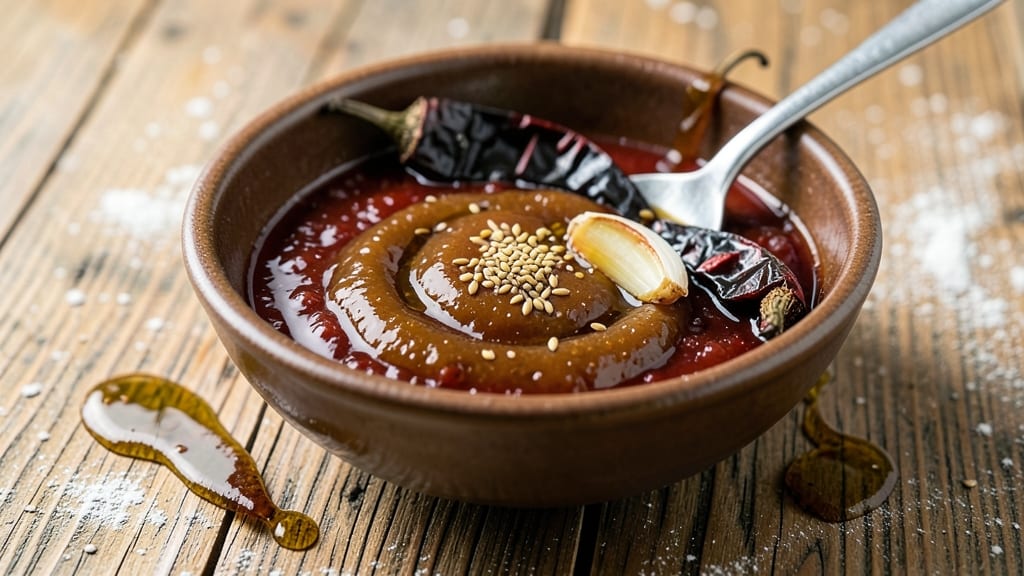
This ancho barbecue sauce recipe transforms smoky ancho chiles into a versatile condiment that bridges Mexican and American BBQ traditions. The deep, earthy flavor of dried ancho peppers creates a rich base that balances sweetness and heat—perfect for glazing, marinating, or dipping.
I developed this recipe after years of experimenting with smoky profiles, and it's become my go-to for adding complexity to grilled meats and roasted vegetables.
The foundation starts with toasted ancho chiles, which release their natural sweetness and smoky depth when rehydrated. Combined with vinegar, tomato paste, and a blend of spices, this sauce simmers until thick and glossy, creating a perfect balance of tangy, sweet, and slightly spicy notes.
The key is patience—letting the flavors meld during the simmering process transforms simple ingredients into something extraordinary.
What sets this sauce apart is its versatility. Use it as a marinade for chicken or pork to infuse meat with smoky flavor, brush it on grilled vegetables for a caramelized glaze, or serve it as a dip for chips and tacos.
The sauce keeps well in the refrigerator for up to two weeks, making it ideal for meal prep and batch cooking. Whether you're grilling ribs or roasting corn, this ancho barbecue sauce adds a professional touch to any dish.
For those who prefer a sweeter profile, add a touch of brown sugar or honey to the simmering sauce. If you want more heat, include a pinch of cayenne or extra chili powder.
The possibilities are endless, and the sauce's adaptability makes it a must-have in any kitchen. Let's get started on creating this flavorful staple!
Ingredients for ancho barbecue sauce
Nine simple ingredients transform dried ancho chiles into a smoky, versatile barbecue sauce.
| Ingredient | Amount | Notes |
|---|---|---|
| Dried Ancho Chiles 🌶️ | 4 whole | Stems and seeds removed |
| White Vinegar 💧 | 1 cup | For tangy brightness |
| Tomato Paste 🍅 | ½ cup | Squeeze tube preferred |
| Brown Sugar 🍯 | ¼ cup | Light or dark variety |
| Garlic Cloves 🧄 | 3 cloves | Peeled and minced |
| Ground Cumin 🌿 | 1 tbsp | Toasted for depth |
| Smoked Paprika 🌶️ | 1 tbsp | For smoky richness |
| Salt 🧂 | 1 tsp | Kosher or sea salt |
| Black Pepper 🌶️ | ½ tsp | Freshly ground |
| Olive Oil 🫒 | 2 tbsp | Extra-virgin for richness |
Ancho chiles are the heart of this sauce. Grab them at a Mexican market—they're often sold in bulk there, and you'll find better quality than the dried peppers aisle at regular grocery stores. Look for deep red, slightly wrinkled pods (the good stuff, not the shriveled ones). Toasting them lightly in a dry skillet before soaking brings out their natural sweetness—30 seconds per side is all it takes. If you can't find ancho chiles, pasilla chiles work in a pinch, but they're milder. The vinegar is key here—white vinegar gives the bright tang that balances the smokiness, but apple cider vinegar adds a fruity note if you prefer that.
No tomato paste? Crushed tomatoes or tomato sauce works in a bind, but you'll need about 1 cup to match the thickness. The brown sugar can be swapped for maple syrup or agave if you're avoiding refined sugar, but it won't caramelize the same way. For extra heat, add a pinch of cayenne or chipotle powder—I usually hold off unless I'm making a batch for spicy food lovers. The olive oil might seem small, but it's what helps emulsify the sauce and gives it that glossy finish. Trader Joe's has a great extra-virgin olive oil for a reasonable price if you're stocking up.
This sauce tastes even better the next day as the flavors meld. Store it in an airtight jar in the fridge for up to 2 weeks, or freeze portions for 6 months. I like to make double batches—one for immediate use and one to freeze. The sauce thickens as it cools, so if it's too stiff when you pull it from the fridge, just stir in a splash of water or vinegar. Leftovers make killer tacos, grilled veggie dips, or a quick glaze for roasted chicken—trust me on the chicken. It's also fantastic drizzled over avocado toast or mixed into mayo for sandwiches.
Why You'll Love This Recipe
- Here’s what sold me: the vinegar cuts through the richness of the tomato paste while the ancho chiles bring deep, smoky warmth—not overpowering, just there. The garlic cloves? They sing when toasted in the oil, adding a nutty depth that makes this sauce unforgettable.
- No Soaking Required: I’ll admit, I was skeptical about dried ancho chiles at first—until I realized I could just toast and grind them whole. No waiting, no peeling, just crack open the packet and get cooking. That brown sugar caramelizes fast, and boom, you’re done.
- Sweet Heat Balance: Here’s what sold me: the vinegar cuts through the richness of the tomato paste while the ancho chiles bring deep, smoky warmth—not overpowering, just there. The garlic cloves? They sing when toasted in the oil, adding a nutty depth that makes this sauce unforgettable.
- Weeknight to Party Hero: Slather it on grilled chicken for a Tuesday dinner, or drizzle it over tacos at a Sunday brunch. It’s the same jar, just different vibes. Honestly, I’ve used it as a marinade, a dip, and even a glaze for roasted veggies—no waste, all flavor.
Step-by-step instructions for ancho barbecue sauce
Here's how to build a rich, balanced sauce with smoky depth and perfect sweet heat.
Toast and Rehydrate the Dried Ancho Chiles
Heat a dry skillet over medium heat and add the 4 whole dried ancho chiles. Toast them for 30 seconds per side until fragrant and slightly darkened—this deepens their natural sweetness. Be careful not to burn them, as that creates bitterness.
Transfer the toasted chiles to a heatproof bowl and pour the 1 cup white vinegar over them. Let them soak for 15 minutes to rehydrate completely. The vinegar will turn a deep reddish color as the chiles release their rich flavor. This step is crucial for extracting maximum flavor from the chiles.
Blend the Rehydrated Chiles into a Smooth Paste
Drain the soaked chiles, reserving the vinegar liquid. Transfer both the chiles and the reserved vinegar to a blender. Add the 0.5 cup tomato paste, 0.25 cup brown sugar, 3 minced garlic cloves, 1 tbsp ground cumin, 1 tbsp smoked paprika, 1 tsp salt, and 0.5 tsp black pepper.
Blend until completely smooth, scraping down the sides as needed. You should end up with a thick, vibrant red purée. This is your flavor base—don't rush this step, as a smooth blend ensures a velvety sauce texture. If needed, add 1-2 tablespoons of water to help with blending, but keep it minimal.
Simmer the Sauce Until Thick and Balanced
Transfer the purée to a saucepan and add the 2 tbsp olive oil. Stir over medium heat for 5-7 minutes until the raw taste of the garlic disappears and the spices meld together. The sauce should begin to thicken slightly and develop a rich aroma.
Continue simmering for another 10-12 minutes, stirring occasionally, until the sauce reduces by about 25% and reaches your desired consistency. You're looking for a thick, glossy sauce that coats the back of a spoon. Taste and adjust seasoning—add more brown sugar if you want it sweeter, or a splash more vinegar for tang.
Strain and Finish for Perfect Texture
Line a fine-mesh strainer with cheesecloth or a coffee filter and strain the sauce into a clean bowl. This removes any remaining chile skins while keeping the rich color and flavor. Press gently on the solids to extract all the liquid.
Return the strained sauce to the saucepan and simmer for another 5 minutes to ensure all the flavors are fully integrated. The sauce should now have a perfect balance of smoky, sweet, and tangy notes. Let it cool slightly before using—this allows the flavors to meld even more as it sits.
Pro Tips For Making Ancho Barbecue Sauce
- REMOVE STEMS FIRST: I learned this the hard way—skipping the stem removal from ancho chiles leaves a bitter, grassy bite that ruins the sauce. Grab a small knife, slice the top off each chile, then scrape out the stem and veins with your fingernail. No need for fancy tools, just a steady hand and patience.
- SIMMER LOW AND SLOW: After burning three batches, I finally figured out that ancho sauce needs a gentle simmer, not a rolling boil. Keep the heat at a steady medium-low—you’re not racing here. A slow cook gives the chiles time to soften and release their depth without turning the sauce into vinegar soup.
- TOAST THE GARLIC: Sounds weird, but it works: crush those garlic cloves first, then toss them in a dry pan for 30 seconds until they smell nutty and golden. Add them to the sauce at the end—this keeps the flavor bright and prevents that harsh, raw garlic punch that can sneak in if you throw them in raw.
- SWEAT THE TOMATO PASTE: I skip this when I’m lazy, but the dish is noticeably better when I don’t: mix the tomato paste with a splash of vinegar first, then cook it in the pot for 2-3 minutes before adding liquids. This breaks down the starches and thickens the sauce naturally, so you won’t end up with a runny glaze.
Serving suggestions for this recipe
Grilled Meats
This sauce transforms grilled chicken thighs into a showstopper—brush them generously before the last 10 minutes of grilling over medium-high heat for a caramelized crust.
I love using it on pork shoulder too: apply a thick layer after the first 2 hours of smoking at 225°F to create a sticky, flavorful bark.
For ribs, use it as a final glaze during the last 30 minutes of cooking to add depth without overpowering the smoky flavor. 🔥
Tacos and Nachos
Warm the sauce slightly before serving and drizzle it over corn tortillas with shredded chicken, crumbled queso fresco, and pickled red onions. For nachos, spread it as the base layer before adding black beans, jalapeños, and cotija cheese.
I also like mixing it into guacamole for a smoky kick—just stir in 2 tbsp of the sauce per cup of guac. The heat and sweetness balance perfectly with the creamy avocado.
Roasted Vegetables
Toss bell peppers, zucchini, and eggplant in 1 tbsp olive oil and roast at 400°F for 20 minutes, then finish with a drizzle of the sauce and a sprinkle of feta cheese.
The smoky-sweet flavor caramelizes beautifully on the veggies. I also use it as a marinade for portobello mushrooms before grilling—just brush on 2 tbsp before the last 5 minutes of cooking. 🌱
Dips and Spreads
Mix ½ cup of the sauce with ½ cup sour cream and 1 tbsp lime juice for a smoky dip perfect with tortilla chips or pita bread.
For a spread, blend it with ¼ cup Greek yogurt and 1 tsp honey—this works great on toasted baguette slices or as a sandwich sauce. The tanginess of the vinegar keeps it from being too heavy, making it versatile for both spicy and mild dishes.
Breakfast Applications
Use it as a glaze for breakfast burritos—just brush on the inside of the tortilla before adding scrambled eggs and cheese. I also love drizzling it over fried eggs with crispy bacon and avocado for a smoky-sweet twist on a classic.
For pancakes, stir 1 tbsp into the batter before cooking—it adds a surprising depth to the syrup. The brown sugar in the sauce caramelizes slightly, giving the pancakes a rich, molasses-like finish. 🥞
Storage and Reuse
Leftovers make incredible BBQ sandwiches—slather it on toasted brioche with pulled pork or grilled chicken. I also freeze portions in ice cube trays for easy single-use applications. Thaw in the fridge overnight and stir in a splash of water if it thickens too much.
The sauce keeps its flavor for 2 weeks in the fridge, so don’t hesitate to make a big batch for meal prep. 💫
Nutrition facts
Frequently asked questions
Can I substitute ancho chiles with other dried peppers?
Yes! If you can't find ancho chiles, use pasilla or mulato peppers for similar smoky depth. For more heat, swap in guajillo or arbol peppers, but reduce the quantity by half. Avoid hotter peppers like habanero unless you want intense spice—start with 1-2 teaspoons of cayenne instead.
How do I adjust the sweetness or heat level?
For sweeter sauce, add 1-2 extra tablespoons of brown sugar or maple syrup during simmering. For more heat, stir in ½ teaspoon cayenne or 1 teaspoon chipotle powder at the end. Always taste as you go—you can't fix over-sweetened sauce, but you can balance heat with extra vinegar.
Why did my sauce turn out too thin?
Sauce thins when over-simmered or when too much liquid (like vinegar) is added. Simmer uncovered for 10-12 minutes max, then reduce heat to low. If needed, stir in 1 tablespoon cornstarch mixed with 2 tablespoons water and simmer 2 more minutes. For future batches, reduce vinegar to ¾ cup if your kitchen is humid.
Can I make this sauce in a slow cooker?
Blend all ingredients as directed, then transfer to a slow cooker on low heat for 3-4 hours, stirring occasionally. The low-and-slow method deepens flavors but requires more monitoring to prevent over-reduction. For a quicker version, use high heat for 1.5 hours, but check every 30 minutes.
What's the best way to use leftover sauce?
Freeze extras in ice cube trays for perfect single-use portions. Thaw overnight in the fridge, then stir with 1 teaspoon water if too thick. Use as a marinade for grilled shrimp (30 minutes), mix into pasta sauce, or drizzle over roasted Brussels sprouts. The smoky depth makes it surprisingly versatile for non-BBQ dishes too!