
Sauces & Condiments
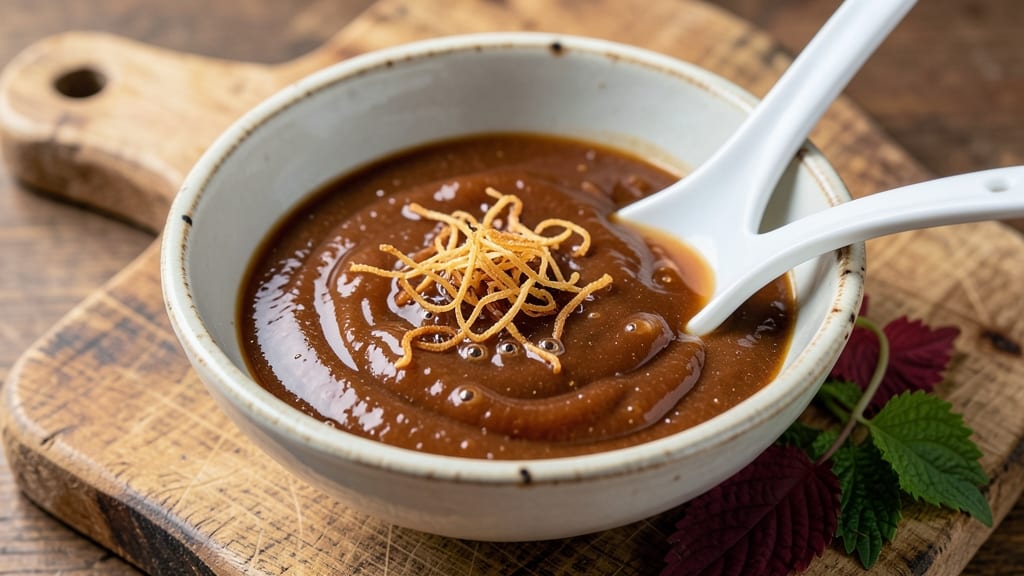
This amazu sauce recipe transforms simple pantry staples into a deep, fermented condiment that elevates everything from noodles to grilled meats. The secret lies in fermented rice—its tangy, funky depth creates an umami punch that's impossible to resist.
What makes this sauce special is how it builds flavor through slow simmering, allowing the soy, sugar, and rice to meld into a rich, glossy liquid that clings to every bite.
With just five core ingredients—fermented rice, sugar, soy sauce, water, and a pinch of salt—you'll create a sauce that's both complex and approachable. The process is straightforward: simmer, reduce, then blend until silky smooth.
No fancy equipment or rare ingredients required, just patience to let the flavors develop. This isn't just a condiment; it's a flavor multiplier that turns ordinary dishes into something extraordinary.
The result is a glossy, amber sauce with layers of sweetness, saltiness, and that unmistakable fermented richness. Drizzle it over ramen, toss it with stir-fried vegetables, or use it to glaze grilled chicken—each application adds depth without overpowering.
The beauty of amazu sauce lies in its versatility; it works as a dipping sauce, marinade, or even a dessert glaze for fruit. Once you try it, you'll never go back to store-bought again.
Perfect for meal prep or gifting, this sauce keeps well in the refrigerator for up to two weeks, allowing flavors to deepen over time. The longer it sits, the more complex it becomes—proof that great flavor doesn't require complexity. Let's get started on creating your umami bomb.
Ingredients for amazu sauce
Five ingredients. One pot. Umami explosion in every bite.
| Ingredient | Amount | Notes |
|---|---|---|
| Fermented Rice (Amazu Kome) 🍚 | 1 cup | Packed, preferably aged 3-6 months |
| Granulated Sugar 🍚 | ½ cup | White or brown sugar preferred |
| Soy Sauce 🥄 | ½ cup | Japanese-style, like Kikkoman |
| Water 💧 | 1 cup | Filtered or distilled preferred |
| Kosher Salt 🧂 | ½ tsp | Diamond Crystal preferred |
Fermented rice is the star here. Japanese specialty stores or online retailers like Weee! carry it, but if you can't find it, miso paste or rice vinegar in a pinch (though nothing replicates the funk). The older the rice, the more complex the flavor—3-6 months aged is ideal. Sugar is your sweetness anchor; white gives a cleaner finish, while brown adds subtle caramel notes. Soy sauce matters too—Japanese brands like Kikkoman have that perfect balance of salt and umami. Skip the low-sodium versions; you want that bold punch.
No fermented rice? Substitute with 1/4 cup miso paste plus 1/4 cup rice vinegar, but expect a milder result. Sugar substitutes? Maple syrup or coconut sugar work, but adjust to taste—maple adds depth, coconut brings caramel undertones. Water quality affects the final sauce; filtered or distilled ensures no off-flavors creep in. Salt is just a pinch—Diamond Crystal dissolves better than table salt. Pro tip: If your sauce tastes flat after blending, simmer it again for 5-10 minutes to concentrate flavors.
This sauce gets better with time—1 week in the fridge lets flavors meld beautifully. Store in an airtight jar with a thin layer of oil on top to preserve that glossy finish. Freezes for 3 months if you want to make a big batch. The longer it sits, the richer it becomes—2 weeks is ideal for maximum umami. Use within 2 weeks for best texture, though. And trust me, you'll want to make extra—this stuff disappears fast.
Why You'll Love This Recipe
- Four-Ingredient Magic: I swear, this sauce comes together with just fermented rice, sugar, soy sauce, and water. That’s it—no fancy pantry trips or last-minute grocery runs. The fermented rice does all the heavy lifting, giving you depth without effort.
- Umami Bomb: Between the funky, tangy fermented rice and the caramelized sugar-soy balance, every bite packs a punch. It’s sweet, salty, and just a little funky—like a grown-up version of soy sauce that actually sings.
- Weeknight Superhero: Drizzle it over stir-fries, glaze grilled chicken, or toss it with noodles—it’s my go-to when I’m too tired to think. Honestly, I’ve used it in everything from breakfast burritos to dessert sauces (yes, really).
- Pantry Goldmine: A little goes a long way, so you’ll have leftovers for days. Plus, fermented rice is cheap and shelf-stable—this sauce is basically free flavor. I’ve made batches last weeks, and it only gets better with time.
Step-by-step instructions for amazu sauce
Here's how to transform simple pantry staples into a rich, fermented sauce bursting with umami depth.
Rinse and Prepare the Fermented Rice
Start by placing the 1 cup Fermented Rice (Amazu Kome) in a fine-mesh strainer and rinse it thoroughly under cold water. You'll notice a strong, funky aroma—this is the signature scent of properly aged amazu kome. The rinsing removes excess surface fermentation but preserves the deep umami flavor. After rinsing, transfer the rice to a clean bowl and set aside.
I always use a strainer with small holes to prevent the rice from breaking apart. If your rice is particularly old (6+ months), you might see some discoloration—this is normal and adds to the complex flavor profile. Don't worry if it looks different from fresh rice; the fermentation process changes its texture and appearance.
Combine Wet Ingredients
In a medium saucepan, combine the rinsed fermented rice with the 1 cup Water and 0.5 cup Granulated Sugar. Bring the mixture to a gentle simmer over medium heat, stirring occasionally to dissolve the sugar completely. You'll see the sugar granules disappear as they integrate with the rice and water, creating a slightly syrupy base.
Simmer for 10-12 minutes until the mixture thickens noticeably and reduces by about 25%. The sauce should coat the back of a spoon but still flow smoothly. Here's the thing—don't rush this reduction. The longer you simmer, the more concentrated the umami flavor becomes. I usually check every 2 minutes after the initial 10-minute mark to monitor the consistency.
Add Soy Sauce and Salt
Once the rice mixture has thickened, reduce the heat to low and stir in the 0.5 cup Soy Sauce and 0.5 tsp Kosher Salt. The soy sauce will darken the mixture immediately, giving it that classic rich amber color. At this stage, you'll notice a dramatic shift in flavor—sweet, salty, and funky all at once. Stir well to ensure even distribution of all ingredients.
Let the sauce simmer gently for another 5-7 minutes, stirring occasionally. You're looking for a sauce that coats the spoon but still has a slight sheen—this indicates the perfect balance between thickness and flow. The sauce should smell intensely umami with notes of caramelized sugar and fermented rice. If it's too thick, you can add 1-2 tablespoons of water to adjust the consistency.
Strain and Finish
Line a fine-mesh strainer with cheesecloth or a coffee filter to create a makeshift filter. Pour the sauce through the strainer into a clean bowl, pressing gently on the solids with a spoon to extract as much liquid as possible. This step removes any rice particles, giving you a smooth, velvety sauce. The strained liquid should be a deep amber color with a glossy finish.
Taste the sauce and adjust the seasoning if needed. You might want to add a pinch more salt or a splash of soy sauce to intensify the umami. The sauce should be complex—sweet, salty, and funky with a lingering depth. Transfer the finished sauce to a clean glass jar and let it cool completely before sealing. This sauce keeps well in the refrigerator for up to 2 weeks, though the flavor continues to develop over time.
Use and Store Properly
Use your amazu sauce immediately in dishes like glaze for meats, marinade for tofu, or drizzle over noodles. The sauce's versatility comes from its balanced sweet-savory profile. For best results, bring the sauce to room temperature before using—cold sauce can taste flat against hot dishes. When storing, keep the jar sealed tightly in the refrigerator to maintain its rich flavors.
Real talk: the first time I made this sauce, I was skeptical about the fermented rice's strong aroma. But after tasting the finished product, I was completely hooked. The key is patience—letting the flavors meld during simmering and straining transforms simple ingredients into something extraordinary. This sauce is your umami secret weapon for elevating everyday meals.
Pro Tips For Making Amazu Sauce
- Soak the Fermented Rice: I learned this the hard way—skipping the soak turns your sauce grainy and bitter. Toss the amazu kome in 2 cups warm water for at least 30 minutes (or overnight if you’re prepping ahead). The longer it soaks, the smoother the texture when you blend it later.
- Simmer Low and Slow: After adding sugar and soy sauce, resist the urge to crank the heat. A gentle simmer (small bubbles, occasional skimming) prevents scorching and lets the flavors meld. I used to rush this, and my sauce always tasted harsh—now I keep it at a whisper of a boil.
- Balance the Sugar First: Taste the raw amazu mixture before adding salt. If it’s too sweet, dissolve 1-2 extra tablespoons of sugar in warm water first, then stir it in. This avoids over-salting later, which can happen when you’re adjusting for perceived bitterness.
- Strain Twice for Clarity: After simmering, strain through a fine-mesh sieve, then a cheesecloth for a silky finish. Sounds like extra work, but it’s the difference between a murky sauce and one that coats like liquid velvet. (Yes, even if you’re impatient like me.)
Pro cooking tips for perfect results
Heat Control Secrets
Simmering amazu sauce at medium-low heat after adding soy sauce is critical—too high, and you'll burn the sugar, creating bitter notes. I use a thermometer to keep temps between 180-190°F during reduction. A heavy-bottomed saucepan (like All-Clad) prevents hot spots that scorch the sauce. 🌡️
Straining Like a Pro
Cheesecloth works best for straining, but a fine-mesh sieve lined with coffee filters also does the trick. Press the solids gently with a silicon spatula to extract every drop of flavor—don’t rush this step! For extra-smooth sauce, blend the strained liquid for 10 seconds in a high-speed blender (like Vitamix) to break down any remaining particles.
Flavor Development Hacks
Let the sauce sit uncovered in the fridge overnight before tasting—this allows flavors to marry. If it tastes flat after blending, return it to low heat for 5-10 minutes to concentrate the umami.
A splash of mirin (just 1 tsp) before straining adds brightness, while 1 tsp miso paste deepens the funk.
Storage Secrets
Store sauce in an amber glass jar (blocks light) with a thin layer of neutral oil on top to preserve its gloss. Shake before use—settling happens! For long-term storage, freeze in ice cube trays, then transfer cubes to a bag. Thaw overnight in the fridge for best texture.
Troubleshooting Thickness
If your sauce is too thick after straining, thin it with 1 tbsp water at a time until it reaches a syrup-like consistency. Too thin? Simmer uncovered for 5-7 minutes to reduce. Pro tip: Reduction time is your friend—don’t skip it! The longer you simmer, the richer the umami.
Fermented Rice Substitutes
No amazu kome? Mix ¼ cup miso paste + ¼ cup rice vinegar for a quick fix, but expect a milder result. For depth, use 1 tbsp white miso + 1 tbsp sake instead of soy sauce. The key is balancing sweet, salty, and funky—adjust to taste! 💡
Nutrition facts
Frequently asked questions
What makes amazu sauce different from regular soy-based sauces?
The fermented rice base gives amazu sauce its signature depth—it's funky, sweet, and umami-rich, unlike standard soy sauces which are just salty. This sauce has a glossy texture and complex flavor profile that works as both a glaze and dipping sauce. The fermentation process creates those unique notes that regular soy sauce can't replicate!
Can I use amazu sauce in desserts? The sweet-salty balance makes it perfect for fruit glazes or drizzling over ice cream. Try reducing it with a bit of honey for a caramel-like finish. Just
How do I know when the fermented rice is ready to use?
Look for rice that's aged 3-6 months and has developed a strong, funky aroma (like yogurt or vinegar). Fresh rice won't have that depth. If you can't find aged rice, a quick substitute is 1/4 cup miso paste + 1/4 cup rice vinegar, though the flavor will be milder. The older the rice, the more complex the sauce!
Will this sauce work with non-Asian dishes? Yes! The balanced sweet-salty profile makes it versatile for Western dishes too. Use it as a marinade for grilled chicken, a glaze for roasted vegetables, or even in salad dressings. The umami depth enhances everything from tacos to pasta. Just
Can I make amazu sauce without a strainer?
You can, but the texture won't be as smooth. Use a cheesecloth or coffee filter instead, or blend the strained mixture for 10 seconds after straining. If you must skip straining, simmer the sauce longer (20-25 minutes) to break down the rice particles naturally. The flavor will still be amazing, just slightly textured!