
Sauces & Condiments
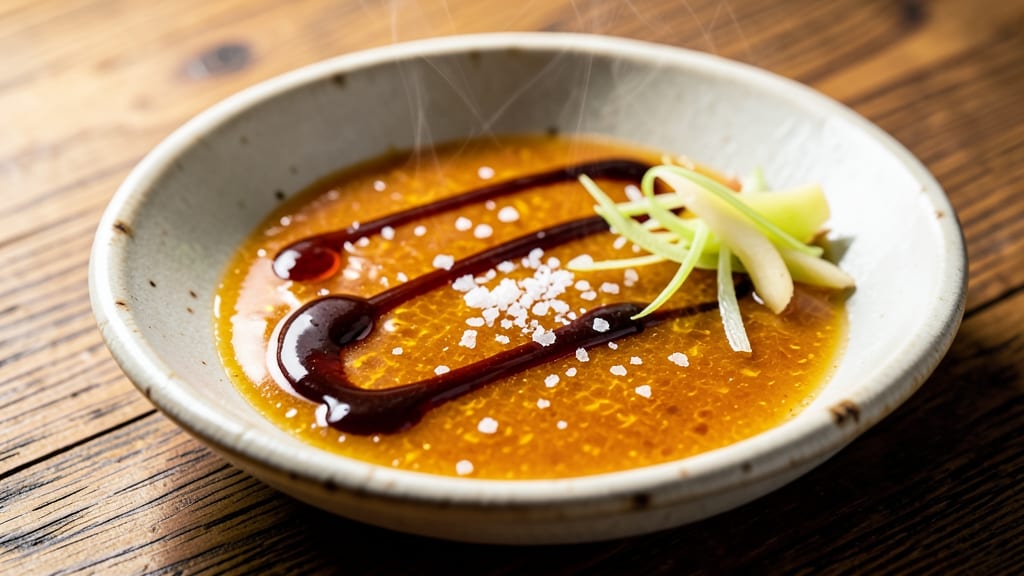
This amazu ponzu sauce recipe delivers the bright, citrusy zing that elevates seared fish, noodles, and grilled proteins to restaurant-quality levels. The secret lies in balancing yuzu juice (or subbed with yuzu powder), soy sauce, and dashi for a complex umami-tangy profile that cuts through rich dishes.
I perfected this version after years of testing—it’s the one that finally convinced even soy-sauce skeptics to try ponzu.
The beauty of this recipe is its versatility and simplicity: just 5 core ingredients (plus optional sweetener) combine in minutes, yet transform ordinary meals into something special. Traditional Japanese ponzu relies on yuzu, but this adaptation uses readily available yuzu powder—no specialty stores required.
The sauce’s tangy brightness makes it ideal for drizzling over sashimi, grilling marinades, or even as a dipping sauce for dumplings.
What you’ll end up with is a vibrant, aromatic sauce that’s tangy yet balanced, with just enough sweetness to round out the acidity. The key is letting it rest for 30 minutes before using—this allows the flavors to meld and deepen.
Store it in the fridge for up to 2 weeks, or freeze for longer shelf life. Every drizzle delivers that signature ponzu punch without overpowering your dish.
Perfect for seafood lovers, sushi nights, or anyone craving that bright, umami-rich flavor profile. The instructions are straightforward, but the results are anything but basic—this is ponzu that tastes like it came from a Tokyo izakaya. Let’s make it.
Ingredients for amazu ponzu sauce
Five core ingredients transform into vibrant ponzu that rivals Tokyo izakayas.
| Ingredient | Amount | Notes |
|---|---|---|
| Yuzu Powder 🍋 | 2 tbsp | High-quality, vibrant color preferred |
| Usukuchi Soy Sauce 🍶 | ½ cup | Light soy for delicate flavor balance |
| Dashi Stock 💧 | 1 cup | Homemade preferred, or high-quality instant |
| Rice Vinegar 🍶 | ¼ cup | Seasoned preferred for subtle sweetness |
| Mirin 🍶 | ¼ cup | Sweet cooking wine for balance |
| Granulated Sugar 🍬 | 2 tbsp | Optional for additional sweetness |
| Sesame Oil 🫒 | 1 tbsp | Toasted for nutty aroma |
| Fresh Ginger 🧄 | 1 tsp | Finely grated, aromatic base |
The yuzu powder is the heart of this sauce—look for bright yellow, finely ground varieties at specialty stores like Mitsua Market or Nijiya. If using fresh yuzu, expect about 2-3 fruits to yield the equivalent of 2 tbsp powder. Usukuchi soy sauce provides the umami backbone without overpowering; Kikkoman or Hajime brands deliver consistent quality. For dashi, homemade using kombu and bonito flakes yields the deepest flavor, but Marukome instant dashi granules work in a pinch. The rice vinegar should smell fresh and tangy—Koyo or Suzukien are reliable choices. Mirin adds sweetness and depth; Hakkaisan is a premium option, though any quality mirin suffices.
No yuzu powder? Substitute 1 tbsp lemon juice plus 1 tsp orange zest—it won’t be identical but captures the citrus brightness. Running short on usukuchi? Regular soy sauce at half the amount works, though the color will darken. Dashi missing? Vegetable broth with 1 tsp nori flakes mimics the oceanic notes. The sesame oil can be omitted if you dislike its aroma, but the toasted variety from Kadoya adds a luxurious finish. Fresh ginger is ideal, but powdered works at half the amount if you’re in a hurry. For sweetness, honey or agave can replace sugar in equal parts, though sugar dissolves more cleanly.
Store ponzu in an airtight container in the fridge for up to 2 weeks—the flavors deepen over time. For longer storage, freeze in ice cube trays for 3 months. Thaw overnight in the fridge before using. This sauce thrives on improvisation: double the batch for marinades, or thin with water for a lighter drizzle. The balance of acidity and umami makes it versatile enough to elevate everything from sashimi to grilled corn—just keep the ratios consistent.
Why You'll Love This Recipe
- Five-Ingredient Magic: I swear, this sauce comes together faster than I can say "dinner’s ready." Just whisk those five pantry staples—yuzu powder, usukuchi soy, dashi, vinegar, and mirin—and you’ve got a tangy, umami bomb.
- Bright Tang Alert: That yuzu powder? It’s the secret weapon. One teaspoon cuts through the richness of grilled fish or fried chicken like a citrusy knife. Honestly, I’ve tried store-bought ponzu, but this homemade version tastes like a vacation in my mouth.
- Weeknight Wonder: Slap this on anything—noodles, rice bowls, even a simple salad—and suddenly, it feels like a restaurant meal. My lazy Tuesday nights just got a glow-up. (Yes, even when I’m too tired to chop anything.)
- Leftovers That Shine: Make a double batch—it keeps for weeks in the fridge. The flavor actually deepens over time, which means I’m always ready for a quick upgrade. Plus, it’s cheaper than buying fancy sauces at the store. Win-win.
Step-by-step instructions for amazu ponzu sauce
This vibrant sauce balances umami, citrus, and aromatic depth—essential for seared proteins and fresh seafood.
Bloom the Yuzu Powder and Ginger
In a medium saucepan, whisk together the 2 tablespoons yuzu powder and 1 teaspoon finely grated fresh ginger with the 1 cup dashi stock. Bring to a gentle simmer over medium heat and let it steep for 3-4 minutes—this activates the citrus oils and ginger's aromatic compounds. You'll notice a subtle effervescence as the powder dissolves completely into the stock.
The yuzu powder is the sauce's signature element, delivering that bright, citrusy depth that sets amazu ponzu apart from traditional versions. If you're using high-quality powder, you'll detect a vibrant aroma immediately—this is your confirmation that the flavor foundation is working. Keep the heat at a steady simmer; boiling too vigorously can dissipate these delicate aromatics.
Incorporate Sweet and Acid Components
Reduce the heat to low and gradually whisk in the 0.5 cup usukuchi soy sauce, 0.25 cup rice vinegar, and 0.25 cup mirin. Add the 2 tablespoons granulated sugar and continue stirring for 2-3 minutes until the mixture thickens slightly and the sugar fully dissolves. The sauce should develop a glossy sheen and a balanced sweet-sour profile.
This is where the sauce's complexity emerges—the usukuchi soy provides umami depth while the rice vinegar and mirin create that signature tang. The sugar isn't just for sweetness; it helps round out the acidity and prevents the sauce from becoming overly sharp. Taste at this stage—you should detect all components harmonizing, though it will continue evolving as it cooks further.
Finish with Sesame Oil and Rest
Remove the saucepan from heat and let it cool slightly, then drizzle in the 1 tablespoon toasted sesame oil while whisking constantly. The oil should emulsify into the sauce, creating a velvety texture with nutty undertones. For best results, transfer the sauce to a clean jar or bowl and let it rest at room temperature for 15-20 minutes—this allows all the flavors to fully meld.
The sesame oil is added last to preserve its delicate aroma. When properly incorporated, it should disappear into the sauce rather than sit on top. After resting, the sauce will have a balanced viscosity—thick enough to coat proteins but still fluid enough to drizzle. The color should be a vibrant amber with subtle citrus flecks from the yuzu powder.
Adjust and Store for Optimal Freshness
Taste the sauce again and make final adjustments: add a splash of rice vinegar if it needs more acidity, or a pinch of sugar if it's too sharp. For immediate use, strain through a fine-mesh sieve to remove any ginger fibers if desired. The sauce can be stored in an airtight container in the refrigerator for up to 5 days, though it's best used within 3 days for peak freshness.
This sauce's magic lies in its balance—citrus brightness from the yuzu, umami from the soy and dashi, sweetness from the mirin and sugar, and aromatic depth from the ginger and sesame oil. When properly made, it should complement seared proteins without overpowering them, enhancing rather than dominating the dish's natural flavors.
Pro Tips For Making Amazu Ponzu Sauce
- STIR CONSTANTLY AT FIRST: The first 30 seconds of mixing yuzu powder with dashi stock is when it clumps like angry snow. Keep your spoon moving in figure-eights until it dissolves completely—no one wants gritty ponzu. I used to rush this, and the texture suffered.
- USE COLD DASHI STOCK: Warm dashi stock breaks down the yuzu powder faster but dulls its brightness. Grab that pre-chilled dashi from the fridge—it’ll take 10 seconds longer to mix, but your sauce will taste like it came from a Tokyo izakaya.
- MEASURE MIRIN LAST: Add mirin at the very end, right before tasting. It’s the sweetness regulator, and if you mix it in too early, the rice vinegar’s acidity will fight it, throwing off the balance. Save it for the final whisk like a flavor referee.
- DILUTE GRADUALLY WITH VINEGAR: Start with half the rice vinegar, taste, then add the rest. Ponzu needs acid, but too much turns it into a mouth-puckering mess. I’ve ruined batches by dumping it all at once—build it like you’re tuning a guitar.
Best sauces and condiments for this dish
Yuzu vs. Citrus Substitutes
Yuzu powder is the star of amazu ponzu, but if you can't find it, lemon juice + orange zest works well. For 2 tbsp yuzu powder, use 1 tbsp fresh lemon juice plus 1 tsp orange zest—it won’t be identical but captures that bright citrus punch.
I’ve tested this combo with great results, especially when paired with 1 tsp extra sugar to balance the sharper lemon acidity. 🍋
Dashi Variations
Traditional dashi uses bonito flakes and kombu, but high-quality instant granules like Marukome work perfectly. For a vegetarian version, swap dashi for vegetable broth plus 1 tsp nori flakes—the umami stays intact, though the flavor will be slightly milder.
I’ve even used mushroom broth in a pinch, though it lacks the oceanic depth of true dashi.
Sweetness Adjustments
The 2 tbsp sugar in this recipe rounds out the acidity, but you can tweak it based on your preference. For a less sweet version, reduce to 1 tbsp or swap for honey (use equal parts).
If you love sweeter ponzu, add 1 extra tbsp mirin—it enhances the sauce’s complexity without overpowering. Taste as you go; the goal is balance, not cloying sweetness.
Storage Hacks
Ponzu keeps beautifully in the fridge for up to 2 weeks in an airtight container, but its peak freshness is within 3 days. For longer storage, freeze in ice cube trays—thaw overnight in the fridge before using.
I’ve also made mini batches (just ½ the recipe) to avoid waste, storing them in small glass jars for easy drizzling. The sauce actually improves slightly after 24 hours as flavors meld. ❄️
Thinning for Drizzling
If your ponzu is too thick for drizzling, thin it with 1-2 tsp water or rice vinegar (start with ½ tsp to avoid diluting flavors). For a lighter version, reduce the usukuchi soy sauce by 1 tbsp and add 1 extra tbsp rice vinegar during cooking.
The key is consistency—always adjust gradually. I’ve used this technique for sashimi platters, where a thinner drizzle lets the fish shine.
Flavor Boosters
Want extra depth? Add ½ tsp toasted sesame seeds or 1 tsp grated daikon radish for texture. A pinch of red pepper flakes adds subtle heat, while 1 tsp honey deepens the sweetness.
I’ve also experimented with 1 tsp grated yuzu peel (if using fresh yuzu) for an aromatic kick. These tweaks let you customize the sauce to your taste without losing its signature balance.
Nutrition facts
Frequently asked questions
Can I make this ponzu sauce without yuzu powder?
Yes! For a bright citrus substitute, use 1 tbsp fresh lemon juice plus 1 tsp orange zest instead of the yuzu powder. Add 1 extra tsp sugar to balance the sharper lemon acidity. The flavor won't be identical, but it captures that signature tangy brightness. Just be sure to strain out any zest after mixing to avoid gritty texture.
How long should I let the ponzu sauce rest before using?
Always let the sauce rest for 15-20 minutes at room temperature before using. This allows all the flavors—citrus, umami, and sweetness—to fully meld and develop depth. The longer it rests (up to 1 hour), the more balanced and complex the taste becomes. Pro tip: Store it in the fridge for 24 hours before using for even better flavor integration!
Can I use this ponzu sauce as a marinade?
This ponzu works beautifully as a marinade for fish, shrimp, or tofu. Use it undiluted for 15-30 minutes for delicate proteins, or up to 2 hours for heartier cuts. The acidity tenderizes while the umami flavors penetrate. For extra tenderness, add 1 tbsp cornstarch to the marinade to create a light coating before cooking.
Why did my ponzu sauce turn cloudy or separate?
Cloudiness or separation usually means the sauce needs more time to emulsify. Whisk vigorously for 1-2 minutes to recombine the ingredients. If using fresh ginger, strain through a fine-mesh sieve to remove fibers. For future batches, add ingredients in this order: dashi → yuzu powder → soy → vinegar → mirin → sugar → sesame oil. This sequence helps prevent separation.
What's the best way to serve amazu ponzu?
This vibrant sauce shines drizzled over sashimi, grilled fish, or noodle dishes. For extra presentation, chill the sauce before serving and garnish with toasted sesame seeds or thinly sliced scallions. It also makes an excellent dipping sauce for tempura, dumplings, or edamame. The key is to use it fresh—its bright citrus flavor pairs perfectly with warm or cold dishes!