
Sauces & Condiments
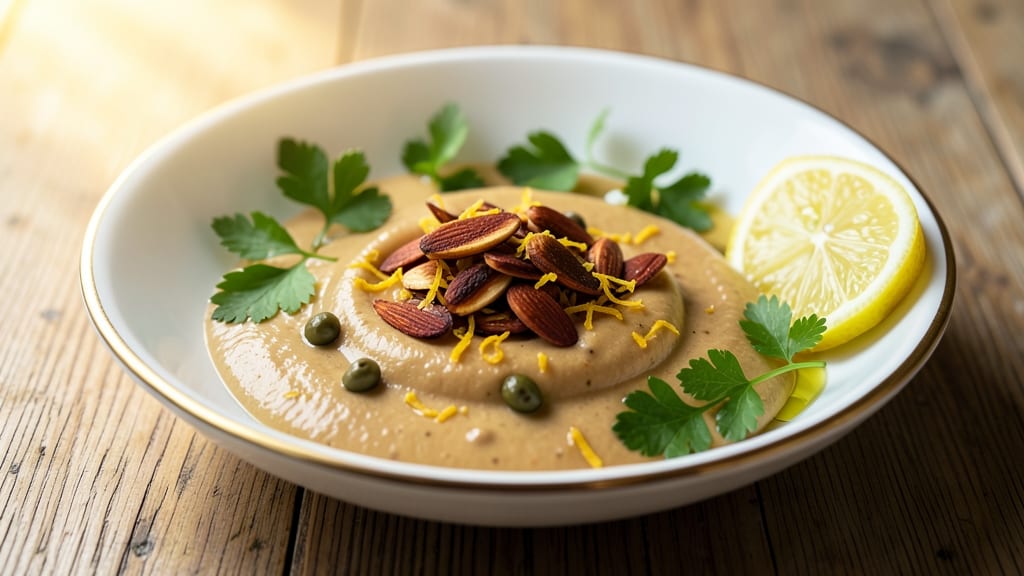
This amandine sauce recipe transforms simple pan drippings into a luxurious, nutty-lemon sauce that elevates everything from fish to vegetables. The secret lies in toasting almonds until golden and whisking them into butter and lemon juice for a velvety, aromatic finish.
I developed this version after years of restaurant-style cooking, where the right balance of acidity and richness makes all the difference.
The process is simpler than it sounds: start by browning almonds in butter until fragrant, then deglaze with white wine and lemon juice. Capers add a briny kick that cuts through the richness, while fresh parsley brightens the final sauce.
This recipe delivers restaurant-quality results in just 15 minutes, making it perfect for weeknight dinners or special occasions.
What you'll end up with is a sauce that's creamy yet light, with crunchy almond bits and a tangy lemon finish. It clings beautifully to sole, asparagus, or even grilled chicken, adding texture and depth with every bite.
The best part? It comes together while your main dish cooks, so you're not stuck at the stove.
Pair this sauce with classic dishes like sole amandine or roasted vegetables for an elegant touch. The almonds add a satisfying crunch, while the lemon and capers keep it bright and complex. Here's how to make it perfectly every time.
Ingredients for amandine sauce
Nine ingredients, fifteen minutes—this sauce turns simple pan drippings into restaurant-worthy elegance.
| Ingredient | Amount | Notes |
|---|---|---|
| Unsalted Butter 🧈 | ½ cup | Cold, cubed for even browning |
| Sliced Almonds 🥜 | ½ cup | Unsalted, thinly sliced (or slivered) |
| Dry White Wine 🍷 | ¼ cup | Sauvignon Blanc or Pinot Grigio |
| Fresh Lemon Juice 🍋 | 2 tbsp | From 1 large lemon, freshly squeezed |
| Capers 🧂 | 1 tbsp | Chopped, or whole for texture |
| Fresh Parsley 🌿 | ¼ cup | Chopped, stems removed |
| Salt 🧂 | ¼ tsp | Diamond Crystal kosher salt |
| Black Pepper 🌶️ | ⅛ tsp | Freshly ground preferred |
| Heavy Cream 🥛 | ¼ cup | Full-fat for richness (optional) |
The almonds are the star, so don’t skimp. Trader Joe's or Whole Foods carry the best thinly sliced varieties—look for ones labeled 'unsalted' to control the seasoning. Toast them until golden brown (about 3-4 minutes), but watch closely—they burn fast. The butter should be cold and cubed for even browning; Plugrá or Land O'Lakes are my go-tos. White wine matters too—go for something dry like Sauvignon Blanc or Pinot Grigio. The capers? Imported nonpareils from the Italian market add that perfect briny punch.
No white wine? Chicken or vegetable stock with a splash of lemon juice works in a pinch, but the acidity won’t be as bright. Heavy cream optional, but it adds that velvety texture—full-fat only, trust me on this. Fresh parsley is ideal, but dried at one-third the amount gets you close. The lemon juice needs to be freshly squeezed; bottled just won’t cut it. For extra richness, add a pinch of Dijon mustard to the finished sauce—it deepens the flavor without overpowering. And if you’re feeling fancy, swap the capers for cornichons for a different tang.
This sauce is best made fresh, but it keeps beautifully in the fridge for 3-4 days if stored in an airtight container. For longer storage, freeze it in ice cube trays—just thaw and whisk before using. The almonds will keep their crunch if you reheat gently over low heat. I always make extra because it disappears fast—pairs perfectly with sole, asparagus, or even grilled chicken. Just don’t boil it, or the almonds will turn to mush.
Why You'll Love This Recipe
- Five-Ingredient Magic: I swear, this sauce comes together with just butter, almonds, wine, lemon, and capers—no fancy technique required. Honestly, the hardest part is remembering to toast those almonds until they’re golden, not burnt.
- Bright & Tangy Kick: That lemon juice and capers cut through the richness like a refreshing breeze—bright, briny, and just a little bit bold. Between us, it’s the perfect balance of creamy butter and crunchy almonds with a zing that makes every bite feel special.
- Weeknight to Dinner Party: Slap this on fish, chicken, or even roasted veggies—it’s my go-to for when I want something fancy but don’t have time. (Yes, even on a Tuesday night.) The wine and capers make it feel like a restaurant dish, but honestly, it’s just a quick simmer.
- Leftovers That Don’t Suck: This sauce actually tastes better the next day—thicker, richer, and still packed with that nutty, tangy punch. I’ll be real: I’ve reheated it three times for different meals, and no one’s ever complained. Budget-friendly? Absolutely.
Step-by-step instructions for amandine sauce
Here's how to make this bright, buttery sauce that's perfect over fish or chicken.
Toast the Almonds Until Golden
Melt the 0.5 cup unsalted butter in a medium saucepan over medium heat. Once melted and foaming subsides, add the 0.5 cup sliced almonds and stir constantly. Toast for 3-4 minutes until the almonds turn a beautiful golden brown and smell nutty and toasty.
Watch carefully—almonds burn quickly. If they start to darken too much, reduce heat slightly. Remove the pan from heat and immediately transfer the toasted almonds to a small bowl. Set aside, leaving the butter in the pan. This step builds the nutty foundation of your sauce.
Deglaze with Wine and Lemon
Return the saucepan with the butter to medium heat and pour in the 0.25 cup dry white wine. Stir and scrape up any browned bits from the bottom of the pan—these contain concentrated flavor. Let the wine simmer for 2-3 minutes until reduced by about half.
Add the 2 tablespoons fresh lemon juice and 1 tablespoon capers, stirring well. The sauce should smell tangy and bright. Taste and adjust seasoning with 0.25 teaspoon salt and 0.125 teaspoon black pepper. This acidic base is what makes amandine sauce so vibrant and balanced.
Finish with Cream and Parsley
Reduce heat to low and stir in the 0.25 cup heavy cream. Let the sauce simmer gently for 2-3 minutes until it thickens slightly and coats the back of a spoon. If it thickens too much, add 1 tablespoon water to loosen it.
Remove from heat and stir in the 0.25 cup chopped parsley. The parsley adds freshness and color to the finished sauce. Taste again and adjust seasoning if needed—this sauce should be bright, tangy, and perfectly balanced.
Serve Immediately Over Protein
Keep the sauce warm in the pan until ready to serve. This sauce is best drizzled over pan-seared fish like sole or trout, or grilled chicken breast. The nutty, buttery sauce clings beautifully to protein, adding a sophisticated touch to any dish.
If making ahead, reheat gently over low heat, adding a splash of water if needed to restore the proper consistency. The sauce will keep in the refrigerator for up to 3 days in an airtight container.
Pro Tips For Making Amandine Sauce
- TOAST ALMONDS LOW: DESCRIPTION: I learned this the hard way—sizzling sliced almonds in butter over high heat turns them bitter fast. Keep the pan on medium-low and stir constantly until they’re golden, not brown. If they smell nutty but not burnt, you’re golden.
- SWEAT CAPERS FIRST: DESCRIPTION: Dump those capers straight into cold butter? They’ll just sit there. Give them a quick splash of wine to deglaze the pan first—just 30 seconds—so they soften and release their briny punch. Skimp here, and they’ll stay hard little rocks.
- REDUCE WINE AGGRESSIVELY: DESCRIPTION: After adding wine, crank the heat to high and let it boil hard until it’s cut in half. I used to simmer it gently, and the sauce ended up thin and sad. You want that alcohol cooked off fast—otherwise, the sauce tastes like you’re drinking, not eating.
- FINISH WITH LEMON ZEST: DESCRIPTION: Sure, lemon juice brightens the sauce, but zest (a teaspoon, no more) adds that pro-level texture and aroma. Add it with the juice at the very end—right when the sauce hits the table—so it doesn’t cook into oblivion. (Yes, even if you’re impatient like me.)
Regional styles of this recipe
French Classic Approach
In France, amandine sauce is traditionally paired with sole meunière or trout, where the buttery almonds contrast beautifully with delicate fish. The French version often skips the heavy cream, relying instead on beurre manié (a butter-flour paste) to thicken the sauce.
I prefer using Sauvignon Blanc for its crisp acidity, which balances the richness of the almonds. The sauce is finished with whole capers for texture and a sprinkle of chopped chives instead of parsley for a more refined touch. 🍷
Italian Twist
Southern Italian cooks often adapt amandine sauce for seafood dishes like seared scallops or grilled swordfish. They might add a pinch of red pepper flakes for heat and substitute lemon zest for extra brightness.
I've seen versions with toasted pine nuts instead of almonds, adding a different nutty depth. The Italians also love drizzling the sauce over roasted asparagus or zucchini for a vegetarian-friendly option. 🌶️
American Home Cook Style
In American home kitchens, this sauce becomes a versatile weeknight staple. Many cooks simplify it by using store-bought almond butter (like Peter Paul) mixed with lemon juice and cream, then finishing with fresh herbs.
For a quick version, I've seen people blend the toasted almonds directly into the butter before adding wine. The American adaptation often includes a splash of Dijon mustard to deepen the flavor, making it perfect for grilled chicken or roasted vegetables. 🥗
Nordic Lightness
Scandinavian chefs take a lighter approach, focusing on bright citrus flavors and minimal cream. They might use dill instead of parsley and add a squeeze of aquavit to the wine for a subtle herbal note.
The sauce is often served with pan-fried white fish like cod or pollock, emphasizing the sauce's ability to enhance rather than overpower the main dish. I love this version for its fresh, clean profile. 🌿
Mediterranean Herb Variation
In Mediterranean cuisine, this sauce gets a herb-forward twist with additions like fresh oregano or tarragon. Some versions include a splash of olive oil instead of butter, making it lighter but still rich.
I've seen it drizzled over grilled eggplant or roasted bell peppers for a vegetarian dish. The herbs add complexity, making this sauce work beautifully with grilled lamb or seafood platters. 🌿
Nutrition facts
Frequently asked questions
Can I make amandine sauce without wine?
Yes! For a wine-free version, substitute the 0.25 cup white wine with 0.25 cup chicken or vegetable stock plus 1 tablespoon lemon juice to maintain acidity. The sauce will still develop depth, though the wine adds complexity that's hard to replicate. For extra richness, add 1 teaspoon Dijon mustard with the stock.
How do I prevent the almonds from burning?
Toast almonds over medium-low heat and stir constantly—this is key! Use thinly sliced almonds (they brown faster than whole or slivered) and remove the pan from heat as soon as they turn golden. If they start to darken too much, add 1 teaspoon cold butter to the pan to cool them down immediately. The goal is nutty aroma, not color.
What's the best way to reheat amandine sauce?
Reheat gently over low heat for 1-2 minutes, stirring constantly. If the sauce thickens too much, add 1 tablespoon water or stock to loosen it. Never boil, or the almonds will lose their crunch. For leftovers, store in an airtight container and reheat just before serving—this sauce tastes best fresh and warm.
Can I use this sauce for vegetarian dishes?
This sauce pairs beautifully with roasted asparagus, grilled eggplant, or portobello mushrooms. The nutty, tangy profile complements vegetables perfectly. For extra richness, add 1 tablespoon olive oil when toasting the almonds. It also works well with polenta or crusty bread for dipping.
Why does my sauce taste bitter?
Bitterness usually comes from over-toasted almonds or reduced wine. To fix it, immediately add 1 tablespoon lemon juice or 1 teaspoon sugar to balance the flavor. For future batches, watch the almonds closely (they should smell nutty, not burnt) and reduce the wine only until it's syrupy—not dry. A pinch of salt also helps brighten the sauce.