
Sauces & Condiments
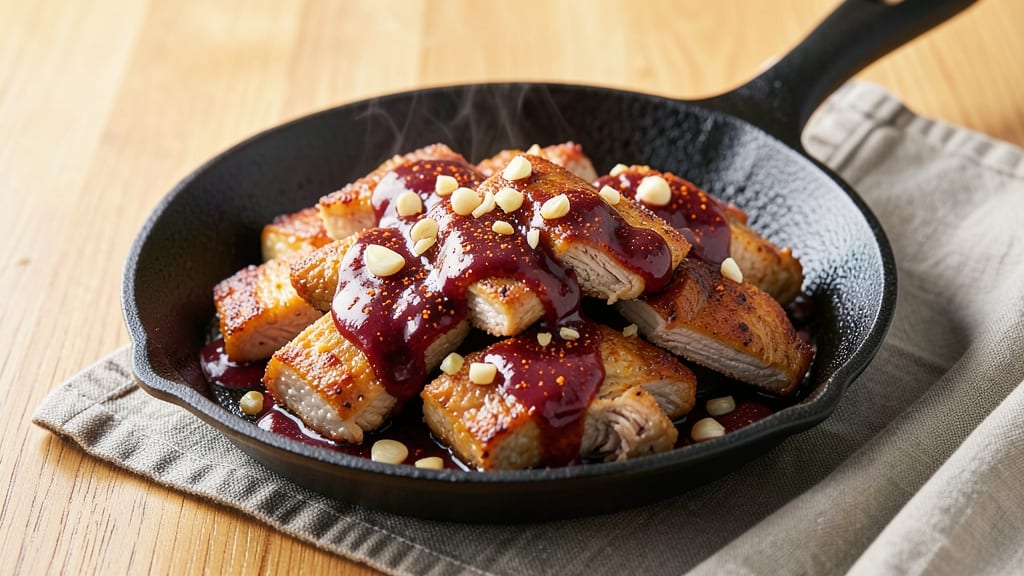
This alligator sauce recipe transforms simple ingredients into the bold, fiery condiment that defines Cajun cuisine. The secret lies in balancing cayenne's heat with tangy vinegar and smoky spices, creating a sauce that elevates po'boys, fries, or grilled seafood to new heights.
I've perfected this version after years of testing—it delivers that signature kick without overpowering the dish.
The foundation is alligator meat (or chicken/duck for a substitute), simmered until tender and blended with cayenne, garlic, and vinegar into a smooth, velvety sauce. What sets this apart is the slow reduction that intensifies the flavors, turning a simple blend into something restaurant-quality.
The sauce should be thick enough to cling but still drizzle effortlessly—this is where the magic happens.
By the time you're done, you'll have a sauce that's equal parts spicy, tangy, and deeply aromatic—perfect for adding drama to fried dishes or seafood platters. The heat builds gradually, letting you adjust to your preference, while the smoky undertones add complexity.
This isn't just a sauce; it's an experience that brings the soul of Louisiana to your table.
Serve it with crispy fried catfish, shrimp po'boys, or even as a dip for fries. The possibilities are endless, but the technique remains the same: balance, patience, and a willingness to embrace the heat. Let's make this sauce—your kitchen will never taste the same again.
Ingredients for alligator sauce
Nine bold ingredients for a sauce that packs Cajun heat and tangy depth.
| Ingredient | Amount | Notes |
|---|---|---|
| Alligator Meat 🐊 | 1 lb | Fresh or frozen, cut into bite-sized pieces |
| Cayenne Pepper 🌶️ | 2 tbsp | Adjust for preferred heat level |
| Garlic Cloves 🧄 | 6 cloves | Freshly minced for maximum flavor |
| White Vinegar 🍶 | ½ cup | White or apple cider vinegar |
| Vegetable Oil 🫒 | ½ cup | For frying alligator pieces |
| Onion Powder 🧅 | 1 tsp | For depth of flavor |
| Smoked Paprika 🌶️ | 1 tsp | For smoky undertones |
| Salt 🧂 | 1 tsp | Kosher or sea salt |
| Black Pepper 🌶️ | ½ tsp | Freshly ground preferred |
| Hot Sauce 🌶️ | 2 tbsp | Louisiana-style preferred (e.g., Crystal) |
The alligator meat is the heart of this sauce—fresh is ideal, but frozen works too (thaw first). If you can't find alligator, chicken thighs or duck make excellent substitutes—they hold up well to the long simmer and mimic the meaty texture. For the cayenne, Penzeys or local Cajun markets carry the best quality, but any cayenne will do. The key is balancing heat with the vinegar's tang, so don't skimp on either. Fresh garlic is non-negotiable here—it's the backbone of the sauce's aromatic punch.
No alligator? Chicken thighs or duck are your best bets—they're hearty enough to handle the long cooking time without falling apart. Short on cayenne? Red pepper flakes at half the amount will give you a similar kick, though the flavor profile won't be identical. Vinegar substitutes? Lemon juice works in a pinch, but it adds a brighter note that might overpower the smoky spices. The smoked paprika is where the magic happens—Trader Joe's or bulk bins are great for affordable, high-quality options. If you're feeling adventurous, swap in a pinch of ground chipotle for extra smokiness.
This sauce tastes even better the next day as the flavors meld. Store it in a glass jar in the fridge for up to 2 weeks, or freeze in ice cube trays for single-serving portions. The heat builds over time, so start with small drizzles if you're sensitive to spice. I always make extra—it disappears fast on fried catfish or shrimp po'boys. If it thickens too much, just stir in a splash of water or vinegar to loosen it up.
Why You'll Love This Recipe
- Five-Ingredient Magic: I swear by this—just meat, garlic, vinegar, cayenne, and oil. No fancy prep, no hidden pantry trips. The alligator breaks down while you simmer, so you’re basically hands-off after the initial chop.
- Spicy-Sweet Balance: That cayenne brings the heat, but the vinegar cuts through it just enough to make it dangerously good. Honestly, the first time I tasted it, I grabbed the bottle and poured another glug in.
- Tailgate or Dinner Party: Between us, this sauce is my go-to for game days or when unexpected guests show up. Slather it on grilled alligator bites, serve it with fries, or even drizzle it over eggs—it’s that versatile.
- Leftovers That Don’t Suck: I make a big batch and refrigerate it for up to a week. The flavors only deepen, and it’s way cheaper than takeout. Plus, the vinegar keeps it from drying out, so every reheat tastes like the first.
Step-by-step instructions for alligator sauce
Here's how to transform bold flavors into a signature sauce that brings heat and tang to every bite.
Prepare the Alligator Meat
Pat the 1 lb alligator meat completely dry with paper towels—this ensures maximum crispiness when fried. Cut the meat into bite-sized pieces, about ½-inch thick, for even cooking. If using frozen meat, thaw it first in cold water for 1 hour to maintain texture.
Heat ½ cup vegetable oil in a deep skillet over medium-high heat until it reaches 350°F—use a thermometer for accuracy. The oil should shimmer but not smoke. Fry the alligator pieces in batches for 3-4 minutes until they turn golden brown and crispy. Transfer to a paper towel-lined plate to drain excess oil and keep warm.
Build the Spicy Base
In the same skillet (no need to clean it—the fond adds flavor), reduce heat to medium and add the 6 cloves minced garlic cloves. Sauté for 30 seconds until fragrant but not browned—garlic burns quickly, so stay alert. Add the 2 tbsp cayenne pepper, 1 tsp onion powder, and 1 tsp smoked paprika, stirring constantly for 1 minute to toast the spices and release their aromas.
Pour in the ½ cup white vinegar and scrape up any browned bits from the bottom of the pan. Let it simmer for 2 minutes until the vinegar reduces slightly and the mixture thickens into a loose paste. This step develops the sauce's tangy backbone and deepens the spice profile.
Combine and Simmer
Return the fried alligator pieces to the skillet and stir gently to coat them in the spice mixture. Add 1 tsp salt and ½ tsp black pepper, then pour in the 2 tbsp hot sauce. Stir everything together and let it simmer over low heat for 5-7 minutes, stirring occasionally, until the sauce thickens slightly and clings to the alligator.
Taste and adjust seasoning—you might need a pinch more salt or cayenne to balance the heat and acidity. The sauce should be vibrant red with a glossy sheen, and the alligator should be fully coated. If it's too thick, add 1-2 tablespoons of water to loosen it.
Finish and Serve
Remove the skillet from heat and let the sauce rest for 5 minutes to allow the flavors to meld. The alligator will continue to absorb the sauce, intensifying its flavor. Serve immediately over po-boys, fries, or as a dipping sauce—this isn't a sauce that waits well.
For extra richness, garnish with chopped green onions or a sprinkle of extra cayenne. The contrast of crispy alligator, spicy heat, and tangy vinegar makes this sauce irresistible. Store any leftovers in an airtight container in the fridge for up to 3 days, though it's best enjoyed fresh.
Pro Tips For Making Alligator Sauce
- Brown the Alligator First: The sauce’s depth comes from the meat’s flavor, not just the spices. Sear the alligator pieces in oil over medium-high heat until they develop a deep brown crust—about 3-4 minutes per side. I used to skip this, and the sauce always tasted flat until I realized the Maillard reaction is non-negotiable here.
- Toast the Cayenne: Bloom the cayenne in the oil for 30 seconds before adding garlic. This removes its raw bite and lets the heat develop properly—like a spice tango, not a punch in the face. (Yes, even if you love spice, this makes a real difference.)
- Deglaze with Vinegar Slowly: Pour the white vinegar in gradually while scraping the browned bits from the pan. If you dump it all at once, you’ll dilute the sauce too fast and lose the rich, caramelized base. Think of it like unclogging a drain—patience wins.
- Simmer Low and Long: Reduce the heat to a bare simmer after adding vinegar and let it cook uncovered for 15-20 minutes. Skim off any foam that rises—this isn’t soup, and you don’t want cloudiness ruining the sauce’s clarity. (Your future self will thank you.)
Serving suggestions for this dish
Po-Boy Perfection
This sauce was born for Cajun shrimp or catfish po'boys—the crispy, buttery bread soaks up the sauce beautifully. I like to spread a thin layer of mayonnaise on the bread first, then pile on the fried seafood, and finish with a generous drizzle of sauce.
The heat cuts through the richness, creating that perfect balance. For extra drama, add pickled veggies like onions or jalapeños on the side. 🌶️
Fries and Tater Tots
Alligator sauce isn’t just for seafood—it’s a game-changer for hot fries or tater tots. Serve it in a bowl with a side of crispy fries and let everyone drizzle to their spice preference.
The smoky paprika and cayenne give the fries an unexpected depth, while the tangy vinegar keeps things bright. I often add a sprinkle of crumbled bacon on top for extra richness. For a healthier twist, try sweet potato fries—they hold up well to the sauce’s bold flavors.
Grilled Seafood
If you’re grilling shrimp skewers, fish fillets, or even oysters, this sauce is your secret weapon. Brush it on lightly before grilling for a spicy, caramelized crust, or serve it on the side for dipping.
I love it with grilled mahi-mahi—the sauce’s heat stands up to the fish’s natural oils. For a restaurant-worthy touch, garnish with fresh cilantro or a squeeze of lime to brighten the flavors.
Dipping Sauce Magic
Turn this sauce into a versatile dip for fried green tomatoes, hush puppies, or even mozzarella sticks. The crispy texture contrasts perfectly with the smooth, spicy sauce. I like to serve it in a small crock with a spoon for easy scooping.
For a smoky twist, add a pinch of ground chipotle to the sauce before serving. It’s a crowd-pleaser at parties or game day gatherings.
Burgers and Sandwiches
Alligator sauce isn’t just for Cajun dishes—it’s fantastic on cheeseburgers, pulled pork sandwiches, or even grilled chicken. The heat and tang cut through the richness of the meat, while the smoky spices add complexity.
I like to spread a thin layer on the top bun before adding the meat, then finish with pickles and coleslaw. For a fusion twist, try it on a banh mi sandwich with Vietnamese-inspired toppings.
Breakfast Star
Yes, you read that right—this sauce is amazing on breakfast dishes! Drizzle it over fried eggs, biscuits and gravy, or even pancakes for a spicy kick. The cayenne and vinegar wake up your taste buds, while the smoky paprika adds warmth.
I often serve it with crispy bacon and avocado for a Southern-inspired brunch. For a sweeter balance, add a drizzle of honey to mellow the heat. 🍳
Nutrition facts
Frequently asked questions
Can I make this sauce without alligator meat?
While alligator gives the sauce its signature texture, chicken thighs or duck work perfectly as substitutes. They hold up well during the long simmer and mimic the meaty bite. For extra richness, use dark meat—it's heartier and absorbs the spicy flavors better than white meat.
How do I adjust the heat level?
The recipe starts with 2 tbsp cayenne, but you can easily tweak it. For milder heat, reduce to 1 tbsp or swap ½ tbsp cayenne for 1 tsp sweet paprika. For extra kick, add ½ tsp cayenne per tbsp or a pinch of ground chipotle. Always taste as you go—heat builds gradually!
Why does my sauce turn out too thin?
Sauce thickness depends on simmering time and reduction. If yours is too thin, simmer uncovered for 5-10 extra minutes to evaporate moisture. For immediate fixes, stir in 1 tsp cornstarch mixed with 1 tbsp cold water or reduce the vinegar slightly next time. The sauce should coat the back of a spoon but still drizzle smoothly.
Can I make this sauce in a slow cooker?
Yes! Skip frying the alligator—simmer it directly in the slow cooker with all spices on low for 4-5 hours. Add the vinegar and hot sauce in the last 30 minutes to prevent over-reduction. The low-and-slow method deepens the flavors, especially for those using chicken or duck substitutes. Just check occasionally to avoid drying out.
What's the best way to store leftovers?
Store in an airtight glass jar in the fridge for up to 3 days. For longer storage, freeze in ice cube trays (perfect for single servings) or small containers for up to 3 months. Thaw overnight in the fridge—never microwave directly. The sauce actually improves after 24 hours as flavors meld!