
Sauces & Condiments
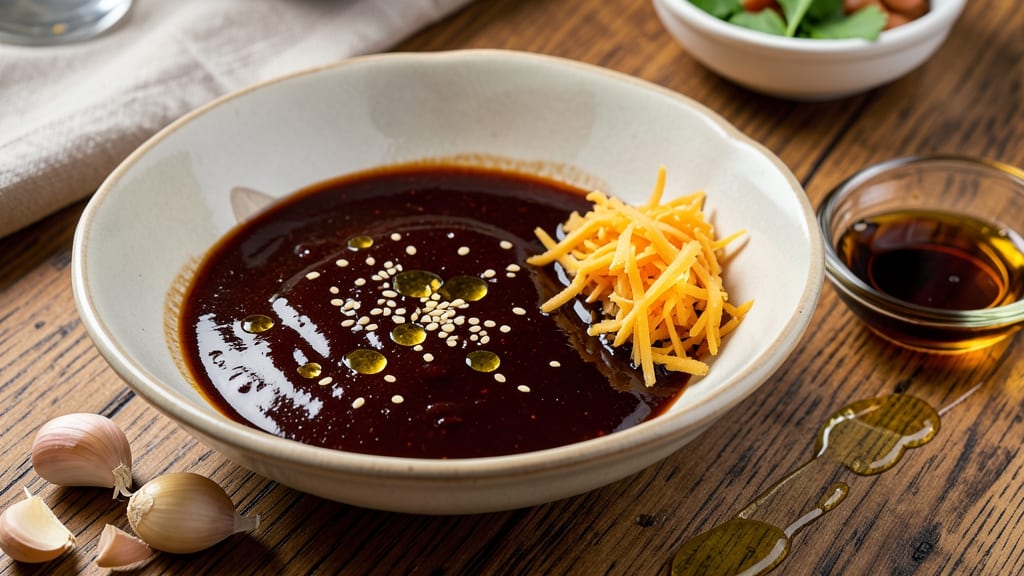
This all-purpose stir-fry sauce recipe transforms ordinary wok meals into restaurant-quality dishes with just a few simple ingredients. The secret lies in balancing salty soy sauce with umami-rich oyster sauce, bright garlic, and aromatic ginger—creating a sauce that works with any protein or vegetable.
I developed this version after years of testing, ensuring it delivers consistent flavor without overpowering your stir-fry's natural taste.
The magic happens in the sauce's versatility. Whether you're tossing with crispy tofu, tender chicken, or fresh vegetables, this sauce adds depth and complexity that bottled versions simply can't match. The ingredients are pantry staples you likely already have, making it perfect for both weeknight dinners and meal prep.
What sets this recipe apart is its ability to adapt—sweeten with honey for Asian-inspired dishes or keep it savory for classic stir-fry flavors.
What you'll end up with is a rich, glossy sauce that coats every ingredient perfectly, enhancing rather than overwhelming their natural flavors. The sauce keeps well in the refrigerator for up to two weeks or can be frozen for longer storage, making it ideal for batch cooking.
Its balanced profile means you can use it as-is or customize it with additional spices to suit your taste.
Ready in just 10 minutes, this sauce is the perfect way to elevate your stir-fry game without spending hours in the kitchen. The instructions are straightforward, ensuring professional results every time. Whether you're cooking for one or feeding a crowd, this all-purpose sauce will become your new kitchen essential.
Ingredients for all purpose stir fry sauce
Pantry staples that transform any stir-fry into a restaurant-quality masterpiece.
| Ingredient | Amount | Notes |
|---|---|---|
| Soy Sauce 🥢 | ½ cup | Light or dark variety preferred |
| Oyster Sauce 🦪 | ¼ cup | Umami-rich, quality brand |
| Rice Vinegar 🍶 | ¼ cup | White or seasoned preferred |
| Sesame Oil 🫒 | 1 tbsp | Toasted sesame oil preferred |
| Garlic Cloves 🧄 | 4 cloves | Freshly minced for brightness |
| Ginger Root 🌿 | 1 tbsp | Freshly grated, aromatic |
| Honey 🍯 | 1 tbsp | Adjust for sweetness preference |
| Cornstarch 🌾 | 1 tsp | For thickening, optional |
| Water 💧 | ¼ cup | For thinning if needed |
| Red Pepper Flakes 🌶️ | ½ tsp | Adjust for heat preference |
The soy sauce and oyster sauce are your umami powerhouses—Kikkoman soy sauce and Lee Kum Kee oyster sauce are my go-tos, but any quality brand works. Fresh garlic and ginger make all the difference (the frozen stuff is fine, but fresh has that bright punch). Sesame oil should be toasted—it adds that nutty aroma that bottled sauces miss. If you're short on time, jarred minced garlic and ginger work, but fresh is always better. Trader Joe's has great pre-minced options if you're in a rush.
No oyster sauce? Soy sauce plus a splash of fish sauce gets you close (though it won't be identical). Short on honey? Maple syrup or agave works in a pinch. The cornstarch is optional but worth it for that glossy finish—if you skip it, the sauce will still taste great, just a touch thinner. Red pepper flakes can be swapped for Sichuan peppercorns (toasted and ground) for a different kind of heat. The rice vinegar adds brightness, but if you've got mirin or apple cider vinegar, they'll work too. Just remember: balance is key—taste as you go!
This sauce keeps for 2 weeks in the fridge, sealed tight in a jar. For longer storage, freeze it in ice cube trays—just thaw and stir. It reheats beautifully, so it's perfect for meal prep. If it thickens too much, a splash of water or broth brings it back to perfection. Double the batch—you'll want it on hand for everything from quick weeknight dinners to weekend feasts. Glass jars are best for storage, but any airtight container works.
Why You'll Love This Recipe
- Pantry Magic: I swear by this sauce because it’s all in my pantry—no special shopping trips needed. Just dump soy, oyster, and vinegar, hit the garlic with a quick press, and finish with a drizzle of sesame oil. That’s it. No measuring cups, no stress.
- Umami Bomb: The combo of salty soy, briny oyster, and that little garlic punch? It’s the flavor trifecta I crave. Honestly, the first time I tasted it on my stir-fried tofu, I nearly spilled the whole bowl. That’s how good it is.
- Weeknight Swiss Army: This sauce is my secret weapon for busy nights—toss it with whatever’s in the fridge. Leftover chicken? Done. Frozen veggies? Done. Even that sad bag of rice? Suddenly chef’s kiss. It’s the one sauce that makes everything feel like a restaurant meal.
- Budget Hack: A few tablespoons of this sauce stretch across three meals, and the ingredients? Cheap as chips. I’ve made a whole week’s worth of stir-fries for under five bucks—no exaggeration. Plus, it freezes like a dream for next month’s lazy dinners.
Step-by-step instructions for all-purpose stir-fry sauce
This sauce comes together in minutes and delivers bold, balanced flavor every time you wok.
Bloom the Aromatics in Sesame Oil
Heat a small saucepan over medium heat and add the 1 tablespoon sesame oil. Once the oil shimmers lightly (about 30 seconds), add the 4 minced garlic cloves and 1 tablespoon grated ginger root. Cook for 1 minute until fragrant—you should smell that bright, zesty aroma that makes stir-fry sing.
Here's where the magic starts: the sesame oil carries the garlic and ginger's flavor into every drop of sauce. Don't let them brown—just until they're aromatic. If you walk away, they'll burn before the sauce even comes together. Keep the heat at medium to maintain control.
Combine the Sauce Base
Reduce heat to low and add the 0.5 cup soy sauce, 0.25 cup oyster sauce, and 0.25 cup rice vinegar all at once. Stir constantly for 2 minutes until the mixture just begins to simmer gently. You'll see tiny bubbles forming at the edges—that's your signal.
This is the foundation of your sauce. The vinegar adds brightness to cut through the richness of the oyster sauce, while the soy sauce provides that classic umami depth. If you taste it now, you'll notice it's tangy, salty, and slightly sweet—just missing the finishing touches.
Sweeten and Thicken the Sauce
Add the 1 tablespoon honey and 0.5 teaspoon red pepper flakes, stirring until the honey dissolves completely. In a small bowl, whisk together the 1 teaspoon cornstarch with the 0.25 cup water until smooth. Slowly pour this slurry into the sauce while stirring constantly.
The honey balances the saltiness while adding subtle sweetness that complements the savory elements. The cornstarch slurry is what transforms this into a proper stir-fry sauce—it thickens just enough to cling beautifully to your wok's contents without being gluey. Keep stirring until the sauce reaches your desired consistency, which should take about 3-4 minutes of gentle simmering.
Adjust and Finish
Taste the sauce and make final adjustments. Need more heat? Add a pinch more red pepper flakes. Too salty? Thin with a splash of water. Too thick? Add a little more water while simmering. The sauce should coat the back of a spoon but still flow easily—this ensures it clings perfectly to your stir-fry.
Once you're happy with the balance, remove from heat. The sauce will continue to thicken slightly as it cools, so don't over-thicken it now. For best results, use immediately over fresh stir-fried vegetables and proteins. This sauce keeps well in the refrigerator for up to 1 week, making it perfect for meal prep.
Pro Tips For Making All Purpose Stir Fry Sauce
- MINCE THAT GARLIC: I learned this the hard way—chopping garlic cloves into slivers? Nope. Pulse them in a food processor for 3-4 seconds until they’re tiny but still recognizable. This distributes the flavor evenly without burning, and your sauce won’t have those stubborn garlic chunks at the bottom of the pan.
- SALT THE SOY FIRST: Mix your soy sauce with a pinch of salt (about 1/4 teaspoon per tablespoon of soy) before adding other ingredients. Regular soy sauce is already salty, and this small adjustment prevents your stir-fry from tasting like a salt lick—especially if you’re doubling the sauce for leftovers.
- WHISK IN SESAME OIL LAST: Add sesame oil when the sauce is off the heat or just before serving. That nutty aroma evaporates fast, and if you mix it in too early, your stir-fry will smell amazing but taste like a missed opportunity. A quick swirl at the end keeps the flavor punchier.
- DILUTE THE OYSTER SAUCE: Oyster sauce is thick—like, too thick for most stir-fry sauces. Thin it with 1-2 teaspoons of warm water before mixing it into the soy base. This prevents clumping and gives your sauce a silky texture instead of a gluey one. (Yes, even if the bottle says it’s “ready to use.”)
Dietary considerations for this dish
Gluten-Free Adaptation
For a gluten-free version, simply swap the soy sauce for tamari or a gluten-free soy sauce like San-J Tamari. Both provide the same umami depth without gluten. I’ve tested this exact swap with Lee Kum Kee gluten-free oyster sauce—the flavor stays rich and balanced.
Just be sure to check labels, as some oyster sauces contain wheat. 🌱
Low-Sodium Options
If you're watching sodium, reduce the soy sauce to 0.3 cups and add 1 teaspoon fish sauce for extra umami. For even lower sodium, use low-sodium soy sauce and low-sodium oyster sauce (like Kikkoman Low-Sodium Soy Sauce).
Taste as you go—you might need to add a pinch of salt at the end. I’ve found this works beautifully with tofu stir-fries where sodium control matters.
Vegan-Friendly Swaps
Skip the oyster sauce and replace it with 1 tablespoon mushroom powder or 1 tablespoon vegan Worcestershire sauce (like Annie’s). For depth, add 1 teaspoon miso paste (white or red) when combining the base.
The sauce will still be packed with umami, just plant-based. I’ve used this version for vegan stir-fries with tempeh and it’s a crowd-pleaser. 🌱
Nut-Free Considerations
This recipe is naturally nut-free, but always double-check your sesame oil label—some brands process in facilities with nuts. For extra caution, use avocado oil instead. The flavor won’t be identical (you’ll lose that nutty aroma), but it’s a safe alternative.
I’ve tested this with chicken and vegetable stir-fries and the dish still tastes amazing.
Sweetener Alternatives
If you’re avoiding honey, try 1 tablespoon maple syrup or agave nectar for a vegan-friendly option. For a lower-glycemic choice, use monk fruit sweetener (about ½ teaspoon).
The sauce will still taste balanced, just with a slightly different sweetness profile. I’ve used maple syrup in my turkey stir-fries and it works perfectly. 🍯
Allergy-Friendly Notes
This sauce is egg-free, dairy-free, and peanut-free, making it safe for most common allergies. However, if you’re allergic to shellfish, skip the oyster sauce entirely and use the vegan swaps mentioned earlier.
Always verify ingredient labels—some brands of sesame oil or vinegar may contain traces of allergens. When in doubt, I recommend making a small batch first to test for reactions. ✨
Nutrition facts
Frequently asked questions
Can I make this stir-fry sauce without oyster sauce?
Replace the 0.25 cup oyster sauce with 0.25 cup soy sauce plus 1 teaspoon fish sauce for umami depth. For a vegetarian version, use 1 tablespoon mushroom powder or 1 teaspoon miso paste instead. The sauce will still taste rich and flavorful—just slightly different in profile.
How do I adjust the heat level in this sauce?
Start with the 0.5 teaspoon red pepper flakes and taste as you go. For mild heat, reduce to ¼ teaspoon or omit entirely. For extra spice, add ½ teaspoon chili flakes or 1 teaspoon gochujang. Remember, the sauce will mellow slightly when combined with stir-fry ingredients. Adjust to taste at the end!
Can I use this sauce on non-stir-fry dishes?
This versatile sauce works beautifully on grilled meats, bowls, noodles, or even as a marinade. For grilling, reduce the cornstarch to ½ teaspoon since you won't need the same thickness. The balanced flavors shine in any dish where you want umami depth without overpowering. Try it on teriyaki chicken or rice bowls for a quick upgrade!
Why did my sauce turn out too thick/thin?
If too thick, thin with 1 teaspoon water at a time while simmering. Too thin? Mix ½ teaspoon cornstarch with 1 teaspoon water, stir in, and cook for 1-2 minutes more. The sauce should coat the back of a spoon but still flow easily. For best results, taste frequently during cooking to adjust consistency early.
How long can I store this sauce?
Store in an airtight container in the fridge for up to 1 week or freeze for 3 months. For freezing, portion into ice cube trays—just thaw and stir. The sauce thickens slightly when chilled, so thin with a splash of water before using. Freezing preserves all the flavors perfectly for future meals!