
Sauces & Condiments
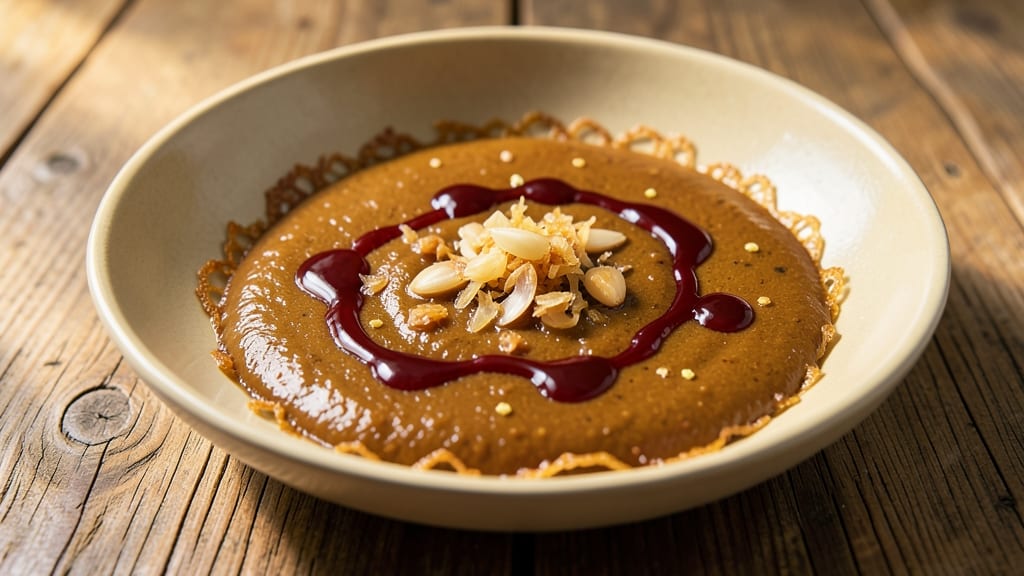
This all-purpose sauce recipe transforms simple pantry staples into a flavorful foundation that elevates everything from roasted chicken to sautéed vegetables. The secret lies in a balanced blend of butter, flour, and stock—a classic roux technique that creates a velvety, adaptable sauce ready in just 15 minutes.
It’s the kind of versatile base that professional chefs rely on, yet requires no special skills to master.
The beauty of this sauce is its infinite adaptability. Start with a neutral flavor profile, then customize with herbs, spices, or a splash of wine to match your dish.
Whether you’re deglazing a pan after searing steak or tossing it with roasted potatoes, this sauce delivers rich, restaurant-quality depth without the fuss. The key is patience—letting the roux cook until golden ensures a smooth, lump-free finish every time.
What you’ll end up with is a smooth, glossy sauce that clings beautifully to proteins, grains, or vegetables, adding layers of flavor with minimal effort. The best part? It keeps well in the fridge for up to 5 days or freezes perfectly for later use.
This isn’t just a sauce—it’s a time-saving game-changer that turns ordinary meals into standout dishes.
Use it as a base for gravies, drizzle it over pasta, or toss it with roasted vegetables. The possibilities are endless, and the process couldn’t be simpler. Let’s get started—your next meal is about to get an upgrade.
Ingredients for all purpose sauce
Nine simple ingredients transform into the ultimate versatile sauce foundation.
| Ingredient | Amount | Notes |
|---|---|---|
| Unsalted Butter 🧈 | ½ cup | Cold, cubed for even cooking |
| All-Purpose Flour 🌾 | ½ cup | Sifted for smooth sauce |
| Vegetable Stock 💧 | 2 cups | Homemade or quality store-bought |
| Shallot 🧅 | 1 whole | Minced for subtle sweetness |
| Garlic Cloves 🧄 | 2 cloves | Peeled, finely minced |
| White Wine 🍷 | ¼ cup | Dry variety preferred |
| Heavy Cream 🥛 | ½ cup | Full-fat for richness |
| Diamond Crystal Kosher Salt 🧂 | ½ tsp | Adjust to taste |
| Freshly Ground Black Pepper 🌶️ | ¼ tsp | For finishing |
| Fresh Thyme Leaves 🌿 | 1 tbsp | Chopped, optional garnish |
The butter and flour form the sauce's backbone—don't rush the roux. European-style butter like Plugrá or Land O'Lakes gives richer flavor, but any unsalted works. For flour, King Arthur or Bob's Red Mill brands are reliable choices. Shallots add depth without overpowering—if you can't find them, substitute 1 tbsp finely chopped red onion. The key is patience: cook the roux until it's a deep golden color, about 5-7 minutes, or it'll taste raw. Fresh thyme from the grocery store's produce section is ideal, but dried at one-third the amount works too.
No white wine? Substitute extra vegetable stock—just reduce the total liquid by 2 tbsp. Heavy cream can be swapped for half-and-half or coconut milk for a lighter version. If you're making this ahead, omit the cream until reheating—it separates when stored. For a dairy-free option, use cashew cream (blend soaked cashews with water). The salt should be added gradually—taste as you go. If you're using pre-minced garlic from a jar, drain and rinse it first to remove excess moisture, which can make your sauce watery.
This sauce freezes beautifully—portion into ice cube trays for easy use later. In the fridge, it keeps for 5 days in an airtight container. For extra richness, stir in a pat of butter when reheating. If it thickens too much, whisk in a splash of stock or water. The sauce doubles as gravy, pasta sauce, or a drizzle for roasted vegetables—make a double batch and thank me later. Store any leftovers in the freezer for up to 3 months.
Why You'll Love This Recipe
- Pantry Magic: I swear by this sauce because it lives in my fridge, not my recipe box. Just butter, flour, stock, and a quick sauté of shallots and garlic—no fancy ingredients, just pure flavor that transforms whatever you’re cooking.
- Rich Without Effort: That golden roux of butter and flour? It’s the secret. Whisk it right into simmering stock, and suddenly you’ve got a velvety base that’s deeper than takeout but takes half the time. Honestly, I make it weekly, and no one ever guesses how simple it is.
- Weeknight Swiss Army: This sauce is my meal prep MVP. Drizzle it over roasted veggies, toss it with pasta, or use it to deglaze a pan for proteins—it’s the glue that makes everything taste like it was simmered for hours. (Yes, even on a Tuesday night.)
- Budget-Friendly Luxury: A stick of butter, a bag of flour, and a jar of stock? That’s it. It stretches across multiple meals, freezes like a dream, and turns basic ingredients into something restaurant-worthy without breaking the bank. My wallet and taste buds thank me every time.
Step-by-step instructions for all-purpose sauce
This velvety sauce comes together in under 30 minutes—simple steps, big flavor.
Create the Roux Foundation
In a medium saucepan, melt the 0.5 cup unsalted butter over medium heat. Once fully melted and foaming subsides, immediately whisk in the 0.5 cup all-purpose flour all at once. Stir constantly for 2-3 minutes until the mixture turns a rich, golden brown color—this is your roux, and it's the secret to a smooth, flavorful sauce.
Here's the thing—don't walk away. A roux burns faster than you think, and burned flour tastes bitter. You'll know it's ready when it smells nutty and coats the back of a spoon like thick paste. If it starts to darken too quickly, reduce the heat slightly. This foundational step builds the sauce's body, so take your time.
Cook the Aromatics
Add the minced shallot and finely minced garlic cloves to the saucepan. Stir to coat them completely in the roux, then cook for 1-2 minutes until the shallots soften and become translucent. You should smell their sweet, fragrant aroma filling your kitchen—this is where the sauce gets its depth of flavor.
Be careful not to let the garlic brown. It should just perfume the mixture, not turn dark. If it starts to darken too quickly, remove the pan from heat for 30 seconds to cool slightly before continuing. The garlic should be invisible when the sauce is finished—just there to add flavor, not texture.
Deglaze with Wine
Pour in the 0.25 cup white wine and stir vigorously to scrape up any browned bits from the bottom of the pan. These bits, called fond, are packed with flavor. Let the mixture simmer gently for 2-3 minutes until the wine has mostly evaporated and you're left with a glossy, reduced liquid.
This deglazing step lifts all those delicious caramelized bits from the pan, incorporating them into the sauce. You'll notice the sauce thicken slightly as the alcohol cooks off. If you're using a particularly dry white wine, you might want to add an extra splash of vegetable stock at this point—just enough to keep the sauce moving smoothly.
Build the Sauce Base
Gradually whisk in the 2 cups vegetable stock, about ½ cup at a time, allowing each addition to incorporate completely before adding more. Bring the mixture to a gentle simmer and cook for 5-7 minutes, stirring occasionally, until slightly thickened. The sauce should coat the back of a spoon but still flow freely.
This gradual addition prevents the sauce from breaking or becoming lumpy. Stir frequently to prevent the roux from settling at the bottom. You're looking for a velvety consistency that's rich but still pourable. If it thickens too quickly, add a splash more stock to reach your desired consistency.
Finish with Cream and Season
Reduce the heat to low and stir in the 0.5 cup heavy cream. Let the sauce simmer gently for 2-3 minutes until slightly thickened and heated through. Season with the 0.5 teaspoon diamond crystal kosher salt and 0.25 teaspoon freshly ground black pepper, then stir in the 1 tablespoon fresh thyme leaves. Taste and adjust the seasoning if needed.
The cream adds luxurious richness and helps balance the acidity from the wine. The thyme leaves infuse subtle earthy notes that elevate the entire sauce. For a smoother texture, you can strain the sauce through a fine-mesh sieve to remove any thyme stems. Serve immediately over your favorite proteins, grains, or vegetables—this sauce is your new culinary Swiss Army knife.
Pro Tips For Making All Purpose Sauce
- COOK SHALLOTS LOW: Shallots caramelize fast—too fast. Sauté them on medium-low heat with a pinch of salt until soft and translucent (about 5 minutes), then add garlic. I learned this the hard way after burning three batches where the shallots turned bitter before the garlic even hit the pan.
- WHISK FLUOR PASTE: When you add flour to butter, don’t just stir—whisk it into a smooth paste first. This prevents lumps and ensures a silky texture. I was skeptical until I tried it; now I double-check this step before adding stock.
- SIMMER NOT BOIL: Once the stock hits the roux, reduce to a gentle simmer. Boiling can break the sauce’s emulsion, making it split. Keep it at a low bubble—just enough to see tiny ripples—and stir occasionally. Sounds weird, but it works.
- SALT THE STOCK: Taste your vegetable stock before adding it to the sauce. If it’s unsalted, season it now—this sauce carries flavor, and you don’t want to overdo it later. I skip this when I’m lazy, but the dish is noticeably better when I don’t.
Serving suggestions for this recipe
Protein Pairings
This sauce transforms simple proteins into restaurant-worthy dishes. Drizzle it over seared chicken breasts or pan-seared salmon for instant elegance—just 2 tablespoons elevates the dish. For beef lovers, toss it with grilled steak strips or use it as a base for beef bourguignon.
The sauce clings beautifully to roasted turkey breast, making it perfect for holiday meals. 🍗
For a quick weeknight dinner, mix ½ cup of sauce with cooked ground beef or Italian sausage and serve over pasta. The sauce also works wonders with shredded chicken—simply toss it with ¼ cup sauce and a pinch of smoked paprika for a creamy, flavorful dish.
I often make a double batch on Sundays so I have it ready for impromptu meals.
Vegetable Elevations
Roasted vegetables become irresistible with this sauce. Toss brussels sprouts or asparagus with 1 tablespoon olive oil>, roast until tender, then drizzle with 2 tablespoons sauce and a sprinkle of Parmesan cheese.
The sauce also pairs beautifully with mushrooms—sauté them in butter, then finish with 3 tablespoons sauce> and fresh parsley. 🌿
For a vegetarian main, mix ½ cup sauce> with cooked quinoa or farro and top with toasted pine nuts and sun-dried tomatoes. It even works as a dip for crudités—serve with carrot sticks and celery for a sophisticated appetizer.
The sauce’s versatility makes it perfect for both hearty and light vegetable dishes.
Grain Game-Changer
Turn ordinary grains into gourmet dishes with this sauce. Stir ¼ cup sauce> into cooked mashed potatoes or sweet potatoes for a creamy, flavorful twist. For risotto, deglaze the pan with white wine, then add ½ cup sauce> at the end for richness.
The sauce also enhances couscous—toss it with 2 tablespoons sauce> and fresh herbs for a quick Middle Eastern-inspired meal. 🍚
For a comforting side, mix 3 tablespoons sauce> with buttered noodles and top with grated Gruyère cheese. The sauce’s velvety texture makes it ideal for stuffed bell peppers—use it as the filling base and bake until tender.
It’s a game-changer for turning simple grains into standout dishes with minimal effort.
Pasta Perfection
This sauce is a dream for pasta dishes. Toss cooked fettuccine or linguine with ½ cup sauce> and a handful of cherry tomatoes. For extra richness, stir in 2 tablespoons cream cheese> at the end.
The sauce also works as a carbonara substitute—combine it with crispy pancetta and Pecorino Romano for a creamy, flavorful twist. 🍝
For a lighter option, use the sauce as a pesto alternative—toss it with whole wheat pasta and fresh basil. It even elevates ramen—add 3 tablespoons sauce> to the broth and top with a soft-boiled egg.
The sauce’s adaptability makes it perfect for both classic and creative pasta dishes.
Nutrition facts
Frequently asked questions
Can I make this sauce without wine?
Yes! Simply replace the 0.25 cup white wine with an extra 0.25 cup vegetable stock. The wine adds depth, but the sauce will still be delicious. For a different flavor profile, try substituting with apple cider or chicken stock instead. The key is maintaining the same total liquid volume for proper consistency.
How do I prevent lumps in my sauce?
Lumps happen when the roux and liquid aren't properly incorporated. Always whisk vigorously when adding the vegetable stock—go slow, about ½ cup at a time, and stir until completely smooth before adding more. For extra insurance, use a handheld immersion blender for 10 seconds after combining all ingredients. If lumps appear later, strain through a fine-mesh sieve.
What's the best way to store leftover sauce?
Store in an airtight container in the fridge for up to 5 days. For longer storage, freeze in ice cube trays (thaw as needed) or silicone molds for easy portioning. When reheating, warm over low heat while stirring constantly to prevent scorching. Add a splash of stock or water if it thickens too much during reheating.
Can I make this sauce dairy-free?
Replace the 0.5 cup heavy cream with 0.5 cup coconut cream or cashew cream (blend soaked cashews with water). For the roux, use vegetable oil or olive oil instead of butter. The sauce will still be rich and velvety—just check that all other ingredients are dairy-free. This version works perfectly with plant-based proteins and vegetables.
Why did my sauce turn out too thin?
This usually happens when the roux wasn't cooked long enough or too much liquid was added. Next time, cook the roux until it reaches a deep golden brown color (about 5-7 minutes) and reduce the stock slightly by simmering uncovered for 3-5 extra minutes. If it's already too thin, simmer uncovered for 5-10 minutes to reduce it, or thicken with a cornstarch slurry (1 tbsp cornstarch + 1 tbsp cold water).