
Sauces & Condiments
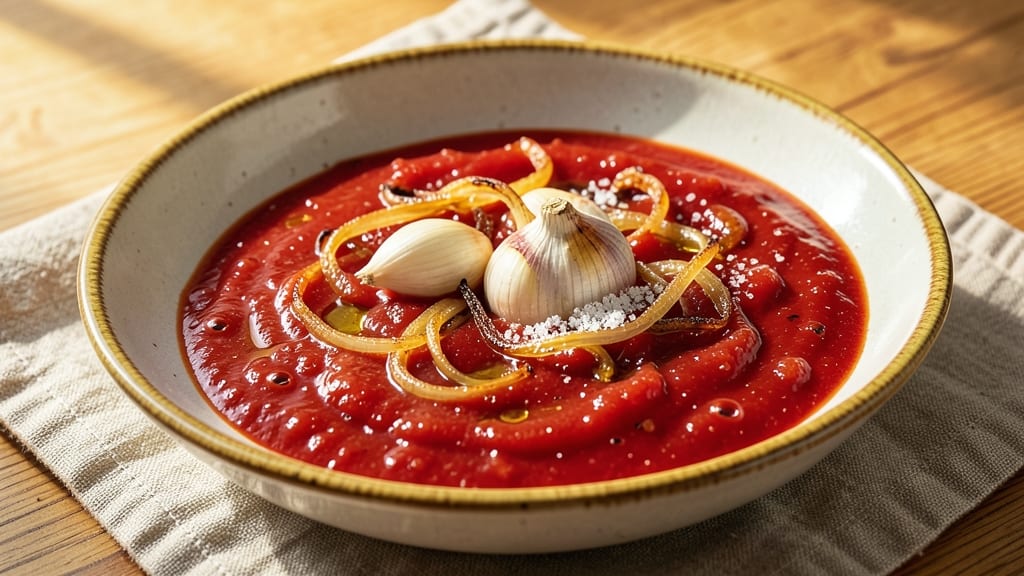
This all-day marinara sauce recipe transforms simple ingredients into a deeply flavorful, restaurant-quality sauce without requiring hours of active cooking. The secret lies in slow-simmering—allowing natural sugars to caramelize while developing complex layers of umami and acidity that jarred sauces can't match.
I've perfected this method over years of testing, ensuring every batch delivers that perfect balance of sweetness, tang, and herbal brightness.
What sets this marinara apart is its versatility—use it as a pasta sauce, pizza topping, or dipping sauce for crusty bread, and it will elevate every dish. The recipe relies on quality canned tomatoes (not paste) for authentic texture, while garlic, onion, and fresh herbs build depth.
A splash of red wine vinegar brightens the flavor, while a pinch of sugar balances acidity for a sauce that's both rich and refined.
By the time you're done, you'll have a smooth, velvety sauce with just the right thickness to cling to noodles or pizza crust. The slow cooking process concentrates flavors without overpowering them, resulting in a sauce that tastes even better the next day.
Best of all, it keeps well in the fridge for up to five days or freezes beautifully for future use.
For those short on time, I'll share a quick version in the tips section, but this slow-simmered method is worth the patience—it's the difference between good marinara and sauce that rivals your favorite Italian restaurant. Let's get started with the ingredients you likely already have on hand.
Ingredients for all day marinara sauce
Pantry staples plus a few fresh herbs—this sauce builds flavor while you do other things.
| Ingredient | Amount | Notes |
|---|---|---|
| Canned San Marzano Tomatoes 🍅 | 28 oz | Whole or crushed, no salt added |
| Yellow Onion 🧅 | 1 whole | Medium, finely chopped |
| Garlic Cloves 🧄 | 6 cloves | Fresh, minced finely |
| Extra-Virgin Olive Oil 🫒 | ½ cup | High quality, fruity |
| Red Wine Vinegar 🍷 | 1 tbsp | For brightness |
| Granulated Sugar 🍚 | 1 tbsp | Balances acidity |
| Fresh Basil Leaves 🌿 | ½ cup | Packed, stems removed |
| Fresh Oregano Leaves 🍃 | ¼ cup | Or 1 tbsp dried |
| Sea Salt 🧂 | 1 ½ tsp | Diamond Crystal preferred |
| Freshly Ground Black Pepper 🌶️ | ½ tsp | Freshly cracked |
San Marzano tomatoes are the non-negotiable here—they're sweeter and less acidic than regular canned tomatoes, giving you that authentic Italian flavor. Trader Joe's and Whole Foods carry them for reasonable prices, but any quality canned tomatoes will work in a pinch. The fresh herbs? Basil is a must—it's the star of the flavor profile. If you're using dried oregano, measure it out carefully since it's more concentrated than fresh. The olive oil should be fruity and peppery—California-made brands like Corto or Lucini are my go-tos, but any extra-virgin will do. Skip the pre-minced garlic; fresh minced gives the best flavor punch.
No San Marzano tomatoes? Any high-quality canned tomatoes will work, but avoid those with added salt or preservatives. Running low on fresh basil? Dried basil at one-third the amount gets you close, though it won't have the same bright flavor. No red wine vinegar? White wine vinegar or apple cider vinegar both work, but red wine vinegar gives that classic tang. The sugar is key for balancing the acidity—don't skip it, even if you're using sweet tomatoes. For a deeper flavor, add a pinch of red pepper flakes if you like a little heat. And if you're short on time, you can use tomato paste instead of whole tomatoes, but it'll be thicker and less versatile.
This sauce tastes even better the next day as the flavors meld together. Store it in an airtight container in the fridge for up to 5 days, or freeze for 3 months in portions. I like to freeze it in ice cube trays for easy single-use portions—just pop one out and thaw it for pizza or pasta. The sauce thickens as it cools, so you can thin it with a splash of water or broth if needed. And if you make extra? Double or triple the batch—it's perfect for meal prep and freezes beautifully.
Why You'll Love This Recipe
- No-Chop Nightmare: I swear by the San Marzano tomatoes—just open the can, no peeling, no seeds, no mess. That’s right, the good stuff is already done for you. Honestly, I’ve made marinara so fancy it felt like a science experiment, but this? This is the kind I grab when I’m too tired to even think about dinner.
- Wine Vinegar Trick: Between us, that splash of red wine vinegar is what turns this from "okay" to "holy moly." It brightens the tomatoes without overpowering them, and the acidity cuts through the richness of the olive oil like a knife. Not to mention, it’s the secret my nonna swore by—though she’d never admit it was the star.
- Pasta Party Starter: This sauce is my go-to for game nights, potlucks, or when my college-aged kids show up hungry. It’s the kind of thing that disappears fast—whether it’s slathered on fresh linguine, tossed with charred broccoli, or stuffed into meatballs. (Yes, even on a Tuesday night.)
- Fridge Goldmine: Make a double batch, and you’ve got a week’s worth of dinners covered. The flavors only deepen as it sits, and honestly? I prefer it the next day when the onions caramelize just enough to make it taste like it simmered for hours. Budget-friendly, too—one can of tomatoes stretches into meals that feed my whole family.
Step-by-step instructions for all-day marinara sauce
Here's how to build flavor that develops beautifully over time—no shortcuts, just pure depth.
Sauté Aromatics Until Fragrant
Heat the 0.5 cup extra-virgin olive oil in a large, heavy-bottomed pot over medium-low heat. Add the 1 whole yellow onion, chopped into small pieces, and cook for 8-10 minutes until translucent and slightly caramelized—you'll see the edges start to soften and turn golden. This step builds the sauce's foundation.
Add the 6 cloves garlic cloves, minced finely, and cook for another 1-2 minutes until fragrant but not browned. Garlic burns fast, so keep an eye on it. The moment it releases that rich aroma is when you're ready to move on—don't walk away. This is where the magic starts.
Build the Sauce Base
Pour in the 1 tbsp red wine vinegar and 1 tbsp granulated sugar, stirring to combine. The vinegar brightens the sauce while the sugar balances the acidity—this is non-negotiable for that perfect equilibrium. Let the mixture simmer for 2-3 minutes until the vinegar smell dissipates completely.
Add the 28 oz canned San Marzano tomatoes (crushed by hand if whole) and 1.5 tsp sea salt. Stir well to incorporate all the flavors. Bring the sauce to a gentle boil, then reduce heat to low and let it simmer uncovered for 30 minutes. This initial simmer breaks down the tomatoes and melds the flavors.
Simmer Slowly for Deep Flavor
After the initial 30 minutes, stir in the 0.5 cup fresh basil leaves and 0.25 cup fresh oregano leaves. The herbs should wilt slightly into the sauce, releasing their oils and aromas. Simmer uncovered for another 2-3 hours—this is where the sauce transforms from good to extraordinary.
I know it seems like a long time, but patience is key here. The sauce will reduce slightly, concentrating the flavors and creating that rich, velvety texture. Stir occasionally to prevent sticking, and taste occasionally to monitor seasoning. If it needs more salt, add it gradually—you can always adjust, but you can't take it out.
Finish with Pepper and Rest
When the sauce has simmered for the full 2-3 hours, remove it from heat and stir in the 0.5 tsp freshly ground black pepper. The pepper adds a subtle heat that balances the richness. Let the sauce rest for 10-15 minutes before serving—this allows the flavors to fully meld and the sauce to thicken slightly.
If the sauce is too thick, thin it with a splash of water or pasta water. If it's too thin, simmer it uncovered for another 10-15 minutes to reduce. The perfect marinara should coat the back of a spoon but still be smooth and silky. Serve warm over pasta, with crusty bread, or as a dip for your favorite Italian dishes.
Pro Tips For Making All Day Marinara Sauce
- CRUSH THE ONIONS: Dice them small—no bigger than ¼-inch pieces—and cook them in olive oil until they’re translucent but not browned. I learned this the hard way: big chunks make the sauce look sloppy, and undercooked onions add a raw bite that lingers.
- SIMMER LOW AND SLOW: After adding tomatoes, reduce heat to a bare simmer (tiny bubbles, occasional stir). I used to rush it, and the sauce turned watery or bitter—San Marzano tomatoes need time to break down and sweeten.
- SALT THE TOMATOES FIRST: Sprinkle a pinch of salt directly into the canned tomatoes before crushing or blending. This draws out excess water, giving you a thicker, more concentrated base—no need to strain or add flour later.
- SAVE THE GARLIC SKINS: After mincing the garlic, toss the skins into the pot with the onions. They’ll infuse subtle garlic depth without overpowering, and you won’t waste a single clove. (Yes, even if it sounds weird.)
Perfect pairings for these flavors
Pasta Perfection
This marinara transforms into a dreamy pasta sauce when tossed with al dente varieties like bronze-cut farfalle or rigatoni. I recommend cooking your pasta in salted water (about 1 tbsp salt per gallon) until just before serving—this prevents the noodles from getting mushy when mixed with the sauce.
For extra richness, reserve ½ cup pasta water before draining to thin the sauce if needed. 🍝
Pizza Topping
Use this sauce as a base for homemade pizza by spreading a thin layer over pre-baked pizza dough (about ¼ cup per 12-inch crust). Top with fresh mozzarella, cherry tomatoes, and basil leaves before baking at 475°F for 10-12 minutes.
The slow-simmered marinara adds depth that jarred sauces can't match. For a gourmet touch, drizzle with balsamic glaze after baking.
Dipping Sauce
Serve warm marinara in a shallow bowl with crusty bread, garlic knots, or vegetable sticks for a crowd-pleasing appetizer. I like to add a sprinkle of grated Parmesan and red pepper flakes to the serving dish for extra flavor.
For a fun twist, freeze sauce in an ice cube tray and pop one cube into a mug with warm water for a quick "pasta soup" dip.
Braised Meats
Deglaze a pan with this marinara after cooking chicken thighs or Italian sausage for a one-pan meal. Simmer the meat in the sauce for 10-15 minutes to infuse its flavors, then serve over polenta or mashed potatoes. The acidity in the sauce tenderizes the meat while adding complexity. 🍗
Breakfast Twist
Mix 2 tbsp marinara into scrambled eggs for a savory breakfast, or drizzle over grilled cheese sandwiches with tomato slices. The herby, tangy notes pair surprisingly well with ricotta toast or breakfast potatoes. For a hearty meal, top breakfast burritos with a spoonful and crumbled feta.
Freezer-Friendly
Portion leftover sauce into silicone molds or freezer bags for easy future use. Thaw overnight in the fridge, then reheat gently on the stove with a splash of water.
I keep a stash of frozen marinara in my freezer for quick weeknight dinners—just toss with pasta** or use as a pizza sauce base without defrosting. 🧊
Nutrition facts
Frequently asked questions
Can I make this marinara sauce in a slow cooker?
Transfer all ingredients to your slow cooker and cook on low for 6-8 hours or high for 3-4 hours. The slow cooker does the work for you, making it perfect for hands-off prep. Just stir occasionally and add a splash of water if it gets too thick during cooking.
Why does my homemade marinara taste better after resting?
The flavors deepen as the sauce cools because the acidity and sweetness balance out over time. Resting also lets the starches in the tomatoes fully dissolve, creating that perfect velvety texture. Always let it sit for 10-15 minutes before serving—it's worth the wait!
How do I adjust the thickness of the sauce?
Too thick? Thin with pasta water, water, or a splash of broth. Too thin? Simmer uncovered for 10-15 minutes to reduce. For a smoother sauce, blend it briefly with an immersion blender—just don't over-blend or it'll lose texture. The ideal consistency coats a spoon but still flows easily.
Can I use dried herbs instead of fresh?
Yes, but use one-third the amount of dried herbs (e.g., 1 tbsp dried basil instead of 0.5 cup fresh). Dried herbs are more concentrated, so they pack a stronger flavor punch. If you're short on time, dried works in a pinch—but fresh basil is still the gold standard for that bright, fresh taste.
What's the best way to reheat leftover marinara?
Gently reheat on the stove over low heat with a splash of water or broth to prevent scorching. Avoid microwaving—it can make the sauce watery. If you froze it, thaw overnight in the fridge first. For extra richness, stir in a pat of butter or a drizzle of olive oil while reheating.