
Sauces & Condiments
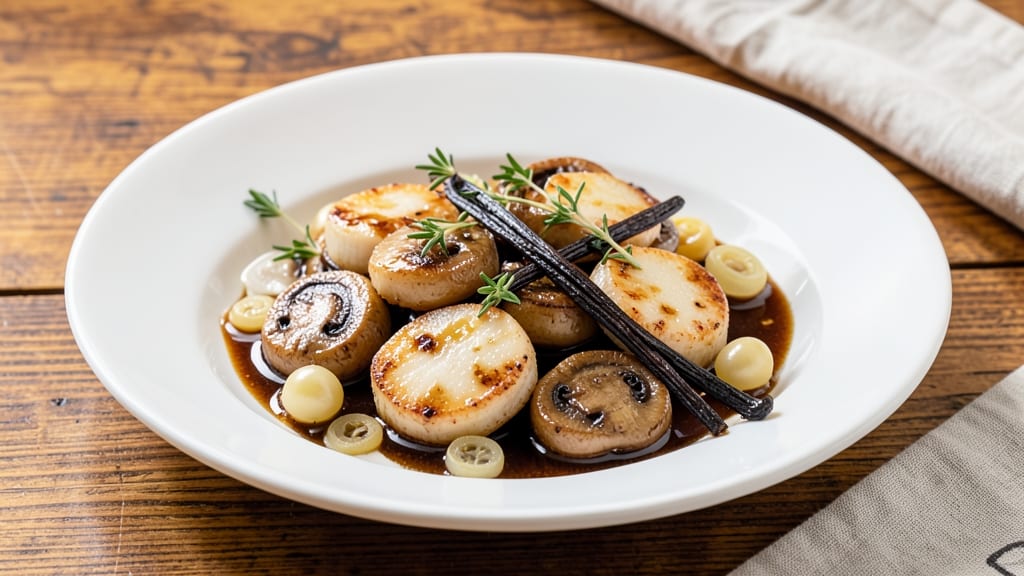
This balsamic glaze sauce recipe transforms simple pantry ingredients into a rich, caramelized drizzle that elevates any dish with its deep umami and balanced sweetness. The key lies in slow reduction, where balsamic vinegar's sharpness mellows into a velvety, glossy sauce with complex layers—no cooking skills required, just patience.
I've perfected this version over years of testing, ensuring every batch delivers that perfect balance between tangy and sweet without overpowering your main course.
The process is straightforward but transformative: simmering balsamic vinegar with sugar until it thickens into a glossy syrup that coats spoons like liquid gold. What makes this glaze special is how it behaves—it clings beautifully to proteins, melts into cheeses, and brightens salads with just a few drops.
The sugar isn't just for sweetness; it helps break down the vinegar's acidity, creating that signature depth you find in high-end restaurant versions.
Once reduced, this glaze keeps for weeks in the fridge, making it a pantry staple for last-minute drizzling. Use it to finish roasted meats, transform simple caprese salads into gourmet masterpieces, or even glaze grilled vegetables for a restaurant-worthy touch.
The possibilities are endless, but the technique remains simple: reduce, stir occasionally, and let the magic happen on the stove.
For best results, work in small batches to avoid over-reduction, and always taste as you go—the perfect glaze should coat the back of a spoon with a glossy sheen and taste like equal parts sweet, tangy, and complex.
This isn't just a sauce; it's the secret weapon that turns ordinary meals into something extraordinary with minimal effort.
Ingredients for balsamic glaze sauce
Eight pantry staples transform sharp vinegar into restaurant-worthy liquid gold.
| Ingredient | Amount | Notes |
|---|---|---|
| Balsamic Vinegar 🍷 | 1 cup | High-quality aged variety preferred |
| Granulated Sugar 🍚 | ½ cup | White or brown sugar works |
| Heavy Cream 🥛 | ¼ cup | For velvety finish (optional) |
| Fresh Thyme Leaves 🌿 | ¼ cup | Or 1 tbsp dried thyme |
| Vanilla Bean 🌸 | 1 whole | Split lengthwise for seeds |
| Unsalted Butter 🧈 | 2 tbsp | Cold, cubed for richness |
| Salt 🧂 | ¼ tsp | Kosher or sea salt |
| Black Pepper 🌶️ | ⅛ tsp | Freshly cracked preferred |
The balsamic vinegar makes or breaks this glaze—aged 10+ years from Balzarini or Giuseppe Giusti delivers the deepest caramel notes. I always grab the dark, thick variety at Whole Foods or Trader Joe's, as the lighter vinegars won't reduce properly. Sugar is non-negotiable here; it's what transforms the vinegar's acidity into that velvety sweetness. The vanilla bean adds a subtle complexity that elevates this from basic to extraordinary—Madagascar Bourbon is my go-to, but any quality vanilla will work. For the butter, Plugrá or Land O'Lakes are reliable choices, but any good-quality unsalted will do.
No aged balsamic? Substitute with 2 tbsp balsamic vinegar plus 1 tbsp maple syrup—it won't be identical, but it'll get you close. Running low on vanilla? Vanilla extract at half the amount works in a pinch, though the seeds add that magical depth. The heavy cream is truly optional—skip it if you're watching calories, but trust me, it makes the glaze unbelievably silky. For the thyme, fresh is ideal, but dried works at one-third the amount. If you're feeling adventurous, a pinch of cinnamon or allspice can add warmth to the glaze.
This glaze keeps beautifully—3-4 weeks in the fridge once cooled, sealed tightly. For longer storage, freeze in ice cube trays—just thaw at room temperature before using. I like to portion mine into small jars so I can grab exactly what I need for finishing dishes. The glaze thickens as it cools, so always reheat gently on low heat with a splash of water if it becomes too stiff. A little goes a long way—1-2 teaspoons can transform an entire dish.
Why You'll Love This Recipe
- Five-Ingredient Magic: I swear by this recipe because it’s the kind of dish where you measure, simmer, and boom—no fuss. The vanilla bean and thyme infuse the cream so effortlessly, even if you’re stirring while scrolling through your phone.
- Sweet-Tart Balance: That first sip of balsamic glaze—rich, caramelized, with a whisper of vanilla—is ridiculously good. The sugar cuts the vinegar’s tang, but the thyme leaves make it feel fancy without trying.
- Pantry Staple Power: Honestly? This sauce turns basic meals into something special. Drizzle it over grilled chicken, toss it with roasted veggies, or spoon it into pasta—it’s my go-to for weeknights and dinner parties alike.
- Leftovers That Last: The best part? It keeps for days in the fridge, and the flavor only deepens. I make a double batch, store it in jars, and use it all week—no wasted ingredients, just pure convenience.
Step-by-step instructions for balsamic glaze sauce
Here's how to transform bold balsamic into a silky, caramelized masterpiece with depth and balance.
Simmer the Vinegar and Sugar for Caramelization
Combine the 1 cup balsamic vinegar and 0.5 cup granulated sugar in a heavy-bottomed saucepan. Place it over medium-high heat and bring to a boil, stirring occasionally to dissolve the sugar completely. This step is crucial—you're creating a syrupy base that will develop complex caramelized flavors.
Once boiling, reduce heat to medium-low and let it simmer uncovered for 15-20 minutes. You'll see the mixture darken significantly and reduce by about half. The aroma will shift from sharp vinegar to rich, caramel-like sweetness. This reduction process is what mellows the vinegar's acidity while building depth. Watch carefully—it should never bubble over, but if it does, reduce heat immediately to prevent spattering.
Infuse with Vanilla and Thyme for Aromatic Depth
While the vinegar mixture simmers, split the 1 whole vanilla bean lengthwise and scrape out the seeds using the back of a knife. Add both the seeds and the empty pod to the saucepan along with the 0.25 cup fresh thyme leaves. Stir gently to combine, allowing the vanilla and thyme to steep in the warm syrup.
Simmer for an additional 5 minutes—this is where the magic happens. The vanilla will release its floral notes while the thyme adds an earthy herbal complexity. You'll notice the sauce becoming even darker and more aromatic. Here's the thing—don't rush this step. The longer the infusion, the more nuanced the final flavor will be. If you're using dried thyme, add it now and simmer for 3 minutes instead.
Finish with Butter and Cream for Velvety Texture
Remove the saucepan from heat and let it cool slightly for 2 minutes. This prevents the butter from burning when added. Add the 2 tbsp cold, cubed unsalted butter and stir until completely melted and incorporated. The butter will create a luxurious, velvety texture that balances the sauce's acidity.
Return the sauce to low heat and carefully whisk in the 0.25 cup heavy cream. Simmer gently for 1-2 minutes just until the cream is fully incorporated and the sauce reaches your desired consistency. It should coat the back of a spoon but still be pourable. If it thickens too much, whisk in 1-2 teaspoons of water to adjust. The cream adds a subtle richness that rounds out all the complex flavors we've built.
Season and Strain for Silky Perfection
Remove from heat and stir in the 0.25 tsp salt and 0.125 tsp freshly cracked black pepper. Taste and adjust seasoning if needed—you might need a touch more salt to balance the sweetness. Here's where precision matters: the sauce should have a perfect harmony of sweet, tangy, herbal, and slightly peppery notes.
Strain the sauce through a fine-mesh sieve into a clean bowl or pitcher to remove the thyme stems and vanilla pod. This final step ensures an ultra-smooth texture. The strained sauce should be glossy with a deep mahogany color. If you're using it immediately, serve warm. For best results, let it cool slightly before using—this allows the flavors to meld completely. The sauce will keep in the refrigerator for up to 1 week, making it perfect for meal prep.
Pro Tips For Making Balsamic Glaze Sauce
- Simmer Slow and Steady: Start with a medium-high heat to evaporate the alcohol in the balsamic, but once the sugar dissolves and the mixture thickens, drop to low. I learned this the hard way—rushing it burns the sugar and turns the glaze bitter. Let it bubble gently for at least 15 minutes, stirring occasionally, until it coats the back of a spoon.
- Split the Vanilla Bean: Scrape out the seeds and slice the pod lengthwise into two thin strips—this exposes more surface area for flavor infusion. Toss the pod in with the thyme leaves while simmering; the cream will absorb the vanilla’s aroma far better than just using seeds alone. (Yes, even if you’re impatient like me, resist the urge to skip this.)
- Strain the Cream Early: After simmering the balsamic-sugar mixture, let it cool slightly before whisking in the heavy cream. If you add cold cream to hot liquid, it’ll curdle faster than you can say "ruined sauce." Warm the cream separately to about 100°F (just until it steams slightly) before combining—smooth every time.
- Balance the Sweetness First: Taste the balsamic-sugar reduction before adding cream. If it’s too sharp, add a pinch more sugar now—it’s easier to adjust than fixing a glaze that’s now too sweet after the cream’s diluted it. Aim for a balance where the acidity and sweetness play off each other, not fight. (Your future self will thank you.)
Serving suggestions for leftovers
Meat Finishing
This glaze transforms simple proteins into showstoppers. Drizzle 1-2 teaspoons over medium-rare steaks just before serving—the heat will make it bubble and caramelize beautifully. I love using it on ribeye or filet mignon, but it works on chicken thighs too.
For extra drama, warm the glaze slightly before drizzling to enhance its glossy finish. 🔥
Cheese Pairings
Elevate charcuterie boards by pairing this glaze with creamy cheeses like burrata or mascarpone. The sweet-tangy balance cuts through the richness perfectly. I like to serve it with aged pecorino or sharp cheddar for a salty contrast.
For a quick appetizer, drizzle over warm bruschetta with a sprinkle of flaky sea salt.
Vegetable Glazes
Roasted vegetables become restaurant-worthy with this glaze. Toss asparagus, Brussels sprouts, or carrots with olive oil, salt, and pepper, then roast until tender. Finish with 1 teaspoon glaze per pound of veggies and a sprinkle of fresh thyme.
The glaze clings beautifully, adding a sweet contrast to the earthy flavors. 🌱
Salad Upgrades
Turn simple salads into gourmet dishes with just a few drops. Drizzle over Caprese salad (tomatoes, fresh mozzarella, basil) or arugula with shaved Parmesan. For a winter twist, add to kale and walnut salad.
The glaze's acidity brightens greens while adding depth. Use sparingly—½ teaspoon per salad is plenty.
Dessert Drizzle
Surprise your taste buds by using this glaze on desserts. Warm it slightly and drizzle over vanilla ice cream, pancakes, or pound cake. The caramelized sweetness pairs wonderfully with dark chocolate or berries. For a sophisticated touch, add a pinch of cinnamon to the glaze before drizzling. 🍰
Bread Service
Transform ordinary bread into an elegant starter. Brush warm focaccia or ciabatta with olive oil, sprinkle with flaky salt, and drizzle with the glaze while still warm. The contrast of crispy bread and glossy glaze is irresistible.
I also love using it as a dip for garlic breadsticks—just warm the glaze and serve in a small bowl.
Nutrition facts
Frequently asked questions
Can I make this balsamic glaze without heavy cream?
The heavy cream adds richness, but you can skip it entirely for a lighter version. Simply omit the cream and reduce the butter to 1 tablespoon instead. The glaze will still be delicious—just slightly thinner. For extra depth without cream, try adding 1 teaspoon honey or 1 tablespoon maple syrup during the final reduction.
Why did my glaze turn out too thick?
Over-reduction is the most common cause. The glaze should coat the back of a spoon but remain pourable. If it's too thick, whisk in 1-2 teaspoons of water while warm to adjust. For next time, keep a close eye on the simmering time—15-20 minutes is ideal. If you prefer a thicker consistency, reduce slightly less or chill it to thicken naturally.
How can I use this glaze on dishes that don't pair well with sweetness?
Use it sparingly and focus on the tangy, umami notes. Drizzle just ½ teaspoon over grilled fish or shrimp to add depth without overpowering. For savory applications, reduce the sugar slightly to ¼ cup and add 1 teaspoon Dijon mustard during the final infusion. The acidity will complement rich, meaty flavors beautifully.
Can I make this glaze in a slow cooker?
Yes, but with adjustments. Combine ingredients in your slow cooker and cook on low for 3-4 hours, stirring occasionally. The texture will be thinner, so reduce it further on the stovetop afterward. For best results, use a heavy-bottomed pot instead—slow cookers can't control heat as precisely, risking uneven reduction.
What's the secret to getting that glossy finish?
Patience and proper straining! The glaze should be reduced until it coats the back of a spoon with a sheen. After straining, transfer it to a clean jar and let it sit for 10 minutes before using—this allows the flavors to meld and the surface to become ultra-glossy. For extra shine, add ½ teaspoon corn syrup during the final reduction.