
Sauces & Condiments
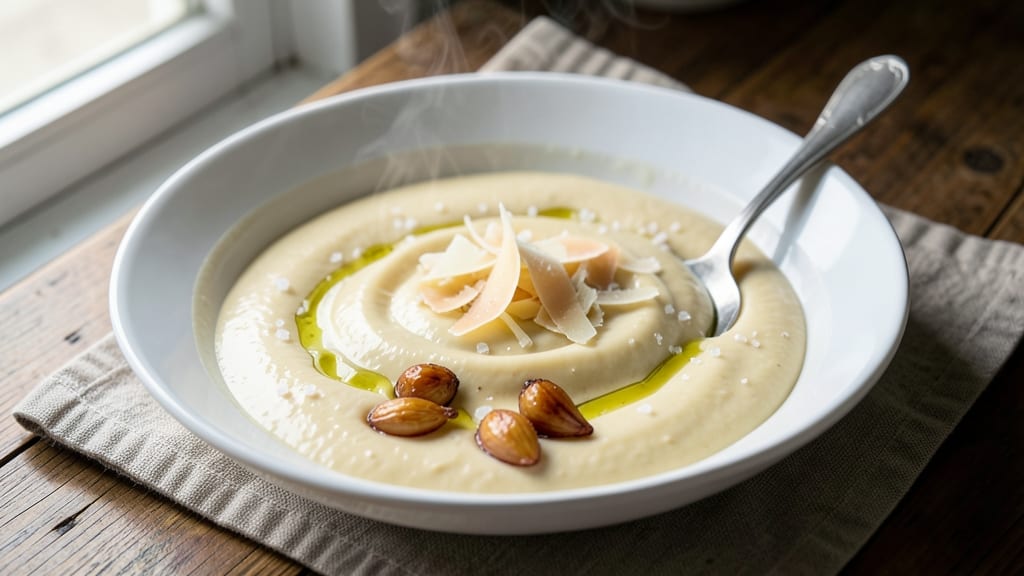
This alfredo sauce recipe with light cream delivers the creamy, velvety texture you love without the overwhelming heaviness. The secret lies in balancing rich butter and sharp parmesan with light cream, creating a sauce that clings perfectly to pasta while remaining elegant.
I developed this version after years of testing—too much cream makes it cloying, but just enough creates that signature luxurious mouthfeel.
The foundation is simple: butter, garlic, and parmesan form the flavor base, while light cream adds body without density. Cooking it low and slow prevents curdling, ensuring a smooth finish every time.
This recipe also skips heavy cream, making it lighter than traditional versions while still delivering that restaurant-quality richness you crave.
What you’ll end up with is a sauce that’s silky, flavorful, and perfectly balanced—creamy enough to coat each noodle but light enough to let the pasta shine. The garlic adds depth, the parmesan brings nutty richness, and the light cream keeps it from feeling too rich.
It’s the kind of sauce that transforms simple fettuccine into a gourmet meal.
Use it as-is for classic fettuccine alfredo or customize with herbs, chicken, or vegetables. The possibilities are endless, but the base remains foolproof. Let’s make this sauce—it’s easier than you think.
Ingredients for alfredo sauce recipe with light cream
Eight ingredients transform into the perfect alfredo—creamy, balanced, and restaurant-worthy.
| Ingredient | Amount | Notes |
|---|---|---|
| Unsalted Butter 🧈 | ½ cup | Cold, cubed for even melting |
| Light Cream 🥛 | 1 cup | Full-fat for best texture |
| Fresh Garlic Cloves 🧄 | 4 cloves | Minced, not pressed |
| Parmesan Cheese 🧀 | 1 ½ cups | Freshly grated from block |
| Extra-Virgin Olive Oil 🫒 | 2 tbsp | For smooth finish |
| Diamond Crystal Kosher Salt 🧂 | ½ tsp | Adjust to taste |
| Freshly Ground Black Pepper 🌶️ | ¼ tsp | Freshly cracked preferred |
| Heavy Cream (substitute) 🥛 | ¼ cup | Optional for extra richness |
The butter and parmesan are non-negotiable here. European-style unsalted butter (like Plugrá) melts beautifully and adds depth. For parmesan, Parmigiano-Reggiano from the deli counter is worth the splurge—pre-grated lacks the sharp, nutty flavor. Fresh garlic matters too; roasted briefly in the butter before adding the cream enhances sweetness without bitterness. Light cream is key—it’s lighter than heavy cream but still delivers that velvety texture. Trader Joe's carries a great organic version if you can't find it elsewhere.
No light cream? Heavy cream thinned with a splash of milk works in a pinch, but the sauce will be slightly denser. Fresh garlic cloves can be swapped for one-third the amount of garlic powder, though you’ll lose some depth. Want extra richness? Add 1/4 cup heavy cream at the end—just stir it in gently to avoid breaking the emulsion. The olive oil isn’t just for flavor; it helps stabilize the sauce, so don’t skip it. For a dairy-free twist, cashew cream (blended soaked cashews + water) can replace the cream, though the texture will differ slightly.
This sauce keeps beautifully—3-4 days in the fridge sealed tightly, or 3 months in the freezer in airtight containers. Reheat gently over low heat, stirring constantly to prevent separation. A splash of warm water or milk can help restore creaminess if it thickens too much. Portion it into small jars for easy use—perfect for tossing with pasta or drizzling over grilled chicken. Leftovers? Freeze in ice cube trays for single-serving portions.
Why You'll Love This Recipe
- I’ll be real: I’ve made this twice and still had leftovers. The good kind—ones that disappear faster than you can say “second helping.” Stored in the fridge, it thickens up just right for reheating, and freezing it? Game over. Your future self will thank you when you’re craving comfort food at 2 a.m.
- Five-Minute Stir: I swear, this sauce comes together while you’re still debating what to have for dinner. Melt butter in a pan, toss in minced garlic and olive oil—poof—you’ve got aromatic magic. No peeling garlic cloves, no waiting for the oven. Just butter, cream, and a sprinkle of Parmesan that turns everything creamy in under 10 minutes.
- Rich Without Guilt: Here’s what sold me—the light cream makes it velvety, but the olive oil keeps it from feeling heavy. That first bite? It’s like a hug for your taste buds, but somehow still light enough to drizzle over roasted veggies or toss with zucchini noodles. (Yes, even on a Tuesday night.)
- Pasta Party Fix: Between us, this sauce is my secret weapon for last-minute gatherings. Dump it on fettuccine for a restaurant-worthy dish, or slather it on grilled chicken for a weeknight win. It’s the one sauce that works for date nights, potlucks, or when you’re too tired to think.
Step-by-step instructions for Alfredo sauce with light cream
Here's how to create a restaurant-quality Alfredo sauce that's silky and rich without being overly heavy.
Melt Butter and Infuse with Garlic
In a medium saucepan, melt the 0.5 cup unsalted butter over medium-low heat. I like to use cold, cubed butter so it melts evenly without burning. Once fully melted, add the 4 cloves minced fresh garlic cloves and stir constantly for 1-2 minutes until the garlic becomes fragrant but doesn't brown. This gentle cooking prevents bitterness while infusing the butter with garlic flavor.
Watch the pan closely—the butter should foam gently but not brown. If it starts to darken, reduce the heat immediately. The garlic should smell sweet and aromatic, not sharp. This step forms the flavor base for your entire sauce, so take your time here.
Add Light Cream and Simmer
Pour in the 1 cup light cream all at once and stir to combine with the garlic butter. Increase the heat to medium and bring the mixture to a gentle simmer. Let it cook uncovered for 3-4 minutes, stirring occasionally, until it thickens slightly but doesn't boil vigorously. You'll see the sauce begin to coat the back of a spoon.
This simmering step is crucial—it allows the cream to develop a velvety texture rather than becoming grainy. If you see any skin forming on the surface, simply stir it back into the sauce. The sauce should reduce just enough to create a smooth, glossy consistency without separating.
Incorporate Parmesan Gradually
Reduce the heat to low and begin adding the 1.5 cups freshly grated Parmesan cheese in small increments. I find it works best to add about ¼ cup at a time, whisking vigorously after each addition until completely dissolved. This gradual approach prevents clumping and ensures a completely smooth sauce.
Continue whisking for 2-3 minutes after all the cheese is incorporated. The sauce should thicken noticeably as the cheese melts into the warm cream. If it becomes too thick, you can thin it with 1-2 tablespoons of warm water or the 0.25 cup heavy cream substitute to achieve your desired consistency.
Finish with Seasonings
Remove the sauce from heat and stir in the 2 tablespoons extra-virgin olive oil, 0.5 teaspoon Diamond Crystal kosher salt, and 0.25 teaspoon freshly ground black pepper. The olive oil adds a smooth finish and helps prevent the sauce from separating when served. Taste and adjust the seasoning—Alfredo sauce should be rich but not salty, with just a hint of peppery warmth.
Let the sauce rest for 5 minutes before serving. This resting period allows all the flavors to meld together perfectly. The sauce will thicken slightly more as it cools, so you might want to add a splash of warm water or milk if it becomes too thick when ready to serve.
Serve Immediately Over Pasta
This sauce is best served immediately over freshly cooked fettuccine or tagliatelle. The heat from the pasta will help maintain its silky texture. For an extra touch, drizzle with a bit more olive oil or freshly cracked black pepper just before serving.
Remember, the key to perfect Alfredo sauce is patience and gentle heat. Rushing this process can lead to grainy texture or separated sauce. But when done right, you'll have a velvety, rich sauce that coats every strand of pasta beautifully.
Pro Tips For Making Alfredo Sauce Recipe With Light Cream
- Bloom the Garlic: Sauté the minced garlic in olive oil for 30 seconds until it just fragrant—not golden—then add the butter. I learned this the hard way: burning garlic turns the sauce bitter, and no one wants that creamy richness ruined by a harsh bite.
- Low and Slow Cream: Warm the light cream over low heat until it’s steaming but not boiling—just under 180°F (82°C). Too much heat curdles it, and you’ll end up with a lumpy mess instead of that velvety texture you’re after.
- Grate, Don’t Chop Parmesan: Use a fine grater for the Parmesan, not a knife—it dissolves smoother and coats the sauce evenly. I was skeptical until I tried it: pre-shredded cheese has anti-caking agents that make the sauce grainy.
- Reserve Some Butter: Melt only half the butter first, then finish with the rest off the heat. This keeps the sauce from separating when you add the cream, and it adds a richer finish without cooking the dairy too hard.
Pro cooking tips for alfredo sauce recipe with light cream
Low-and-Slow Heat
Never rush this sauce—gentle heat is your best friend. Cook the butter and garlic over medium-low heat to prevent burning, and simmer the cream at medium (never boiling).
I’ve seen many home cooks crank the heat too high, which causes the cream to curdle or the sauce to separate. If you notice any skin forming, simply stir it back in. The goal is a silky, glossy finish, not a grainy mess. 🌡️
Gradual Cheese Addition
Adding the 1.5 cups parmesan all at once is a recipe for disaster—it clumps like crazy. Instead, whisk in ¼ cup at a time while keeping the heat on low. This slow incorporation ensures a completely smooth texture without any gritty bits.
If you’re using pre-shredded cheese (not ideal, but sometimes necessary), pulse it in a food processor first to break up any anti-caking agents that cause clumping.
Emulsion Stabilization
The 2 tbsp olive oil at the end isn’t just for flavor—it acts as an emulsifier, helping the sauce hold its shape when tossed with pasta.
If your sauce starts to separate when reheating, whisk in 1 tsp cornstarch mixed with 1 tbsp cold water to thicken it back up. For extra insurance, I sometimes add 1 tbsp cold butter at the very end—it cools the sauce slightly and adds a luxurious finish.
Temperature Control
Use an instant-read thermometer to monitor the sauce’s temperature—it should never exceed 180°F. If you’re adding the sauce to hot pasta, let it cool to 160°F first to avoid curdling.
I’ve made this sauce on the stovetop, in a slow cooker (on low for 1 hour), and even in a double boiler for foolproof results. The slow cooker method is my favorite for hands-off cooking—just stir occasionally to prevent sticking.
Garlic Roasting Trick
For an extra-deep flavor, roast the 4 garlic cloves at 400°F for 8-10 minutes until golden brown before mincing. This sweetens the garlic and adds a nutty depth that elevates the entire sauce.
Just be sure to cool the roasted garlic before adding it to the butter—hot garlic can cause the butter to burn instantly. Trust me, this small step makes a world of difference in the final result. 🧄
Reheating Like a Pro
If you’re reheating leftovers, do it slowly over low heat while stirring constantly. Microwaving is a no-go—it breaks the emulsion and turns the sauce grainy. For extra richness, add 1 tbsp heavy cream while reheating.
If the sauce thickens too much, thin it with warm pasta water (it’s seasoned perfectly and won’t alter the flavor). Always reheat to 165°F for food safety.
Nutrition facts
Frequently asked questions
Can I substitute heavy cream for light cream in this recipe?
You can use heavy cream instead, but the texture will be richer and slightly denser. For a 1:1 swap, reduce the parmesan by 1/4 cup to balance the richness. The light cream in this recipe keeps the sauce elegant and less heavy—perfect for those who prefer a lighter Alfredo. If you want extra richness, add 1/4 cup heavy cream at the end instead of replacing all the light cream.
Why did my Alfredo sauce turn grainy?
Graininess usually happens from one of three things: boiling the cream (always simmer gently), adding cheese too quickly (whisk in 1/4 cup at a time), or not enough fat (the olive oil at the end helps stabilize). If it happens, whisk in 1 tbsp cold butter or 1 tsp cornstarch mixed with 1 tbsp cold water to smooth it out. Prevent future issues by keeping heat low and stirring constantly.
Can I make this sauce ahead of time?
Yes! Store it in an airtight container in the fridge for 3-4 days or freeze for 3 months. Reheat gently over low heat, stirring constantly. If it thickens too much, thin with warm pasta water or milk. For best results, reheat to 160°F—never microwave, as it breaks the emulsion. The sauce actually improves slightly after resting!
What's the best pasta to pair with this sauce?
This light cream Alfredo pairs perfectly with fettuccine or tagliatelle—their flat surfaces catch the sauce beautifully. For extra texture, try pappardelle or fettuccine with spinach. Avoid thin noodles like angel hair, as they can get lost in the sauce. Pro tip: Toss the sauce with hot, drained pasta (not cold) to maintain its silky texture.
Can I add other ingredients like herbs or chicken?
For herbs, stir in 1 tbsp fresh parsley or basil at the end, or add 1/2 tsp dried thyme while simmering. For chicken, poach 1/2 lb chicken breast in the simmering cream (before adding cheese) for a creamy chicken Alfredo. Keep additions simple—too many ingredients can overpower the sauce's delicate balance.