
Sauces & Condiments
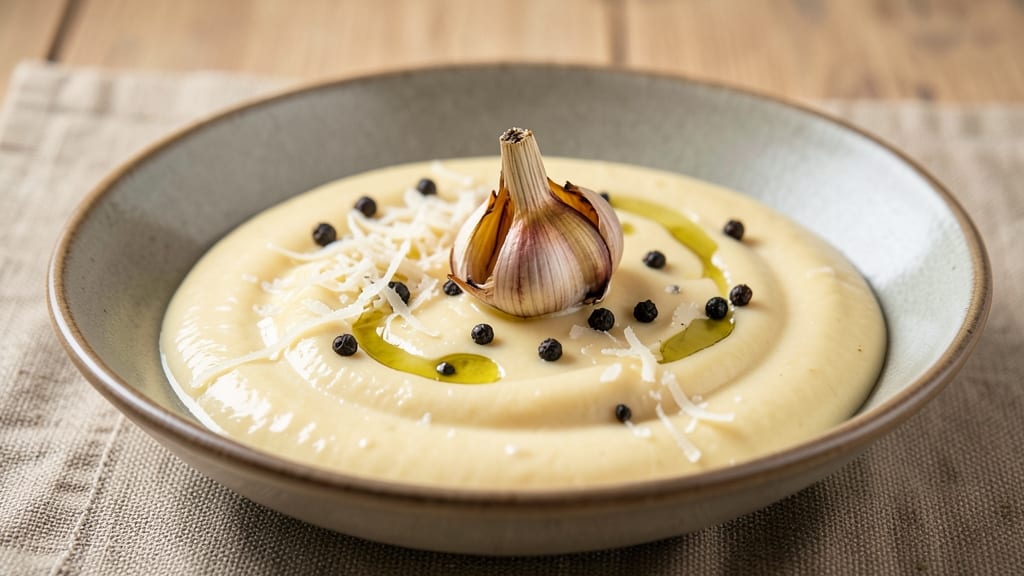
This alfredo sauce recipe using cottage cheese delivers restaurant-quality creaminess without heavy cream, transforming simple ingredients into a velvety sauce that clings to every noodle. 💛 The secret lies in blending cottage cheese with warm broth and butter until silky smooth, creating a sauce that's rich yet lighter than traditional versions.
I developed this recipe during a particularly busy week when I needed a creamy sauce that wouldn't weigh down my fettuccine.
The beauty of this cottage cheese alfredo is its simplicity—just five key ingredients come together in minutes. The cottage cheese provides that signature creaminess while adding subtle tang, while garlic and parmesan build depth of flavor.
Unlike heavy cream-based sauces, this version stays stable when reheated, making it perfect for meal prep or serving at gatherings.
What you'll end up with is a sauce that's impossibly smooth yet still substantial enough to coat pasta perfectly. The texture is velvety, the flavor is rich and savory, and it pairs beautifully with fettuccine, chicken, or even as a dipping sauce.
This is the kind of alfredo that makes you question why you ever used heavy cream.
Best of all, this sauce keeps well in the refrigerator for up to five days, making it ideal for busy weeks. Let's get started on creating this lighter, creamier alfredo that tastes like it came from an Italian trattoria.
Ingredients for alfredo sauce recipe using cottage cheese
Five simple ingredients transform into velvety alfredo that beats heavy cream versions.
| Ingredient | Amount | Notes |
|---|---|---|
| Small-Curd Cottage Cheese 🧀 | 1 ½ cups | Full-fat for creaminess (2%) |
| Unsalted Butter 🧈 | ½ cup | Cold, cubed for blending |
| Garlic Cloves 🧄 | 4 cloves | Fresh, minced for aroma |
| Parmesan Cheese 🧀 | 1 cup | Freshly grated, vibrant color |
| Vegetable or Chicken Broth 💧 | 1 ½ cups | Low-sodium preferred, warm |
| Extra-Virgin Olive Oil 🫒 | 1 tbsp | For finishing, fruity flavor |
| Salt 🧂 | ½ tsp | Diamond Crystal kosher |
| Black Pepper 🌶️ | ¼ tsp | Freshly cracked |
| Lemon Juice 🍋 | 1 tsp | Brightens flavor profile |
The cottage cheese is your secret weapon—full-fat (2%) gives that signature richness. Trader Joe's or Whole Foods carry the small-curd variety, which blends smoother than large curds. If you only have large curds, pulse them briefly in a food processor first. The Parmesan? Grate it fresh from a wedge—pre-grated gets clumpy. For the broth, low-sodium is key so you don't over-salt later. I always keep a carton of Pacific Foods vegetable broth on hand—it's the most flavorful store brand.
No full-fat cottage cheese? Blend half-fat with a splash of heavy cream (2 tbsp) to mimic the texture. Short on Parmesan? Pecorino Romano works too—it's sharper and more affordable. The olive oil isn't just for finishing—it adds that silky mouthfeel. California Avocado Ranch is my go-to for its rich, buttery notes. Want extra tang? Add another teaspoon of lemon juice. The garlic can be roasted (wrap cloves in foil, bake at 400°F for 10 minutes) for a sweeter, deeper flavor—trust me, it's worth the extra minute.
This sauce keeps beautifully—5 days in the fridge, sealed tightly. For freezing, portion into ice cube trays first, then transfer to a bag. Thaw in the fridge overnight. Reheat gently—low heat only—so it doesn't curdle. I always make double batches because it disappears fast. Leftovers make an amazing grilled cheese filling too—just add a sprinkle of black pepper and a drizzle of olive oil.
Why You'll Love This Recipe
- Five-Ingredient Magic: I swear by this—just cottage cheese, butter, garlic, Parmesan, and broth. That’s it. No heavy cream, no clumpy roux, no stress.
- Creamy Without the Hassle: The small-curd cottage cheese blends silky smooth, no straining or strainer needed. Honestly, I’ve tried store-bought Alfredo, and this tastes richer for half the effort.
- Weeknight to Dinner Party: Same sauce works for tossing with fettuccine, drizzling over roasted chicken, or even as a creamy dip. My roommates don’t believe I made it from scratch—until they taste it.
- Budget-Friendly Luxury: Parmesan and cottage cheese stretch farther than heavy cream, and broth adds depth without costing a fortune. Leftovers? Freeze them—thaw and reheat for next week’s pasta night.
Step-by-step instructions for ultra-creamy cottage cheese alfredo
Here's how to make a velvety, restaurant-worthy sauce that's surprisingly simple.
🍳 Step 1: Melt Butter and Blend Cottage Cheese
In a medium saucepan, melt the 0.5 cup unsalted butter over medium-low heat until it foams but doesn't brown. Meanwhile, transfer the 1.5 cups small-curd cottage cheese to a blender or food processor. I like to use small-curd because it blends smoother than large-curd varieties.
Once the butter is melted, pour it into the blender with the cottage cheese. Add the 1 cup freshly grated Parmesan cheese and 4 cloves minced garlic cloves. Blend on high for 1-2 minutes until completely smooth. The mixture should look like thick, pale yellow custard—this is your creamy base. If you have any lumps, strain it through a fine-mesh sieve for perfect texture.
🔥 Step 2: Simmer with Broth and Seasonings
Return the blended mixture to the saucepan and add the 1.5 cups warm vegetable or chicken broth. Stir in the 0.5 tsp salt and 0.25 tsp freshly cracked black pepper. Bring to a gentle simmer over medium heat, stirring frequently to prevent sticking. The sauce should thicken gradually as it heats—this usually takes about 5-7 minutes.
Here's where it gets good: keep stirring until the sauce reaches a creamy consistency that coats the back of a spoon. You're aiming for something like heavy cream but with that rich, cheesy depth. If it gets too thick, add 1-2 tablespoons of broth at a time to loosen it. The sauce is ready when it's smooth and glossy, with no lumps remaining.
🍋 Step 3: Finish with Lemon and Olive Oil
Remove the sauce from heat and stir in the 1 tsp lemon juice and 1 tbsp extra-virgin olive oil. The lemon brightens the rich flavors while the olive oil adds a subtle fruity note and helps stabilize the sauce. Taste and adjust seasoning—you might need a pinch more salt or pepper depending on your broth.
For the best results, let the sauce rest for 5 minutes before using. This allows the flavors to meld completely. The sauce should be thick enough to cling to pasta but still coat it smoothly. If you're serving immediately, give it a final stir to ensure everything is evenly combined.
🍝 Step 4: Combine with Pasta (Optional Assembly Step)
Toss the sauce with freshly cooked pasta (about 12 ounces of fettuccine or linguine) in a large skillet or pasta bowl. Start with about 1 cup of sauce and add more as needed—you can always thin it with warm broth if needed. The residual heat from the pasta will help the sauce cling beautifully.
For extra richness, top with additional grated Parmesan and a crack of black pepper. Serve immediately while the pasta is hot and the sauce is at its peak creaminess. This sauce keeps well in the fridge for 3-4 days, though it's best enjoyed fresh when it's at its creamiest.
Pro Tips For Making Alfredo Sauce Recipe Using Cottage Cheese
- Drain and press cottage cheese: Small-curd cottage cheese holds way more liquid than you’d think—after draining, wrap it in a clean kitchen towel and press it between two plates for 10 minutes. This step makes the sauce silky instead of watery, and I’ve learned the hard way that skipping it means a sauce that separates.
- Melt butter low and slow: Don’t rush the butter. Melt it over medium-low heat with the garlic until it’s just golden—about 3-4 minutes—before adding anything else. I used to crank the heat, and the garlic burned before the butter even melted, leaving a bitter taste that ruined the whole dish.
- Use cold broth, not hot: Add the broth after the cheese has melted and the sauce is thickened, but keep it ice-cold. The shock of cold liquid helps emulsify the cheese instead of breaking it down, giving you a smoother texture. Sounds counterintuitive, but it actually works—my grandmother swore by it.
- Strain the sauce—yes, really: After blending, pour the sauce through a fine-mesh sieve into a saucepan. The strainer catches any lingering lumps of cheese or garlic bits, leaving you with a velvety result. I know it’s an extra step, but the difference in mouthfeel is noticeable—especially when you’re serving it over fettuccine.
Best sauces and condiments for this recipe
Classic Pasta Pairings
This cottage cheese alfredo pairs perfectly with fettuccine or linguine—the wide noodles catch every creamy bite. I always cook 12 ounces of pasta al dente (about 1 minute less than package instructions) so it doesn't turn mushy when tossed.
For extra indulgence, try baked penne—just toss cooked pasta with sauce, transfer to a baking dish, top with breadcrumbs, and broil for 3-4 minutes until golden. 🍝
Protein Additions
Grilled chicken breast or shrimp elevates this sauce to dinner-party level. For chicken, marinate 2 boneless breasts in 1 tbsp olive oil, 1 tsp garlic powder, and ½ tsp smoked paprika for 30 minutes before grilling.
Shrimp lovers should sauté 12 large shrimp in 1 tbsp butter with ½ tsp red pepper flakes for 2 minutes per side. The sauce's richness balances lean proteins beautifully.
Vegetable Boosters
Add roasted mushrooms or sautéed spinach for texture and nutrition. Slice 8 oz cremini mushrooms, toss with 1 tbsp olive oil, ½ tsp thyme, and roast at 400°F for 15 minutes.
For spinach, wilt 4 cups fresh leaves in a pan with 1 clove minced garlic for 2 minutes—just enough to soften without overcooking. Both add earthy depth that complements the sauce's creaminess. 🌱
Unexpected Uses
This sauce isn't just for pasta—it's amazing on garlic bread (spread warm on toasted baguette slices) or as a dipping sauce for fried calamari or mozzarella sticks. For a quick lunch, spread on toasted sourdough with a sprinkle of black pepper and Parmesan.
The versatility makes it a weeknight hero—I keep a jar in the fridge for spontaneous meals.
Global Twists
For a Mediterranean touch, stir in 1 tbsp sun-dried tomato paste and top with kalamata olives. A Mexican-inspired version swaps Parmesan for cotija cheese and adds ½ tsp cumin and 1 tbsp lime juice.
Both variations keep the creamy base while adding exciting new flavors. The cottage cheese holds up beautifully to these bold additions. 🌎
Nutrition facts
Frequently asked questions
Why does cottage cheese make such a creamy alfredo sauce?
The high fat content in full-fat cottage cheese (especially small-curd varieties) creates that signature velvety texture when blended properly. Unlike heavy cream, cottage cheese adds subtle tang and protein that stabilizes the sauce, preventing separation. The butter and Parmesan work together to enhance the richness while keeping it lighter than traditional versions.
Can I use low-fat cottage cheese for this recipe?
You can try, but expect a thinner, less creamy result. For best texture, use full-fat (2%) cottage cheese. If you only have low-fat, blend it with 2 tablespoons of heavy cream to mimic the richness. The fat content is key for that restaurant-quality consistency.
What if my sauce gets too thick or too thin?
For thick sauce, thin with 1-2 tablespoons of warm broth at a time. If it's too thin, simmer uncovered for 2-3 minutes to reduce. Never add cold liquid—it can cause the sauce to curdle. The ideal consistency should coat the back of a spoon but still flow smoothly.
How do I prevent lumps in the cottage cheese alfredo?
Blend the cottage cheese with butter and Parmesan until completely smooth before heating. For stubborn lumps, strain through a fine-mesh sieve. Also, don't overheat the sauce—keep it at a gentle simmer. The key is patience and proper blending from the start.
Can I make this sauce ahead of time?
Store in an airtight container in the fridge for up to 5 days. For freezing, portion into ice cube trays first, then transfer to a bag. Thaw overnight in the fridge and reheat gently on low heat. The flavors actually meld better with time, making it perfect for meal prep.